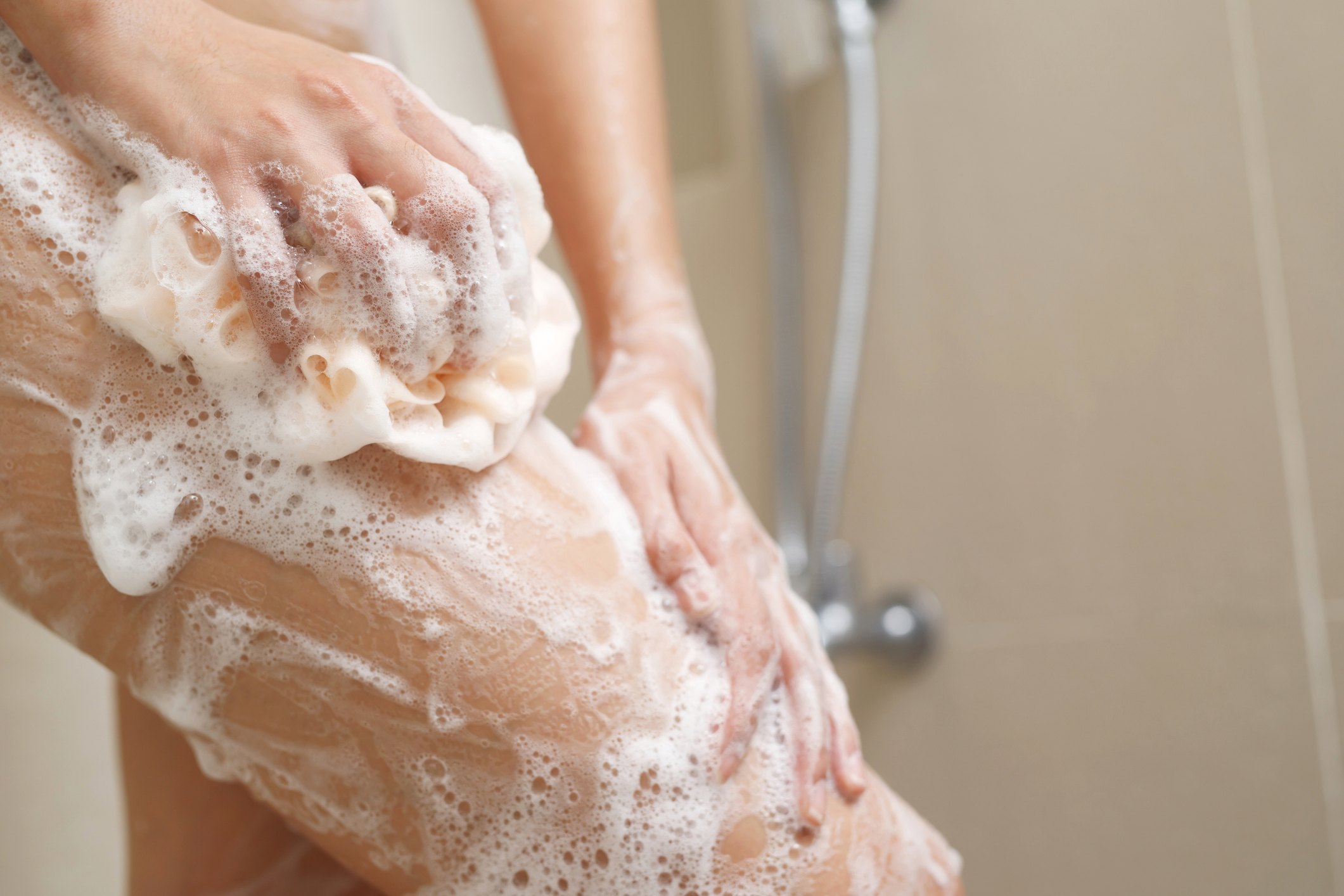
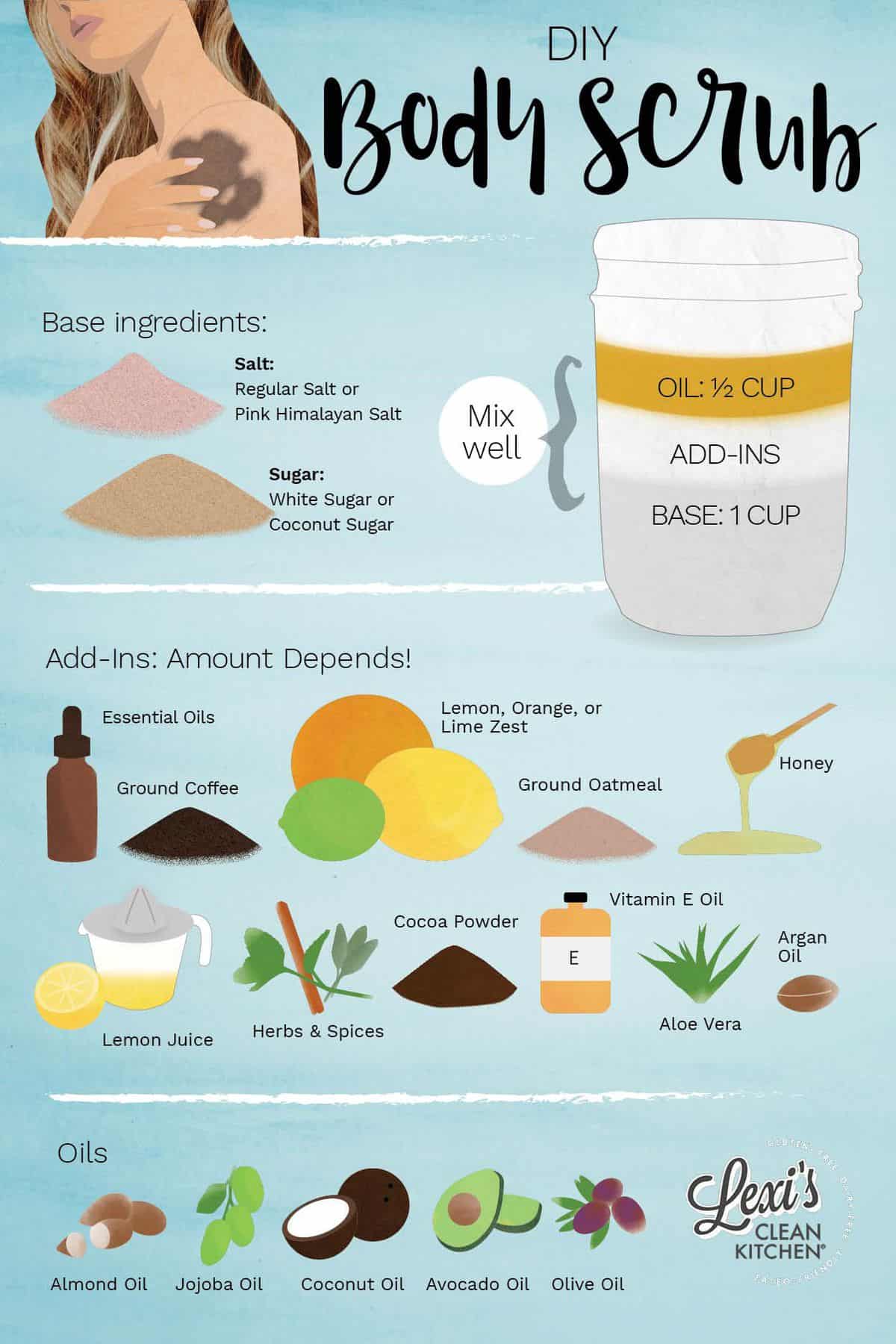
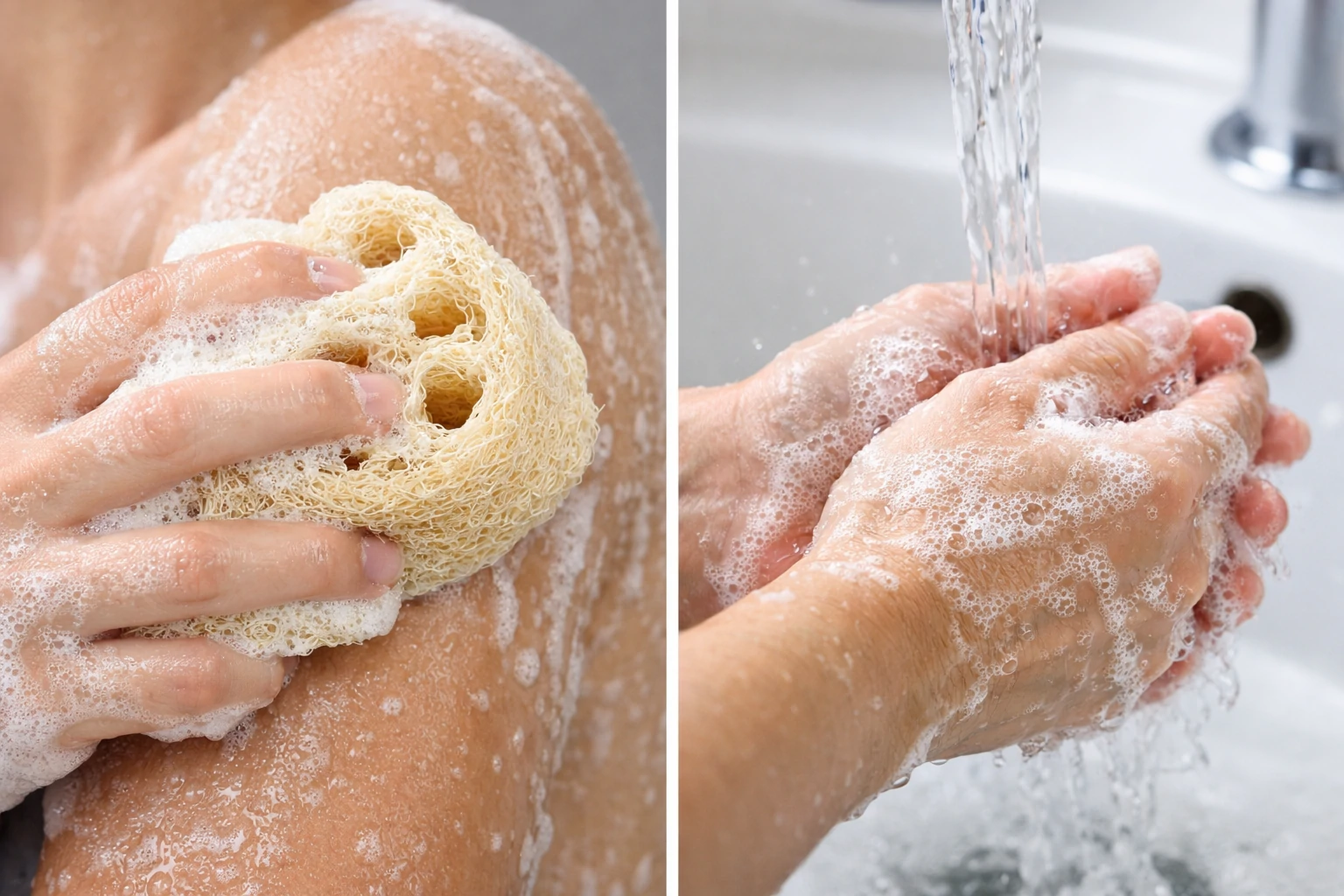
When evaluating the single best tool to wash your body for optimal skin hygiene and exfoliation, dermatologists and skincare experts frequently point to high-grade silicone body scrubbers. Unlike traditional loofahs and washcloths that harbor bacteria and strip the skin barrier, a antimicrobial silicone scrubber offers a balanced approach to deep cleansing, gentle mechanical exfoliation, and long-term hygienic maintenance.
Maintaining optimal skin hygiene requires more than simply applying soap and rinsing with water. The outermost layer of human skin, the stratum corneum, constantly accumulates dead skin cells, sebum, environmental pollutants, and sweat. While hands alone can effectively cleanse the skin surface, they often lack the mechanical action needed to clear stubborn pores and lift away dead cellular debris. Conversely, aggressive cleansing tools can disrupt the skin's natural microbiome, cause micro-tears, and harbor pathogenic microorganisms.
Evaluating the landscape of body-washing instruments demands an understanding of material science, dermatological safety, and everyday usability. This comprehensive examination explores why silicone body scrubbers have emerged as the premier choice, how they compare to traditional alternatives, and how to incorporate them safely into your daily hygiene routine.
Understanding Body Hygiene Tools and Skin Science
To appreciate why a specific tool stands out, you must first understand the anatomy of human skin and how various materials interact with it. The skin acts as a protective barrier against external pathogens while retaining essential moisture. Overcleansing or using abrasive tools can compromise this barrier, leading to transepidermal water loss, irritation, and conditions such as contact dermatitis or folliculitis.
Traditional cleansing methods have evolved over centuries, moving from natural sea sponges to woven plant fibers, and eventually to synthetic plastic meshes and nylon washcloths. However, dermatological research highlights a critical drawback shared by many conventional tools: porosity and moisture retention.
When a loofah or washcloth remains wet in a humid bathroom environment, it becomes an ideal breeding ground for bacteria, mold, and yeast. Every time you reuse a contaminated loofah, you reintroduce these microbes onto freshly cleansed skin, potentially triggering breakouts, body acne (bacne), or localized infections. The ideal tool must balance effective cleansing power with absolute microbiological safety.
Why Silicone Scrubbers Earn the Top Spot
High-grade, medical-grade silicone body scrubbers have revolutionized personal hygiene by addressing the primary flaws of traditional wash tools. Silicone is a non-porous, hypoallergenic polymer that resists bacterial colonization, making it the superior material choice for daily bathing.
Hygienic Superiority and Non-Porous Properties
Unlike organic sponges or woven mesh, silicone lacks the microscopic crevices and fibers where water and organic debris become trapped. Bacteria require moisture and organic matter to multiply; because silicone dries rapidly and does not absorb water, microbes struggle to survive on its surface. Rinsing a silicone scrubber with warm water and mild soap after use is typically sufficient to maintain its cleanliness, and many models can also be sanitized in boiling water.
Gentle Mechanical Exfoliation
Exfoliation is essential for removing dead skin cells and encouraging cellular turnover, but over-exfoliation damages the skin barrier. Silicone scrubbers feature soft, flexible rubberized bristles that bend under pressure. This design provides consistent, uniform pressure across the skin surface, removing dead cells without the scraping action characteristic of natural loofahs or stiff bristle brushes.
Durability and Economic Value
While a natural sea sponge degrades within months and a plastic loofah frays and sheds microplastics into the water supply, a solid silicone scrubber can last for years. This durability reduces waste and provides a higher return on investment over the product lifecycle.
Comprehensive Comparison of Body Washing Tools
Choosing the right implement requires a side-by-side comparison of available options based on hygiene, exfoliation intensity, maintenance, and lifespan.
| Tool Type | Material Composition | Microbiological Risk | Exfoliation Level | Average Lifespan | Environmental Impact |
|---|---|---|---|---|---|
| Silicone Scrubber | Medical-grade silicone | Very Low (Non-porous) | Gentle to Moderate | 2–5 Years | Low (Reusable, durable) |
| Synthetic Loofah | Polyethylene mesh | High (Traps moisture/bacteria) | Moderate to High | 1–2 Months | High (Sheds microplastics) |
| Cotton Washcloth | Natural cotton fibers | Moderate (Retains moisture) | Low | 6–12 Months | Moderate (Requires frequent washing) |
| Natural Sea Sponge | Organic marine skeleton | High (Difficult to sanitize) | Gentle | 3–6 Months | Variable (Harvesting concerns) |
| Natural Bristle Brush | Boar hair or plant fibers | Moderate to High | High (Often abrasive) | 1 Year | Low to Moderate |
Key Features to Look For in a Silicone Body Scrubber
Not all silicone scrubbers are manufactured to the same standards. When selecting a tool for your shower routine, several structural and material features dictate performance and safety.
Material Purity and Certification
Ensure the tool is made from 100% food-grade or medical-grade silicone. Low-quality silicone products are often blended with chemical fillers, plasticizers, or cheap colorants that can leach harmful compounds when exposed to warm water and soap. Look for certifications indicating the product is BPA-free, phthalate-free, and hypoallergenic.
Bristle Density and Ergonomics
The arrangement and length of the silicone bristles affect how the tool lathers soap and feels against the skin.
- Shorter, denser bristles are ideal for a vigorous lather and deeper exfoliation on less sensitive areas like legs and arms.
- Longer, more flexible bristles provide a softer massage suitable for the chest, back, and shoulders. Additionally, consider the grip design. Ergonomic handles, finger bands, or suction cups for wall storage prevent the tool from slipping out of soapy hands during use.
Dual-Sided Functionality
Many advanced silicone scrubbers feature a dual-sided design. One side features fine bristles for daily cleansing and light exfoliation, while the reverse side incorporates wider, firmer nubbins designed to massage sore muscles, stimulate blood circulation, and target areas prone to cellulite or tension.
Step-by-Step Guide: How to Use a Silicone Scrubber Correctly
Even the best tool can cause irritation if used incorrectly. Follow this structured process to maximize the benefits of your silicone scrubber while protecting your skin barrier.
- Rinse the Tool: Before applying any product, rinse your silicone scrubber under warm water to ensure it is clean and pre-warmed.
- Apply Cleanser: Dispense a quarter-sized amount of your preferred body wash or soap directly onto the scrubber or onto your skin. Silicone non-porous surfaces require slightly less soap than a traditional loofah because they do not absorb the liquid.
- Cleanse with Gentle Pressure: Using light, circular motions, glide the scrubber across your body. Start from your extremities and work your way toward your heart to support lymphatic drainage. Avoid pressing down hard; let the flexibility of the silicone bristles do the work.
- Pay Attention to High-Risk Areas: Spend extra time on areas prone to sweat, oil accumulation, and dead skin buildup, such as the back, shoulders, and feet. Avoid using aggressive pressure on sensitive areas like the neck or chest.
- Rinse and Sanitize: Thoroughly rinse the scrubber under running water to remove all soap residue and loosened skin cells. Shake off excess water and hang it in a well-ventilated area to dry completely.
Common Mistakes to Avoid
Using a body washing tool improperly can lead to skin irritation, breakouts, or premature degradation of the product. Keep these pitfalls in mind:
- Over-Exfoliating Daily: While silicone is gentle, using a scrubber with vigorous pressure every single day can strip the acid mantle of the skin. Limit deep scrubbing sessions to two or three times a week if you have sensitive or dry skin.
- Neglecting Post-Use Maintenance: Assuming silicone is naturally antimicrobial and requires no cleaning is a mistake. Soap scum and skin oils can build up at the base of the bristles if not rinsed away after every shower.
- Ignoring Skin Conditions: Do not use any physical scrubbing tool over open wounds, active eczema flare-ups, severe sunburns, or cystic acne lesions, as mechanical friction will worsen inflammation.
Frequently Asked Questions
Can a silicone scrubber completely replace a loofah?
Yes, a silicone scrubber can serve as a direct, superior replacement for a plastic loofah. It produces an effective lather, provides comparable or better exfoliation, and eliminates the bacterial growth risks associated with the netted mesh of traditional loofahs.
How often should a silicone body scrubber be replaced?
High-quality silicone scrubbers can last anywhere from two to five years if properly maintained. Unlike plastic loofahs that must be replaced every month, silicone does not degrade quickly. You only need to replace it if you notice tears, structural breakdown, or persistent discoloration.
Is silicone safe for sensitive or eczema-prone skin?
Silicone is hypoallergenic and much gentler than natural bristle brushes or rough washcloths. However, individuals with eczema or extreme skin sensitivity should use the softest bristle side with minimal pressure and limit usage to once or twice a week to avoid triggering a flare-up.
How do I deep-clean and sanitize my silicone scrubber?
To perform a deep sanitize, submerge your silicone scrubber in a pot of boiling water for three to five minutes. This kills any residual bacteria or mold spores trapped near the base. Alternatively, you can soak it in a mixture of warm water and antibacterial dish soap or a mild vinegar solution.
Does a silicone scrubber help with body acne?
Yes, many users with body acne (bacne) experience improvement after switching to a silicone scrubber. Because traditional loofahs harbor bacteria, using them can reinfect pores. The hygienic, non-porous nature of silicone ensures you are applying a clean surface to your skin every time.
Conclusion and Recommended Next Action
Upgrading your daily cleansing routine starts with eliminating porous, bacteria-prone tools and adopting a hygienic alternative. The medical-grade silicone body scrubber stands out as the single best tool for washing your body, offering a durable, skin-friendly, and microbiologically safe approach to hygiene and exfoliation.
For your next action, inspect your current shower loofah or washcloth. If it is more than a month old, discard it responsibly and invest in a certified 100% silicone scrubber with an ergonomic grip. Pair it with a gentle, hydrating body wash, and observe how your skin's texture and clarity improve over the coming weeks.