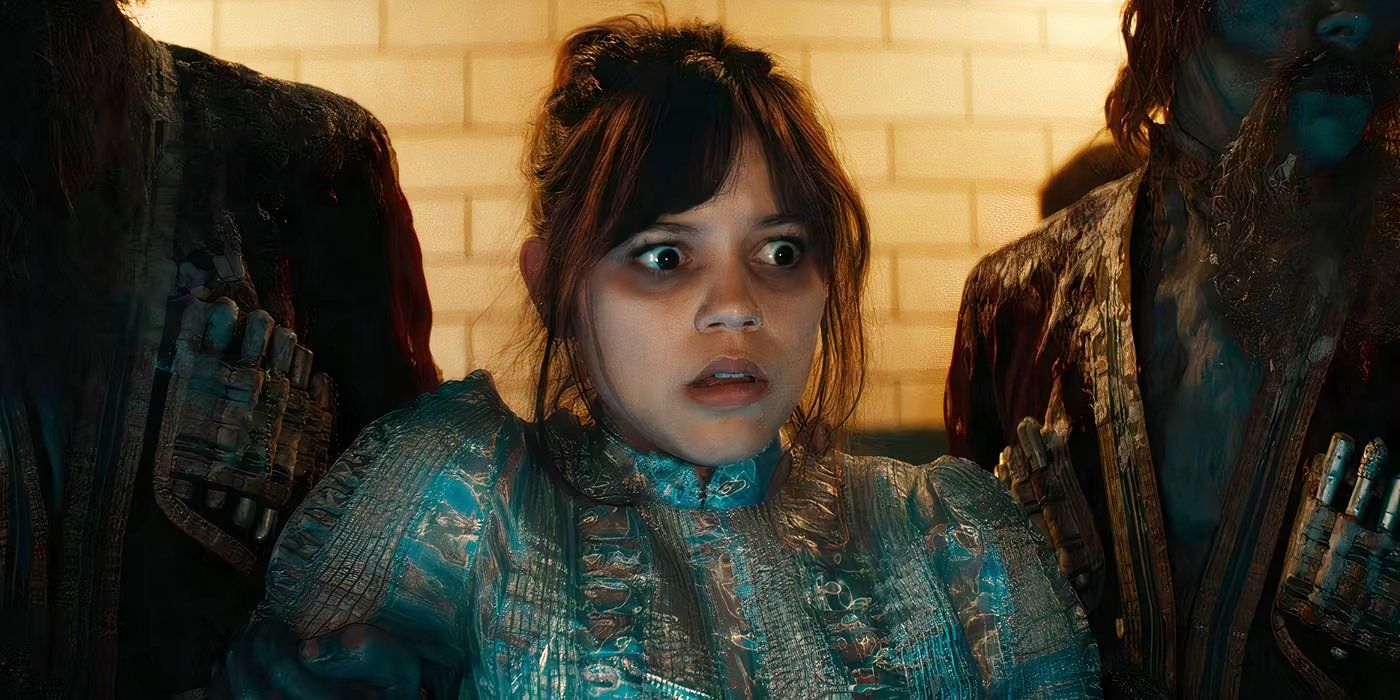
The sequel to Tim Burton’s 1988 cult classic, officially titled Beetlejuice Beetlejuice, was a definitive success because it masterfully synthesized generational nostalgia with modern star power and a return to tactile, practical filmmaking. Released in September 2024, the film grossed over $450 million globally, revitalizing the franchise and proving that legacy sequels can thrive when they prioritize the original’s unique aesthetic over generic modern trends.
The Box Office Triumph of Beetlejuice Beetlejuice
When evaluating whether a film is a success, the primary metric is often its commercial performance relative to its budget. Beetlejuice Beetlejuice did not just meet expectations; it shattered them. Against a production budget estimated at $100 million, the film’s domestic and international earnings represented a massive win for Warner Bros. Discovery.
The film’s opening weekend in North America brought in approximately $110 million, making it one of the biggest September openings in cinematic history. This was particularly notable because September is traditionally a "slow" month for theaters, often serving as a bridge between the summer blockbusters and the holiday season. By the end of its theatrical run, the film had surpassed $290 million domestically and over $450 million worldwide.
Several factors contributed to this financial dominance:
- The "Legacy Sequel" Trend: Audiences in the 2020s have shown a high propensity for returning to familiar worlds, provided the original cast is involved.
- Theatrical Exclusivity: Unlike many films of the early 2020s, Beetlejuice Beetlejuice enjoyed a robust theatrical window before moving to streaming services like Max, which helped build "event" status.
- Global Brand Recognition: While the original was a domestic hit, the brand had grown internationally over decades through home video, television, and the successful Broadway musical adaptation.
The "Jenna Ortega Effect" and Casting Synergy
One of the most critical components of the film's success was its casting strategy, which successfully bridged the gap between two very different demographics. While the return of Michael Keaton, Winona Ryder, and Catherine O’Hara secured the original fanbase (Gen X and older Millennials), the addition of Jenna Ortega brought in a massive younger audience (Gen Z).
Ortega, fresh off the success of the Netflix series Wednesday—which was also executive produced by Tim Burton—was the perfect choice to play Astrid Deetz, the daughter of Lydia Deetz. Her presence created a cultural bridge. To Gen Z, she is a definitive "scream queen" and a fashion icon; to older fans, she felt like a natural successor to Winona Ryder’s iconic "goth girl" persona from 1988.
Furthermore, the supporting cast added layers of prestige and quirkiness that fit the Burton "brand." Willem Dafoe’s performance as a ghost detective and Monica Bellucci as a soul-sucking villainess provided fresh energy to the Underworld sequences, ensuring the film didn't rely solely on rehashed gags from the first installment.
Tim Burton’s Return to Practical Effects
A significant portion of the critical praise directed at Beetlejuice Beetlejuice focused on its visual identity. In an era dominated by green screens and heavy CGI (Computer-Generated Imagery), Tim Burton made a conscious decision to return to the practical effects that defined his early career.
The use of puppets, animatronics, and hand-crafted sets gave the film a tangible, "crunchy" quality that resonated with audiences tired of the clinical look of modern superhero films. This dedication to craft served several purposes:
- Authenticity: It felt like a direct continuation of the 1988 film’s universe. The Underworld looked like a physical place rather than a digital background.
- Performance: Michael Keaton has famously stated that the use of practical effects allowed him to interact more naturally with his environment, leading to a more energetic and unhinged performance as Betelgeuse.
- Visual Interest: The "shrunken head" characters, the elaborate makeup for the "Soul Train" sequence, and the stop-motion animation elements provided a visual feast that rewarded multiple viewings.
Marketing and Cultural Timing
Success in the film industry is rarely just about the quality of the movie; it is also about the "when" and "how." Warner Bros. executed a marketing campaign that leaned heavily into the "Beetlejuice" aesthetic. The "Beetlejuice" color palette—lime green and black stripes—is instantly recognizable and was used across everything from fashion collaborations to themed food items (like the "Beetlejuice" Fanta).
The timing of the release was also strategic. By launching in early September, the film captured the "Spooky Season" momentum. As audiences began preparing for Halloween, Beetlejuice Beetlejuice became the centerpiece of the cultural conversation. It wasn't just a movie; it was a seasonal event. This positioning ensured that even as newer films were released, Beetlejuice Beetlejuice maintained strong "legs" at the box office throughout October.
Comparing the Original and the Sequel
To understand the scale of the sequel's success, it is helpful to look at how it compares to the 1988 original across several key metrics.
| Metric | Beetlejuice (1988) | Beetlejuice Beetlejuice (2024) |
|---|---|---|
| Director | Tim Burton | Tim Burton |
| Production Budget | ~$15 Million | ~$100 Million |
| Global Box Office | ~$74 Million | Over $450 Million |
| Critical Rating (RT) | 83% | 76-77% |
| Main New Cast Member | N/A | Jenna Ortega |
| Gap Between Films | N/A | 36 Years |
| Primary Visual Style | Practical / Stop-Motion | Practical / Minimal CGI |
Critical Reception and Audience Satisfaction
While the original film is a near-perfect cult classic, the sequel managed to satisfy both critics and general audiences—a difficult feat for any legacy sequel. The film currently holds a "Fresh" rating on Rotten Tomatoes and received a "B+" CinemaScore from opening-weekend audiences.
Critics praised Michael Keaton's ability to slip back into the role of the "Ghost with the Most" without missing a beat. Despite being in his 70s during filming, Keaton brought the same manic, sleazy energy to the character that he had in the 1980s. Catherine O’Hara’s Delia Deetz was also highlighted as a standout, providing much of the film’s sharpest satirical comedy regarding the modern art world and social media culture.
Audience satisfaction was driven by the film’s emotional core. While the first movie was primarily about the Maitlands (the deceased couple played by Alec Baldwin and Geena Davis), the sequel focused on the three generations of Deetz women. This shift toward a family-centric narrative gave the film more emotional weight, exploring themes of grief, mother-daughter tension, and the struggle to maintain one's identity.
Common Obstacles Overcome During Production
The success of Beetlejuice Beetlejuice was not guaranteed. The project had famously been in "development hell" for over three decades. Early iterations, such as the infamous Beetlejuice Goes Hawaiian script, failed to gain traction because the tone wasn't right.
The production also had to navigate:
- The 2023 SAG-AFTRA and WGA Strikes: Filming was interrupted for several months, which could have led to ballooning costs or a loss of momentum. However, the cast and crew remained committed, returning to finish the film as soon as the strikes were resolved.
- Replacing Key Characters: The absence of the Maitlands (Baldwin and Davis) was a concern for some fans. The script handled this by focusing entirely on the Deetz family and the expansion of the Underworld lore, which most viewers found to be a satisfying trade-off.
- High Expectations: Following up a "perfect" original is always a risk. By leaning into the weirdness rather than trying to make a "safe" four-quadrant blockbuster, Burton protected the integrity of the franchise.
Why Beetlejuice 2 Resonated in the 2020s
Looking back from the perspective of 2026, the success of Beetlejuice Beetlejuice can be seen as part of a larger shift in audience preferences. After years of serialized cinematic universes and interconnected lore, audiences in the mid-2024 period began gravitating toward standalone stories with strong directorial voices.
The film offered a "controlled chaos" that felt refreshing. It was irreverent, slightly grotesque, and visually inventive. It didn't set up a ten-movie roadmap; it simply told a story about a chaotic bio-exorcist and a dysfunctional family. This simplicity, combined with high-level execution, is why the film is remembered as one of the standout successes of its decade.
Frequently Asked Questions
Is there a third Beetlejuice movie planned after this success?
As of 2026, there has been no official confirmation of a third film. Tim Burton has notoriously been selective about his projects, and Michael Keaton has expressed that he would only return if the script and "practical effects" approach remained consistent. However, given the financial success of the second film, Warner Bros. is likely interested in continuing the brand in some capacity.
Why weren't the Maitlands (Alec Baldwin and Geena Davis) in the sequel?
The filmmakers decided to focus on the Deetz family narrative. Geena Davis has commented in interviews that "ghosts don't age," and since 36 years had passed, it would have been difficult to explain why the Maitlands looked older without using extensive (and potentially distracting) de-aging CGI, which would have gone against the film's "practical effects" philosophy.
Where can I watch Beetlejuice Beetlejuice?
Following its massive theatrical run in late 2024, the film became available for streaming on Max (formerly HBO Max). It is also available for purchase or rental on major digital platforms and has a popular 4K UHD and Blu-ray release that includes extensive behind-the-scenes features on the practical effects.
How much did Michael Keaton get paid for the sequel?
While exact salary figures are rarely disclosed publicly, industry reports suggest that the main cast received significant upfront paydays along with "back-end" participation, meaning they earned a percentage of the film's profits. Given the $450M+ gross, the return was likely very lucrative for the original stars.
Did the film win any awards?
The film received significant attention during the 2025 awards season, particularly in technical categories. It won several guild awards for Makeup and Hairstyling and Production Design, acknowledging the immense effort put into the practical creation of the Underworld and its inhabitants.
Final Verdict and Next Steps
The success of Beetlejuice Beetlejuice serves as a blueprint for how to handle legacy IP. It avoided the common pitfalls of "member-berries" (relying solely on cheap references) by introducing compelling new characters and expanding the world in a way that felt organic.
For fans who haven't yet revisited the franchise, the best next step is to watch the 1988 original and the 2024 sequel back-to-back. Observing the evolution of Tim Burton's style—and the consistency of Michael Keaton's performance—provides a fascinating look at the history of modern fantasy-comedy. For those interested in the business of film, the "Beetlejuice" case study remains a primary example of how counter-programming (releasing a "spooky" movie in September) and casting for generational overlap can result in a box-office juggernaut.