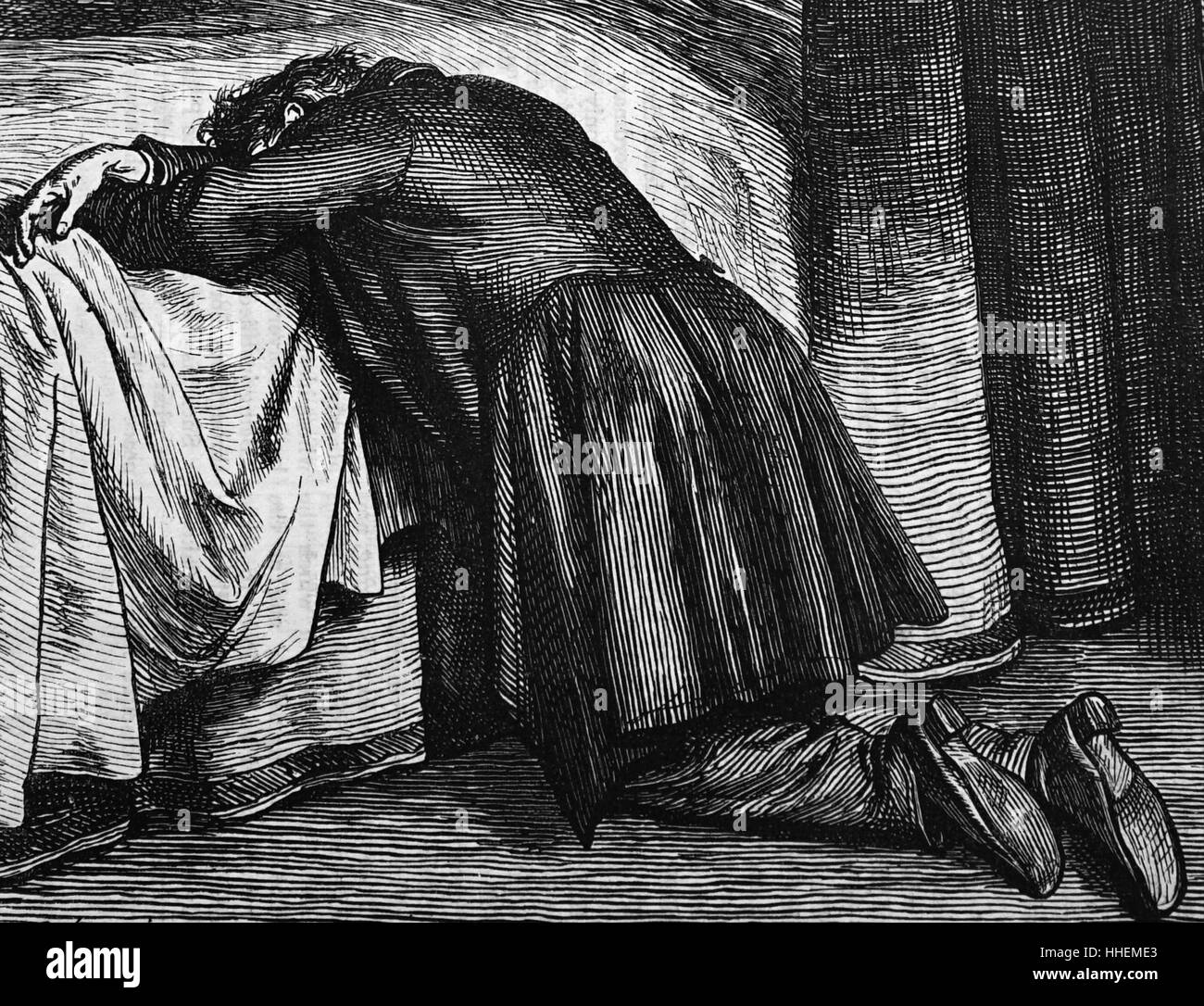
A widower is a man who has lost his spouse through death and has not remarried, occupying a distinct legal, social, and emotional status that shapes everything from estate administration to tax filing thresholds. This designation carries specific terminology, legal rights, and psychological dimensions that differ significantly from other marital dissolutions like divorce.
Etymology and Terminological Foundations
The word "widower" traces its roots back through Middle English and Old English, originating from Germanic roots related to being bereft or empty. Unlike many English terms that are gender-neutral by default, the English language maintains a distinct grammatical gender split for the surviving spouse: a woman who loses her husband is a widow, while a man who loses his wife is a widower.
Understanding this distinction is not merely a matter of linguistic precision; it often impacts historical documentation, genealogical research, and legal definitions. In legal and administrative contexts, the broader term "surviving spouse" is frequently preferred to ensure gender-neutral statutory application. However, "widower" remains deeply embedded in social nomenclature, literature, and insurance or pension documentation.
The state of widowhood is distinct from divorce or separation. While a divorce dissolves a marriage through a legal decree, widowhood is initiated by the death of a partner. This distinction fundamentally alters the legal framework governing inheritance, property rights, survivor benefits, and tax liabilities. A widower retains certain rights derived from the marital union that a divorced individual forfeits upon the finalization of a divorce decree.
Legal, Financial, and Administrative Realities
When a man becomes a widower, he immediately enters a complex web of legal, financial, and administrative duties. Navigating these requirements demands careful attention to detail during a period of acute personal grief.
Estate Administration and Probate
The immediate legal consequence of losing a spouse involves managing the deceased partner's estate. If the wife left a valid will, the widower is often named as the executor, responsible for shepherding the estate through probate. If she died intestate (without a will), state intestacy laws dictate how property and assets are distributed between the surviving spouse and any children or other relatives.
- Title Transfers: Deeds to real estate held in joint tenancy with right of survivorship typically transfer automatically to the surviving widower, though a new deed or affidavit of death must often be recorded with the local land registry.
- Financial Accounts: Bank accounts, investment portfolios, and credit cards held jointly require formal notification of death, accompanied by certified copies of the death certificate, to remove the deceased spouse's name or transfer sole ownership.
- Debts and Liabilities: A widower's liability for his late wife's debts depends heavily on jurisdiction, whether debts were individual or joint, and community property laws. In community property states, debts incurred during the marriage are often shared, whereas separate debts remain the sole responsibility of the deceased's estate.
Tax Status and Survivor Benefits
Tax laws in many jurisdictions provide specific provisions for surviving spouses to mitigate the sudden financial shock of losing a primary or secondary income.
| Tax/Benefit Category | Description | Key Consideration |
|---|---|---|
| Qualifying Surviving Spouse | A tax filing status allowing a widower with a dependent child to use married filing jointly tax rates for up to two years following the year of death. | Must maintain a home that is the principal residence of a dependent child and meet specific support tests. |
| Social Security Survivor Benefits | Monthly financial benefits provided to surviving spouses based on the deceased worker's earnings record. | Widowers can typically begin collecting reduced benefits at age 60 (or 50 if disabled), or full benefits at full retirement age. |
| Pension and Retirement Accounts | Inherited IRAs, 401(k)s, or defined-benefit pensions belonging to the deceased wife. | Withdrawal rules vary significantly; spouses often have options to roll over funds into their own accounts or take distributions under specific timelines. |
Psychological and Social Dimensions
The transition from a married man to a widower involves profound psychological adjustments. Sociological research frequently highlights that older widowers may face distinct challenges regarding social isolation and health outcomes compared to their female counterparts.
Men socialized under traditional gender norms may rely heavily on their spouses for emotional support, healthcare management, and maintenance of social networks. Consequently, the loss of a wife can precipitate a sharp decline in a widower's daily social interaction. Grief counseling, bereavement support groups, and community outreach programs designed specifically for surviving spouses play a critical role in mitigating prolonged grief disorder and fostering psychological resilience.
Furthermore, the social perception of widowers differs across cultures. While societal sympathy is universally extended upon the death of a spouse, the timeline and expectations for remarriage or emotional recovery can vary. Understanding these psychosocial dynamics is essential for friends, family members, and healthcare professionals supporting a widower through his bereavement.
Frequently Asked Questions
What is the legal difference between a widower and a divorced man?
A widower is a man whose marriage ended due to the death of his spouse, whereas a divorced man's marriage was legally dissolved by a court. This difference affects inheritance rights, Social Security benefits, pension eligibility, and tax filing statuses, as widowers retain specific legal claims derived from the marital union that do not apply after a divorce.
Can a widower collect his deceased wife's Social Security benefits?
Yes, a widower may be eligible for Social Security survivor benefits based on his late wife's earnings record. Generally, a widower can begin receiving reduced benefits at age 60 (or age 50 if he has a qualifying disability), or full retirement benefits once he reaches his full retirement age, provided the marriage lasted at least nine months in most standard circumstances.
How long does a man remain a widower?
Technically and socially, a man is considered a widower for the remainder of his life unless he remarries. However, in administrative contexts such as tax filing, special statuses like "Qualifying Surviving Spouse" expire after a specific timeframe—typically two tax years following the year of the spouse's death, provided certain dependency requirements are met.
What is a "Qualifying Surviving Spouse" tax status?
This is a specialized IRS tax filing status in the United States that allows an eligible widower to utilize the tax brackets and standard deduction amounts of a married couple filing jointly. To qualify, the widower must have a dependent child, must not have remarried during the tax year, and must have paid more than half the cost of maintaining the household.
How should friends and family support a newly bereaved widower?
Practical support is often most effective during acute grief. Rather than offering open-ended assistance ("Let me know if you need anything"), supporters can offer specific help, such as preparing meals, assisting with household maintenance, handling administrative phone calls, or simply providing a consistent, non-judgmental presence over the long term.
Next Actions and Resource Navigation
For individuals navigating the immediate aftermath of losing a spouse, prioritizing essential administrative tasks while deferring major life-altering decisions is a widely recommended approach by estate attorneys and grief counselors. Securing multiple certified copies of the death certificate is the immediate first step required for closing accounts, filing insurance claims, and initiating probate. Consulting with a certified financial planner, an estate attorney, and a qualified tax professional will ensure that all survivor benefits, tax elections, and asset transfers are executed correctly within statutory time limits.