Navigating the life insurance market can feel overwhelming, but highly stable, trustworthy companies with stellar financial ratings, strong customer satisfaction scores, and proven track centuries of claims-paying history do exist. To identify them, you must examine independent financial strength ratings, regulatory complaints, policy types, and corporate stability metrics rather than relying on marketing claims alone.
Understanding Life Insurance Trustworthiness in 2026
When consumers ask whether there are good life insurance companies they can trust, the underlying concern is counterparty risk: the fear that an insurance provider might become insolvent, deny legitimate claims, or hike premiums unfairly decades after a policy is purchased. Life insurance is a uniquely long-term financial contract. Unlike auto or property insurance, which renews annually, a permanent life insurance policy or even a multi-decade term life policy requires a relationship that can span 30, 40, or 50 years.
Fortunately, the insurance sector is heavily regulated at the state level in the United States, and carriers must adhere to strict capitalization requirements. Trustworthy companies distinguish themselves not just through flashy advertisements or low initial quotes, but through consistent financial stability, conservative investment portfolios, transparent policy language, and a historical commitment to treating policyholders fairly. Establishing trust requires looking past digital user interfaces and examining the bedrock financial health of the corporation backing the promise.
Core Indicators of a Reliable Life Insurance Company
To separate dependable carriers from risky ventures, industry experts rely on a combination of objective data points. These metrics offer a transparent window into an insurer's operational health, claims-paying ability, and regulatory standing.
Independent Financial Strength Ratings
The most reliable indicator of an insurer's trustworthiness is its financial strength rating (FSR) issued by independent credit rating agencies. These agencies evaluate an insurer’s cash reserves, investment quality, asset leverage, and overall ability to meet long-term obligations to policyholders.
- A.M. Best: The gold standard in insurance rating, focusing strictly on the financial health of insurance companies. Look for ratings of A (Excellent) or higher.
- Standard & Poor’s (S&P) and Moody’s: Broad financial institutions that assess overall corporate creditworthiness and debt-paying capacity.
- Fitch Ratings: Evaluates structural stability and risk management practices within the insurance sector.
State Regulatory Standing and Complaint Indexes
Insurance is regulated primarily at the state level through departments of insurance. The National Association of Insurance Commissioners (NAIC) tracks consumer complaints filed against insurance companies across all jurisdictions.
Every company has an NAIC complaint index, which establishes a baseline of 1.00. A score below 1.00 indicates that the company receives fewer complaints than expected for its size and market share, while a score above 1.00 signals a higher-than-average volume of grievances. Reviewing these multi-year trends helps identify carriers with systemic customer service issues or delayed claims processing.
Longevity and Mutual Ownership Structures
A company's operational history provides context for its stability through economic recessions, wars, and high-inflation cycles. Many of the most trusted life insurance companies have been in business for over 150 years. Furthermore, many elite carriers operate as mutual companies. Unlike publicly traded stock companies that answer to shareholders and quarterly profit pressures, mutual companies are owned by their policyholders. This alignment of interest often translates into more conservative financial management and more reliable dividend payments on permanent life insurance products.
Common Types of Life Insurance Policies and Issuer Reliability
Trustworthiness also depends on how well a carrier manages specific product lines. Not all companies excel at every type of coverage.
| Policy Type | Primary Purpose | Reliability Considerations |
|---|---|---|
| Term Life Insurance | Affordable protection for a set term (e.g., 10, 20, or 30 years). | Straightforward underwriting; lower financial risk for the carrier. |
| Whole Life Insurance | Lifetime coverage with guaranteed cash value growth and fixed premiums. | Requires exceptional long-term investment management by the insurer. |
| Universal Life | Flexible premiums and adjustable death benefits with cash value. | Sensitive to interest rate shifts and historical crediting rates. |
When evaluating a carrier for term life insurance, look for conversion options that allow you to transition to a permanent policy without new medical exams. For permanent policies like whole life or universal life, investigate the carrier's historical dividend scale performance or interest crediting history to ensure their projections are realistic.
Evaluating Customer Experience and Claims-Paying History
Financial strength alone does not guarantee a smooth customer experience. A truly trustworthy insurance company must excel in policy administration, underwriting transparency, and efficient claims payout.
The Underwriting and Medical Exam Process
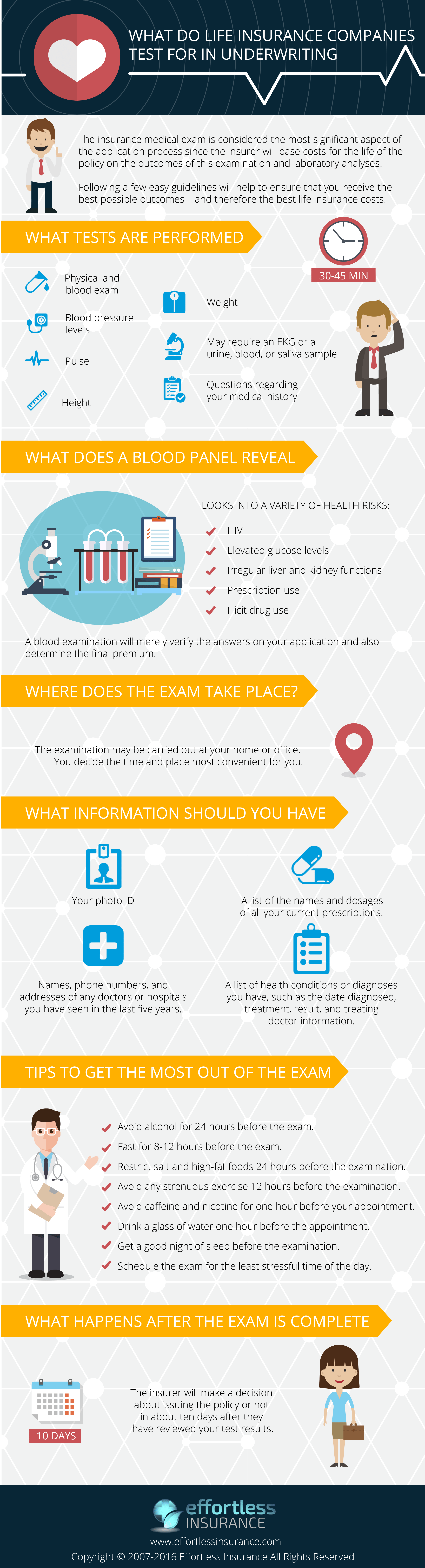
Trustworthy carriers maintain clear, transparent underwriting guidelines. Whether you undergo an accelerated underwriting process (which may use big data and prescription databases instead of a physical exam) or traditional medical underwriting, the requirements should be clearly communicated upfront. Shady operations often use vague health conditions to reclassify applicants into higher-cost tiers late in the approval process.
Claims Resolution and Payout Speed
The ultimate test of a life insurance company occurs when a claim is filed. Reputable companies streamline the beneficiary notification and verification process, often requiring only a certified death certificate and a completed claim form to disburse funds. Look for carriers with high claims-payout ratios and minimal litigation rates involving denied beneficiaries.
Steps to Verify and Select a Trustworthy Carrier
Navigating the marketplace requires a methodical approach. Follow these steps to ensure the company you choose is rock-solid:
- Check the State Insurance Commissioner's Website: Verify that the company is licensed to operate in your state of residence. State guaranty associations provide a safety net if an insurer fails, but coverage limits vary by jurisdiction.
- Pull A.M. Best Ratings: Access the A.M. Best website or search the insurer's investor relations page to confirm an active financial strength rating of A or higher.
- Review NAIC Complaint Ratios: Check the National Association of Insurance Commissioners consumer information source to ensure the carrier's complaint index is at or below the national average.
- Consult Independent Financial Advisors: Speak with an independent insurance broker who represents multiple carriers rather than a captive agent tied to a single brand. Independent brokers can compare financial ratings and product pricing across top-tier institutions objectively.
- Examine Policy Spec Sheets: Request a detailed policy illustration that shows guaranteed versus non-guaranteed values, especially for permanent insurance policies where cash accumulation is a primary objective.
Frequently Asked Questions
What happens to my life insurance policy if the company goes bankrupt?
If a life insurance company becomes insolvent, state insurance regulators step in to manage the rehabilitation or liquidation of the firm. Typically, failing companies are acquired by healthier competitors, or policies are transferred to state life and health insurance guaranty associations. These associations generally guarantee death benefits up to statutory limits (often $300,000 in life insurance death benefits and $100,000 in cash surrender values per individual), though limits vary by state.
Are mutual life insurance companies safer than stock companies?
Mutual companies are often viewed as exceptionally stable because they are owned by policyholders, eliminating pressure from Wall Street stockholders to prioritize short-term profits over long-term financial reserves. However, many publicly traded stock companies also maintain top-tier financial ratings and conservative balance sheets. Financial strength ratings matter more to safety than corporate structure alone.
How do I know if an online life insurance startup is trustworthy?
Many modern insurtech startups offer streamlined digital applications and rapid approvals. To determine if they are trustworthy, look past the user interface to identify the underlying "paper" company—the actual licensed insurance carrier underwriting and backing the policy. If a tech startup partners with an established, A.M. Best "A"-rated carrier with a century-long track record, your policy enjoys the financial backing of that established institution.
Can a life insurance company cancel my policy after I buy it?
For guaranteed level-term and whole life insurance policies, the insurer cannot cancel your coverage as long as you pay your premiums on time. The contract is legally binding. However, certain types of adjustable or term policies may expire at the end of their term, or universal life policies can lapse if the cash value drops too low to cover internal administrative fees and mortality charges.
Do independent insurance brokers cost more than buying direct?
No. Insurance companies set their rates based on regulatory filings and actuarial tables, meaning the price for a specific policy is generally identical whether you purchase it directly from the carrier, through a captive agent, or via an independent broker. Brokers are compensated through commissions paid by the insurance company out of its standard operational overhead.
Next Actions for Secure Coverage
To protect your family and financial future, begin by listing your coverage needs, desired term lengths, and budget parameters. Contact an independent financial professional or utilize official state insurance resources to vet at least three highly rated carriers using the criteria outlined above. Request formal quotes and policy illustrations from each, comparing not only the premium costs but also the underlying financial strength ratings and historical customer service metrics before signing a contract.