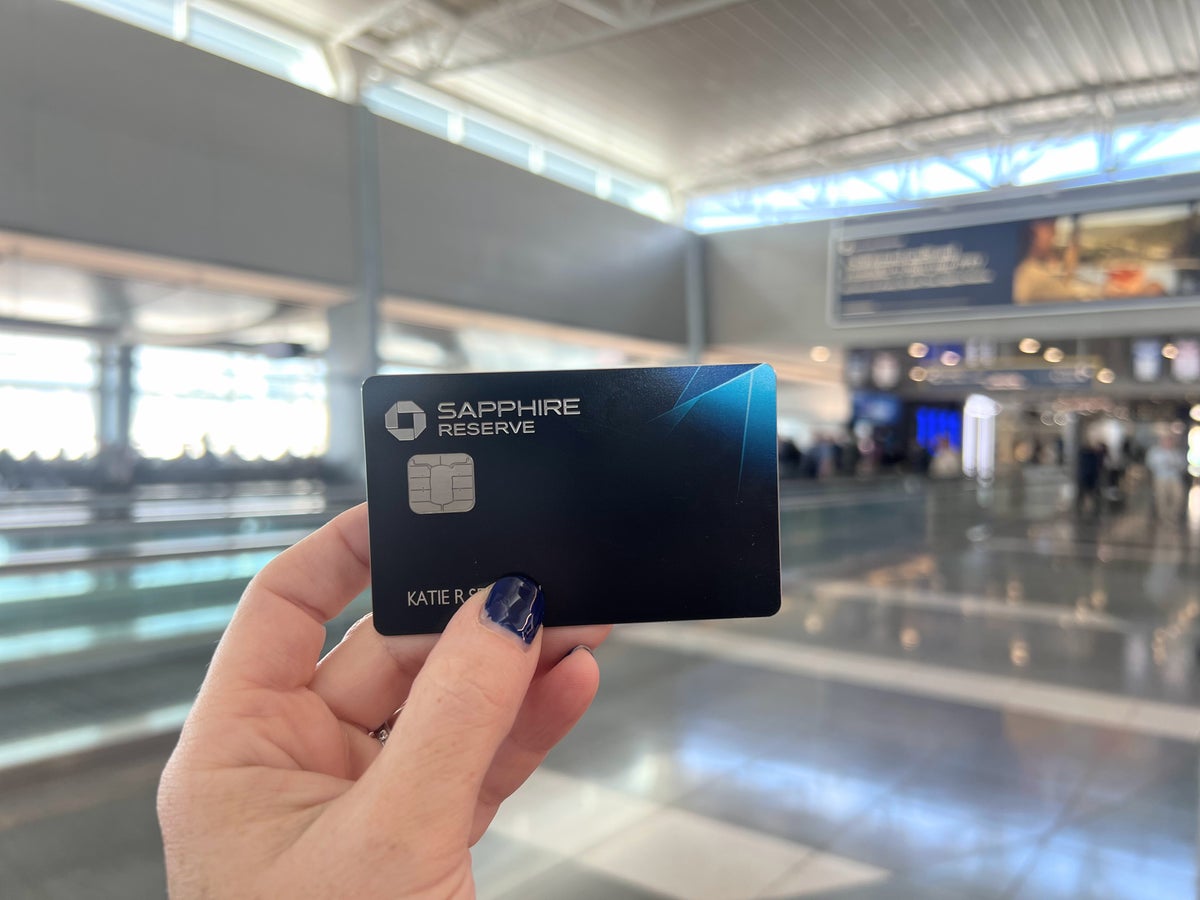
The most effective alternative to the Chase Sapphire Reserve for frequent travelers is the Capital One Venture X Rewards Credit Card. It offers a lower annual fee of $395, a simplified 2x miles earning rate on all purchases, a $300 annual credit for bookings through Capital One Travel, and 10,000 bonus miles every anniversary, effectively offsetting the entire cost of card membership.
For nearly a decade, the Chase Sapphire Reserve (CSR) has been the benchmark for premium travel credit cards. However, as we move through 2026, the landscape of travel rewards has shifted. Changes in lounge access policies, increasing annual fees, and the evolution of transfer partner networks have led many frequent flyers to seek "solid" alternatives that provide similar—or superior—value without the $550 price tag or the specific constraints of the Chase ecosystem.
Whether you are looking for better lounge variety, higher base earning rates, or more straightforward redemption options, several premium and "ultra-premium" cards now challenge the Sapphire Reserve’s dominance. Choosing the right one requires a deep dive into how you spend, where you fly, and how much effort you are willing to put into maximizing your rewards.
Understanding the Chase Sapphire Reserve Value Proposition
Before selecting an alternative, it is vital to identify exactly what features you are looking to replace. The Chase Sapphire Reserve is popular because of a specific "trifecta" of benefits:
- High-Value Redemptions: The ability to redeem points for 1.5 cents each through the Chase Travel portal.
- Flexible Travel Credit: A $300 annual travel credit that is automatically applied to a wide range of travel-related expenses, from airfare to parking garages.
- The Hyatt Connection: Chase is currently the only major issuer with World of Hyatt as a 1:1 transfer partner, which is widely considered the most valuable hotel loyalty currency.
If your travel patterns rely heavily on these three pillars, your alternative must either match them or offer a different benefit that outweighs their loss.
The Premier Alternative: Capital One Venture X Rewards Credit Card
For the vast majority of frequent travelers, the Capital One Venture X is the most logical successor to the Sapphire Reserve. Launched as a direct competitor, it has maintained its position in 2026 by offering a simplified, high-value experience.
The "Negative" Effective Annual Fee
The Sapphire Reserve has a $550 annual fee, which is offset by a $300 credit, leaving a $250 "effective" fee. The Venture X costs $395. However, it provides a $300 annual credit for use specifically within the Capital One Travel portal and 10,000 anniversary miles (worth at least $100). When combined, these benefits technically pay the user $5 to hold the card, provided they travel at least once a year.
Simplified Earning and Redemptions
Unlike the CSR, which earns 3x points on travel and dining and 1x on everything else, the Venture X earns 2x miles on every purchase. For travelers who do not want to manage multiple cards to "maximize categories," the 2x base rate often results in a higher total point balance at the end of the year.
Lounge Access Evolution
While Chase has been expanding its "Sapphire Lounge by The Club" network, Capital One has been equally aggressive. Venture X cardholders receive unlimited access to Capital One Lounges, which are frequently cited for superior food and beverage programs compared to standard domestic lounges. They also receive a full Priority Pass membership and access to Plaza Premium Lounges.
The Luxury Powerhouse: The American Express Platinum Card
If your goal is not to save money on the annual fee but to increase the level of luxury and service, the American Express Platinum Card remains the primary alternative. By 2026, the Amex Platinum has solidified its role as the "lifestyle and lounge" card.
Superior Lounge Network
The "Global Lounge Collection" offered by American Express is significantly more robust than Chase’s offering. It includes the prestigious Centurion Lounges, Delta SkyClubs (when flying Delta), and over 1,400 Priority Pass locations. For travelers who value a quiet space and premium amenities at almost any major airport globally, Amex is the clear winner.
Status and Protections
The Platinum card offers immediate Gold Status with both Marriott Bonvoy and Hilton Honors, a benefit the Sapphire Reserve lacks. Furthermore, its travel insurance suite, including Trip Cancellation and Interruption Insurance, matches the CSR’s industry-leading standards.
The "Coupon Book" Challenge
The main drawback of the Amex Platinum as an alternative is its complexity. To justify the $695 annual fee, cardholders must utilize a series of credits (Uber, digital entertainment, Saks Fifth Avenue, etc.). For the frequent traveler who wants a "set it and forget it" card, this can feel like a chore compared to the Sapphire Reserve’s automatic credits.
The Specialized Alternative: Bilt World Elite Mastercard
A unique contender that has gained massive traction by 2026 is the Bilt World Elite Mastercard. While it does not have a high annual fee (it currently has $0 annual fee), it serves as a "solid alternative" for a specific subset of travelers: high-earning renters.
The Hyatt and American Airlines Link
Bilt is the only other major program that has historically offered transfers to World of Hyatt. Furthermore, for travelers who value domestic airline transfers, Bilt’s partnership with American Airlines (which Chase lacks) makes it a powerful tool for those living in AA hub cities like Dallas, Charlotte, or Miami.
Rent as a Travel Strategy
For travelers who spend significantly on rent, the ability to earn 1x points on rent payments (up to 100,000 points per year) without a transaction fee is a game-changer. When paired with its 3x dining and 2x travel categories, it mimics the CSR’s earning structure without the premium cost.
Comparing the Top 2026 Travel Card Alternatives
The following table compares the essential metrics for travelers looking to move away from the Chase Sapphire Reserve.
| Feature | Chase Sapphire Reserve | Capital One Venture X | Amex Platinum | Bilt Mastercard |
|---|---|---|---|---|
| Annual Fee | $550 | $395 | $695 | $0 |
| Base Earning Rate | 1x points | 2x miles | 1x points | 1x points |
| Travel Credit | $300 (Any travel) | $300 (Portal only) | $200 (Airline fees) | None |
| Primary Rental Insurance | Yes | Yes | No (Secondary) | No |
| Key Transfer Partners | Hyatt, United, Southwest | Aeroplan, Avios, Turkish | Delta, Hilton, ANA | Hyatt, AA, Alaska |
| Lounge Access | Priority Pass, Sapphire | Priority Pass, Cap1, Plaza | Centurion, SkyClub, PP | None (unless elite) |
Strategic Considerations: When to Make the Switch
Choosing an alternative is not just about the card itself; it is about the transferable points ecosystem.
The Insurance Gap
One of the most overlooked "solid" features of the Sapphire Reserve is its Primary Auto Rental Collision Damage Waiver. Most credit cards offer "secondary" insurance, meaning you must file with your personal insurance company first. The Capital One Venture X is one of the few alternatives that also offers Primary coverage. If you rent cars frequently for travel, moving to a card with only secondary coverage (like the Amex Platinum) could be a significant step backward in terms of financial protection.
Transfer Partner Utility
Before switching, audit your last three years of redemptions.
- If you primarily stay at Hyatt hotels, the Venture X and Amex Platinum will be disappointing, as they do not transfer to Hyatt. You would need to look at Bilt or simply downgrade your CSR to a Sapphire Preferred.
- If you primarily book International Business Class, the Amex Platinum or Venture X might actually be superior due to their relationships with ANA, Turkish Airlines, and Air Canada Aeroplan, which often offer better "sweet spot" redemptions than Chase’s partners.
Portal Reliance vs. Booking Direct
The Sapphire Reserve allows for 1.5 cents per point redemption in the Chase portal, which is a safety net for when award space isn't available. The Venture X also has a strong portal, but its $300 credit is locked to that portal. If you prefer booking directly with airlines to maintain elite status credits or have more control over your reservation during delays, the Venture X’s portal requirement might be a point of friction.
Financial Advice Limitation
This guide provides an analysis of credit card features and rewards programs for informational purposes. It does not constitute formal financial, legal, or tax advice. Credit card terms, interest rates (APR), and benefit structures can change frequently. Consumers should review the specific Cardmember Agreement and "Schumer Box" provided by the issuer before applying for any financial product. Your credit score and financial history will determine eligibility.
Frequently Asked Questions
Is the Capital One Venture X really better than the Sapphire Reserve in 2026?
"Better" depends on your spending habits. For most users, the Venture X is more cost-effective because its annual credits completely cover the annual fee. However, if you value the 1.5-cent portal redemption or Hyatt transfers, the Sapphire Reserve remains the stronger choice despite the higher cost.
Can I have both the Sapphire Reserve and an alternative?
Yes, many travelers "bridge" ecosystems. A common strategy in 2026 is to hold the Capital One Venture X for daily 2x spending and lounge access, while keeping a lower-tier Chase Sapphire Preferred ($95 fee) to maintain access to Chase’s transfer partners like Hyatt.
Does the Amex Platinum offer primary rental car insurance like the CSR?
No. By default, the American Express Platinum offers secondary coverage. To get primary coverage on an Amex card, you typically have to pay an additional flat fee per rental period through their optional "Premium Car Rental Protection" program. This is a key advantage for the Sapphire Reserve and Venture X.
What happens to my Chase points if I close the card for an alternative?
If you close your Sapphire Reserve without another "premium" Chase card (like the Sapphire Preferred or Ink Business Preferred), you will lose the ability to transfer points to partners. You should either transfer your points to a partner airline/hotel before closing or "downgrade" the card to a no-fee Chase Freedom card to keep the points active until you can move them later.
Which card is best for lounge access if I travel with a large family?
The Capital One Venture X is often cited as the best for families because it allows you to add up to four authorized users for free (as of early 2026 regulations), and those authorized users get their own lounge access benefits. The Amex Platinum charges a significant fee for each authorized user.
Final Recommendation for Frequent Travelers
If you are a frequent traveler looking for a solid, high-value alternative to the Chase Sapphire Reserve in 2026, start by evaluating the Capital One Venture X. Its combination of a $395 annual fee, $300 travel credit, and 10,000 anniversary miles makes it the most mathematically sound choice for the average traveler.
However, if your travel is defined by luxury airport experiences and high-end hotel stays, the American Express Platinum is the better pivot, provided you are willing to manage its various monthly credits. For those who are "loyal to the points" but tired of the CSR fee, the most effective move is often a "downgrade" to the Chase Sapphire Preferred, paired with a Bilt Mastercard to cover the Hyatt and American Airlines transfer gaps.