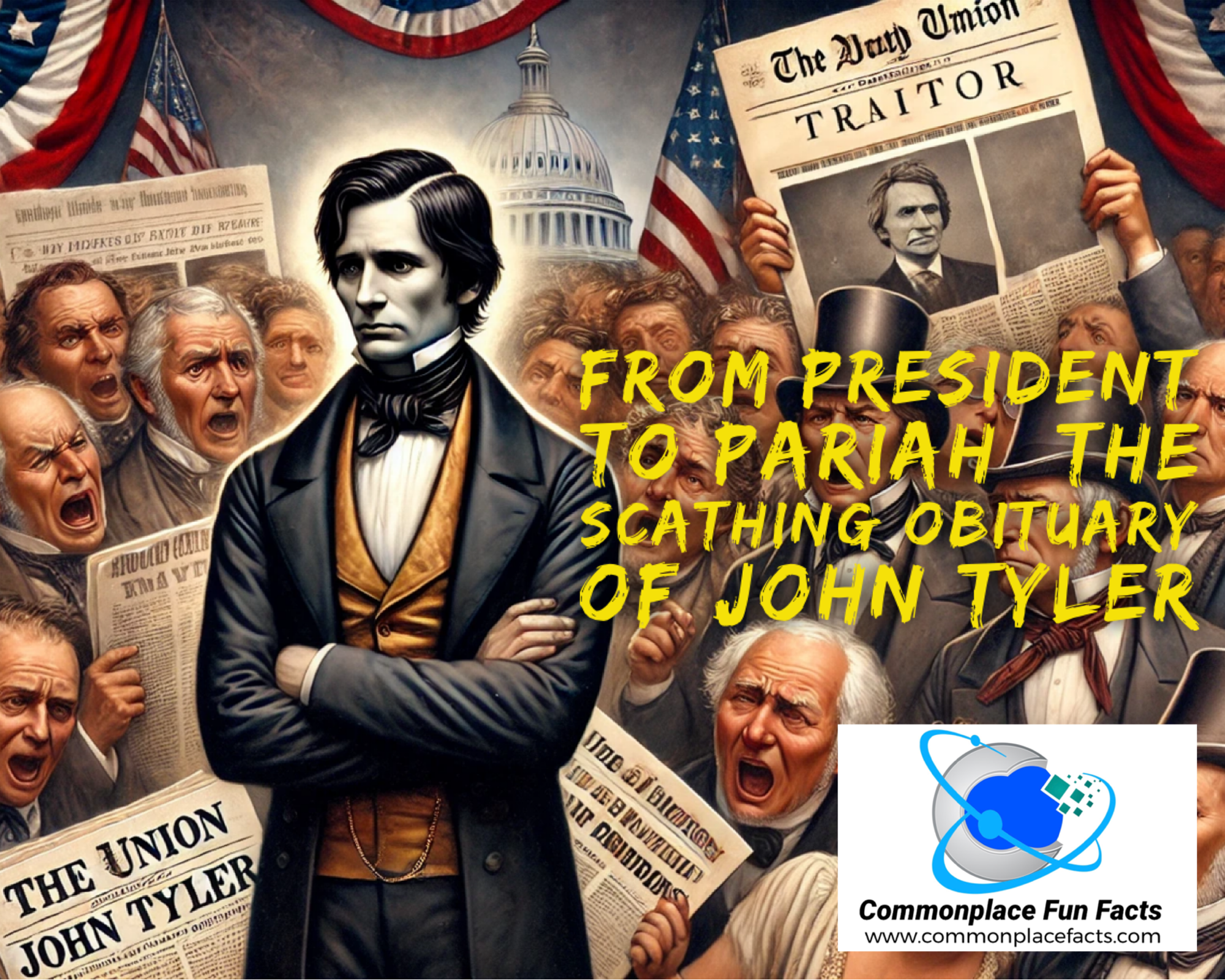
A scathing obituary is a public, written record of a deceased individual that intentionally focuses on their failures, moral transgressions, or harmful impact on others, rather than traditional praise. While formal death notices are typically commemorative, these pieces serve as a final exercise in accountability, catharsis, or the preservation of a perceived historical truth, often challenging the societal expectation that the dead must be spoken of only in positive terms.
The Evolution of the Obituary from Eulogy to Critique
Historically, the obituary has functioned as a sanitized vessel for legacy preservation. In the mid-20th century, newspapers maintained strict editorial guidelines that prioritized the family’s wishes, effectively filtering out anything that could be considered libelous or overly inflammatory. By 2026, the digital landscape has fundamentally altered this tradition. Self-publishing platforms, social media, and niche websites have democratized the ability to publish death notices, allowing for the emergence of the "scathing obituary" as a distinct genre of personal commentary.
Unlike a standard news report, which relies on neutral language and verified facts provided by next-of-kin, a scathing obituary is a highly subjective narrative. It often addresses grievances that were suppressed during the subject's life. The primary intent is rarely information dissemination; rather, it is the performance of closure for those who felt silenced by the deceased. Whether intended as a warning to others or a personal release, these texts prioritize raw honesty over social decorum.
Editorial and Ethical Thresholds in Print
The transition from a private grievance to a public, scathing account involves navigating significant ethical and legal landscapes. From an editorial standpoint, traditional media outlets remain highly resistant to publishing vitriolic obituaries due to the high risk of defamation litigation. In many jurisdictions, while the dead cannot be defamed, the surviving family members can sue for "false light" or emotional distress if the claims made in the text are demonstrably false and malicious.
In 2026, the distinction between a "scathing" piece and "hate speech" or "harassment" remains a critical point of concern for digital platforms. Most Terms of Service agreements differentiate between a critique of a person’s actions and prohibited targeted abuse. If you are drafting such a document, distinguish between:
- Actionable critique: Focusing on documented behaviors, such as public corruption, professional negligence, or historical accounts of abuse.
- Malicious invective: The use of slurs or unsubstantiated attacks that serve no public interest.
Distinguishing Motives: Why Write a Scathing Obituary?
Understanding the primary intent behind these documents is essential for anyone attempting to draft or analyze one. Researchers often categorize the motives into three distinct segments:
- Accountability: The subject held power or influence, and their actions had a negative impact on a community. The obituary serves to ensure the historical record includes these failures.
- Psychological Catharsis: The writer has been personally victimized by the deceased and uses the obituary to reclaim their narrative, formally ending the victim-abuser dynamic.
- Warning: A didactic approach, where the writer uses the subject's life as a cautionary tale for the living, highlighting the consequences of their specific vices or life choices.
Key Considerations Before Drafting
Before proceeding with the composition of a highly critical obituary, consider the potential fallout. A public attack can inadvertently shift public sympathy toward the deceased and their family, regardless of the validity of the claims.
| Feature | Standard Obituary | Scathing Obituary |
|---|---|---|
| Primary Goal | Memorialization | Record of harm/Truth-telling |
| Tone | Reverent and factual | Critical and interpretive |
| Audience | Community and family | Victims, historians, and the public |
| Legal Risk | Minimal | High (if libelous/harassing) |
| Tone of voice | Passive and formal | Active and confrontational |
Strategic Risks and Operational Limitations
The most significant limitation of a scathing obituary is its permanence versus its credibility. In the digital age, a searchable, hostile document may appear at the top of a subject’s search results for decades. While this may be the author's intention, it also renders the author vulnerable to counter-narratives from other family members or associates.
If you choose to write one, consider the Verification Gate. If the claim is not supported by public records, court documents, or credible news archives, it is a statement of opinion. If the article presents opinions as objective facts, it loses credibility and increases the author’s risk profile. Always maintain copies of any source material—such as police reports, business records, or documented correspondence—that support the assertions made within the text.
Navigating the Public Response
Once published, a scathing obituary frequently invites a bifurcated response. Proponents will often praise the "courage" required to break the silence, while critics will argue that it displays a lack of "decency" or "grace." As an author, you must be prepared to defend the content against these criticisms without engaging in further, impulsive arguments.
The most effective scathing obituaries are those that maintain a controlled, icy, and evidence-based tone. Emotional outbursts, capitalization, and inflammatory adjectives often undermine the message. By focusing on the "what" and "how" of the subject's actions, the document becomes a credible historical critique rather than a mere temper tantrum. If the reader feels manipulated by raw anger, they are less likely to accept the author's claims as truth.
FAQ: Common Questions Regarding Critical Obituaries
1. Is it legal to write a negative obituary? Generally, yes. Truth is an absolute defense against libel, and in most legal systems, the deceased do not have a right to reputation. However, you must avoid making false claims that damage the reputation of living family members, which could lead to civil litigation.
2. Can I be sued for writing a scathing obituary? Yes. Even if the claims are true, you can be sued for harassment or emotional distress if your intent is deemed malicious and causes quantifiable damage to the reputation of living parties. Consult legal counsel if you are writing about a public figure with living relatives who might claim injury.
3. Will a major newspaper publish a critical obituary? Extremely rarely. Most established news organizations require obituaries to meet specific editorial standards. They generally do not act as forums for personal vendettas. You are more likely to see these published on personal blogs, independent websites, or social media platforms.
4. How do I make a critical obituary credible? Focus on evidence. Use specific dates, locations, and verifiable events. Avoid hyperbole and personal insults. The stronger the evidentiary backing for your claims, the more difficult it is for readers to dismiss the piece as mere bitterness.
5. Is there a "right time" to publish? Timing is a strategic decision. Publishing immediately upon death is often seen as more aggressive and impulsive. Allowing a period of reflection can help the author refine the tone, ensuring that the piece remains an effective critique rather than an emotional release.
Final Guidance for Authors
If your goal is to hold a public figure or a private individual accountable through an obituary, prioritize precision over passion. Begin by outlining the specific events or actions that necessitate such a document. Separate your emotional response from the objective facts. Draft the document with the assumption that it will be read by legal experts or those with a vested interest in the subject's reputation.
A scathing obituary should stand on its own as a record of reality. Ensure your language is clinical and precise, acknowledging the gravity of the subject matter without descending into ad hominem attacks. If the document can survive the scrutiny of an objective reader who did not know the deceased, you have successfully transitioned from a personal venting exercise to a meaningful, albeit biting, historical account.