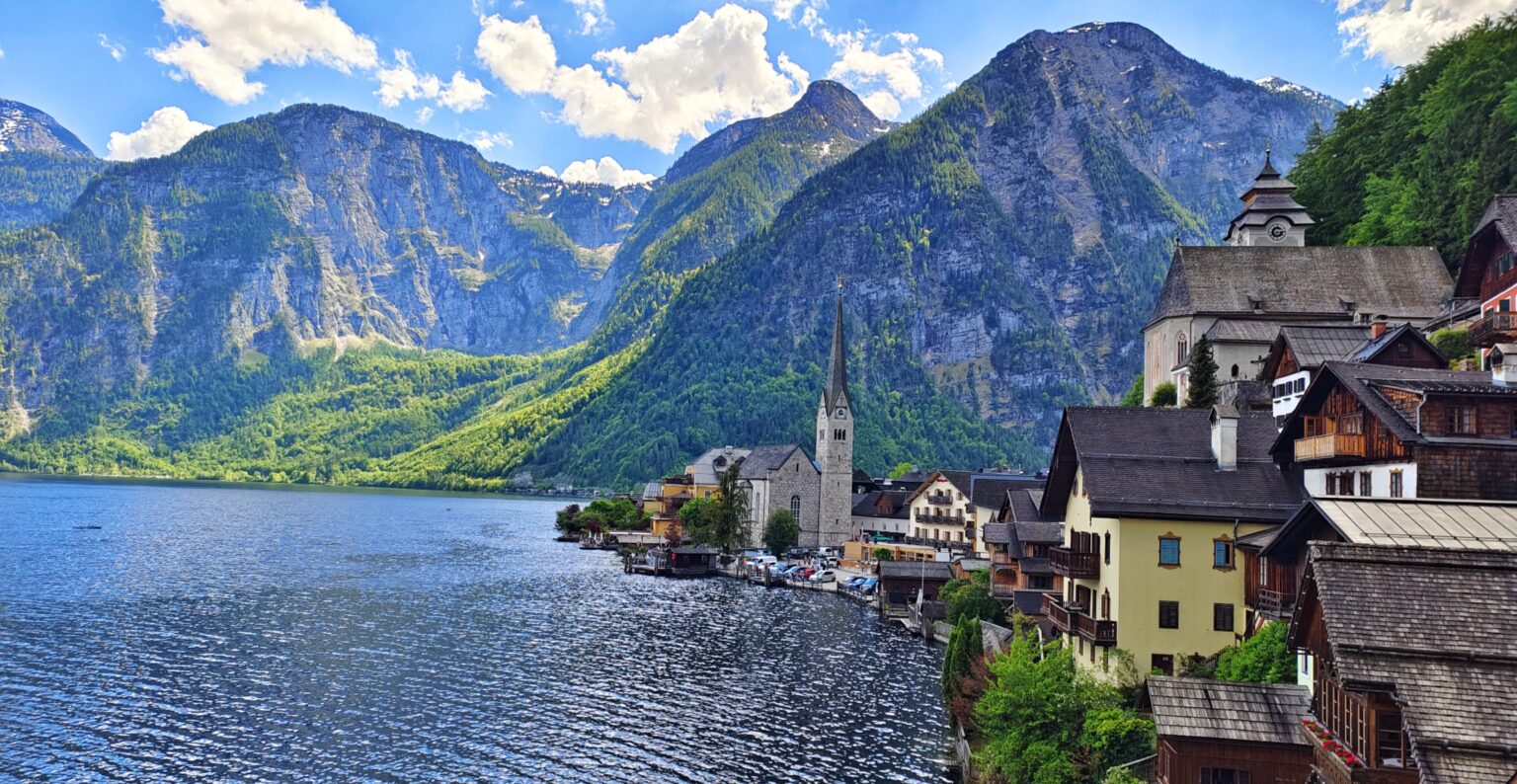
A journey through Italy in 2026 requires a strategic approach to navigation, cultural engagement, and compliance with updated European entry systems. By coordinating high-speed rail logistics with regional transit and understanding current environmental regulations, travelers can effectively traverse the peninsula from the Alpine north to the Mediterranean south while managing costs and administrative requirements.
Navigating the Italian Landscape in 2026
Italy remains the most diverse and frequently visited Southern European country, offering a complex geography that necessitates careful planning. In 2026, the travel landscape is defined by a more digitized infrastructure and a strict emphasis on sustainable tourism. To execute a successful journey, one must account for the distinct differences between the industrial North, the historic Center, and the agrarian South.
The Italian National Tourist Board (ENIT) and the Ministry of Tourism have implemented several initiatives aimed at deconcentrating crowds from major hubs like Venice and Florence toward "Borghi" (historic villages). Consequently, a 2026 itinerary is most effective when it balances iconic landmarks with secondary destinations that offer lower costs and more authentic regional interactions.
Understanding Entry Requirements and Documentation
As of 2026, the European Travel Information and Authorisation System (ETIAS) is fully operational. This is a mandatory requirement for citizens from visa-exempt countries (such as the United States, Canada, and the United Kingdom) entering the Schengen Area.
- ETIAS Validity: Once approved, the authorization is valid for three years or until the passport expires. It allows for stays of up to 90 days within any 180-day period.
- Application Process: The application is entirely digital and typically costs €7 for adults. Approval is usually granted within minutes, though travelers are advised to apply at least 96 hours before departure to account for potential manual reviews.
- The Digital Nomad Visa: For those looking to extend their journey, Italy’s Digital Nomad Visa is now a mature program. It requires proof of remote employment, a minimum income threshold (updated annually), and comprehensive health insurance.
Infrastructure and Transport Logistics
The backbone of any journey through Italy is its rail network. In 2026, the distinction between high-speed services and regional lines is critical for managing both time and budget.
High-Speed Rail: Frecciarossa and Italo
Italy boasts one of the most sophisticated high-speed rail (AV - Alta Velocità) networks in Europe. The two primary operators are Trenitalia (state-owned) and Italo (private).
- Trenitalia (Frecciarossa): These trains connect major cities like Milan, Bologna, Florence, Rome, and Naples at speeds up to 300 km/h. In 2026, the Frecciarossa network has expanded further into the south, reaching Reggio Calabria and parts of Puglia more efficiently than in previous decades.
- Italo NTV: Offering a competitive alternative, Italo often provides aggressive pricing and high-end amenities. Their service is limited to the main high-speed arteries, making them ideal for the "Big Three" (Rome, Florence, Venice).
Technical Tip: Booking tickets at least 21 days in advance via official apps (Trenitalia or Italo Treno) can result in "Economy" or "Super Economy" fares, which are often 50-70% cheaper than base prices.
Regional Transit and Road Travel
While trains are superior for city-to-city hops, a journey through the Tuscan countryside or the Sicilian coast often requires a vehicle.
- ZTL Zones: Most historic centers in Italy are designated as Zona a Traffico Limitato (Limited Traffic Zones). Entering these without a permit—usually restricted to residents—results in heavy automated fines. Travelers should park at perimeter "Parcheggi Scambiatori" and use public transit for the final leg.
- The 2026 Driving Standard: International Driving Permits (IDP) remain mandatory for non-EU license holders. Rental agencies in 2026 have shifted their fleets significantly toward electric vehicles (EVs); ensure your accommodation provides charging stations, as public infrastructure in rural Southern Italy still lags behind the North.
Regional Specialization: Where to Focus Your Journey
Italy is not a monolithic culture; it is a collection of 20 regions, each with its own dialect, culinary tradition, and economic climate.
The Industrial North (Lombardy, Piedmont, Veneto)
This region is the engine of the Italian economy. Milan serves as the primary international gateway (Malpensa Airport). In 2026, the city is a hub for sustainable urban planning.
- Key Focus: Luxury commerce, Alpine landscapes (The Dolomites), and the "Lakes District" (Como, Garda, Maggiore).
- Logistics: The most efficient public transport in the country. You can rely entirely on trains and local buses here.
The Cultural Heartland (Tuscany, Lazio, Umbria)
This is the Italy of the Renaissance and the Roman Empire. Rome remains the central node for any South European journey.
- The 2026 Context: Following the massive influx of visitors during the 2025 Jubilee, 2026 sees a stabilization of tourism. Many sites now require mandatory time-slot bookings (e.g., the Colosseum, the Uffizi Gallery).
- Agrarian Focus: This is the best region for "Agriturismi"—working farms that offer high-quality lodging and "zero-kilometer" dining.
The Mediterranean South (Campania, Puglia, Sicily)
The South is characterized by a slower pace and lower cost of living, but it requires more logistical patience.
- Coastal Management: Areas like the Amalfi Coast and Capri have implemented strict vehicle entry quotas and "tassa di sbarco" (landing fees) to combat overtourism.
- Authenticity: Puglia (the "heel" of the boot) has become the 2026 favorite for travelers seeking architectural uniqueness (Trulli of Alberobello) and pristine beaches without the congestion of the northern rivieras.
Comparative Overview of Travel Hubs in 2026
The following table provides a technical comparison of the primary regions to help determine resource allocation during your journey.
| Region | Primary Hub | 2026 Avg. Daily Cost (Mid-Range) | Best Mode of Transport | Primary Constraint |
|---|---|---|---|---|
| Lombardy | Milan | €180 - €250 | Metro / High-Speed Rail | High accommodation costs |
| Tuscany | Florence | €150 - €210 | Regional Train / Walking | Strict ZTL driving limits |
| Lazio | Rome | €160 - €230 | Walking / Bus | Heavy pedestrian traffic |
| Campania | Naples | €110 - €160 | Ferry / Circumvesuviana | Complex local logistics |
| Sicily | Palermo | €90 - €140 | Car Rental | Limited rail connectivity |
Sustainable Tourism and Regulatory Compliance
By 2026, Italy has integrated several "Smart City" technologies to manage tourism. A significant development is the widespread adoption of the Venice Access Fee.
The Venice Access Management System
Visitors not staying overnight in the city of Venice must register through an online portal and pay an access fee (contributo di accesso) on specific "peak days." Failure to show the QR code to inspectors can result in fines ranging from €50 to €300. This system is designed to protect the fragile Venetian ecosystem and is being modeled for potential use in other saturated cities like Civita di Bagnoregio.
Accommodation and "Tassa di Soggiorno"
Every municipality in Italy charges a "Tassa di Soggiorno" (Tourist Tax). This is typically not included in the advertised price of a hotel or Airbnb and must be paid in cash or card upon check-out. In 2026, these rates range from €1 to €7 per person per night, depending on the star rating of the accommodation and the city's specific policy.
Financial and Digital Considerations
Payment Ecosystem
Italy has moved rapidly toward a cashless society. As of 2026, law requires all merchants—including small cafes and taxi drivers—to accept electronic payments for any amount. However, carrying small denominations of cash (Euro) remains essential for coin-operated lockers, public restrooms, and certain rural markets.
Connectivity
For a journey through Italy, a local or regional eSIM is the most cost-effective connectivity solution.
- Providers: TIM, Vodafone Italy, and WindTre offer competitive 5G coverage across most of the peninsula.
- Registration: Italian law requires a physical passport or ID for SIM card registration (the "Codice Fiscale" is sometimes generated by the provider for tourists). Digital-first providers like Airalo or Holafly bypass this but may offer slower data speeds than a local SIM.
Common Pitfalls and Troubleshooting
- Validation of Paper Tickets: If you use a physical regional train ticket, you must validate it in the green or yellow machines on the platform before boarding. Failure to do so results in an immediate on-board fine, even if you have a valid ticket. Digital tickets are validated automatically through the app.
- Dining Etiquette and "Coperto": Most restaurants charge a "coperto" (cover charge), usually €2-€4 per person. This covers bread and table service. Tipping is not mandatory or expected in the same way as in North America, though rounding up the bill is appreciated for exceptional service.
- The "Riposo" (Siesta): In Southern Italy and smaller towns, many shops and pharmacies close between 13:00 and 16:30. Planning your errands around this midday break is essential for a stress-free journey.
Frequently Asked Questions
Do I need to speak Italian to navigate the country in 2026?
While English is widely spoken in major tourist hubs and by younger generations, basic Italian phrases are essential for rural travel. Understanding terms related to transport (e.g., binario for platform, ritardo for delay) and dining will significantly improve your efficiency. In the South, linguistic barriers are more common, making a translation app a necessary tool.
How safe is Italy for solo travelers in 2026?
Italy remains one of the safer countries in Southern Europe. The primary concern for tourists is petty theft (pickpocketing) in crowded areas like Rome's Termini Station or the Naples metro. Violent crime is statistically very low. Standard precautions, such as using cross-body bags and avoiding unlit areas late at night in major cities, are sufficient.
Is the tap water safe to drink?
Yes, tap water throughout Italy is safe and regulated. Rome is famous for its "nasoni"—curved public fountains that provide free, cold drinking water. In 2026, carrying a reusable water bottle is encouraged as part of Italy’s national "Plastic Free" initiative to reduce single-use waste in heritage sites.
Can I travel across Italy exclusively by bus?
While possible through operators like FlixBus or Itabus, it is generally less efficient than the rail network for long distances. Buses are best utilized for "last-mile" connectivity in mountainous regions like the Abruzzo or for traveling between coastal towns in Puglia where train lines may be indirect.
What is the best time of year for a journey through Italy?
In 2026, the "shoulder seasons" (April-May and September-October) remain the optimal times. These months offer a balance of mild weather and lower tourist density. July and August are increasingly characterized by extreme heat waves in the South and significant crowds, making outdoor sightseeing difficult during the day.
Practical Recommendation for Your Journey
To maximize the value of your journey through Italy in 2026, prioritize a "linear" itinerary rather than a "hub-and-spoke" model. Start in Milan or Venice and work your way south to Rome or Naples, departing from a different airport than the one you arrived at. This "open-jaw" travel strategy saves significant time and backtracking costs. Always purchase your "Big Three" museum tickets (Vatican, Uffizi, Accademia) at least 30 days in advance to ensure entry.