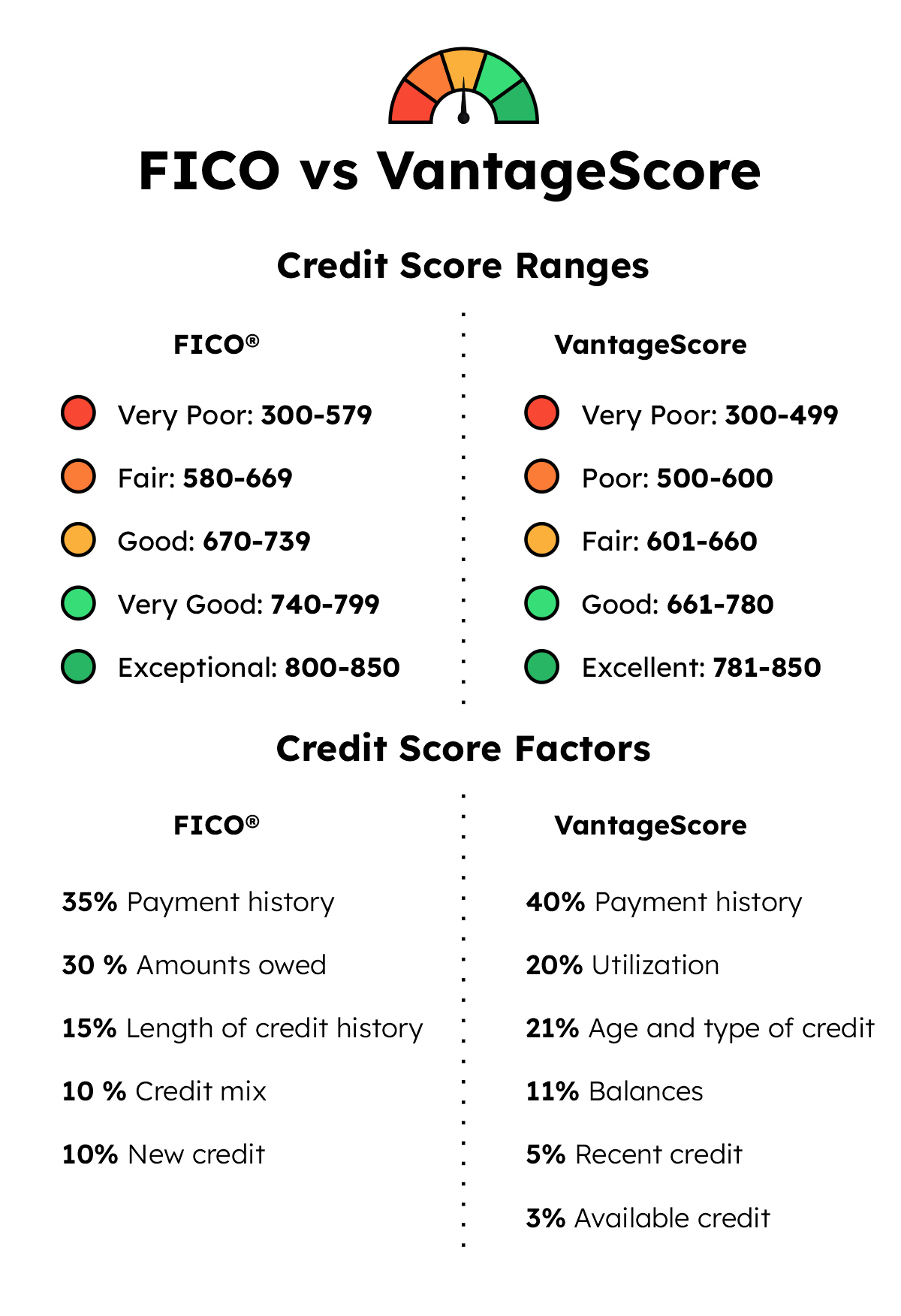
A good credit score for life insurance is typically a FICO score of 700 or higher. While insurers primarily use specialized credit-based insurance scores (CBIS) rather than standard lending scores, a higher credit rating signals financial responsibility. Scoring 740 or above often qualifies applicants for "Preferred" or "Preferred Plus" premium tiers.
The relationship between your credit history and your life insurance premium is one of the most misunderstood aspects of the underwriting process. In 2026, life insurance companies continue to refine their use of big data and predictive analytics to determine risk. While your health, age, and lifestyle remain the primary drivers of your policy’s cost, your financial profile—specifically your credit history—acts as a significant secondary filter.
Understanding what constitutes a "good" score and how the industry interprets your financial data can save you thousands of dollars over the life of a policy. This guide explores the technical mechanisms behind credit-based underwriting and provides actionable steps to optimize your profile before submitting an application.
How Credit Scores Influence Life Insurance Underwriting
Life insurance underwriting is the process of evaluating the risk an applicant poses to the insurer. Historically, this meant reviewing medical records and lifestyle habits. However, actuarial science has demonstrated a strong statistical correlation between financial stability and mortality risk. Simply put, individuals with higher credit scores tend to live longer, practice better preventative health care, and engage in fewer high-risk behaviors.
In 2026, insurers do not just look at your three-digit FICO score. Instead, they use proprietary algorithms or third-party services like LexisNexis Risk Solutions to generate a Credit-Based Insurance Score (CBIS). This score is distinct from the one used by mortgage lenders or credit card issuers.
The Predictive Power of Financial Data
Insurers view credit data as a proxy for "responsibility." A history of timely payments suggests a person who follows protocols, including medical advice and safety regulations. Conversely, significant debt or a history of collections can indicate stress, which is a known contributor to chronic health conditions such as hypertension and cardiovascular disease.
When you apply for a policy, the insurer performs a "soft pull" of your credit report. Unlike a "hard pull" used for a car loan or a mortgage, this inquiry does not negatively impact your credit score. The insurer analyzes your payment history, the age of your accounts, and your credit utilization ratio to help place you into a specific risk category.
Defining a "Good" Score for Insurance Purposes
In the context of life insurance, "good" is defined by how it helps you qualify for the best underwriting classes. Most insurance companies use a tiered system for pricing:
- Preferred Plus/Preferred Elite: The lowest premiums, reserved for the healthiest individuals with excellent credit.
- Preferred: Excellent health and very good credit.
- Standard Plus: Good health and average to good credit.
- Standard: Average health and fair credit.
- Substandard (Table Ratings): Higher risks due to health or significant financial red flags.
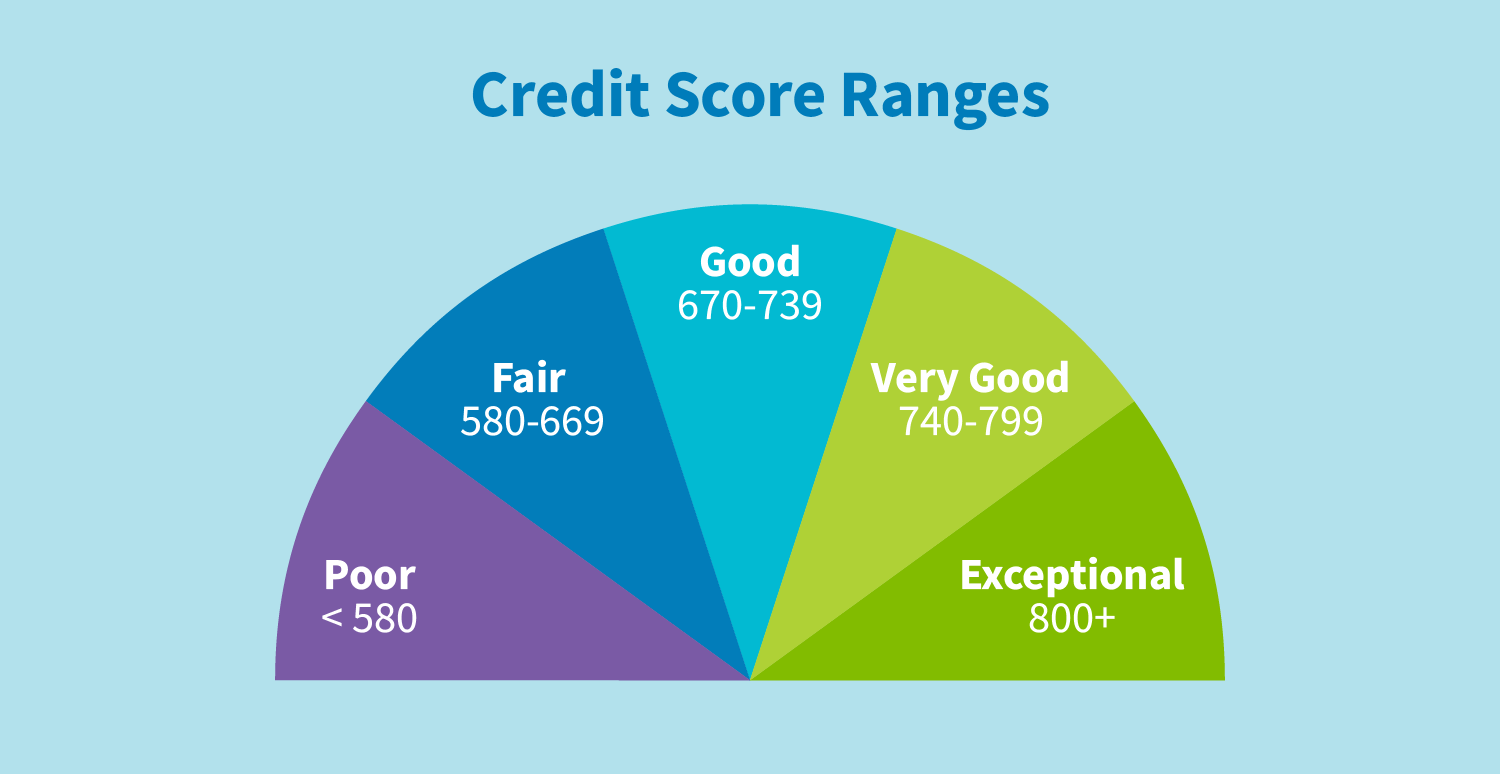
| FICO Score Range | Likely Underwriting Tier | Impact on Annual Premiums |
|---|---|---|
| 800 – 850 (Exceptional) | Preferred Plus | Lowest possible rates; no financial surcharges. |
| 740 – 799 (Very Good) | Preferred Plus / Preferred | Highly competitive rates; qualifies for top tiers. |
| 670 – 739 (Good) | Preferred / Standard Plus | Standard market rates; credit is a neutral factor. |
| 580 – 669 (Fair) | Standard | Possible "flat extra" fees or tier downgrades. |
| 300 – 579 (Poor) | Substandard / Decline | Significant surcharges; may require "No Exam" policies. |
A score in the 700s is generally the "sweet spot" where credit stops being a potential hurdle and starts becoming an asset to your application. If your score is below 650, you may find that even if you are in perfect physical health, you are excluded from the "Preferred Plus" category, resulting in premiums that are 20% to 30% higher than they would otherwise be.
The Role of Credit-Based Insurance Scores (CBIS)
It is important to distinguish between the score you see on a banking app and the CBIS used by underwriters. While they are built from the same raw data from Equifax, Experian, and TransUnion, they weigh variables differently.
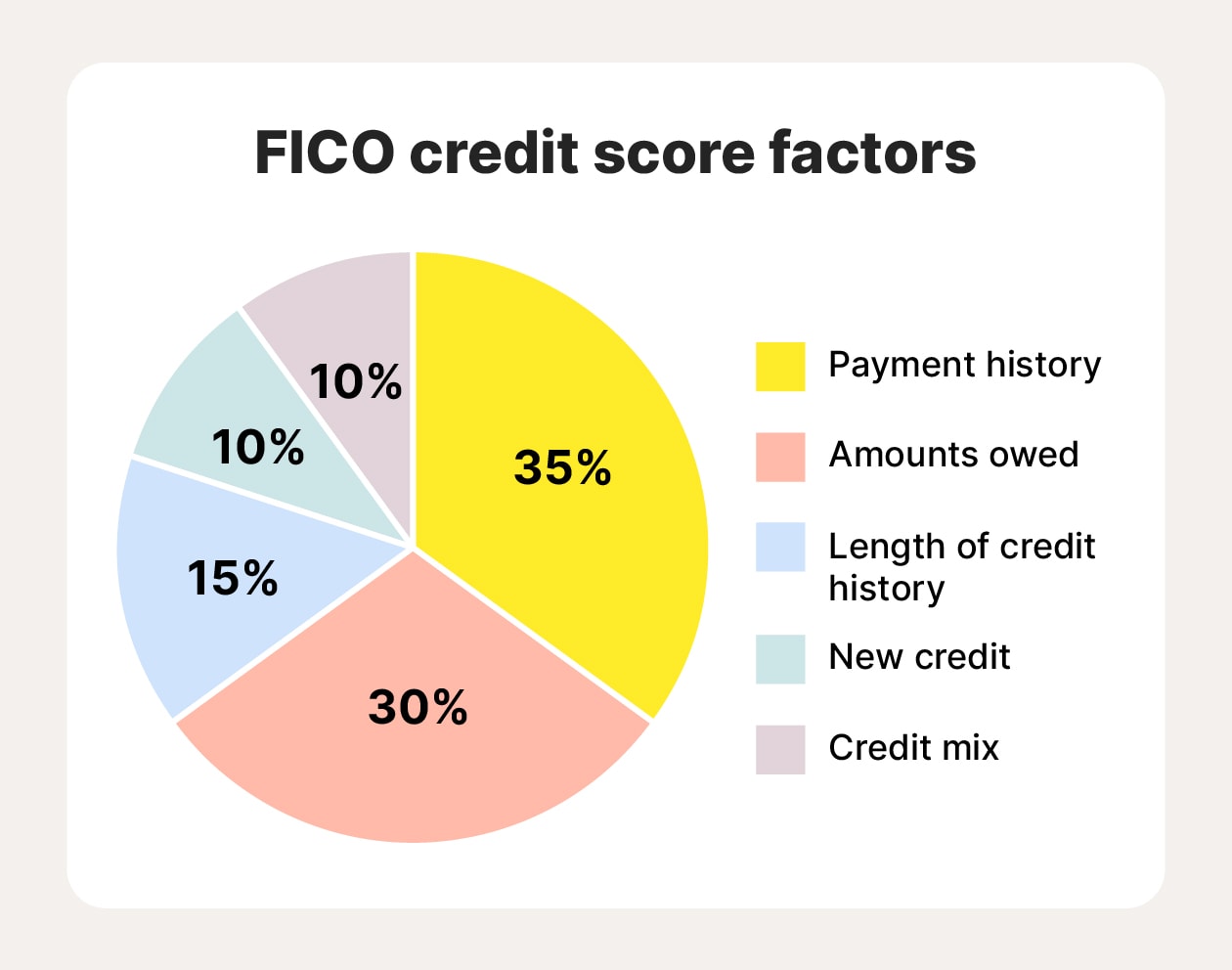
A standard FICO score is designed to predict the likelihood that you will be 90 days late on a payment. A CBIS is designed to predict the likelihood of an insurance loss. Therefore, a CBIS might place more weight on the length of your credit history and less on recent inquiries.
Factors Weighted in an Insurance Credit Score:
- Payment History: Consistent, on-time payments are the most critical factor.
- Outstanding Debt: High credit card balances relative to your limits (utilization) can signal financial distress.
- Credit Mix: A healthy blend of revolving credit (cards) and installment loans (mortgages, auto loans) is viewed favorably.
- Bankruptcies and Foreclosures: These are major red flags that can lead to a flat rejection or a significant waiting period.
The National Association of Insurance Commissioners (NAIC) provides extensive resources on how these scores are regulated. In most states, insurers are legally allowed to use credit as a factor in life insurance, provided they do not use it as the sole basis for a denial or premium increase.
Major Credit Red Flags and Their Consequences
While a low score is a gradual disadvantage, certain specific events on a credit report act as "hard stops" or major obstacles during the underwriting process.
Bankruptcy
A bankruptcy is perhaps the most significant financial event an underwriter will see. In 2026, most top-tier insurers require a bankruptcy to be discharged for at least 12 to 24 months before they will consider an application for a traditional term or whole life policy.
- Chapter 7: Typically requires a longer waiting period after discharge.
- Chapter 13: Some insurers may offer coverage while you are still making payments under a reorganization plan, provided your payment history is perfect, but you will likely be limited to "Standard" rates.
Collections and Judgments
Unresolved collections or legal judgments for unpaid debt suggest a lack of financial stability. If you have active collections, underwriters may postpone your application until the debts are settled. They want to ensure that the policyholder has the discretionary income to maintain premium payments so the policy does not lapse.
High Debt-to-Income (DTI) Ratio
While not strictly a "credit score" component, insurers often look at the total amount of insurance you are seeking relative to your income. If you have massive debt and are seeking a multi-million dollar death benefit, the insurer may see a "moral hazard"—the risk that the policy is being sought because of desperate financial circumstances.
State Regulations and Consumer Protections
It is a common misconception that credit scoring is handled the same way in every jurisdiction. In the United States, insurance is regulated at the state level. While many states allow the use of credit scores for auto and homeowners insurance, the rules for life insurance are often more nuanced.
For example, states like California and Massachusetts have historically placed tighter restrictions on how credit data can influence insurance rates. However, for life insurance specifically, the Fair Credit Reporting Act (FCRA) is the primary federal protector. Under the FCRA:
- Insurers must tell you if they take "adverse action" (like charging a higher rate) based on your credit report.
- They must provide you with the name of the agency that supplied the report.
- You have the right to dispute inaccurate information.
If you are denied coverage or quoted a higher-than-expected rate in 2026, always ask for the "Adverse Action Notice." This document will detail the specific reasons your credit profile impacted your application, allowing you to address those issues directly.
Strategies to Improve Your Profile Before Applying
If your credit score is currently in the "Fair" or "Poor" range, you may benefit from delaying your life insurance application by six months to a year while you improve your financial standing.
1. Correct Inaccuracies
According to the FTC, a significant percentage of credit reports contain errors. Check your reports from all three bureaus. Look for accounts that aren't yours, incorrect late payment markers, or old collections that should have aged off. Removing a single erroneous "late payment" can sometimes boost a score by 50 points or more.
2. Reduce Credit Utilization
One of the fastest ways to improve a score is to pay down revolving debt. Aim to keep your credit utilization below 30%, and ideally below 10%, of your available limits. This demonstrates that you have access to capital but are not dependent on it for survival.
3. Avoid New Credit Inquiries
If you plan to apply for life insurance in the next 90 days, avoid opening new credit cards or taking out new loans. While life insurance pulls are "soft," the new accounts you open are "hard" pulls and can temporarily lower your score, potentially pushing you from a "Good" tier to a "Fair" one.
Alternatives for Those with Poor Credit
If you need life insurance immediately but have a credit score that makes traditional underwriting prohibitively expensive, you have options.
- Simplified Issue Life Insurance: These policies require a health questionnaire but often skip the deep dive into your credit-based insurance score. The trade-off is a lower coverage limit (usually up to $50,000 or $100,000) and higher base premiums.
- Guaranteed Issue Life Insurance: These policies involve no medical exam and no credit check. They are "guaranteed" as long as you meet the age requirements. However, they are expensive and usually have a "graded death benefit," meaning the full amount isn't paid out if you die within the first two years of the policy.
- Group Life Insurance: Many employers offer life insurance as a benefit. These policies are generally "guaranteed issue" up to a certain amount (e.g., 1x or 2x your annual salary) and do not involve credit checks.
Frequently Asked Questions
Does applying for life insurance lower my credit score?
No. Life insurance companies perform a "soft inquiry" on your credit report. This allows them to see your financial history without it appearing as a "hard hit" on your record. Your score will not decrease because you shopped for life insurance.
Can I be denied life insurance solely because of a low credit score?
It is rare to be denied life insurance only because of a low score. Usually, a low score results in higher premiums. However, specific events like an active, undischarged bankruptcy or a history of criminal financial fraud can lead to an outright denial.
How far back do life insurance companies look at my credit?
Most insurers look at the last seven to ten years of your financial history. They are most interested in the last 24 months of activity, as this is the most predictive of your current risk level. Older bankruptcies that have fallen off your credit report generally will not be factored into your score.
Does my spouse's credit score affect my life insurance application?
Generally, no. Life insurance is an individual contract. The insurer evaluates the risk of the person being insured. Even if you are applying for a "joint" policy, the underwriters typically look at the individual credit histories of both applicants separately to determine the overall rate.
Do "No-Medical-Exam" policies still check my credit?
In 2026, most "No-Exam" or "Accelerated Underwriting" policies rely more heavily on credit and data tools. Since the insurer isn't getting a blood sample or physical exam, they use your credit-based insurance score, prescription drug history, and motor vehicle records to fill the information gap.
Practical Recommendation
Before applying for life insurance, obtain a free copy of your credit report from AnnualCreditReport.com. If your FICO score is below 700, consider working with an independent insurance broker rather than a captive agent. Independent brokers have access to multiple carriers and know which companies are "credit-friendly" and which ones use more aggressive credit-based insurance scoring models.
If you have a major blemish like a recent bankruptcy, it is often best to wait until at least two years post-discharge to apply for a traditional policy. In the interim, utilize group life insurance through your employer to ensure your family is protected while you rebuild your financial profile.