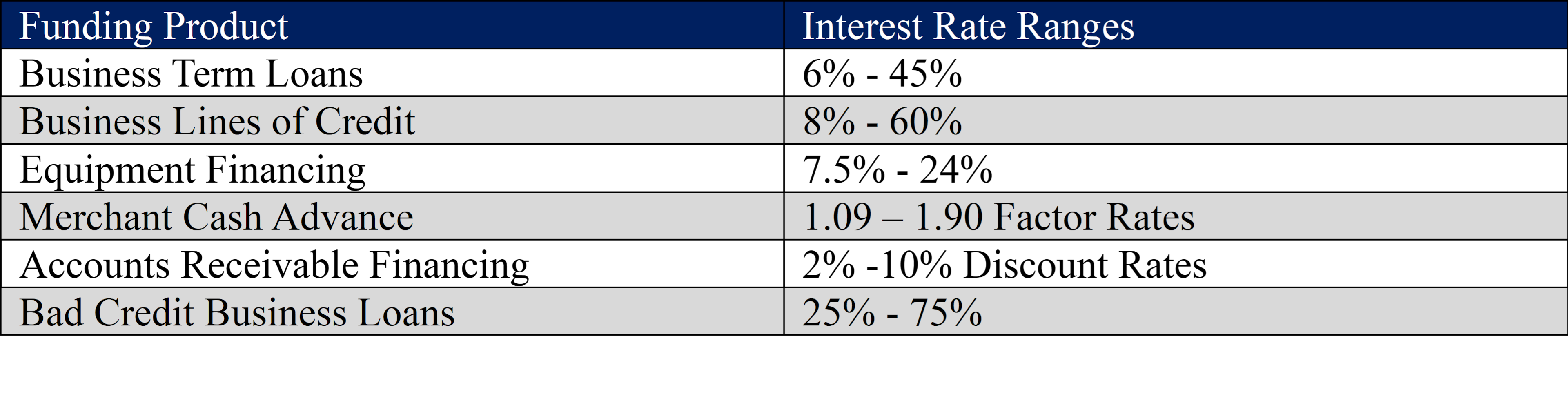
A good APR for a loan in 2026 generally falls between 5.5% and 12%, depending on the loan type and your credit profile. For mortgages, a rate below 6% is competitive, while personal loans for high-credit borrowers typically range from 8% to 11%. Always compare the APR, which includes fees, rather than just the interest rate.
Determining whether a specific Annual Percentage Rate (APR) is "good" requires a nuanced understanding of the current economic landscape, the type of credit product you are seeking, and your individual financial health. In 2026, the lending market has adjusted to the stabilization of central bank policies, meaning rates are no longer at the historic lows of the early 2020s, nor at the peak volatility seen during the mid-decade inflationary spikes.
To evaluate a loan offer effectively, you must look beyond the monthly payment. The APR represents the true annual cost of borrowing, incorporating both the interest rate and any mandatory fees charged by the lender. This guide breaks down the benchmarks for various loan categories and provides the technical context necessary to secure the most favorable terms available today.
Understanding the Difference Between Interest Rate and APR
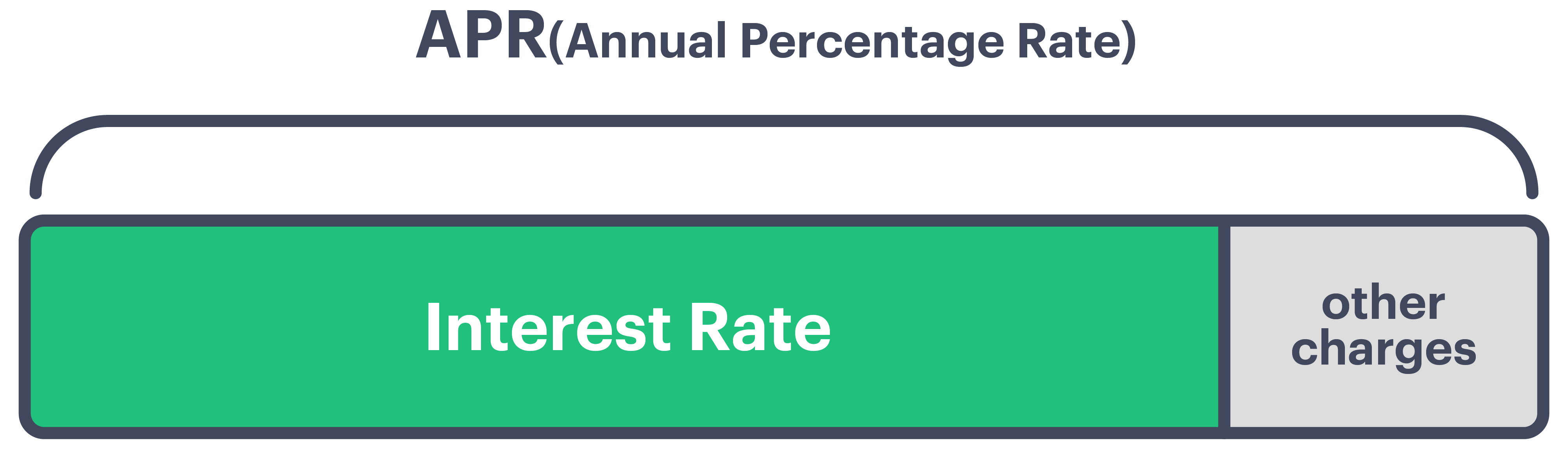
Before assessing what constitutes a "good" rate, it is vital to distinguish between the nominal interest rate and the APR. The interest rate is the percentage of the principal balance that the lender charges for the use of the money. However, most loans come with additional costs, such as origination fees, processing fees, or mortgage insurance.
The Annual Percentage Rate (APR) is a broader measure. It bundles the interest rate with these additional prepaid costs, expressed as a yearly percentage. Because the APR reflects the total cost of credit, the Truth in Lending Act (TILA) requires lenders to disclose it clearly.
If you are comparing two personal loans—one with a 9% interest rate and a 3% origination fee, and another with a 9.5% interest rate and no fee—the second option might actually have a lower APR. In 2026, with lenders often using complex fee structures to offset lower "headline" interest rates, focusing exclusively on the APR is the only way to perform an apples-to-apples comparison.
Benchmarking "Good" APRs by Loan Type
What constitutes a "good" rate varies significantly depending on whether you are buying a home, financing a vehicle, or taking out an unsecured personal loan. Secured loans, which use an asset as collateral, naturally carry lower APRs than unsecured debt.
Mortgages (30-Year Fixed)
In 2026, the mortgage market has found a new equilibrium. Following the Federal Reserve's long-term efforts to manage inflation, a "good" APR for a 30-year fixed-rate mortgage currently sits between 5.4% and 6.2% for borrowers with excellent credit (740+).
- Excellent (740+): 5.4% – 5.8%
- Good (670–739): 6.0% – 6.7%
- Fair (580–669): 7.0% – 8.2%
Auto Loans (New and Used)
Auto loan rates remain sensitive to the federal funds rate and the resale value of vehicles. For a new car, a good APR is typically under 6%. Used car loans generally carry higher rates (often 1% to 2% higher) because the collateral is harder to value and more prone to mechanical failure.
- New Car (Excellent Credit): 4.5% – 5.9%
- Used Car (Excellent Credit): 6.5% – 7.8%
Personal Loans
Personal loans are typically unsecured, meaning the lender takes on more risk. Consequently, the range for a "good" APR is much wider. In the current 2026 market, top-tier borrowers can find rates in the high single digits, while those with lower scores might see offers exceeding 30%.
- Excellent Credit: 8.5% – 11.9%
- Average Credit: 14% – 22%
Credit Cards
While not a traditional installment loan, credit card APRs are a critical benchmark for revolving credit. In 2026, a "good" credit card APR—often found on low-interest or "platinum" cards—is anything below 18%. The average market rate for rewards cards currently hovers around 21% to 25%.
The Role of Your Credit Score in Determining APR
Your credit score remains the most influential factor in the APR a lender offers you. Lenders use your score to categorize you into "risk tiers." The higher your score, the lower the risk you represent, and the lower the APR you will be offered.
- Excellent (800–850): Borrowers in this range receive the "prime" rate. Lenders often compete for these clients, providing the lowest possible fees and interest margins.
- Very Good (740–799): You will still qualify for most top-tier offers, though the APR might be 0.25% to 0.5% higher than the absolute lowest rate.
- Good (670–739): This is the American average. You will likely be approved for most loans, but you will pay a premium. In 2026, a "good" rate for this tier is usually 2% to 4% higher than the prime rate.
- Fair (580–669): Borrowers in this category are considered "subprime." APRs here often jump significantly as lenders seek to mitigate the risk of default.
- Poor (300–579): Financing is difficult to obtain. APRs may reach the legal maximums (often 36% for personal loans), and you may be required to provide collateral or a co-signer.
Macroeconomic Factors Influencing 2026 Rates
Individual creditworthiness is not the only variable. The broader economic climate in 2026 dictates the "floor" for all interest rates.
The Federal Funds Rate
The Federal Reserve sets the target interest rate at which commercial banks borrow and lend to each other overnight. If the Fed funds rate is at 4%, a bank cannot profitably lend to you at 3%. All consumer APRs are essentially the Fed funds rate plus a "risk premium" and a profit margin for the lender.
Inflationary Expectations
Lenders must account for the decreasing purchasing power of money over time. If inflation is projected to be 2.5% over the next decade, a lender must charge at least that much just to break even in real terms. In 2026, stabilized inflation has allowed APRs to remain relatively predictable compared to the volatility of previous years.
Secondary Market Liquidity
For mortgages and auto loans, many lenders do not keep the loan on their books; they sell them to investors as securities. The demand for these securities in the global market influences how much lenders charge you. When investor demand is high, APRs tend to stay lower.
How to Compare Loan Offers Effectively
When you receive a loan estimate, do not just look at the bottom line. Use a structured approach to evaluate whether the APR is truly "good" for your situation.
1. Request the Loan Estimate Form
For mortgages, this is a standardized three-page document. For personal loans, ask for a Truth in Lending disclosure. These documents explicitly list the APR, the total interest percentage (TIP), and the total amount you will pay over the life of the loan.
2. Check for "Points" and Origination Fees
In 2026, many mortgage lenders "buy down" the interest rate using discount points. One point typically costs 1% of the loan amount and reduces the interest rate by about 0.25%. While this lowers the interest rate, it increases your upfront costs. A "good" APR should be evaluated based on how long you intend to keep the loan; if you plan to move in three years, paying points to get a lower APR is usually a mistake.
3. Evaluate the Term Length
A 15-year mortgage will almost always have a lower APR than a 30-year mortgage. Similarly, a 36-month auto loan will have a better rate than a 72-month loan. Shorter terms reduce the lender's risk of long-term economic shifts, and they pass that savings to you in the form of a lower APR.
| Loan Type | Excellent Credit (740+) | Average Credit (670-739) | Below Average (<670) |
|---|---|---|---|
| 30-Year Fixed Mortgage | 5.4% - 5.8% | 6.1% - 6.8% | 7.5% - 8.5% |
| 15-Year Fixed Mortgage | 4.8% - 5.2% | 5.5% - 6.0% | 6.8% - 7.5% |
| New Auto Loan (60 mo) | 4.5% - 5.5% | 6.5% - 8.0% | 10% - 15% |
| Personal Loan (Unsecured) | 8.9% - 11.5% | 14.5% - 19.0% | 24% - 35% |
| Credit Card (Non-Rewards) | 14% - 17% | 19% - 23% | 25%+ |
Practical Steps to Lower Your APR
If you find that the APRs you are being offered are above the "good" benchmarks for 2026, there are several steps you can take to improve your standing before signing a contract.
- Improve Your Debt-to-Income (DTI) Ratio: Even with a high credit score, lenders may hike your APR if your monthly debt payments exceed 36% to 43% of your gross income. Paying down a small credit card balance or a lingering installment loan can move you into a better pricing tier.
- Shop Within a 14-Day Window: For mortgages and auto loans, credit bureaus treat multiple inquiries as a single event if they happen within a short window (usually 14 to 45 days). This allows you to apply with five different lenders to find the best APR without damaging your score multiple times.
- Consider a Co-signer: If your credit is in the "Fair" or "Poor" range, adding a co-signer with "Excellent" credit can slash your APR by 50% or more on personal and auto loans.
- Watch for Autopay Discounts: Many lenders in 2026 offer a 0.25% to 0.50% APR reduction if you agree to set up automatic payments from a linked bank account. While small, this reduction compounds over the life of a multi-year loan.
Common Pitfalls to Avoid
The quest for a "good" APR can sometimes lead borrowers into traps that end up costing more in the long run.
- Ignoring the Total Cost of Interest: A lower APR on a longer-term loan might seem attractive, but you will pay more in total interest over time. For example, a 72-month auto loan at 6% APR results in significantly more interest paid than a 48-month loan at 7% APR.
- Prepayment Penalties: Some loans with very low "teaser" APRs include clauses that penalize you for paying the loan off early. In 2026, most reputable lenders have moved away from this, but it remains a risk in the subprime market.
- Variable vs. Fixed Rates: A "good" variable APR might be lower today than a fixed APR, but it carries the risk of increasing if market conditions change. Unless you plan to pay the loan off very quickly, a slightly higher fixed APR is generally the safer, "better" choice.
FAQ
What is considered a high APR for a personal loan in 2026?
In 2026, an APR above 25% is generally considered high for a personal loan, especially for borrowers with a credit score above 650. While subprime lenders may offer rates up to 36%, these should be avoided unless absolutely necessary, as the interest often outweighs the benefit of the principal.
Does a 0% APR deal still exist for cars?
Yes, but they are increasingly rare and usually restricted to 36-month or 48-month terms for buyers with Tier-1 credit (800+). These deals are typically offered by the manufacturer's captive finance arm (e.g., Ford Credit or Toyota Financial Services) as an incentive to move specific inventory.
Why is the APR on my mortgage estimate higher than the interest rate I was quoted?
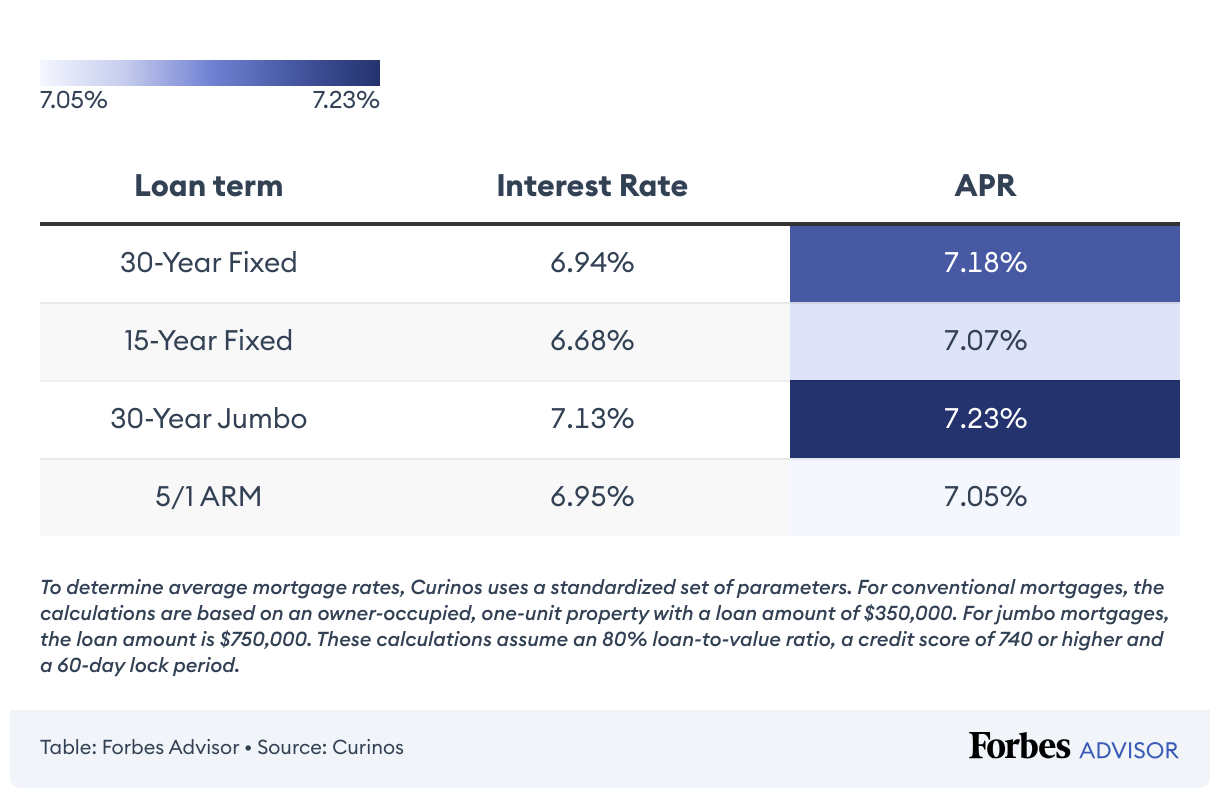
The APR includes the interest rate plus other costs of getting the loan, such as points, origination fees, and mortgage insurance. If there is a large gap (more than 0.3%) between your interest rate and your APR, it means the lender is charging high upfront fees.
Can I negotiate the APR with a lender?
You can rarely negotiate the base interest rate, which is set by the market and your credit score, but you can negotiate the fees that contribute to the APR. Ask for an "origination fee waiver" or a "lender credit" to offset closing costs.
Is a 12% APR good for a personal loan?
Yes, in the context of 2026, a 12% APR is considered a very solid rate for an unsecured personal loan. It suggests the borrower has a strong credit profile and that the lender is not padding the loan with excessive administrative fees.
Recommendation
When seeking a loan in 2026, your primary goal should be to secure an APR that aligns with the "Excellent" or "Good" tiers for your specific credit score. Before applying, obtain a copy of your credit report to ensure there are no errors suppressing your score. If you are offered an APR significantly higher than the benchmarks listed in this guide, ask the lender for a specific reason—such as your DTI ratio or length of credit history—and consider waiting three to six months to improve those metrics before reapplying.