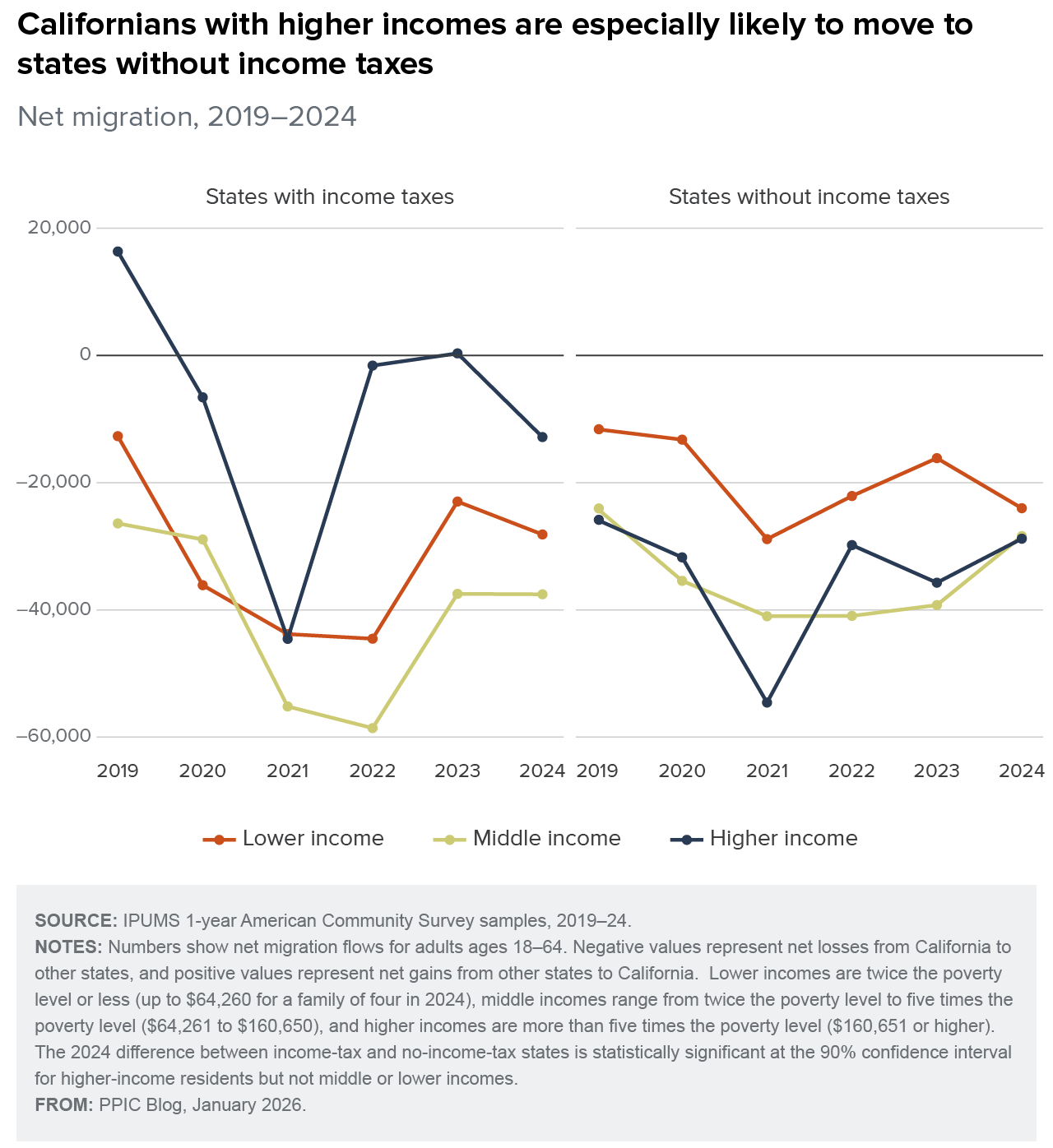
While there is no statewide mandate that pays every Californian to cross state lines, specific programs like Tulsa Remote offer eligible individuals $10,000 to move to Oklahoma. These incentives are primarily designed for remote workers and entrepreneurs who can bring their existing jobs—and their tax revenue—into the Oklahoma economy while benefiting from a significantly lower cost of living.
For years, the narrative of the "California Exodus" has dominated headlines, driven by skyrocketing housing costs and high state taxes. Oklahoma has positioned itself as a primary beneficiary of this migration by offering direct financial incentives and a community-focused landing pad. If you are a Californian looking to trade a million-dollar mortgage for a sprawling mid-western estate, understanding the mechanics of these relocation programs is the first step toward a successful transition.
The Flagship Program: Understanding Tulsa Remote
The most prominent reason Californians are being "paid" to move to Oklahoma is a program called Tulsa Remote. Established in 2018 by the George Kaiser Family Foundation, this initiative was designed to recruit talented remote workers to Tulsa. By 2026, the program has evolved into a sophisticated relocation machine that has successfully integrated thousands of new residents into the city’s fabric.
How the $10,000 Grant Works
The headline-grabbing $10,000 incentive is not a "move-in-and-leave" check. It is structured to ensure that participants actually settle into the community. Typically, the funds are disbursed over the course of the first year. A portion is often provided upfront to cover moving expenses, followed by monthly stipends, and a final lump sum after the 12-month residency requirement is met.
It is important to note that this $10,000 is considered taxable income by the IRS. Recipients will receive a 1099-MISC form, meaning they should set aside a portion of the grant to cover federal and state income taxes.
Beyond the Cash: The Community Ecosystem
Tulsa Remote provides more than just a check. Participants receive a free one-year membership to 36 Degrees North, a high-end coworking space in downtown Tulsa. This is a critical component for Californians who may be leaving behind robust professional networks in Silicon Valley or Los Angeles. The program also hosts regular social events, networking mixers, and volunteer opportunities to help "remoters" build a social circle quickly.
Eligibility Requirements for California Residents
To qualify for relocation payments, applicants must meet specific criteria. These programs are not intended for people looking for local Oklahoma jobs, but rather for those who already have stable employment elsewhere.
- Remote Employment Status: You must be employed full-time by a company located outside of Oklahoma, or be self-employed with a client base outside the state.
- Residency Intent: You must be able to move to Tulsa (or the participating municipality) within a specified timeframe, usually six months of approval.
- Age and Legal Status: Applicants must be at least 18 years old and eligible to work in the United States.
- Minimum Stay: While the financial incentive covers the first year, the goal is long-term retention. Applicants who demonstrate a genuine interest in the local community are often prioritized over those who seem to be "country-hopping" for grants.
Why Oklahoma Targets the California Market
From an economic development standpoint, paying a Californian $10,000 to move to Oklahoma is a high-yield investment. The Oklahoma Department of Commerce recognizes that a remote worker earning a California-scale salary (e.g., $150,000+) will contribute far more than $10,000 back into the local economy through property taxes, sales taxes, and local spending within just a few years.
Economic Diversification
Oklahoma’s economy was historically rooted in oil, gas, and agriculture. By attracting tech workers, creatives, and digital nomads from California, the state is diversifying its workforce. This "brain gain" helps foster a local tech ecosystem, making the state more attractive to companies looking to relocate their headquarters to a more affordable central U.S. location.
The Real Estate Arbitrage
The "real estate arbitrage" is the primary driver for Californians. In 2026, the median home price in major California metros remains significantly higher than in Tulsa or Oklahoma City. By offering a cash incentive, Oklahoma provides "seed money" for a down payment that goes much further in the Sooner State. A $10,000 grant might barely cover a month's rent in San Francisco, but in Oklahoma, it can cover the closing costs on a historic home in a desirable neighborhood.
Cost of Living Comparison: California vs. Oklahoma
To understand why a $10,000 incentive is so effective, one must look at the radical difference in purchasing power between the two states.
| Expense Category | California (Major Metro) | Oklahoma (Tulsa/OKC) | Estimated Savings |
|---|---|---|---|
| Median Home Price | $850,000 - $1.2M | $240,000 - $310,000 | ~70% lower |
| State Income Tax | 1% - 13.3% | 0.25% - 4.75% | Significant |
| Average Monthly Rent | $2,800 - $4,500 | $1,100 - $1,600 | ~60% lower |
| Gasoline (Per Gallon) | $4.80 - $5.50 | $2.90 - $3.30 | ~40% lower |
| Utilities (Monthly) | $250 - $400 | $180 - $280 | ~30% lower |
The data shows that even without the $10,000 payment, a Californian moving to Oklahoma effectively receives a massive "raise" due to the reduction in mandatory living expenses. The incentive acts as the "nudge" to overcome the inertia of a cross-country move.
Other Local and Employer-Based Incentives
While Tulsa Remote is the most famous, it isn't the only way to get paid to move to Oklahoma. Several other avenues exist for Californians looking for financial support during their relocation.
Stillwater and Smaller Municipalities
Various smaller towns in Oklahoma have experimented with "Homeownership Assistance" programs. These often take the form of forgivable loans or grants for people who purchase homes in specific geographic areas or who work in high-demand fields like healthcare or education.
Corporate Relocation Packages
As Oklahoma City (OKC) continues to grow as a hub for aerospace and biotechnology, many companies are offering aggressive relocation packages to lure talent away from the West Coast. These packages often exceed the $10,000 offered by municipal programs, sometimes covering full moving costs, temporary housing, and even assistance with selling a home in California.
The Oklahoma Department of Commerce Initiatives
The state frequently updates its "Quality Jobs Program," which provides tax credits to companies that create high-paying jobs. While this money goes to the employer, it often trickles down to the employee in the form of higher signing bonuses or relocation assistance.
The Application Process: Step-by-Step
If you are a Californian ready to apply for a relocation incentive, the process is rigorous but straightforward.
- Verify Remote Status: Ensure your employer is willing to sign a document stating that your role is 100% remote and that they have no physical office requirements in California that would prevent your move.
- Submit Initial Application: For Tulsa Remote, this involves a series of questions about your background, your reasons for moving, and your professional experience.
- Video Interview: If your application passes the initial screening, you will be invited to a video interview. The committee is looking for "community-minded" individuals, not just people looking for a payout.
- Background and Employment Verification: Expect a standard background check and a verification of your income.
- The "Visit" Phase: Many programs encourage or require a visit to the city before final approval. This ensures you understand the climate and culture before committing.
- Approval and Moving: Once approved, you typically have a window (e.g., 6 months) to sign a lease or purchase a home and officially establish residency.
Challenges and Considerations for Californians
While the financial perks are enticing, moving from the Pacific Coast to the Great Plains involves significant adjustments.
The Cultural Shift
Oklahoma is culturally distinct from California. While cities like Tulsa and OKC are increasingly progressive and diverse, the state as a whole is more conservative. The "pace of life" is noticeably slower, which can be a welcome relief or a frustrating adjustment depending on your personality.
Weather Patterns
Californians are used to droughts and wildfires, but Oklahoma brings a different set of meteorological challenges. The state is in the heart of "Tornado Alley." While modern building codes and advanced warning systems make it safe, the seasonal threat of severe storms and high humidity in the summer is a major change from the Mediterranean climate of coastal California.
Tax Complexities
California is known for being aggressive in pursuing "exit taxes" or questioning the residency of high-earners who move away. If you maintain property or business interests in California, you should consult with a tax professional to ensure you have "broken nexus" with the state to avoid being double-taxed on your income.
Frequently Asked Questions
Does the relocation payment apply to Oklahoma City (OKC)?
As of 2026, the primary $10,000 cash incentive program is specific to Tulsa (Tulsa Remote). However, Oklahoma City offers various homebuyer programs and employer-specific incentives that can provide similar financial benefits.
Do I have to buy a house to get the money?
No, most programs, including Tulsa Remote, allow you to rent. The requirement is that you live within the city limits of the participating municipality. However, there are often additional "bonus" incentives available if you do choose to purchase a home within the first year.
Is the $10,000 given all at once?
Generally, no. To prevent people from taking the money and moving back to California immediately, the funds are distributed in increments. A common structure is $2,500 for moving costs, monthly stipends of $500, and a final $1,500 at the end of the year.
Can I apply if I already live in Oklahoma?
No. These programs are specifically "attraction" programs meant to bring new residents and new tax dollars into the state. If you already have an Oklahoma address, you are ineligible for the relocation grant.
Is there a limit on how many people can get paid to move?
Yes. Programs like Tulsa Remote have annual caps on the number of residents they accept. The selection process is competitive, with thousands of applicants vying for a limited number of spots each year.
Practical Recommendation for Interested Californians
If the prospect of being paid to move to Oklahoma interests you, do not make the move based on the $10,000 alone. While the cash is a great perk, the true value lies in the drastic reduction in living costs and the increased quality of life afforded by a shorter commute and affordable housing.
Your Next Steps:
- Audit your remote work policy: Confirm in writing that your company allows residency in Oklahoma. Some companies have "tax nexus" restrictions that prevent them from employing people in certain states.
- Visit Tulsa or OKC for a week: Spend time in different neighborhoods (like Cherry Street in Tulsa or the Plaza District in OKC) to see if the vibe matches your lifestyle.
- Apply Early: Relocation grants are often awarded on a rolling basis. Applying at the start of the fiscal year can increase your chances of securing a spot before the annual quota is filled.