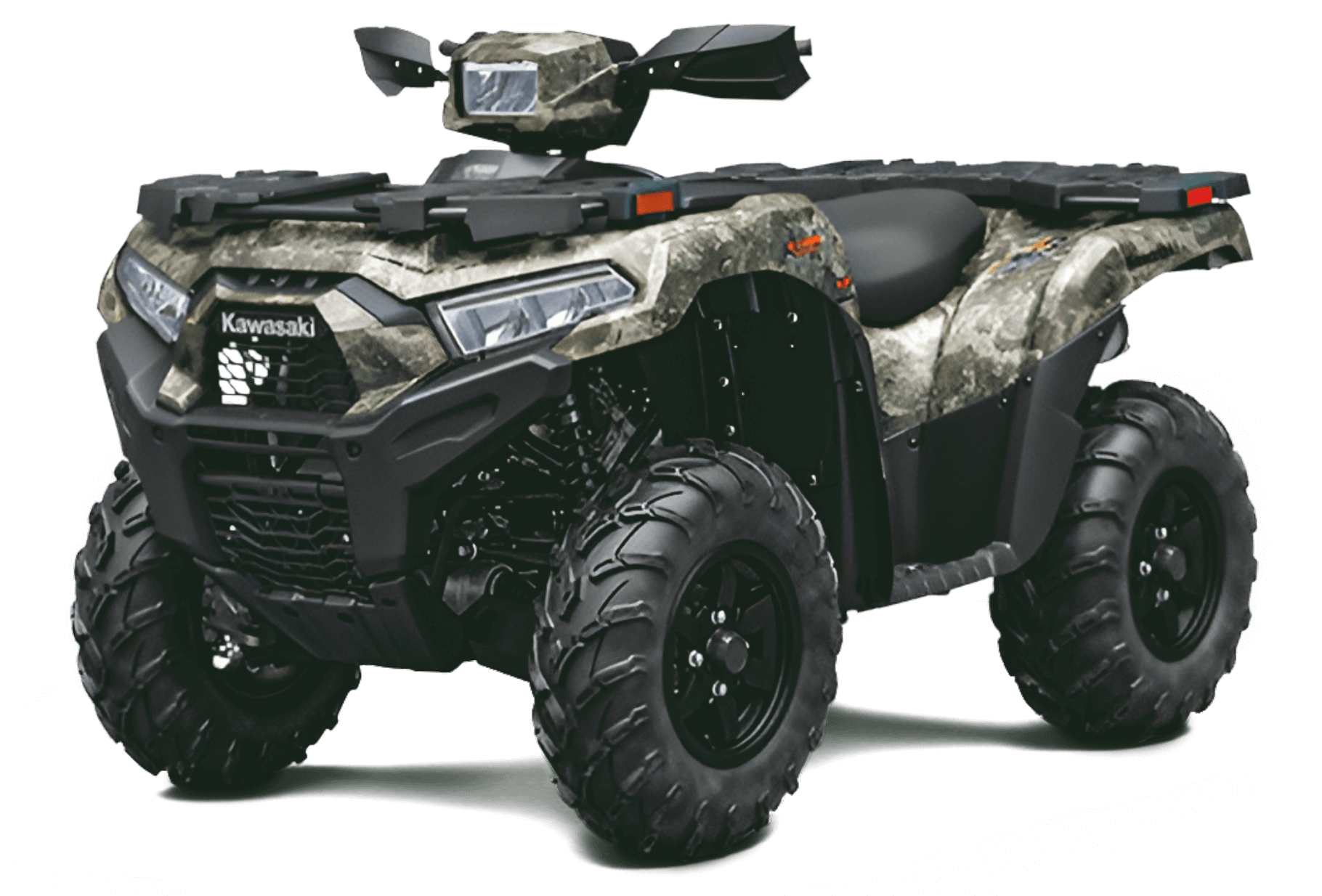
In 2026, average interest rates for all-terrain vehicle (ATV) loans typically range from 6.0% to 9.0% APR for buyers with excellent credit, while buyers with fair or poor credit may see rates between 12.5% and 29.99% APR. Rates depend on credit score, down payment, loan term, whether the vehicle is new or used, and whether you choose a secured powersports loan or an unsecured personal loan.
Disclaimer: This guide is for informational purposes only and does not constitute formal financial advice. Loan terms, interest rates, and approval criteria vary by lender, jurisdiction, and individual financial profiles. Always review loan agreements carefully and consult a qualified financial advisor before signing binding financial contracts.
Understanding ATV Financing and Loan Rates
Financing an all-terrain vehicle (ATV) or utility task vehicle (UTV) differs from standard auto financing. Because powersports vehicles are considered recreational assets rather than primary modes of transportation, lenders classify them as higher-risk loans. Consequently, base interest rates for ATVs are generally slightly higher than those for standard passenger automobiles, though usually lower than credit card interest rates.
When financing an ATV, borrowers generally choose between two primary structure types:
1. Secured Powersports Loans
A secured loan uses the ATV itself as collateral. If the borrower defaults on payments, the lender maintains the legal right to repossess the vehicle to recover the outstanding balance.
- Pros: Lower average interest rates, longer repayment terms (up to 72 or 84 months for high-value UTVs), and easier qualification for borrowers with average credit.
- Cons: Requires the borrower to maintain comprehensive and collision insurance coverage throughout the loan term; vehicle risk of repossession upon default.
2. Unsecured Personal Loans
An unsecured personal loan provides a lump sum of cash to purchase the ATV outright from a dealer or private seller. The lender does not take a lien on the vehicle title.
- Pros: The buyer owns the vehicle free and clear from day one; full-coverage insurance is not contractually mandated by a lienholder (though strongly recommended); flexible use of funds for accessories or gear.
- Cons: Higher interest rates compared to secured loans for the same credit profile; stricter credit score and income requirements for approval.
Average ATV Loan Rates by Credit Score
Your credit score is the single most significant factor determining the annual percentage rate (APR) you are offered. Lenders evaluate credit profiles to assign risk tiers, which dictate baseline interest rates and minimum down payment requirements.
Below is an overview of estimated average ATV loan interest rates across credit score spectrums in 2026.
| Credit Tier | Credit Score Range (FICO) | Estimated APR Range (Secured) | Estimated APR Range (Unsecured) | Recommended Down Payment | Typical Loan Term |
|---|---|---|---|---|---|
| Super Prime / Excellent | 740 – 850 | 5.99% – 8.99% | 7.49% – 10.99% | 0% – 10% | 36 – 60 months |
| Prime / Good | 670 – 739 | 8.50% – 12.50% | 10.50% – 14.99% | 10% – 15% | 48 – 60 months |
| Near Prime / Fair | 580 – 669 | 12.50% – 18.00% | 15.00% – 22.00% | 15% – 20% | 36 – 48 months |
| Subprime / Poor | Below 580 | 18.00% – 29.99%+ | 22.99% – 35.99%+ | 20%+ or Co-signer | 24 – 36 months |
Note: Promotional APRs as low as 0% to 3.99% may be available directly through manufacturer captive finance programs for qualified prime borrowers on select new models.
How Credit Score Tiers Affect Overall Financing Costs
- Prime Borrowers (740+ FICO): Enjoy access to manufacturer incentive programs, zero-down-payment options, and competitive rates from traditional banks and credit unions.
- Non-Prime Borrowers (580–669 FICO): May face higher interest rates, stricter income verification, and requirements for a minimum 10% to 20% cash down payment to offset lender risk.
- Subprime Borrowers (Below 580 FICO): Are generally limited to specialized subprime powersports lenders or unsecured bad-credit personal loans. High interest rates make short loan terms essential to prevent paying more in interest than the vehicle is worth.
Primary Sources for ATV Financing
Where you source your loan significantly impacts the rate and terms you receive. Prospective buyers should explore four main lending avenues before finalizing a purchase.
- ATV Financing Options
- Credit Unions & Banks
- Manufacturer OEM Financing
- Specialized Powersports Lenders
- Unsecured Online Personal Loans
1. Credit Unions and Local Banks
Credit unions frequently offer some of the lowest standard APRs on powersports loans. Because credit unions are member-owned non-profit institutions, their earnings are often returned to members in the form of reduced loan rates and lower administrative fees.
- Best For: Borrowers with established banking relationships and good-to-excellent credit.
- Key Advantage: Lower baseline interest rates and more flexible underwriting than large national commercial banks.
2. Manufacturer (OEM) Captive Financing
Major ATV manufacturers—such as Polaris, Can-Am (BRP), Honda, Yamaha, and Kawasaki—partner with financial institutions (such as Sheffield Financial, Synchrony Bank, or Citi Retail Services) to offer captive financing.
- Best For: Buyers purchasing brand-new current-model or prior-year non-current inventory.
- Key Advantage: Promotional rates ranging from 0% to 4.99% APR during seasonal sales events for high-credit buyers.
- Caution: Promotional rates usually revert to significantly higher standard rates (e.g., 17.99%+) if the balance is not paid off within a promotional window, or if a payment is missed.
3. Specialized Powersports Lenders
Lenders specializing exclusively in motorcycles, RVs, boats, and ATVs understand the resale value and market dynamics of powersports equipment better than traditional lenders.
- Best For: Used ATV financing, non-traditional buyers, or financing through independent powersports dealerships.
- Key Advantage: Efficient approval process directly at the dealership finance desk.
4. Online Personal Loan Providers
Fintech lenders (such as LightStream, SoFi, or Upstart) offer fixed-rate personal loans that can be used for any purpose, including buying an ATV from a private seller on the secondary market.
- Best For: Private-party purchases, or buyers who want to avoid title liens and mandatory full-coverage vehicle insurance.
- Key Advantage: Rapid online prequalification without affecting credit scores, with funding often disbursed within 24 to 48 hours.
Key Factors That Determine Your ATV Interest Rate
Lenders evaluate risk using a combination of financial metrics and loan specifications. Understanding these variables allows borrowers to optimize their application to secure the lowest possible APR.
Debt-to-Income (DTI) Ratio
Lenders calculate your DTI by dividing your total monthly debt payments by your gross monthly income. A DTI ratio below 36% signals financial stability, making lenders more willing to offer competitive interest rates. A DTI above 45% may trigger higher interest rates or require a larger down payment, regardless of your credit score.
Loan Term Length
Loan terms for ATVs typically range from 24 to 72 months. While longer terms (60 to 72 months) result in lower monthly payments, they carry two major drawbacks:
- Higher APRs: Lenders charge higher interest rates on longer terms due to increased duration risk.
- Negative Equity: ATVs depreciate rapidly in their first two years. Long terms increase the risk of becoming "underwater"—owing more on the loan than the vehicle's market value.
Vehicle Age: New vs. Used ATVs
- New ATVs: Qualify for the lowest interest rates and manufacturer promotional APRs. Lenders view new units as lower risk because they carry factory warranties and predictable market values.
- Used ATVs: Generally incur interest rates 1.5% to 4.0% higher than new units. Many traditional lenders enforce age cutoffs, refusing to finance powersports vehicles older than 7 to 10 years.
Down Payment and Loan-to-Value (LTV) Ratio
A substantial down payment lowers the lender’s Loan-to-Value (LTV) ratio—the total loan amount divided by the vehicle's appraised value.
- Putting down 10% to 20% of the vehicle’s purchase price reduces the loan amount, lowers total interest expenses, and often shifts the applicant into a lower interest rate bracket.
Total Cost Analysis: Calculating the Impact of Loan Terms and APR
When evaluating ATV financing options, looking only at the monthly payment can lead to costly mistakes. The total cost of borrowing depends heavily on the interaction between APR and term length.
Consider a hypothetical loan for a $10,000 ATV across different credit profiles and loan structures:
| Scenario | Credit Profile | APR | Term | Monthly Payment | Total Interest Paid | Total Cost of Purchase |
|---|---|---|---|---|---|---|
| Option A (Short Term, Prime) | Excellent (740+) | 6.99% | 36 Months | $308.77 | $1,115.72 | $11,115.72 |
| Option B (Standard Term, Prime) | Good (700) | 8.99% | 60 Months | $207.49 | $2,449.40 | $12,449.40 |
| Option C (Extended Term, Fair) | Fair (640) | 14.50% | 72 Months | $209.68 | $5,096.96 | $15,096.96 |
| Option D (Subprime) | Poor (570) | 21.99% | 48 Months | $314.43 | $5,092.64 | $15,092.64 |
Key Takeaways from the Comparison
- The Danger of Long Terms: Option C carries nearly the same monthly payment ($209.68) as Option B ($207.49), but costs an additional $2,647.56 in total interest due to an extra 12 months on the term and a higher APR.
- The Cost of Credit: Borrowers with fair or poor credit pay between 50% and 100% of the vehicle’s original value in interest fees over the life of an extended loan.
Step-by-Step Guide to Getting the Best ATV Loan Rate
Following a deliberate process ensures you obtain the lowest available rate and avoid common dealership traps.
- Check Credit Reports & Discrepancies
- Save a 10%–20% Cash Down Payment
- Obtain Pre-approvals from Credit Unions
- Compare OEM Promotions vs. Direct Rates
- Decline Unnecessary Financing Add-Ons
Step 1: Review Your Credit Profile
Before visiting a dealership or applying online, review your credit reports from Equifax, Experian, and TransUnion. You can check your consumer credit reports for free through official platforms authorized by federal law, such as AnnualCreditReport.com. Correct any errors or outdated collection accounts before submitting loan applications.
Step 2: Establish Your Budget and Save a Down Payment
Calculate the total out-the-door (OTD) price, which includes:
- Base MSRP / Sales price
- Freight and destination charges
- Dealer setup and assembly fees
- State/local sales tax and registration fees
Aim to save at least 15% to 20% of the total OTD price in cash. This reduces the principal balance and protects you against immediate depreciation.
Step 3: Secure Pre-Approval from Independent Lenders
Apply for pre-approval with your local credit union or an online lender before talking to dealership finance managers. A pre-approval gives you a firm baseline APR and leverage during price negotiations.
Step 4: Compare Dealer Financing Against Your Pre-Approval
When purchasing at a dealership, allow the finance department to review their lender network. Dealers often have access to wholesale rate tiers or OEM subvented rates (promotional low APRs) that beat standard bank pre-approvals. However, evaluate dealer offers against your pre-approved rate to ensure no hidden markups have been added.
Step 5: Audit the Final Financing Agreement
Review the Truth in Lending Act (TILA) disclosure block on your loan contract before signing. Verify:
- The exact Annual Percentage Rate (APR)
- The total finance charge (total interest paid over time)
- The amount financed
- Absence of prepayment penalties
- Removal of optional add-ons (such as extended service contracts, credit life insurance, or tire-and-wheel protection packages) unless explicitly desired.
Common Mistakes to Avoid When Financing an ATV
- Focusing Solely on the Monthly Payment: Dealerships may offer longer loan terms (e.g., 72 or 84 months) to lower the monthly payment, hiding a significantly higher APR and doubling the total interest cost.
- Ignoring Freight and Setup Fees: Financing unexpected dealer add-on fees inflates the loan balance beyond the vehicle’s actual market value.
- Failing to Account for Insurance Requirements: Lenders requiring collateral coverage mandate full comprehensive and collision insurance, which can add $50 to $150+ to your monthly powersports expenses.
- Accepting Promotional Rates Without Reading Fine Print: Deferred-interest plans often retroactively charge full interest back to the purchase date if the balance is not cleared before the promotional period ends.
Frequently Asked Questions
What credit score is needed to finance an ATV?
While there is no strict minimum credit score to finance an ATV, most traditional banks and credit unions prefer a FICO score of 660 or higher. Borrowers with credit scores between 580 and 650 can still secure financing through specialized powersports lenders or subprime personal loan providers, though interest rates will be higher (often 12% to 22% APR) and a down payment of 10% to 20% is typically required.
Can I finance a used ATV, and are used rates higher?
Yes, you can finance a used ATV through credit unions, banks, online personal loan providers, and specialized powersports lenders. However, interest rates for used ATVs are typically 1.5% to 4.0% higher than rates for new models. Lenders also enforce vehicle age limits (often capping eligibility at models older than 7 to 10 years) and maximum mileage/hour restrictions.
Is it better to use a personal loan or a powersports loan for an ATV?
A secured powersports loan generally offers lower interest rates because the vehicle acts as collateral for the debt. However, an unsecured personal loan provides complete ownership from day one without placing a lien on the title, and does not legally require you to carry full-coverage comprehensive insurance. Borrowers with excellent credit (740+) should compare rate quotes for both options to evaluate the net cost difference.
Do ATV loans require a down payment?
A down payment is not always required for buyers with excellent credit (740+ FICO) taking advantage of manufacturer promotional financing. However, for most borrowers, lenders recommend or require a down payment of 10% to 20%. Providing a down payment reduces your loan-to-value (LTV) ratio, increases approval odds, and lowers overall interest costs over the life of the loan.
What is the maximum loan term available for an ATV?
Standard ATV loan terms range from 24 to 60 months. For high-end utility task vehicles (UTVs) or side-by-sides exceeding $20,000 to $30,000 in value, some specialized lenders offer extended terms up to 72 or 84 months. Choosing terms longer than 60 months is generally discouraged due to rapid depreciation and high cumulative interest costs.
Final Recommendation: Steps to Take Before Signing
To secure the lowest rate on an ATV loan:
- Audit your credit report and resolve negative entries.
- Gather a cash down payment of 15% to 20% to avoid negative equity.
- Get pre-approved through a local credit union or online lender to establish a baseline rate.
- Compare OEM factory incentives against bank offers, paying close attention to fine print and promotional term limits.
- Stick to a loan term of 48 months or shorter to minimize total interest fees and protect your equity.
By shopping rates across multiple institutions and keeping loan terms reasonable, you can comfortably finance your ATV purchase while minimizing total borrowing costs.