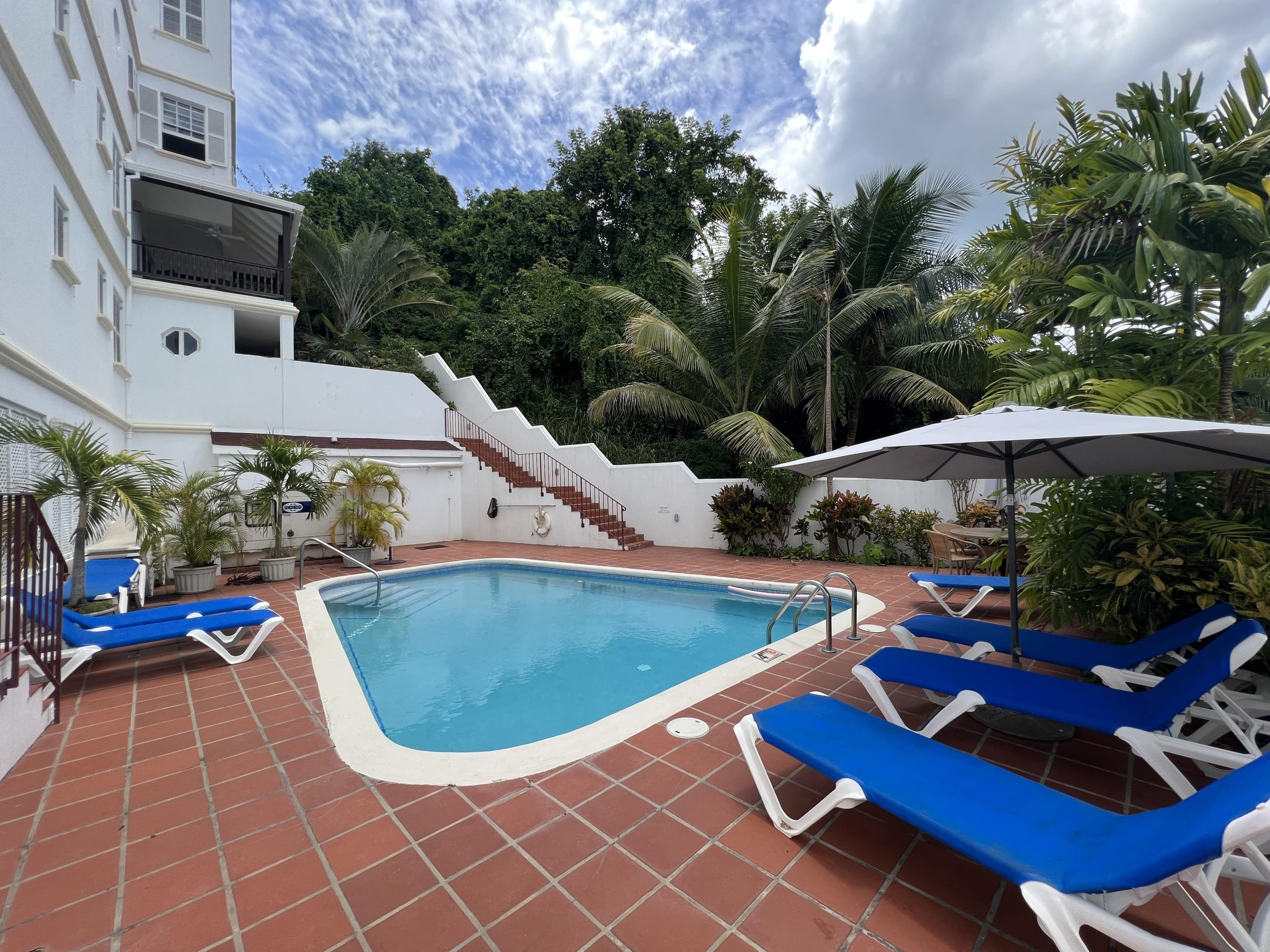
When preparing for a tropical getaway, selecting the right swimwear is paramount to balancing comfort, style, and cultural awareness. The term "ashanti bikini on caribbean vacations" captures a growing trend among travelers looking to merge vibrant, culturally inspired aesthetics with high-performance resort wear. Whether lounging on the pristine white sands of Barbados, exploring the rugged coasts of St. Lucia, or swimming in the turquoise waters of the Turks and Caicos, choosing a distinctive silhouette like the Ashanti bikini requires a comprehensive understanding of fabric selection, packing logistics, sun protection, and regional resort etiquette.
Understanding the Ashanti Aesthetic in Resort Wear
The appeal of the Ashanti-inspired bikini lies in its connection to rich West African textiles and patterns, characterized by bold geometric shapes, earthy tones, and vivid color combinations reminiscent of traditional Kente cloth styling. Bringing this aesthetic to Caribbean destinations allows travelers to make a distinct fashion statement while honoring a heritage of intricate textile artistry. Unlike minimalist solid-colored swimwear, patterned resort wear acts as a focal point, setting the tone for a curated vacation wardrobe.
When incorporating this style into a Caribbean itinerary, understanding how the design interacts with the environment is essential. High-contrast prints photograph exceptionally well against natural backdrops such as lush green rainforests, white coral sands, and deep blue ocean waters. However, integrating patterned swimwear into a broader travel wardrobe requires careful coordination with cover-ups, beach accessories, and evening resort wear to avoid visual clashing.
Key Characteristics of Ashanti-Inspired Swimwear
- Textile Patterns: Features bold geometric or linear motifs inspired by traditional weaving traditions.
- Color Palette: Dominated by rich earth tones, golds, deep reds, forest greens, and royal blues.
- Hardware and Accents: Often minimal to let the print stand out, though some designs incorporate brass or wooden rings to complement the earthy aesthetic.
- Fabric Composition: Typically blends spandex, polyester, and nylon to maintain shape and color vibrancy under harsh tropical conditions.
Selecting the Right Fabric and Construction for Tropical Climates
The Caribbean climate presents unique challenges for swimwear. High humidity, intense ultraviolet radiation, saltwater, and chlorinated resort pools can quickly degrade inferior fabrics. When packing an Ashanti bikini or any high-end resort wear, examining the material composition is critical for ensuring longevity and comfort throughout the trip.
Fabrics must offer a balance of elasticity, breathability, and chlorine resistance. Polyester-heavy blends generally retain their color and resist fading from chlorine and saltwater better than standard nylon blends, though nylon-spandex offers superior stretch and a softer hand-feel against the skin. Additionally, fully lined swimsuits prevent transparency issues when wet and provide structural support, which is particularly important for active beach days involving snorkeling or paddleboarding.
Fabric Performance Comparison for Caribbean Travel
| Fabric Blend | UV Resistance | Saltwater/Chlorine Durability | Breathability | Drying Time |
|---|---|---|---|---|
| Nylon-Spandex | Moderate | Moderate (requires rinsing) | High | Fast |
| Polyester-PBT | High | Excellent | Moderate | Moderate-Fast |
| Cotton-Blend (Lining) | Low | Low (retains moisture) | Low | Slow |
Packing and Wardrobe Coordination for Caribbean Destinations
A successful Caribbean vacation wardrobe relies on versatility. Relying on a single standout piece like an Ashanti bikini means building complementary outfits around it to maximize suitcase space and minimize overpacking. Resort destinations generally feature a relaxed daytime atmosphere that transitions into more formal resort-casual dress codes for evening dining.
Coordinating beachwear with lightweight daytime layers ensures a seamless transition from the shore to local beach bars, restaurants, and excursion sites. Breathable linen shirts, sarongs, crochet cover-ups, and wide-brim straw hats protect against the equatorial sun while maintaining a polished appearance.
Essential Packing Checklist for Resort-Style Travel
- Swimwear Rotation: At least two to three swimsuits to allow proper drying time between outings.
- Daytime Cover-Ups: Lightweight linen button-downs, cotton tunics, or traditional wraps.
- Footwear: Water-resistant sandals for the beach, comfortable walking shoes for historic town explorations, and dressy wedges or flat sandals for dinners.
- Sun Protection Gear: UV-blocking sunglasses, a wide-brimmed hat, and reef-safe sunscreen.
- Evening Attire: Lightweight maxi dresses or tailored resort-casual trousers for evening dining venues that enforce dress codes.
Navigating Local Etiquette and Resort Guidelines
While Caribbean islands are renowned for their relaxed, welcoming atmospheres, cultural norms and specific resort regulations regarding swimwear vary significantly across destinations. Understanding these nuances ensures respectful interactions with local communities and avoids awkward situations at upscale properties.
On most public beaches throughout the region, standard swimwear such as bikinis is entirely acceptable. However, wandering through local towns, visiting historic churches, or dining at open-air seaside cafes usually requires putting on a cover-up and footwear. Furthermore, certain high-end resorts enforce strict dress codes after sunset, prohibiting swimwear in indoor dining rooms, lobbies, and evening entertainment areas entirely. Topless sunbathing is discouraged or prohibited on many public and family-oriented beaches, varying by island territory and local municipality rules.
Maintenance and Care for Swimwear on the Road
Salt, sand, sunscreen, and body oils can damage delicate swimwear fibers if not properly treated during a trip. Maintaining the vibrancy of an Ashanti-inspired bikini requires daily post-beach maintenance, especially when traveling across multiple island locations where laundry facilities may be limited.
- Immediate Rinsing: Always rinse the swimsuit in cold fresh water immediately after leaving the ocean or pool to remove salt, chlorine, and chemical residues.
- Gentle Washing: Wash by hand using mild, sulfate-free detergent or specialized swimwear soap. Avoid heavy-duty laundry detergents that strip elastic fibers.
- Proper Drying: Never wring out a swimsuit, as this stretches and distorts the fabric. Instead, gently press out excess water with a clean towel and lay flat to dry in the shade. Direct, harsh sunlight can cause vivid printed dyes to fade prematurely.
- Sand Removal: Ensure all trapped sand grains are completely removed from fabric seams and linings before packing the garment away to prevent fabric abrasion.
Frequently Asked Questions
What makes an Ashanti bikini suitable for a Caribbean vacation?
An Ashanti bikini combines striking, culturally inspired patterns with high-performance swimwear construction. Its vibrant aesthetic stands out against tropical backdrops, while durable fabric blends withstand the rigors of saltwater, sand, and intense sunlight.
Are there specific dress codes to keep in mind when wearing swimwear in the Caribbean?
Yes. While bikinis are appropriate for beaches and pool decks, it is customary and often required to wear a cover-up and footwear when entering towns, local shops, restaurants, and hotel lobbies. Upscale resorts also enforce strict dress codes for evening dining.
How can I prevent my bright printed swimwear from fading in the Caribbean sun?
Protect your swimwear by rinsing it immediately after swimming, avoiding direct prolonged exposure to harsh midday sun while drying, and washing it by hand with mild detergents that preserve color integrity.
What should I pack alongside a statement bikini for a versatile vacation wardrobe?
Pack lightweight linen shirts, breathable sarongs, wide-brim hats, polarized sunglasses, and versatile resort-casual evening wear such as maxi dresses or lightweight trousers to transition easily from beach to dinner.
Is reef-safe sunscreen necessary in the Caribbean?
Many Caribbean destinations, including parts of the U.S. Virgin Islands, Bonaire, and marine parks throughout the region, legally require or strongly encourage the use of reef-safe sunscreen to protect fragile coral ecosystems from chemical damage caused by oxybenzone and octinoxate.
Conclusion and Next Actions
Planning a Caribbean vacation featuring standout resort wear like an Ashanti bikini involves more than just selecting an eye-catching design. By prioritizing durable fabric blends, coordinating a versatile travel wardrobe, respecting local cultural norms, and properly maintaining your garments against salt and sun, you ensure a seamless and stylish travel experience. Begin your preparation by auditing your current travel inventory, investing in certified reef-safe sun protection, and confirming the specific dress codes of your chosen resort or island destination before departure.