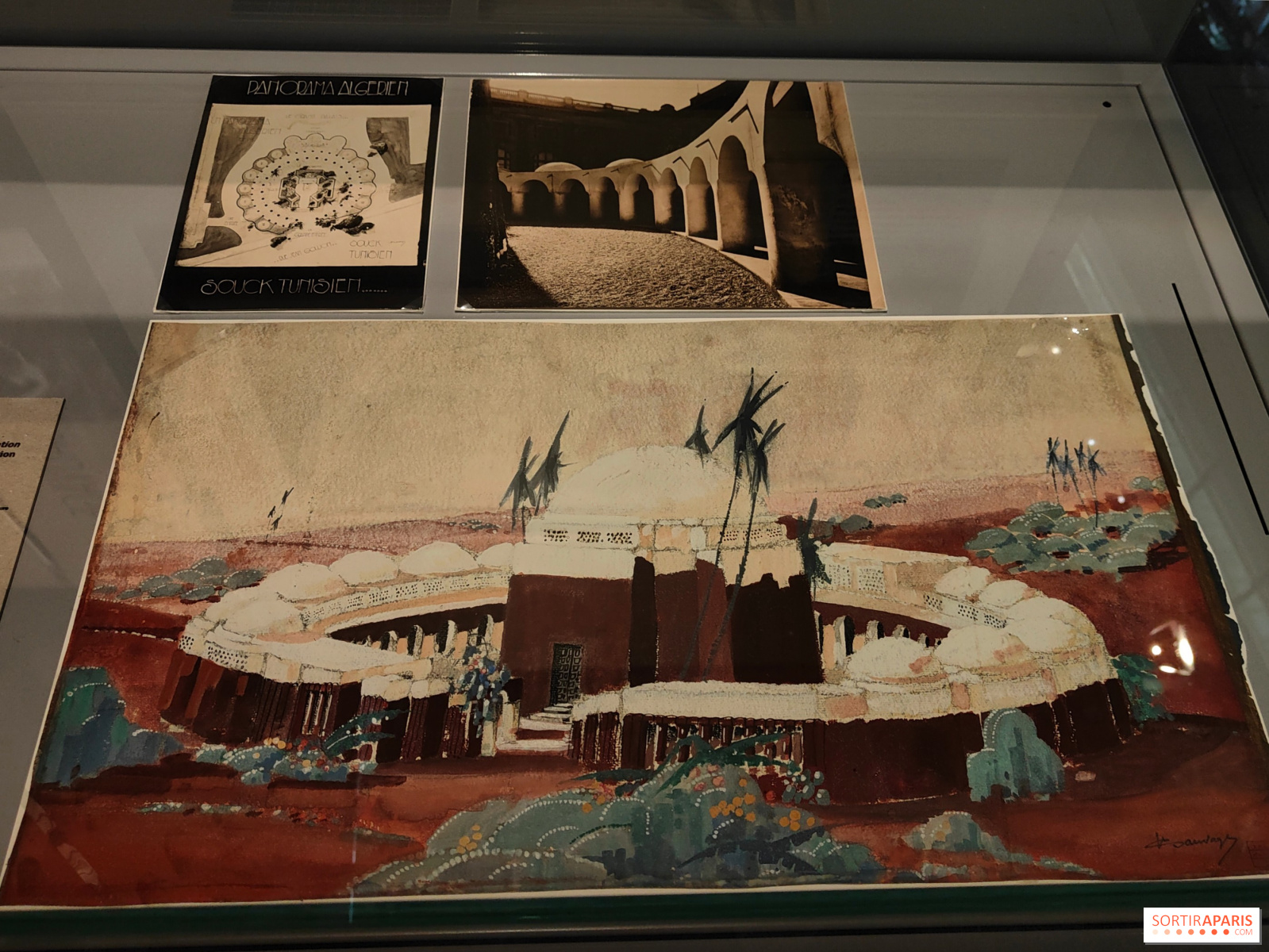
Art Deco represents a transformative design movement that originated with the 1925 Exposition Internationale des Arts Décoratifs et Industriels Modernes in Paris and maintains a powerful influence on global aesthetics through 2025. It is defined by its embrace of machine-age technology, geometric precision, luxury materials, and a recurring tension between historical ornamentation and industrial streamlining.
The Genesis: 1925 and the Parisian Catalyst
The official birth of the style is attributed to the 1925 Exposition Internationale des Arts Décoratifs et Industriels Modernes. While the seeds of the movement were sown in the years following World War I, this Paris exhibition crystallized a shift away from the fluid, asymmetrical organicism of Art Nouveau toward a more disciplined, modern vocabulary. The French government mandated that every display be strictly contemporary, prohibiting historical pastiche.
This mandate forced artisans and architects to synthesize luxury with industrial production. The 1925 aesthetic relied heavily on exotic veneers, shagreen, lacquer, and inlaid ivory, combined with rigid symmetry. By the late 1920s, this luxury-oriented "Style Moderne" began to diffuse globally, adapting to the specific socio-economic conditions of cities like New York, Shanghai, and Mumbai.
The Evolution of the Streamline Moderne (1930–1939)
As the world entered the Great Depression, the high-luxury aesthetic of the 1920s became untenable. The movement underwent a profound metamorphosis into what is now known as Streamline Moderne. This sub-style shifted the focus from decorative ornamentation to aerodynamic form, influenced by advancements in aviation, maritime engineering, and automotive design.
Buildings and objects from this period prioritized long horizontal lines, rounded corners, and "speed stripes." Materials shifted from expensive ebony and ivory to accessible, industrial components like chrome, glass block, and smooth concrete. The 1930s Art Deco movement reflected a societal aspiration for efficiency and progress during a decade defined by economic struggle. Architects applied these principles to the design of cinema houses, post offices, and even household appliances, creating a cohesive visual language that promised a future of technological harmony.
Post-War Persistence and Mid-Century Modernism
During the 1940s and 1950s, Art Deco did not disappear; it evolved into the vernacular of the suburban boom. While the International Style—characterized by austere, minimalist glass-and-steel boxes—began to dominate architectural education, the decorative sensibilities of Art Deco persisted in commercial signage, theater lobbies, and furniture design.
By the mid-1960s, the "Deco revival" began. As the pop-culture landscape turned toward the colorful and the camp, designers revisited the 1925–1939 period with nostalgia. This revival treated the original movement as a historical canon, leading to the preservation efforts that saved iconic structures like the Chrysler Building and the Miami Beach Architectural District from demolition.
Art Deco in the 21st Century (2000–2025)
As of 2026, the legacy of Art Deco serves as a fundamental pillar of contemporary luxury branding and high-end residential interior design. Its presence today is categorized by three primary modes of expression:
- Restoration and Adaptive Reuse: Many original 1920s and 30s structures have been converted into boutique hotels and luxury apartments. These projects prioritize the preservation of original metalwork, elevators, and lobby murals while updating MEP (Mechanical, Electrical, and Plumbing) systems to meet modern building codes.
- Neo-Deco Branding: Modern luxury houses in the fashion and jewelry sectors frequently cite 1925 design patterns. The use of repeating geometric motifs and high-contrast color palettes (black, gold, and cream) remains a shorthand for status and historical permanence.
- Digital Aesthetics: In 2025, digital product design and UI/UX often borrow the balanced typography and metallic textures associated with the machine age to convey a sense of "premium" digital interaction.
Comparative Analysis of Style Eras
| Feature | 1925–1929 (Original Deco) | 1930–1939 (Streamline) | 2000–2025 (Modern Legacy) |
|---|---|---|---|
| Primary Form | Vertical, rigid, stepped | Horizontal, rounded, low | Variable, fusion-based |
| Key Materials | Ivory, Ebony, Lacquer | Chrome, Glass Block, Steel | Sustainable, Synthetic, Digital |
| Philosophy | Opulence, Luxury | Speed, Efficiency | Nostalgia, Branding, Craft |
| Architecture | Skyscrapers, Luxury liners | Cinemas, Gas stations | Boutique hotels, Luxury condos |
Preservation Requirements for Modern Owners
For those managing or owning historical Art Deco property or artifacts in 2026, maintaining the integrity of the design requires adherence to specific preservation standards.
- Material Authentication: Before any restoration, verify that metal finishes are original rather than later-added electroplating. Authentic 1920s fixtures often utilize brass or nickel, whereas 1930s hardware is frequently chromium-plated steel.
- Structural Integrity: Streamline Moderne concrete surfaces, common in 1930s constructions, are prone to carbonation. Property owners should conduct periodic facade inspections to prevent rebar corrosion, a common failure point that can threaten the aesthetic finish.
- Regulatory Compliance: Many Art Deco landmarks are protected by municipal, state, or national historic registries. Modifications to windows, facade paint, or interior decorative elements usually require approval from a design review board or historical commission.
Common Mistakes in Modern Art Deco Integration
A frequent error in 2026 design projects is the conflation of "Art Deco" with "Mid-Century Modern." While both share a love for geometry, their origins are distinct. Attempting to force an 8-foot ceiling space to replicate the verticality of a 1929 lobby often results in a cramped, cluttered feeling.
Effective integration involves selecting one or two signature elements—such as a sunburst mirror, a geometric tile pattern, or high-contrast brass hardware—rather than attempting a full-room replication. Using high-quality replicas is standard, but the key is maintaining the "machine-age" commitment to symmetry. If the layout of the furniture or the pattern of the wallpaper lacks mathematical precision, the Art Deco intent is lost.
Frequently Asked Questions
What constitutes an authentic Art Deco piece versus a reproduction?
Authenticity is verified through construction methods and material sourcing. Originals from 1925–1939 typically feature solid hardwoods, genuine inlays (mother-of-pearl, tortoiseshell), and hand-finished metals. Reproductions often use veneers over MDF or mass-produced stamping techniques. Checking for manufacturer stamps, patent numbers, or signs of traditional joinery is essential.
Is Art Deco currently considered a sustainable design choice?
Art Deco is inherently sustainable when it involves the preservation and reuse of existing structures. The high-quality craftsmanship of the period allows for furniture and fixtures to be refurbished multiple times. However, new construction using authentic period materials like rare woods is discouraged; modern designers should seek FSC-certified alternatives.
How does the 2025 market value Art Deco antiques compared to previous decades?
The market is increasingly bifurcated. Mid-market mass-produced Art Deco items have leveled off in value, while high-provenance items—specifically original works by designers like Émile-Jacques Ruhlmann or Paul Frankl—continue to appreciate as they are increasingly acquired by global collectors and museums.
Are there specific guidelines for updating an Art Deco electrical system?
Yes. Original Art Deco light fixtures often have brittle cloth-covered wiring that does not meet 2026 safety standards. Restoration professionals recommend keeping the original housing while performing a complete re-wire using modern UL-listed socket interiors to maintain safety without sacrificing historical appearance.
Practical Next Steps for Enthusiasts
If you are beginning a collection or a renovation project, start by auditing your existing space or portfolio. Identify whether you are working with an original historical context or a modern space requiring an "Art Deco touch." For renovations, contact a local historical preservation office to determine if your building is part of a designated district, as this will influence which contractors and materials you are permitted to use.
For collectors, prioritize pieces with documented history. The 2026 market is flooded with "Deco-style" items; verify the age of your acquisitions through reputable auction houses or expert appraisers to ensure you are investing in authentic design history rather than contemporary decorative styling.