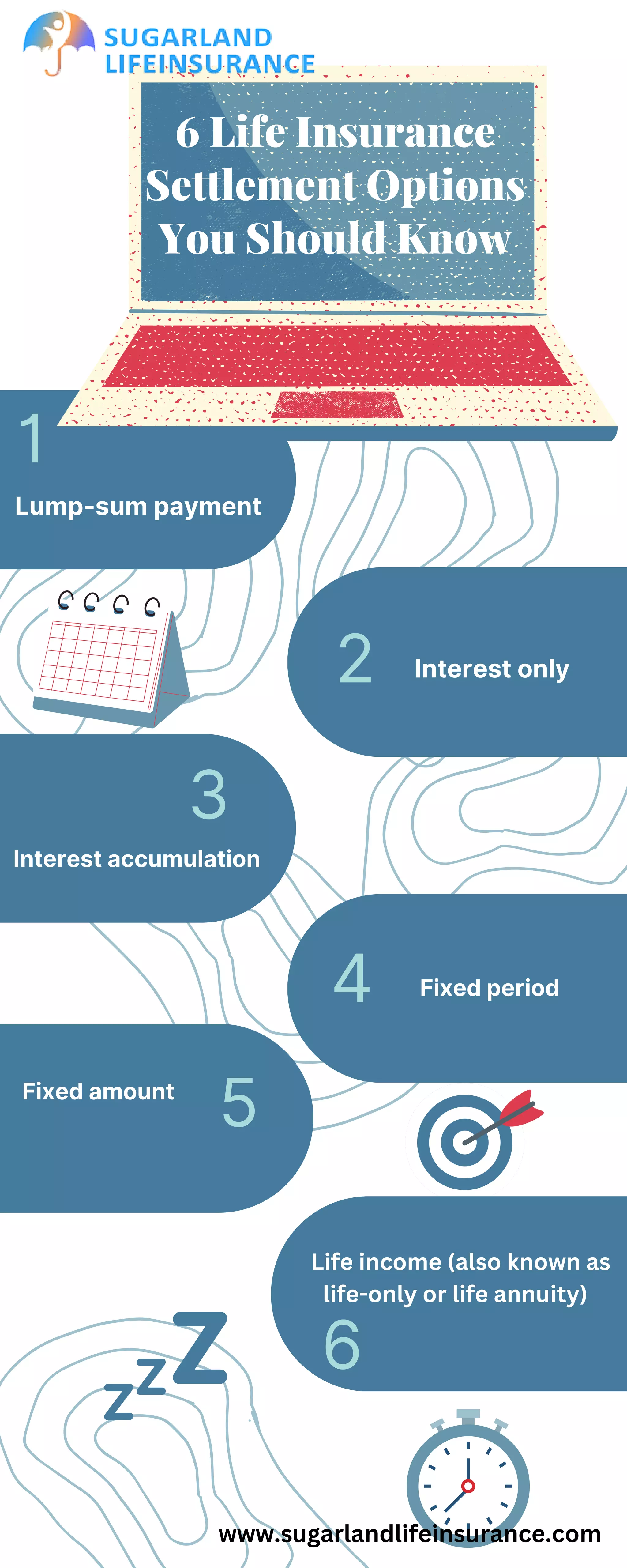
Are annuities often used as life insurance settlement options? Yes, they are a primary mechanism for receiving death benefit proceeds. When a policyholder passes away, beneficiaries are rarely limited to receiving a lump-sum payment. Many life insurance contracts include provisions that allow beneficiaries to choose an annuity—or a series of periodic payments—as their settlement method, providing a steady stream of income rather than a single, immediate disbursement.
The Mechanics of Life Insurance Settlements
When a life insurance policy matures due to the death of the insured, the insurance company owes the death benefit to the designated beneficiaries. While the default or most common payout method is a lump-sum cash payment, most insurance contracts define a set of "settlement options" that the beneficiary can elect.
An annuity settlement essentially converts the death benefit into a financial product that pays out over a defined period or for the duration of the beneficiary’s life. This process is managed directly by the insurance company that issued the underlying life insurance policy. The insurer acts as the payor, using the death benefit as the principal amount to fund the annuity payments.
Why Beneficiaries Choose Annuity Settlements
Financial planning is rarely one-size-fits-all. A lump sum offers immediate liquidity, which is useful for paying off debts, settling estate taxes, or funding large, immediate expenses. However, an annuity settlement is often chosen for its capacity to provide long-term financial security.
- Structured Income: For beneficiaries who may struggle with managing a large inheritance or a sudden influx of cash, an annuity provides disciplined, periodic payments.
- Longevity Risk Protection: By choosing a "life income" settlement option, the beneficiary ensures they will receive payments as long as they live, regardless of how long that may be. This effectively shifts the risk of outliving one’s assets from the beneficiary to the insurance company.
- Potential Tax Advantages: While the death benefit itself is generally income-tax-free, the interest portion of periodic payments may be subject to different tax treatments depending on the specific settlement option selected. Beneficiaries often consult with tax professionals to understand how these payments impact their specific tax bracket.
Common Types of Settlement Options
When reviewing the settlement provisions of a life insurance policy, you will typically encounter several structured options that function like annuities.
1. Interest Only
In this scenario, the insurance company retains the death benefit and pays only the interest earned on that amount to the beneficiary. The principal remains intact and can be distributed at a later date or upon the death of the beneficiary. This is often chosen when the beneficiary wants to preserve the capital for future generations while generating a small income stream.
2. Fixed Period (Period Certain)
The insurer pays out the death benefit plus interest in equal installments over a specific number of years. If the beneficiary dies before the end of the term, the remaining payments typically continue to a secondary beneficiary or the estate. This is a common choice for covering specific obligations, such as college tuition or a mortgage.
3. Fixed Amount
The beneficiary chooses a specific dollar amount they wish to receive periodically. The insurer continues to make these payments until the principal and interest are exhausted. Unlike the fixed period option, the duration of the payments is variable, dependent on the interest rate environment and the chosen payout amount.
4. Life Income
This is the most "annuity-like" option. The insurer guarantees a payout for the remainder of the beneficiary’s life. Variations include "Life with Period Certain," where payments are guaranteed for the beneficiary’s life but also include a minimum number of years, ensuring that if the beneficiary dies early, a remainder is paid to their heirs.
Comparison of Settlement Methods
Choosing the right settlement method requires a careful assessment of the beneficiary's immediate needs versus their long-term financial goals.
| Settlement Method | Primary Benefit | Risk Profile |
|---|---|---|
| Lump Sum | Immediate access to full capital | High risk of poor management |
| Interest Only | Preserves principal for heirs | Inflation risk on fixed principal |
| Fixed Period | Predictable, finite income | Risk of outliving the payments |
| Life Income | Lifetime financial security | Lower flexibility; irreversible |
Legal and Contractual Prerequisites
Annuity settlement options are not automatic; they are contractual features of the life insurance policy. Before assuming an annuity is available, beneficiaries must verify the specific language within the decedent’s policy document.
- Policy Provisions: Most modern policies list these options in the "Settlement Options" or "Proceeds" section of the contract. If a policy was issued decades ago, the available options may be more limited or carry different guaranteed interest rate structures.
- Beneficiary Rights: Usually, the policy owner (the insured) chooses the settlement option at the time of purchase. However, if the owner did not make a selection, the insurance company often grants the beneficiary the right to elect an alternative settlement option upon the death of the insured.
- Minimum Requirements: Some insurers require a minimum death benefit amount (e.g., $10,000 or $25,000) to qualify for certain annuity settlement plans to justify the administrative costs of managing long-term payments.
Potential Drawbacks and Considerations
While annuity-style settlements offer stability, they are not without downsides. Once a beneficiary elects a life-income settlement, the decision is almost always irrevocable. If the beneficiary has a sudden need for a large amount of cash—such as for an emergency medical procedure—they may be unable to access the principal, as the funds have been converted into a stream of payments.
Additionally, inflation can erode the purchasing power of fixed payments over time. Unlike a diversified investment portfolio, which may grow over the decades, a fixed annuity settlement will pay the same nominal amount regardless of the rising cost of living. Beneficiaries must balance the comfort of a "guaranteed" income against the potential for higher returns through other investment vehicles.
The Role of Financial Professionals
Given the complexities involved, beneficiaries are encouraged to consult with a financial advisor or a Certified Financial Planner (CFP) before finalizing their settlement choice. Advisors can perform a "needs analysis" to determine if a lump sum should be invested in a brokerage account, or if the insurer’s settlement option provides a superior risk-adjusted return.
Furthermore, advisors can clarify the tax implications of the interest component of these payments. While the principal of a life insurance death benefit is generally not taxable income under U.S. law, any interest earned on that principal after the death of the insured—which is essentially what occurs during a settlement payout—is often treated as taxable income.
Steps to Initiate a Settlement
If you are a beneficiary looking to initiate an annuity settlement, follow these structured steps:
- Obtain the Policy and Death Certificate: You will need the original policy documents and a certified copy of the death certificate to begin the claims process.
- Contact the Insurer: Reach out to the insurance company’s claims department. Ask specifically for a "Settlement Options Information Kit."
- Review the Payout Tables: The insurer will provide documentation detailing the available interest rates and payment factors associated with each option.
- Compare Alternatives: Compare the insurer's guaranteed payout against what might be earned by taking a lump sum and placing it into a market-based investment or a privately purchased annuity.
- Submit the Election Form: Once a decision is made, you will complete the settlement election form provided by the insurer. Ensure that all secondary beneficiary designations are updated, as these will dictate what happens to the remaining balance upon your death.
Resolving Common Ambiguities
A common point of confusion exists between "life insurance settlement options" and "viatical or life settlements." A life settlement (or viatical settlement) involves a living policyholder selling their policy to a third-party investor for an immediate cash payment, which is unrelated to the beneficiary’s choice of settlement options after death.
When discussing "annuities as settlement options," we are strictly referring to the internal payout methods provided by the insurance company to the beneficiary. Distinguishing between these helps ensure that the beneficiary is utilizing the correct contractual mechanism intended by the policy.
Frequently Asked Questions
Are annuity settlement options available for all life insurance policies? Not necessarily. While most permanent life insurance policies (like whole or universal life) include these options, some term life policies may restrict payouts to a lump sum only. Always verify the specific policy contract to confirm available settlement provisions.
Can I change my mind after choosing an annuity settlement? Generally, no. Most settlement elections are irrevocable once the first payment is issued. This is why it is critical to evaluate your long-term financial needs thoroughly before selecting a payout structure.
Does the insurance company guarantee the payments? Yes, the payments are guaranteed by the issuing insurance company. The safety of these payments relies on the financial strength and claims-paying ability of the insurer. It is advisable to verify the insurer's ratings through independent agencies like A.M. Best or S&P Global.
Do I pay taxes on the money received through these settlements? The death benefit principal is typically tax-free. However, the interest generated on that money—which is built into the periodic payments—is usually taxable as ordinary income. You should consult a tax professional to understand your specific reporting requirements.
What happens to the money if I die before the period ends? If you have chosen a "period certain" option, the remaining payments will typically go to your named secondary beneficiaries or your estate. If you chose a "life-only" option, the payments usually cease upon your death, unless specific "survivor income" riders were included.
Are there fees associated with these settlement options? Most insurers do not charge explicit "fees" for these options; instead, the cost is embedded in the interest rate offered. The insurer essentially keeps the spread between what they earn on the funds and what they pay you in your installment.
Final Recommendations for Beneficiaries
If you are currently evaluating settlement options, do not rush the decision. Insurance companies will provide ample time to review your choices. Start by requesting a summary of benefits from the insurer, and if the death benefit is substantial, seek the guidance of a fee-only financial advisor.
Your goal is to align the payout structure with your current life stage. A younger beneficiary might benefit from a fixed-period option to cover ongoing expenses, whereas an older beneficiary might prioritize the lifelong security of a life-income option. By treating the death benefit as an asset that can be structured to support your unique financial narrative, you ensure the protection intended by the original policyholder continues effectively into the future.