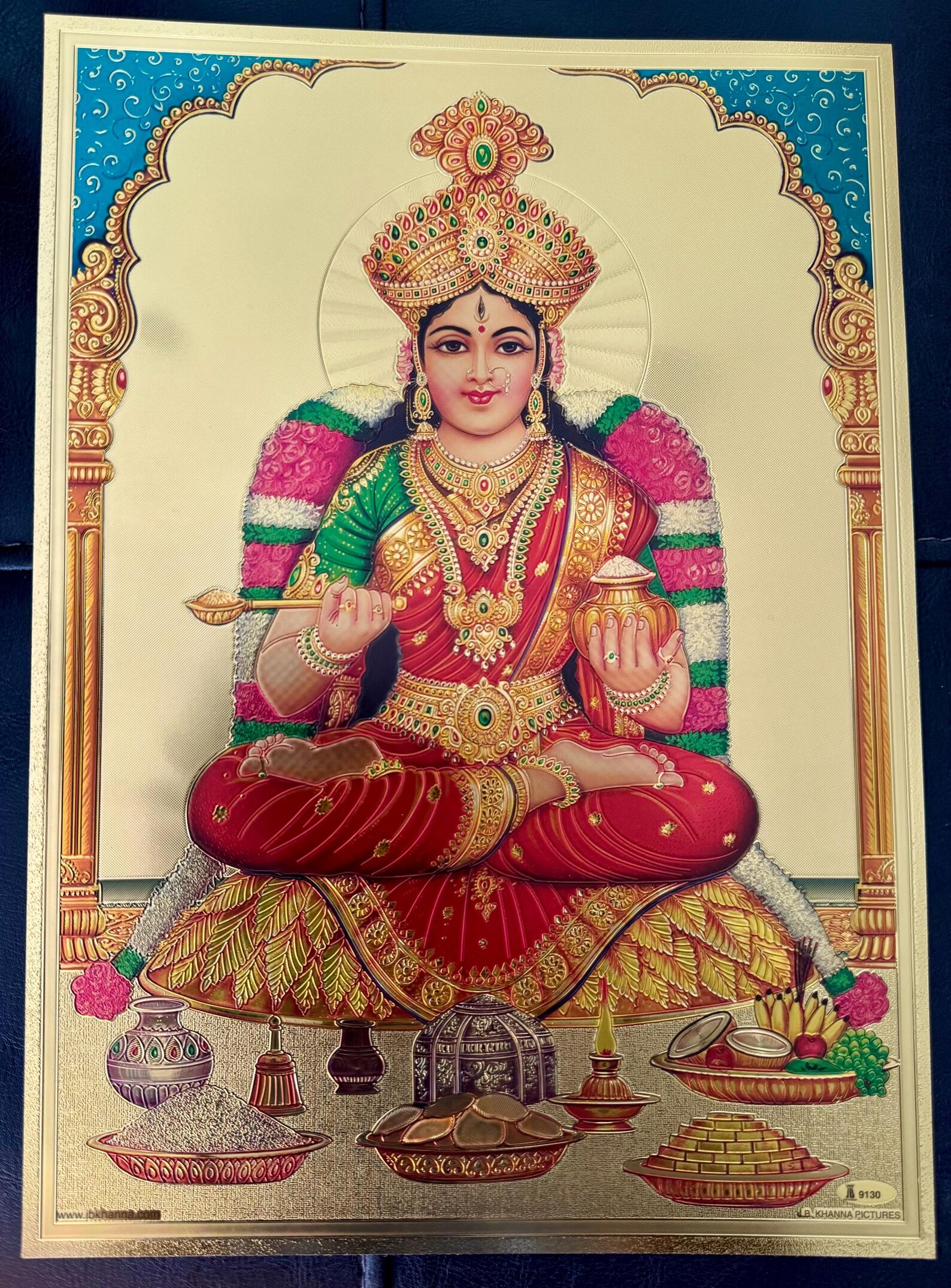
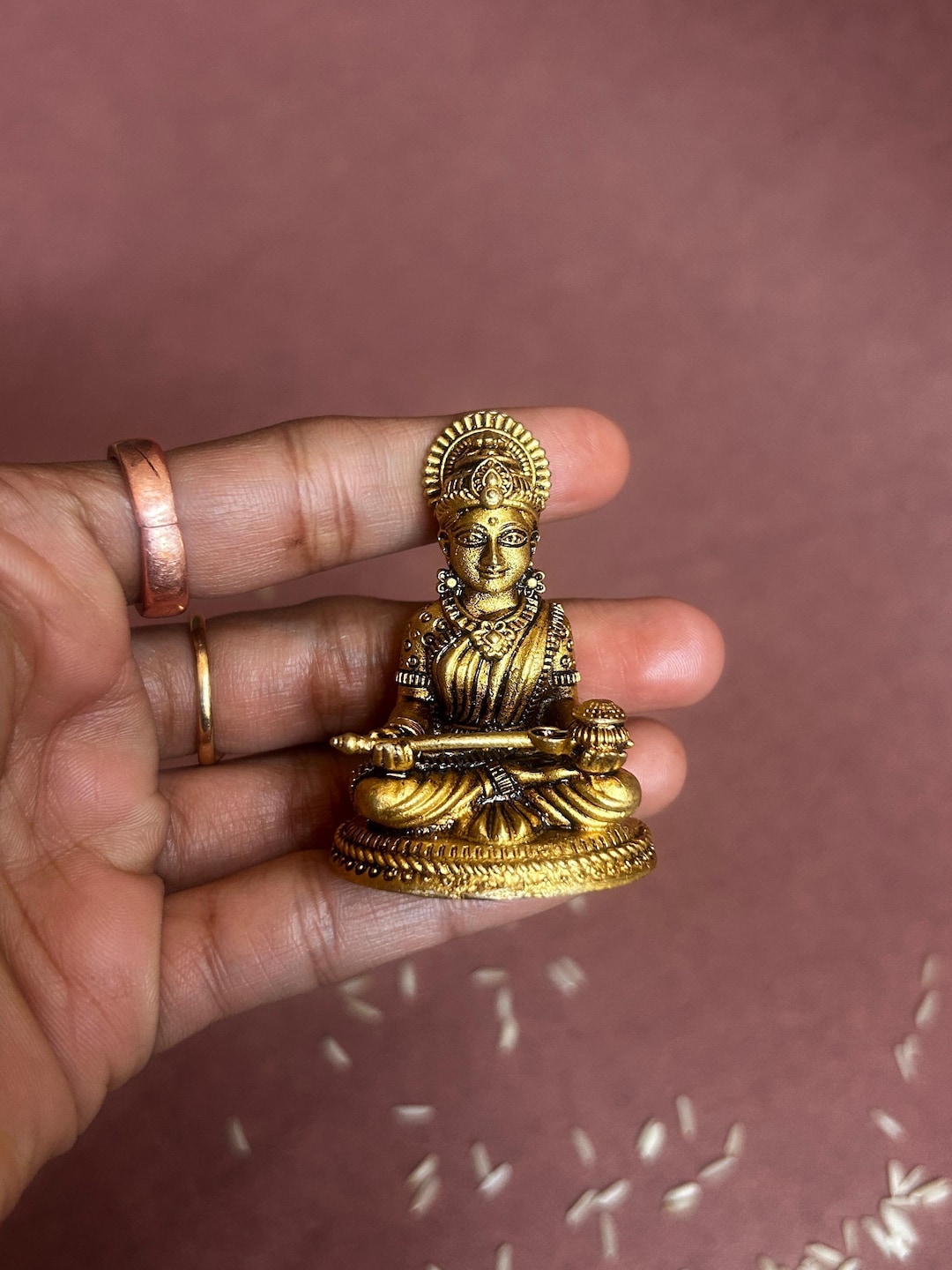
In Vastu Shastra and Hindu tradition, the ideal placement for an Annapurna Devi photo or idol is the Northeast corner of the kitchen. If the Northeast is unavailable, the West is considered a secondary auspicious direction. The photo should ideally face East to invite positive solar energy, ensuring that the household remains blessed with health, abundance, and an unending supply of food.
Goddess Annapurna, an incarnation of Goddess Parvati, is the deity of food and nourishment. Her name is derived from the Sanskrit words "Anna" (food) and "Purna" (complete or full). Incorporating her presence into the kitchen—the heart of the home—is more than a decorative choice; it is a spiritual practice intended to sanctify the act of cooking and consumption. As we navigate the home design trends of 2026, the integration of traditional Vastu principles with modern modular kitchen aesthetics has become a primary focus for homeowners seeking a balanced lifestyle.
The Spiritual Significance of Goddess Annapurna
To understand why the placement of an Annapurna Devi photo is so critical, one must first understand the metaphysical role she plays. According to Vedic tradition, food is not just fuel; it is Brahman (the ultimate reality). The act of cooking is a sacrificial ritual (Yajna) where the fire of the stove transforms raw ingredients into life-sustaining energy.
Goddess Annapurna is famously associated with the city of Kashi (Varanasi). Legend tells of a time when Lord Shiva argued that the world was an illusion (Maya) and that food was also an illusion. To demonstrate the necessity of the material world, Goddess Parvati disappeared, causing a global famine. Realizing that the physical body cannot pursue spiritual enlightenment without nourishment, Shiva eventually acknowledged the importance of food. Parvati reappeared in Kashi as Annapurna and fed Shiva, who came to her with a begging bowl. This story highlights the Goddess as the provider who sustains the physical form so the soul can seek truth.
Having her image in your kitchen serves as a constant reminder to treat food with respect, to cook with a calm mind, and to practice gratitude. In 2026, where the "mindful eating" movement has reached its peak, the presence of Annapurna Devi aligns perfectly with the psychological need to connect with the source of our sustenance.
Ideal Vastu Locations for Annapurna Devi in the Kitchen
Vastu Shastra provides specific guidelines on directions to ensure that the energy (Prana) flows correctly within a space. The kitchen is dominated by the fire element (Agneya), typically located in the Southeast. However, the placement of divine symbols follows the rules of the water and spirit element (Ishanya).
The Northeast Corner (Ishanya)
The Northeast is considered the most sacred direction in any structure. It is the point where the magnetic energy of the Earth is strongest. Placing an Annapurna Devi photo in the Northeast corner of the kitchen creates a "Pooja" zone within the culinary space. This direction is associated with clarity, health, and spiritual growth. When the Goddess is placed here, her energy is said to "cool" the aggressive nature of the kitchen fire, ensuring that the food prepared is "Sattvic" (pure and balanced).
The West Direction
If the layout of your modular kitchen prevents placement in the Northeast—common in modern 2026 apartment designs—the West is an acceptable alternative. The West is ruled by Lord Varuna and is associated with stability and gains. Placing the photo here ensures that the resources of the house are preserved and that the family’s "food basket" never runs dry.
Avoidance Zones
It is imperative to avoid placing the photo in the South or Southwest directions. These areas are associated with the ancestors or the earth element and are not considered conducive for the "active" energy of a kitchen deity. Furthermore, never place the photo on a wall that shares a boundary with a bathroom or directly under a heavy storage cabinet, as this is seen as disrespectful and energetically draining.
Iconography: Choosing the Right Photo or Idol
When selecting an Annapurna Devi photo for a 2026 kitchen setup, the details in the imagery matter. Traditional iconography depicts her in a specific pose that symbolizes her role as the universal provider.
- The Golden Bowl and Ladle: Ensure the photo depicts the Goddess holding a golden bowl in one hand and a jeweled ladle in the other. This signifies that she is ready to distribute food to all who ask.
- Seated Position: A seated Annapurna (often on a throne) represents stability and the permanence of wealth in the home. While standing poses are common in temples, seated poses are preferred for residential kitchens to invite "Sthir" (stable) Lakshmi and Annapurna.
- Lord Shiva’s Presence: Many photos show Lord Shiva standing before her with a begging bowl. This specific depiction is highly auspicious as it represents the balance between the material (Annapurna) and the spiritual (Shiva). It reminds the household that even the highest consciousness requires the grace of the Goddess to manifest.
- Material and Framing: For 2026 interiors, gold-foiled photos or high-quality canvas prints are popular. If using a frame, natural wood is preferred over synthetic materials like plastic or fiber. Wood is an elemental material that resonates with the organic nature of food.
Installation and Sthapana Rituals
Installing the photo is not merely about driving a nail into the wall. A simple "Sthapana" (establishment) ritual helps in aligning the object with the home's energy.
- Auspicious Timing: Choose a Friday (the day of the Goddess) or a full moon day (Purnima) for the installation. In 2026, checking the lunar calendar for "Shubha Muhurta" is recommended.
- Purification: Before placing the photo, clean the designated area with Ganga water or a mix of water and turmeric. This removes any "Vastu Dosha" or residual construction energy from the wall.
- The Altar (Asana): Do not place the photo directly against the wall if possible. Use a small wooden shelf or a "Mandir" bracket. Place a yellow or red silk cloth on the shelf before setting the photo down. Yellow represents knowledge and grain, while red represents the energy of the Goddess.
- Initial Offering: Once placed, light a small lamp (Diya) with ghee and offer a small bowl of uncooked rice mixed with a pinch of turmeric. This rice acts as an "Akshaya Patra"—a symbol of inexhaustible grain.
Maintenance and Daily Practices in a Modern Kitchen
Maintaining the sanctity of the Annapurna Devi photo is vital for long-term benefits. A kitchen can be a place of grease, steam, and smoke, which can affect the physical condition of the photo and the spiritual "purity" of the space.
Physical Upkeep
In 2026, many homeowners use tempered glass splashbacks or specialized kitchen cabinets. If the photo is on a shelf, ensure it is wiped daily with a clean, dry cloth. If the photo is behind glass, ensure no moisture or grease seeps into the frame. A dirty or neglected photo is considered inauspicious.
The Daily "Bhog" (Offering)
One of the most powerful practices is to offer the first portion of whatever is cooked in the kitchen to the Goddess. Even a simple offering of water or a few grains of rice is sufficient. This practice, known as "Bhog," acknowledges that the food belongs to the Divine and that we are merely recipients of her grace. This helps in removing the "ego" of the cook and ensures the food is infused with positive vibrations.
Lighting the Lamp
If safety permits in your kitchen layout, light a small lamp or an incense stick every morning after cleaning the kitchen. If a flame is not practical due to gas lines or smoke sensors, a small electric "Diya" or a dedicated spotlight over the photo can serve as a modern 2026 alternative to keep the "Jyoti" (light) of the Goddess active.
Vastu Comparison for Kitchen Deities
| Feature | Ideal Placement | Secondary Option | Avoid |
|---|---|---|---|
| Direction | Northeast (Ishanya) | West | South / Southwest |
| Facing | East | North | South |
| Height | Eye level or higher | Chest level | Floor or below waist |
| Element | Water/Spirit zone | Space zone | Earth/Ancestor zone |
| Surface | Wooden Shelf | Marble Platform | Directly on the stove |
| Nearby Items | Grains, Water, Ghee | Fruits, Flowers | Trash bin, Sink, Toilets |
Addressing Practical Challenges in 2026 Kitchen Designs
Modern kitchens often face space constraints or layout issues that clash with traditional Vastu. Here is how to troubleshoot common problems:
Problem: The Sink is in the Northeast. If your sink occupies the Northeast corner, placing a photo there might lead to water splashes. In this case, use a small glass-enclosed wall-mounted cabinet to protect the photo. Alternatively, shift the placement to the North wall as close to the East as possible.
Problem: The Kitchen is in the North or West (Not Southeast). If the kitchen itself is in a non-Vastu direction, the placement of Annapurna Devi becomes even more important as a "remedy." Place her in the Northeast corner of that specific room to help neutralize the architectural Vastu Dosha.
Problem: Open Concept Kitchens. In modern 2026 open-plan homes, the kitchen is often visible from the living room. Ensure the Annapurna photo is placed in a way that it is not directly facing the main entrance of the house. The energy of the "Annapurna Kshetra" (the field of food) should be contained and focused within the cooking area.
Frequently Asked Questions
Can I place a photo of Annapurna Devi if I cook non-vegetarian food?
This is a common concern. While traditional Vedic kitchens were strictly vegetarian, the modern consensus among many Vastu consultants in 2026 is that the Goddess resides in the intent of nourishment. However, to maintain purity, ensure the photo is placed on a shelf higher than the level where meat is processed, and keep it physically separated by a small distance from the preparation area. Always maintain impeccable cleanliness.
Is it better to have an idol (Murti) or a photo?
An idol, specifically one made of brass, copper, or marble, is highly recommended because metal and stone can hold "Prana" (energy) more effectively. However, an idol requires more rigorous daily care, including "Abhishek" (ritual bathing). A photo is more practical for busy 2026 lifestyles while still providing the same spiritual focus and Vastu benefits.
Can I place the photo directly above the cooking stove?
No. Placing a deity directly above the heat source is considered disrespectful and can lead to the "overheating" of the household's symbolic prosperity. The intense heat and grease from cooking will also damage the photo quickly. Always place the deity to the side or on a separate wall.
What should I do if the photo gets damaged or the glass breaks?
In Hindu tradition, a "Khandit" (broken) image should not be kept in the house. If the photo or frame is damaged, it should be immersed in a flowing water body (Visarjan) or placed under a sacred tree in a temple. You should then replace it with a new photo following the same Sthapana steps.
Should I keep a bowl of rice in front of the photo?
Yes, keeping a small decorative bowl filled with fresh, uncooked rice and a coin is a powerful Vastu remedy for financial stability. Change the rice every month, and use the old rice to feed birds or mix it with your regular grain supply.
Final Recommendation for Homeowners
To achieve the best results, treat the placement of your Annapurna Devi photo as an integral part of your kitchen's "operating system." In 2026, where we often prioritize the latest smart appliances and sleek finishes, the inclusion of a spiritual anchor like Goddess Annapurna provides a necessary balance.
For the most auspicious results, choose a high-quality wooden-framed photo, install it in the Northeast corner on a Friday, and make it a habit to offer a moment of gratitude before you start cooking each day. This simple alignment of space and spirit ensures that your kitchen remains a source of not just physical food, but of "Prana"—the vital life force that sustains the health and happiness of your entire family.