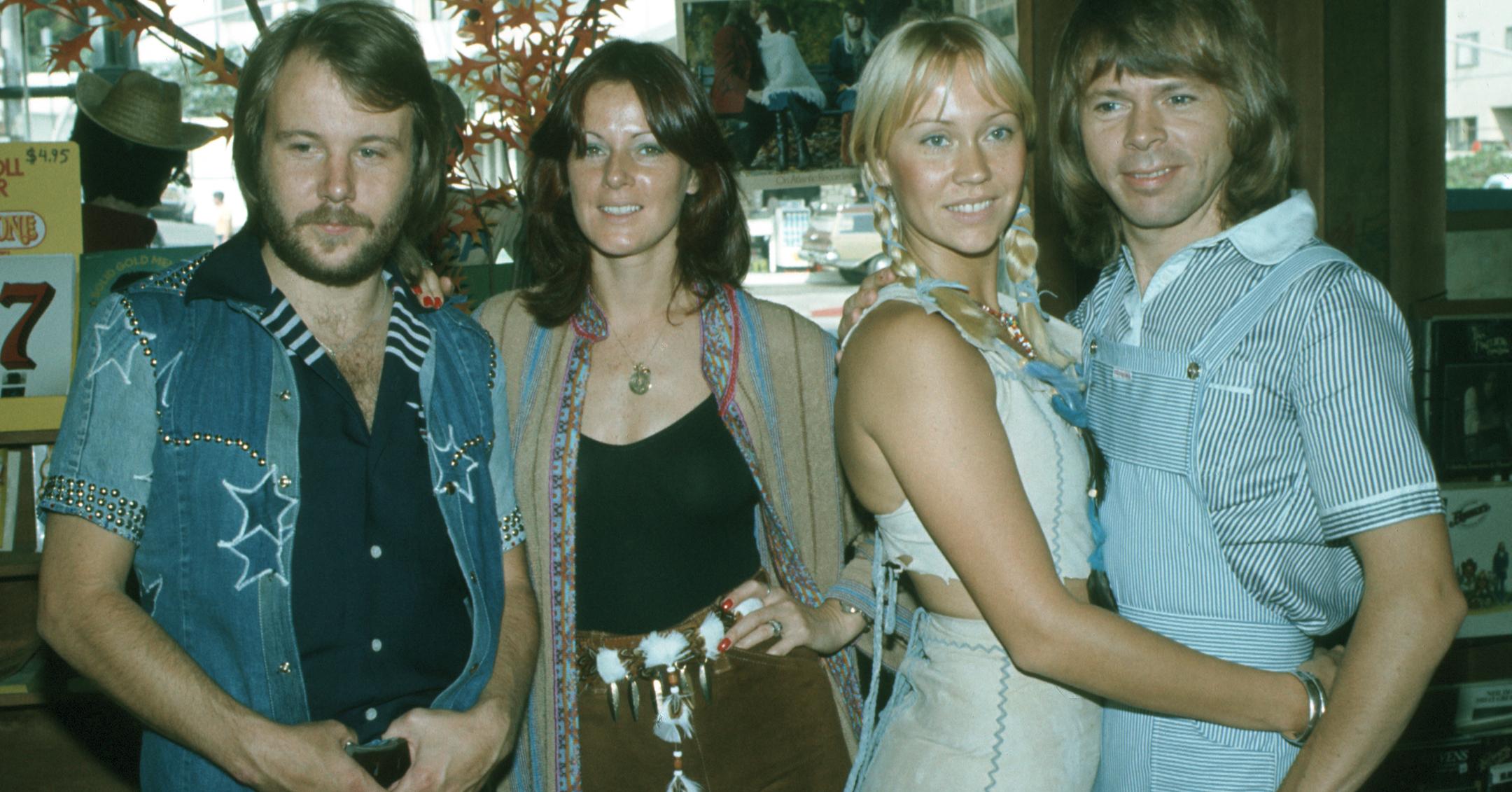
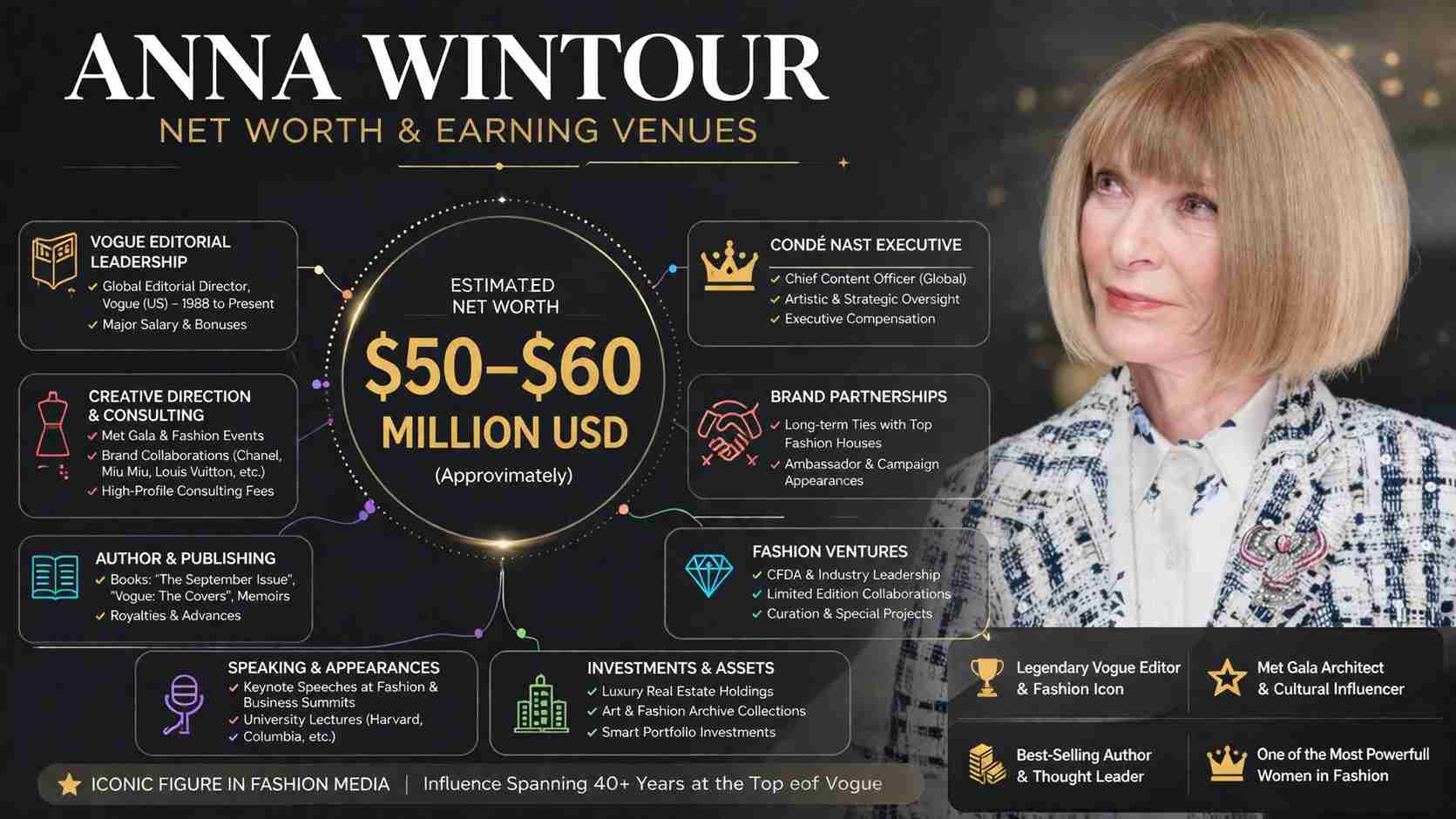
Searches for "Anna ABBA" refer to Agnetha Fältskog, the blonde lead vocalist of Swedish pop group ABBA, whom early international media often misnamed "Anna." Older financial reports estimated her net worth between $50 million and $70 million, but updated 2026 evaluations place her net worth closer to $80 million to $100 million, driven by catalog royalties and ABBA Voyage.
Disambiguation: Who Is "Anna" from ABBA?
When fans and financial analysts search for "Anna ABBA," they are almost always looking for Agnetha Fältskog, the iconic soprano singer whose lead vocals defined global hits such as "Dancing Queen," "Take a Chance on Me," "The Winner Takes It All," and "Chiquitita."
The confusion over her name dates back to ABBA's breakout victory at the 1974 Eurovision Song Contest with "Waterloo." During the group's early international promotional tours, British, American, and Australian broadcasters frequently found the Swedish name "Agnetha" difficult to pronounce or spell correctly. As a result, journalists and radio hosts simplified her name to "Anna" in print and broadcast interviews.
The acronym ABBA itself is composed of the first letters of each of the four members' first names:
- A – Agnetha Fältskog
- B – Björn Ulvaeus
- B – Benny Andersson
- A – Anni-Frid "Frida" Lyngstad
Agnetha Fältskog and Anni-Frid Lyngstad formed the female vocal duo of the group, while Björn Ulvaeus and Benny Andersson served as the primary songwriters, instrumentalists, and producers. Understanding this structural division of responsibilities is critical when analyzing the long-term wealth accumulation and royalty distribution among the four band members.
Fact-Checking the $50–$70 Million Net Worth Range
The specific figure of $50 million to $70 million frequently appears across online wealth databases, celebrity index sites, and media aggregators. To understand whether this estimate is accurate, it is necessary to examine when these evaluations were published and how music industry valuation models have shifted over the past decade.
Historical Valuation Context
During the late 2000s and throughout the 2010s, independent media estimates generally placed Agnetha Fältskog’s net worth within the $50 million to $70 million window. At the time, this valuation reflected:
- Legacy Performance Royalties: Ongoing earnings from physical CD sales, radio airplay, and global broadcast licensing.
- Mamma Mia! Stage and Film Dividends: Revenues derived from the massive success of the original 1999 Mamma Mia! stage musical and the 2008 feature film adaptation.
- Conservative Personal Investments: Fältskog's low-risk financial management approach, consisting primarily of Swedish real estate, blue-chip domestic equities, and private holdings.
Why the Valuation Has Increased
By 2026, financial consensus indicates that Fältskog’s personal wealth has outgrown the legacy $50–$70 million range, placing her net worth between $80 million and $100 million.
Several major financial events occurred between 2018 and 2026 that significantly elevated her net asset value:
- The Launch of ABBA Voyage (2022–Present): The groundbreaking digital avatar residency at the custom-built ABBA Arena in Queen Elizabeth Olympic Park, London, has generated hundreds of millions of dollars in ticket sales and merchandise. Fältskog holds an equal 25% brand and equity stake in the underlying ABBA entity that licenses the performance rights and intellectual property for the show.
- Catalogue Streaming Growth: The transition of music consumption to digital streaming platforms like Spotify, Apple Music, and Amazon Music created a permanent, passive revenue stream. ABBA's catalog consistently generates billions of annual streams worldwide.
- Mamma Mia! Here We Go Again (2018): The sequel film generated over $400 million at the global box office, yielding substantial secondary licensing fees and album soundtrack sales.
- Solo Album Releases and Publishing: Fältskog's solo catalog, including her critically acclaimed 2013 album A and its 2023 re-imagined release A+, contributed direct solo recording revenues and performance royalties separate from the core ABBA brand.
Breakdown of Wealth Streams for Agnetha Fältskog
A detailed review of Fältskog’s financial structure reveals how her fortune was assembled across five decades in the music industry.
| AGNETHA FÄLTSKOG WEALTH STREAMS |
|---|
| 1. Master Recording & Vocal Performance Royalties |
| 2. ABBA Intellectual Property & Brand Equity (25% Equal Share) |
| 3. Mamma Mia! Franchise Royalties (Stage, Film, Soundtracks) |
| 4. ABBA Voyage Digital Residency Equity & Licensing |
| 5. Solo Discography Rights & Swedish Real Estate Assets |
1. Recording Rights vs. Publishing Rights
In the commercial music industry, revenues are split primarily into two categories: composition/publishing rights (held by writers and composers) and master recording rights (held by performing artists and record labels).
- Songwriting Contracts: Björn Ulvaeus and Benny Andersson wrote the overwhelming majority of ABBA's tracks. Consequently, Ulvaeus and Andersson collect the publisher's share of mechanical royalties, synchronization fees (for films and commercials), and performance rights for composition.
- Vocal Recording Contracts: Agnetha Fältskog and Anni-Frid Lyngstad shared equally in recording artist royalties. Whenever an ABBA track is played on radio, digital streaming, or sold as physical media, Fältskog earns featured performer royalties. While songwriter earnings are generally higher over time, featured performer royalties for a catalog as large as ABBA's generate tens of millions of dollars over several decades.
2. Physical and Digital Music Sales
ABBA is estimated to have sold over 380 million albums and singles worldwide since 1972. The group's compilation album, ABBA Gold: Greatest Hits (originally released in 1992), is one of the top-selling albums of all time globally, spending more than 1,000 weeks on the UK Albums Chart.
Continuous re-issues, anniversary vinyl box sets, and digital remastering campaigns managed by Universal Music Group ensure that physical and digital record sales remain a perpetual source of passive income for Fältskog.
3. The Mamma Mia! Global Franchise
The theatrical musical Mamma Mia!, engineered by producer Judy Craymer using ABBA's discography, premiered in London’s West End in 1999 and became an international phenomenon.
While Ulvaeus and Andersson were directly involved in adapting the music, all four members of ABBA retain financial participation rights in the use of the ABBA name, trademark, and core brand identity associated with global stage productions, movie adaptations, and official soundtrack releases.
4. ABBA Voyage and Virtual Performance Technology
Launched in May 2022 in London, ABBA Voyage represents one of the most commercially successful technological innovations in modern entertainment history. Created in partnership with George Lucas’s Industrial Light & Magic (ILM), the show features digital avatars ("ABBAtars") performing the group's classic tracks accompanied by a live 10-piece band.
To capture the movements for the avatars, Fältskog and her three bandmates spent five weeks in motion-capture suits performing their songs in front of 160 cameras. The financial structure of ABBA Voyage provides the four members with:
- Direct licensing fees for image, likeness, and performance rights.
- Equity participation in the production company managing the London venue.
- Royalty payments on arena merchandise and live soundtrack recordings.
5. Private Estate and Real Estate Holdings
Fältskog has consistently preferred a quiet, private lifestyle in her native Sweden. Her primary residence is a large estate located on the island of Ekerö in Stockholm County. The property includes extensive land, private water access, and equestrian facilities.
Unlike many international pop stars who maintain multiple lavish estates across international tax havens, Fältskog’s concentrated Swedish property holdings have steadily appreciated in value over decades while maintaining manageable operational overhead.
ABBA Financial Comparison: Member Net Worth Breakdown
To place Agnetha Fältskog’s net worth into context within the group, it is helpful to compare the estimated financial standing of all four ABBA members as of 2026:
| Member | Band Role | Primary Income Driver | Estimated Net Worth (2026 USD) | Primary Rights Portfolio |
|---|---|---|---|---|
| Agnetha Fältskog ("Anna") | Lead Vocalist | Recording Royalties, ABBA Voyage, Solo Catalog | $80M – $100M | Master Performance Rights, Brand Equity (25%) |
| Anni-Frid "Frida" Lyngstad | Lead Vocalist | Recording Royalties, Estate Holdings, Investments | $300M – $350M | Master Performance Rights, Inherited Royal Estates |
| Björn Ulvaeus | Guitarist / Lyricist | Songwriting Publishing, Pophouse Entertainment, ABBA Voyage | $300M – $350M | Music Publishing Rights, Production Investments |
| Benny Andersson | Keyboards / Composer | Songwriting Publishing, Theater Productions, Record Label | $250M – $300M | Composition Rights, Orchestral & Stage Publishing |
Key Takeaways from the Comparison
- The Publishing Advantage: Björn Ulvaeus and Benny Andersson hold higher net worths than Fältskog primarily because they co-wrote the music, capturing publishing rights alongside performance earnings.
- Frida’s Wealth Outlier: Anni-Frid Lyngstad’s substantially higher net worth ($300M+) is not solely due to music royalties. In 1992, she married Prince Heinrich Ruzzo Reuss of Plauen, an architect belonging to an ancient German royal family. Following his passing in 1999, Lyngstad inherited significant ancestral wealth, real estate, and investment portfolios independent of her ABBA income.
- Fältskog’s Focused Profile: Fältskog's wealth represents an exceptionally clean, self-made fortune derived directly from her singing career, solo projects, performance royalties, and conservative financial planning.
Solo Career and Post-ABBA Earnings
Following ABBA's unofficial disbandment in 1982, Fältskog embarked on a successful solo career that contributed directly to her personal financial autonomy.
- AGNETHA FÄLTSKOG SOLO DISCOGRAPHY
- 1980s Pop Era
- Wrap Your Arms Around Me (1983)
- Eyes of a Woman (1985)
- I Stand Alone (1987)
- 2000s Return
- My Colouring Book (2004)
- 2010s-2020s Modern
- A (2013)
- A+ (2023)
- 1980s Pop Era
Key Solo Milestones:
- Wrap Your Arms Around Me (1983): Her post-ABBA English debut sold over 1.2 million copies worldwide and reached number one on charts across Europe, earning gold and platinum certifications.
- Eyes of a Woman (1985) & I Stand Alone (1987): Produced by prominent international producers including Eric Stewart (of 10cc) and Peter Cetera (of Chicago), expanding her broadcast royalties in North America and Western Europe.
- My Colouring Book (2004): After a 17-year hiatus from recording music, Fältskog released a collection of 1960s cover songs that achieved Gold status in the UK and Platinum status in Sweden.
- A (2013) and A+ (2023): Recorded at Atlantis Studios in Stockholm, A marked her return to original pop material. In late 2023, she released A+, a total re-imagining of the album featuring modern production values and new lead vocal recordings, generating fresh streaming revenue and solo touring/promotional fees.
Financial Verification and Public Tax Transparency in Sweden
Estimating the net worth of Swedish public figures involves distinct tools due to Sweden's public records framework.
Swedish Tax Transparency (Offentlighetsprincipen)
Under Sweden's principle of public access to official records, annual declared taxable income for Swedish citizens is a matter of public record. Tax registers (Inkomstdeklarationen) publish annual earned income and income from capital holdings (inkomst av kapital).
However, public tax returns do not reflect total net worth or international assets for several reasons:
- Corporate Entities & Holding Companies: High-net-worth Swedish artists typically manage performance royalties, intellectual property rights, and commercial contracts through registered private limited companies (aktiebolag). Income retained within a corporate holding structure is taxed at the corporate rate and is not reflected as personal income on individual tax returns until paid out as salaries or dividends.
- Offshore Licensing Contracts: Global music royalties collected by Universal Music Group or Polar Music International are processed through international royalty collection societies (such as PRS in the UK, ASCAP/BMI in the US, and STIM in Sweden) before flowing into domestic entities.
- Real Estate Valuations: Declared property values on public tax records reflect official assessed tax values (taxeringsvärde), which are frequently lower than actual open-market real estate values in Sweden.
Consequently, while Swedish public records confirm that Fältskog remains consistently among the top capital earners in her municipality, her overall net worth of $80 million to $100 million is established by evaluating her private corporate holdings, ongoing catalog revenues, and underlying equity in global entertainment properties.
Frequently Asked Questions (FAQ)
Is "Anna ABBA" her real name?
No. Her legal name is Agnetha Åse Fältskog. The name "Anna" originated as a simplified misnomer used by international journalists and English-speaking media during ABBA's rise to international fame in the mid-1970s.
Why is Agnetha Fältskog's net worth lower than Björn's or Benny's?
Björn Ulvaeus and Benny Andersson were the primary songwriters of ABBA. In the music industry, songwriting rights (composition and publishing) generate higher long-term passive royalties than vocal performance rights. While Fältskog earned equal performance royalties, she did not share in the primary publishing income for songs she did not co-write.
How much does ABBA Voyage contribute to her current net worth?
ABBA Voyage contributes millions of dollars annually to her net asset value through performance licensing fees, brand equity, merchandise sales, and venue revenue sharing. The success of the residency is a major reason her net worth rose from older $50–$70 million estimates to the current $80–$100 million level.
Did Anni-Frid "Frida" Lyngstad earn more from ABBA than Agnetha?
Within ABBA, both female vocalists had identical royalty structures and earned equal shares of music revenue. However, Frida's total overall net worth is significantly higher ($300M+) due to her 1992 marriage to Prince Heinrich Ruzzo Reuss of Plauen and the subsequent inheritance of non-music ancestral estates and investments.
Does Agnetha Fältskog still earn money when ABBA songs are streamed today?
Yes. Every time an ABBA master recording is played on digital platforms such as Spotify, Apple Music, YouTube, or radio broadcasts, Fältskog receives featured artist recording royalties managed by her rights management representatives and collecting societies like SAMI (Swedish Performers' Rights Society).
Key Takeaways and Next Actions
For music industry analysts, media historians, and fans evaluating celebrity financial data:
- Recognize Name Variations: Understand that historical references to "Anna from ABBA" refer directly to Agnetha Fältskog.
- Use Updated Estimates: Discard legacy $50–$70 million net worth listings from older source material. Modern 2026 valuations place her total net asset range at $80 million to $100 million.
- Differentiate Revenue Types: Always separate composition/publishing income (Ulvaeus/Andersson) from master recording/performance income (Fältskog/Lyngstad) when evaluating heritage music group finances.
- Account for Virtual Licensing: Modern avatar residencies such as ABBA Voyage represent a new category of intellectual property monetization that allows legacy artists to generate significant live-performance revenues without active touring.