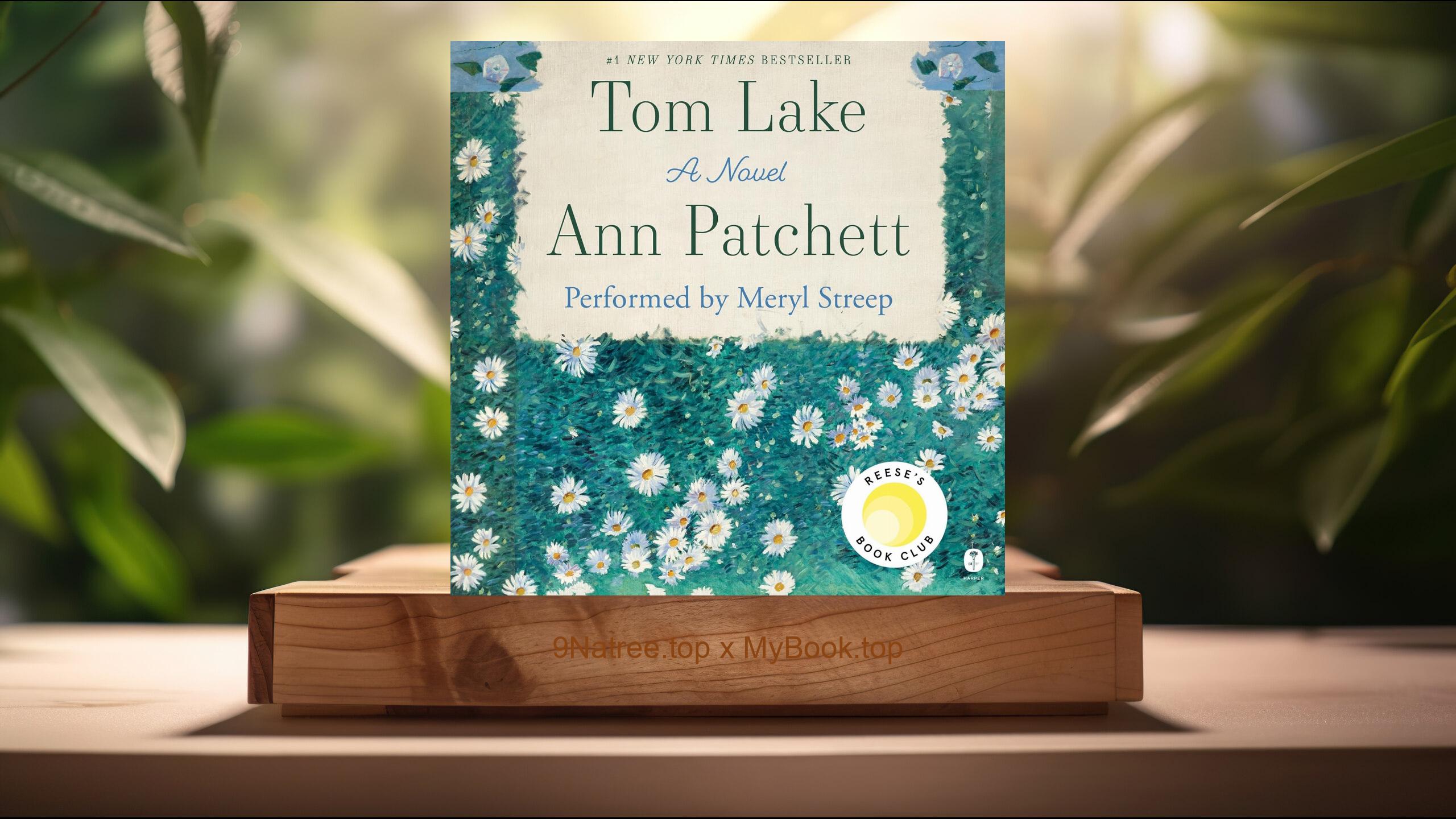
Determining Ann Patchett’s best novel depends on whether a reader prefers high-stakes dramatic suspense or intimate family sagas. Historically, her 2001 breakout novel, Bel Canto, holds the title of her most critically celebrated masterpiece. However, her 2019 Pulitzer Prize finalist, The Dutch House, and 2023 bestseller, Tom Lake, are equally revered modern classics.
Evaluating Ann Patchett’s Literary Legacy
Since her debut in 1992, Ann Patchett has established herself as one of modern American fiction’s most distinctive voices. As an essayist, co-owner of the independent bookstore Parnassus Books in Nashville, Tennessee, and the author of nine major novels, Patchett has cultivated a reputation for exceptional character development, deep humanism, and precise prose.
Her career can be broadly understood through two distinct narrative phases:
- High-Concept Ensembles (1990s–2010s): Early and mid-career works like Bel Canto and State of Wonder place disparate groups of strangers into unusual, high-stakes environments—such as hostage crises or deep-jungle scientific expeditions—to examine how forced isolation fosters radical empathy.
- Intimate Family Epics (2010s–Present): Later works like Commonwealth, The Dutch House, and Tom Lake shift inward, examining long-term domestic histories, memory, sibling bonds, and how single moments ripple across decades within blended or expanding families.
Because both phases have produced widespread critical acclaim and major awards, identifying Patchett’s single best novel requires analyzing how her central themes align with different reading preferences.
The Top Contenders for Ann Patchett's Best Novel
1. Bel Canto (2001): The Breakthrough Masterpiece
"If you are looking for the novel that defined Patchett's career on an international stage, Bel Canto remains the definitive starting point."
Inspired by the real-life 1996–1997 Japanese embassy hostage crisis in Lima, Peru, Bel Canto takes place at a lavish birthday party hosted in an unnamed South American country for Japanese industrialist Katsumi Hosokawa. The main attraction of the evening is a performance by world-renowned American opera soprano Roxane Coss. Shortly after her performance, an armed guerrilla group invades the vice-presidential mansion, taking the international dignitaries, host, and performers hostage.
What could have become a conventional thriller instead unfolds into a lyrical exploration of human connection under extreme constraint. Over months of captivity, the terror of the initial siege gives way to a bizarre, self-contained society. Music becomes the universal language bridging cultural and political divides. Hosokawa and Roxane fall into a quiet, profound romance, while Gen Watanabe—Hosokawa's brilliant polyglot translator—becomes the essential emotional thread linking hostages, captors, and the outside mediator.
Why It Contends for the Top Spot
- Critical Acclaim: Bel Canto earned Patchett both the prestigious PEN/Faulkner Award and the UK’s Women's Prize for Fiction (then the Orange Prize).
- Thematic Depth: The novel examines how art, beauty, and love can flourish in the most hostile circumstances, transforming Stockholm syndrome into a nuanced meditation on shared humanity.
- Literary Execution: Patchett uses an omniscient third-person narrator to weave seamlessly between the internal thoughts of dozens of characters, creating an immersive atmospheric pressure that few contemporary writers can duplicate.
2. The Dutch House (2019): The Masterclass in Family Dynamics
A finalist for the 2020 Pulitzer Prize for Fiction, The Dutch House tells the story of Danny Conroy and his older sister, Maeve, over five decades. Growing up in a grand, architecturally imposing mansion in suburban Philadelphia—known as the Dutch House—the siblings are abandoned first by their mother, who flees to dedicate her life to the poor, and later exiled from their home entirely by their chilly stepmother, Andrea, following their father's sudden death.
The central force of the narrative is not merely the physical loss of wealth, but the psychological obsession that Danny and Maeve develop with their former home. Parking their car across the street from the Dutch House for decades, they ruminate on their past, endlessly analyzing their childhood choices and parental failures.
Key Themes in The Dutch House: • Sibling devotion as a survival mechanism • The burden of nostalgia and unhealed childhood wounds • How physical spaces shape personal identity over time
Why It Contends for the Top Spot
- Character Realism: Maeve Conroy stands out as one of Patchett’s most brilliantly drawn characters—fiercely protective, highly intelligent, and anchored by a sharp humor that guards her broken heart.
- Narrative Pacing: The novel spans fifty years without ever feeling rushed, balancing episodic childhood vignettes with mature realizations about forgiveness and memory.
- Audiobook Popularity: Narrated by Oscar-winning actor Tom Hanks, the audiobook edition brought the novel to a massive global audience, making it a favorite for audio listeners.
3. Tom Lake (2023): A Lyrical Reflection on Memory and Motherhood
Set during the spring of 2020 on a family cherry orchard in Northern Michigan, Tom Lake captures a rare moment of stillness and togetherness. Lara Nelson's three adult daughters—Emily, Maisie, and Nell—have returned to the farm to help pick the cherry crop. To pass the long afternoons, they urge their mother to tell them the story of her youthful acting career and her passionate summer romance with Peter Duke, who later became a world-famous film star.
In the late 1980s, Lara shared the stage with Duke in a summer stock theater production of Thornton Wilder’s Our Town at a company called Tom Lake. As Lara recounts the tale, Patchett alternates between the vibrant memory of her youth and the quiet reality of her present life with her husband, Joe.
Why It Contends for the Top Spot
- Refined Craftsmanship: Tom Lake demonstrates Patchett at the height of her narrative restraint. The story relies on subtext, maternal discretion, and subtle emotional shifts rather than dramatic plot twists.
- Literary Allusion: By framing the novel around Thornton Wilder’s Our Town, Patchett deeply engages with themes of mortality, gratitude for ordinary moments, and the realization that youth cannot truly appreciate life while living it.
- Acclaim & Audiobook: Reaching #1 on the New York Times bestseller list, the book featured an audiobook performance by Meryl Streep, making it one of the most celebrated audio releases of recent years.
4. Commonwealth (2016): An Intricate Tapestry of Blended Lives
Commonwealth begins in Southern California in the 1960s at a christening party for Baby Franny Keating. An uninvited guest, deputy district attorney Bert Cousins, arrives with a bottle of gin and kisses Franny's mother, Beverly. That single impulsive act dissolves two marriages and creates a new, chaotic blended family of six children who are thrown together every summer in Virginia.
The narrative tracks these six siblings—specifically Franny and her stepbrother Leo—across five decades. When Franny, in her twenties, has an affair with a famous aging novelist, Leon Posen, she tells him the secret stories of her childhood. Posen writes a bestselling novel based on her family’s private tragedies, raising profound questions about story ownership, betrayal, and memory.
Why It Contends for the Top Spot
- Autobiographical Resonance: Drawing heavily on Patchett’s own experience growing up in a blended family after her parents' divorce, Commonwealth possesses an authenticity and emotional warmth that feels deeply personal.
- Structural Mastery: Moving fluidly back and forth in time, the novel shows how tiny, unremembered adult decisions shape the trajectories of children long into their adulthood.
5. State of Wonder (2011): High Ambition in the Amazon Rainforest
In State of Wonder, pharmacologist Dr. Marina Singh is dispatched by her pharmaceutical company in Minnesota to the depths of the Brazilian Amazon. Her mission is twofold: to investigate the mysterious death of her colleague, Anders Eckman, and to check on the progress of Dr. Annick Swenson, a legendary, uncompromising medical researcher working on a secret drug that allows women to bear children well into old age.
Navigating the dense jungle, indigenous customs, and the imposing, ethically ambiguous presence of Dr. Swenson, Marina is forced to confront her own past medical failures and loss.
Why It Contends for the Top Spot
- Immersive Setting: Patchett’s vivid depiction of the Amazon rainforest—its humidity, danger, insect life, and isolation—creates an unforgettable sensory experience.
- Ethical Complexity: The book grapples with complex questions regarding pharmaceutical ethics, ecological imperialism, and the costs of scientific progress.
Comparing Ann Patchett’s Major Novels
The table below provides a structured overview of Ann Patchett’s top-tier novels, comparing their awards, settings, core narrative styles, and target reader appeal:
| Novel Title | Publication Year | Primary Setting | Core Narrative Style | Key Awards & Recognition | Best Suited For Readers Who Prefer... |
|---|---|---|---|---|---|
| Bel Canto | 2001 | Unnamed South American Mansion | Omniscient Ensemble Cast | PEN/Faulkner Award Winner, Women's Prize Winner | High-stakes drama, poetic atmosphere, and transformative romance. |
| State of Wonder | 2011 | Brazilian Amazon Rainforest | First-Person Quest & Investigation | International Dublin Literary Award Longlist | Suspenseful adventure, ethical dilemmas, and rich natural settings. |
| Commonwealth | 2016 | California, Virginia, New York | Non-linear Multi-generational | National Book Critics Circle Award Finalist | Complex family structures, realistic sibling dynamics, and semi-autobiographical tone. |
| The Dutch House | 2019 | Suburban Philadelphia Mansion | Retrospective First-Person Saga | Pulitzer Prize Finalist | Deeply emotional sibling relationships, rich historical settings, and traditional sagas. |
| Tom Lake | 2023 | Michigan Cherry Orchard / Theater | Dual-Timeline Reflective Memoir | #1 New York Times Bestseller | Warm family reflections, theater homage, and tender meditations on memory. |
Which Ann Patchett Novel Should You Read First?
Because Ann Patchett’s bibliography spans distinct genres and narrative styles, selecting the right novel depends entirely on personal reading preferences:
Choose Bel Canto if:
- You enjoy high-concept, atmospheric stories where strangers are forced into extraordinary circumstances.
- You appreciate lyrical, artistic prose that blends beauty with underlying tension.
- You want to experience the book that established Patchett's international reputation.
Choose The Dutch House if:
- You love multi-generational family sagas centered on complex sibling relationships.
- You are drawn to themes of nostalgia, architectural settings, and long-held family secrets.
- You prefer listening to audiobooks, as Tom Hanks' narration adds exceptional depth to the narrative.
Choose Tom Lake if:
- You appreciate gentle, character-focused fiction with warm domestic settings.
- You have an interest in theater, particularly classic American plays like Our Town.
- You enjoy stories that explore how parents existed as full individuals before having children.
Choose State of Wonder if:
- You enjoy moral suspense, medical ethics, and wilderness exploration reminiscent of classic journey narratives.
- You want a faster-paced plot driven by secrets, scientific rivalries, and environmental tension.
Key Themes Across Ann Patchett's Literary Career
While each novel features a unique setting and premise, Patchett consistently returns to several core thematic interest points throughout her body of work:
1. Found Families and Confined Spaces
A signature narrative device in Patchett's work is taking a group of disparate individuals and confining them within a distinct boundary. Whether it is a hostage crisis in Bel Canto, an isolated village in State of Wonder, an old mansion in The Dutch House, or a cherry orchard during a pandemic in Tom Lake, Patchett uses physical boundaries to force intimacy, tearing down social barriers and allowing characters to form deep, unconventional bonds.
2. The Weight of Narrative Ownership
Patchett frequently questions who has the right to tell a story. In Commonwealth, a family's internal pain is transformed into a famous novel without their consent. In Tom Lake, a mother carefully censors her youthful memories, choosing what to reveal and what to keep private from her daughters. Patchett treats memory not as an objective archive, but as a living, selective construct shaped by time and love.
3. Art as a Unifying Force
Art is rarely just a backdrop in Patchett's writing; it operates as an active agent of transformation:
- Opera in Bel Canto breaks through language barriers between international hostages and guerrilla captors.
- Theater in Tom Lake allows a young woman to discover her identity and later helps her daughters understand the artifice of youth.
- Architecture in The Dutch House acts almost as a character itself, shaping the lives and neuroses of everyone who lives within its glass walls.
4. Human Empathy Without Caricatured Villains
One of Patchett’s greatest strengths as a stylist is her refusal to write flat villains. Even characters who commit betrayals—such as the stepmother Andrea in The Dutch House or the hostage-takers in Bel Canto—are treated with psychological curiosity and humanity. Patchett examines human flaws, selfishness, and mistakes without resorting to simple moral judgments.
Complete Bibliography of Ann Patchett’s Novels
For readers seeking to explore her complete body of fiction in chronological order, here is her complete novel bibliography:
- The Patron Saint of Liars (1992): Set at a Kentucky home for unwed mothers in the 1960s, exploring secret pasts and maternal hesitation.
- Taft (1994): Winner of the Janet Heidinger Kafka Prize, focusing on a Memphis bar manager grappling with grief and surrogate fatherhood.
- The Magician's Assistant (1997): A gentle exploration of loss, magic, and hidden family history set between Nebraska and Los Angeles.
- Bel Canto (2001): Breakthrough novel centered on an international hostage crisis in South America.
- Run (2007): Takes place over twenty-four hours in Boston, examining race, adoption, politics, and family duty.
- State of Wonder (2011): A scientific journey into the Amazon rainforest investigating drug research and moral compromise.
- Commonwealth (2016): A multi-decade exploration of two families reshaped by divorce and shared childhood trauma.
- The Dutch House (2019): A Pulitzer Prize finalist examining sibling devotion and lifelong obsession with a childhood home.
- Tom Lake (2023): A quiet reflective novel set on a Michigan orchard blending youth memory with long-term marital contentment.
Frequently Asked Questions
Is Bel Canto based on a true story?
Yes, Bel Canto was inspired by the 1996–1997 Japanese embassy hostage crisis in Lima, Peru (also known as the Operation Chavín de Huántar crisis). During a party at the Japanese ambassador's residence, members of the Túpac Amaru Revolutionary Movement held dozens of diplomats, government officials, and executives hostage for over four months. While Patchett used the basic premise of the siege as her springboard, the characters, dialogue, and specific romantic plots are entirely fictional.
Is The Dutch House autobiographical?
No, The Dutch House is a work of fiction. However, like many of Patchett's works, it draws inspiration from her deep understanding of complex family structures and long-term domestic dynamics. Patchett has noted in interviews that while the plot points are invented, her personal experiences with stepfamilies and changing home environments naturally inform the emotional truth of her writing.
Should I read Ann Patchett's novels in publication order?
Reading in chronological order is not necessary, as Patchett’s novels are standalone stories unconnected by shared characters or fictional universes. Most literary critics recommend starting with her top-rated works—either Bel Canto for her high-concept dramatic period, or The Dutch House for her contemporary domestic period—before exploring her earlier backlist.
Which Ann Patchett audiobook is recommended most?
Both The Dutch House (narrated by Tom Hanks) and Tom Lake (narrated by Meryl Streep) are widely considered two of the finest audiobooks in modern publishing. Tom Hanks’ performance on The Dutch House earned universal acclaim for its warmth, cadence, and perfect embodiment of the narrator, Danny Conroy.
Has Ann Patchett written non-fiction books?
Yes, Patchett is an accomplished essayist and non-fiction author. Her major non-fiction works include Truth & Beauty: A Friendship (2004), which details her deep bond with the late author Lucy Grealy; What Now? (2008), based on her Middlebury College commencement address; and two acclaimed essay collections: This Is the Story of a Happy Marriage (2013) and These Precious Days (2021).
Final Recommendation
While personal preferences will vary depending on your affinity for high suspense versus domestic realism, Bel Canto remains Ann Patchett’s most critically decorated and historically significant work, making it the definitive choice for her overall best novel.
However, for readers looking for a modern entry point that showcases her matured style, The Dutch House offers an unparalleled combination of emotional depth, narrative drive, and unforgettable characterization.