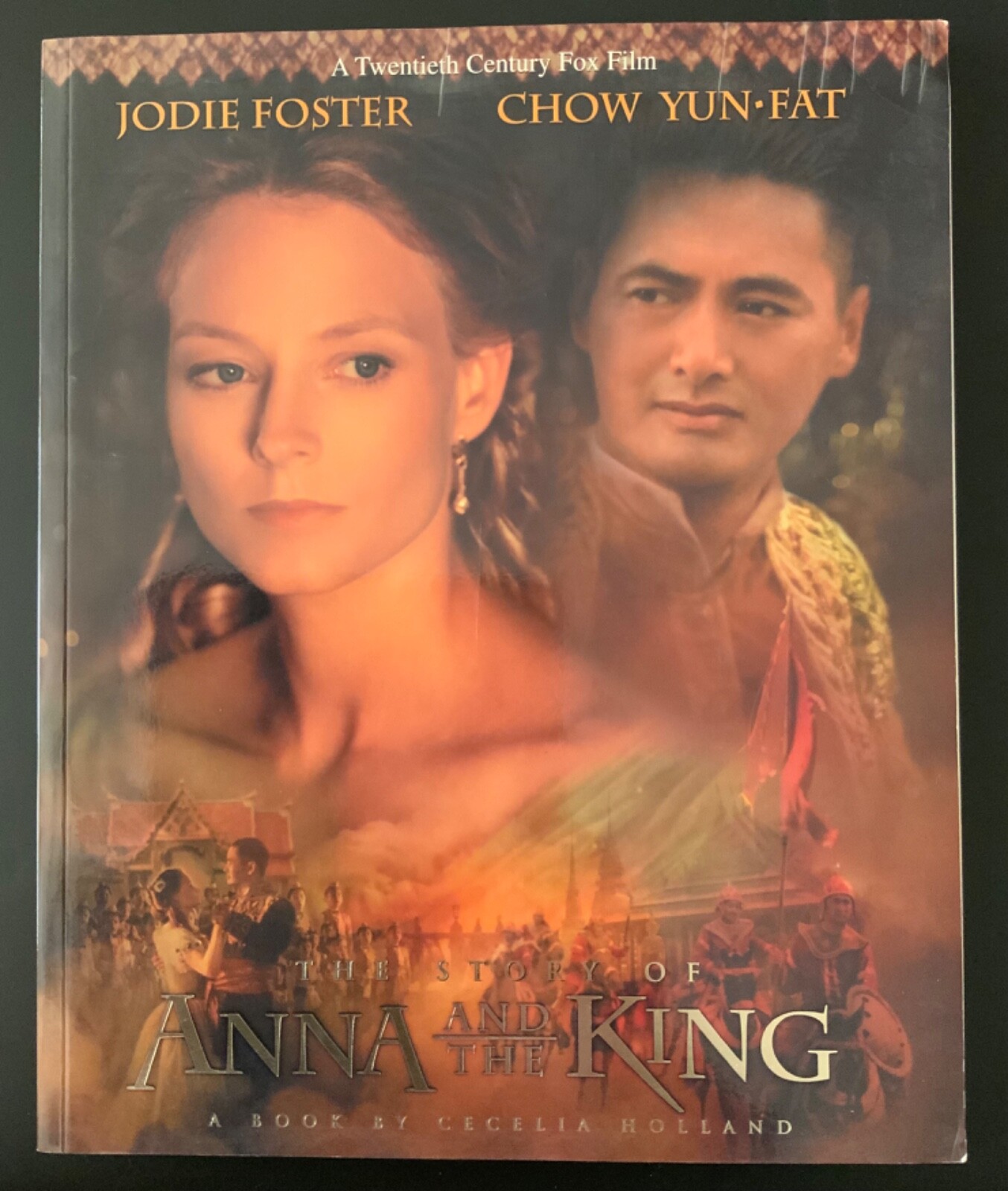
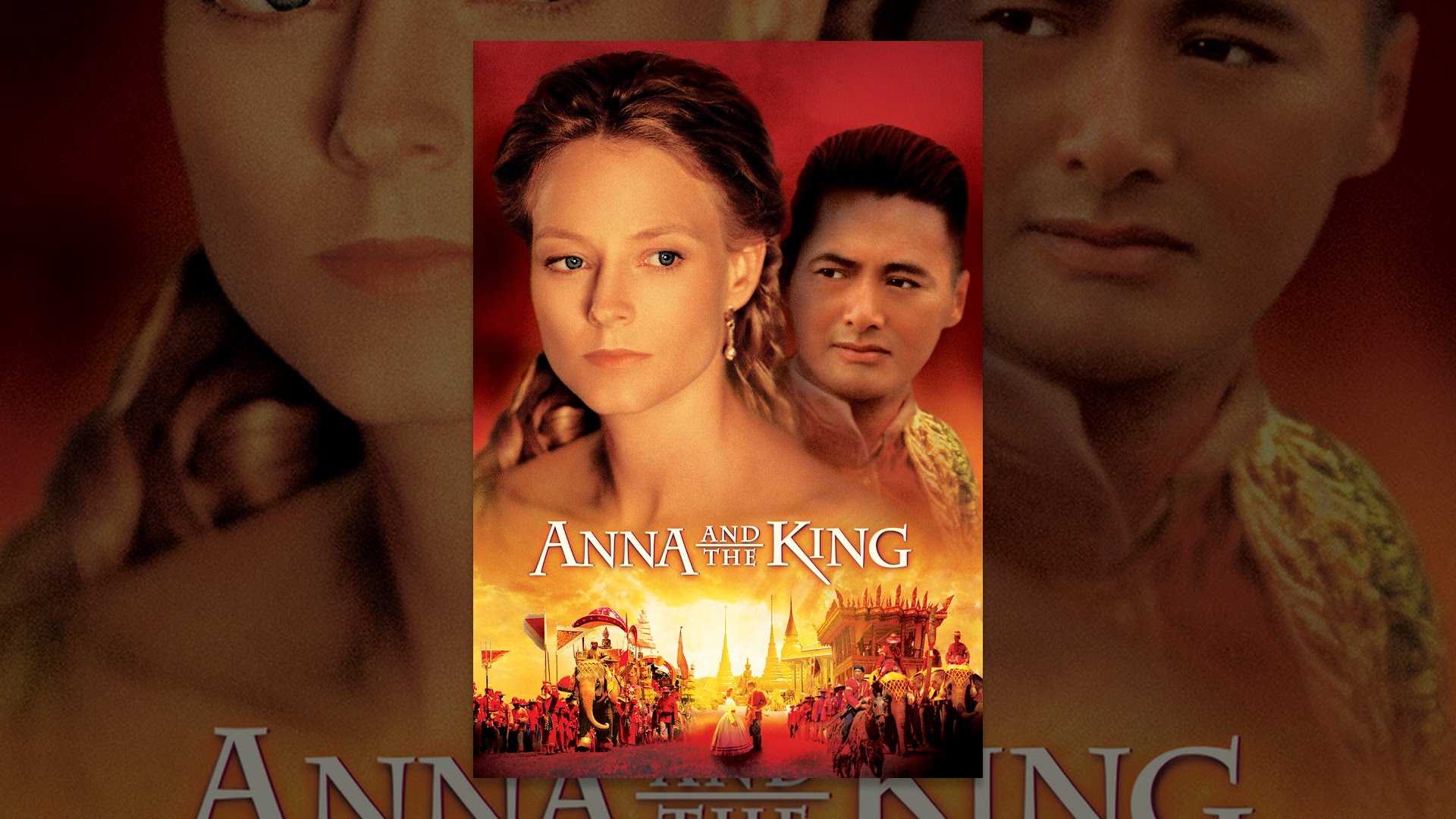
The 1999 film Anna and the King—along with the 1951 musical The King and I and the 1946 movie Anna and the King of Siam—is not a true story. While loosely inspired by the real life of British schoolteacher Anna Leonowens, the narrative heavily relies on exaggerated memoirs, altered historical events, fabricated romantic subplots, and inaccurate portrayals of King Mongkut (Rama IV) of Siam.
For generations, audiences around the world have been captivated by the story of a courageous Victorian widow who travels to the Kingdom of Siam (modern-day Thailand) in the 1860s, challenges an autocratic monarch, and civilizes a foreign court. However, historians, biographers, and the Royal Thai Government have long pointed out that this narrative is largely a work of fiction.
To understand why Anna and the King is not a historical account, one must examine the origins of the story, the personal mythmaking of Anna Leonowens, the actual character of King Mongkut, and the specific fabrications that separate Hollywood melodrama from 19th-century Siamese history.
The Lineage of a Legend: From Memoirs to Hollywood
The narrative that became Anna and the King did not emerge directly from archival court documents. Instead, it underwent a multi-decade process of embellishment, romanticization, and dramatic interpretation.
- [1870–1873] Memoirs of Anna Leonowens
- [1944] "Anna and the King of Siam" by Margaret Landon
- [1946 / 1956] Hollywood Film & Rodgers & Hammerstein Musical ("The King and I")
- [1999] "Anna and the King" (Starring Jodie Foster & Chow Yun-fat)
1. The Original Memoirs (1870–1873)
After leaving Siam in 1867, Anna Leonowens published two books: The English Governess at the Siamese Court (1870) and Romance of the Harem (1873). Written for a 19th-century Western audience eager for sensational tales of the "Orient," these books blended genuine observations of court life with melodrama, self-aggrandizing claim, and unverified rumors.
2. Margaret Landon’s Novelized Biography (1944)
In 1944, American author Margaret Landon published Anna and the King of Siam. Landon took Leonowens’ original memoirs and combined them with creative writing, filling in historical gaps with imagined dialogue, dramatic tension, and altered timelines. Landon herself acknowledged that her work was a blend of fact and fiction, yet it became accepted by Western readers as a definitive biography.
3. Stage and Screen Adaptations (1946–1999)
Landon’s book became the foundation for the 1946 film starring Irene Dunne and Rex Harrison, which was subsequently adapted into the famous 1951 Rodgers and Hammerstein Broadway musical The King and I (and its 1956 film adaptation starring Deborah Kerr and Yul Brynner). By the time Director Andy Tennant released Anna and the King in 1999 starring Jodie Foster and Chow Yun-fat, the story had been reshaped through four distinct layers of artistic license.
The Real Anna Leonowens: Self-Mythology and Fabricated Origins
A primary reason Anna and the King strays from reality is that Anna Leonowens was an unreliable narrator of her own life. Modern biographical research, notably by historian W. S. Bristowe in his book Louis and the King of Siam, revealed that Leonowens invented significant portions of her personal background before ever setting foot in Bangkok.
Reinventing Her Identity
In her books and public persona, Leonowens claimed to be a high-born Welsh woman, the daughter of an army officer named Captain Crawford, born in Caernarfon, Wales. She claimed to have been educated in private British schools and to have married an officer named Major Thomas Louis Leonowens.
Archival records paint a completely different picture:
- Birthplace: Anna was born Anna Harriette Edwards in 1831 in Ahmednagar, India—not Wales.
- Parentage: Her father was Thomas Edwards, a cabinet maker and low-ranking sergeant in the East India Company's Sappers and Miners, who died before she was born. Her mother was of mixed Eurasian heritage.
- Husband: Her husband, Thomas Leon Owens (later concatenated to Leonowens), was not a military officer but a civilian clerk and hotel manager who died in Penang, leaving her in financial hardship.
Leonowens fabricated an elite British background to secure employment in the colonial society of South and Southeast Asia. In the Victorian era, a woman of mixed racial heritage or lower-class origins would rarely have been hired to educate the children of royalty.
Her Real Role at the Siamese Court
In the film adaptations, Anna is depicted as a vital advisor to the King, a champion of foreign policy, and a central figure in royal decision-making. In reality, King Mongkut hired her in 1862 for a specific, limited purpose: to teach the English language, geography, and basic sciences to his children and royal wives.
She was one of several foreign employees at the court. While she had regular access to the King and the royal palace, she did not serve as a political minister, chief diplomat, or state counselor. Her interactions with the King were largely restricted to educational matters and secretarial translation tasks assigned by the monarch.
King Mongkut (Rama IV): Intellectual Sovereign vs. Hollywood Stereotype
The most significant historical distortion in Anna and the King lies in the characterization of King Mongkut (reigned 1851–1868). Screen adaptations frequently depict him as a temperamentally volatile, semi-barbaric ruler who required a British woman to introduce him to Western civilization, modern governance, and human rights.
The historical reality of King Mongkut is vastly different. He was one of the most intellectually accomplished and forward-thinking Asian monarchs of the 19th century.
HISTORICAL PROFILE: KING MONGKUT (RAMA IV)
- 27 Years as a Buddhist Monk before ascending throne
- Mastered Latin, English, Sanskrit, and Pali
- Accomplished Astronomer (Accurately predicted 1868 total solar eclipse)
- Founder of the Dhammayuttika Nikaya monastic order
- Strategic Diplomat who preserved Siamese sovereignty against British and French colonization
1. Scholar and Linguist
Before ascending the throne at age 46, Prince Mongkut spent 27 years as a Theravada Buddhist monk. During this period, he immersed himself in rigorous academic study. He mastered ancient sacred languages, studied Western astronomy, mathematics, and geography, and learned Latin from French missionaries and English from American Protestant missionaries. By the time Anna Leonowens arrived in 1862, King Mongkut was already fluent in written and spoken English and maintained regular correspondence with international figures, including U.S. President James Buchanan and Queen Victoria.
2. Defender of Siamese Independence
During the 19th-century era of Western imperial expansion, when European powers were subjugating neighboring nations in Southeast Asia, King Mongkut successfully preserved Siam's independence. He utilized sophisticated diplomacy, negotiated treaties (such as the Bowring Treaty of 1855), and initiated selective modernization. He did not need a schoolteacher to explain Western geopolitics; he was already a master strategist navigating British and French imperial ambitions.
3. Scientific Achievements
King Mongkut was an accomplished astronomer. In 1868, using calculations he conducted personally, he accurately predicted the exact time and location of a total solar eclipse occurring at Wakor in Prachuap Khiri Khan province, calculating it two years in advance and out-performing foreign astronomers of the period.
Major Historical Fabrications in the Story
Beyond the general characterizations, Anna and the King and its predecessors include specific narrative arcs that are historically untrue.
Fabrication 1: The Execution of Tuptim
One of the central dramatic climaxes in Anna and the King (and earlier versions) is the tragic romance of Tuptim, a young royal concubine. In the story, Tuptim runs away to join her lover, a monk, is caught, put on trial, and burned at the stake or executed alongside him, despite Anna's desperate pleas for mercy.
The Historical Reality: This event never occurred. Historians have combed court records from King Mongkut’s reign and found no evidence of any such execution. Burning at the stake was not a court punishment in 19th-century Siam. King Mongkut issued royal decrees allowing women of the palace to resign their positions and leave the court to marry if they wished, provided they were not carrying royal children. The execution of Tuptim was entirely invented by Leonowens in Romance of the Harem to satisfy Victorian appetites for sensationalized tales of oriental cruelty.
Fabrication 2: The Romantic Subtext
The 1999 film Anna and the King leans heavily into a subtle, unfulfilled romantic tension between King Mongkut (Chow Yun-fat) and Anna (Jodie Foster), culminating in intimate dances and emotional farewells.
The Historical Reality: No romantic relationship or romantic interest existed between King Mongkut and Anna Leonowens. King Mongkut was a deeply religious monarch in his late 50s and 60s who treated Leonowens strictly as a hired employee. Their real-world correspondence shows that their relationship was often professional, occasionally tense over salary disputes and administrative duties, but strictly formal.
Fabrication 3: Abolishing Slavery Single-Handedly
The narrative implies that Anna read Harriet Beecher Stowe’s Uncle Tom’s Cabin to the royal children, particularly Prince Chulalongkorn, single-handedly inspiring the future king to abolish slavery in Siam.
The Historical Reality: King Chulalongkorn (Rama V), who succeeded his father in 1868, is revered in Thailand as one of its greatest monarchs. He did indeed gradually abolish slavery in Siam between 1874 and 1905. However, this was a carefully planned economic and social reform designed to modernize the nation's labor structure, centralize royal authority, and prevent European powers from using forced labor as a pretext for intervention. While Chulalongkorn read widely from Western literature, attributing his major state policy to a few childhood reading sessions with a British governess strips Siamese leadership of its political acumen and intent.
Comparative Analysis: Screen Myth vs. Historical Record
To clearly observe the differences, the following table compares key narrative elements from the movie adaptations against verified historical records:
| Topic / Event | Representation in Anna and the King | Verified Historical Fact |
|---|---|---|
| Anna’s Origin & Status | High-born Welsh widow, daughter of a British army officer. | Born in India to a corporal/cabinet maker; mixed-race heritage; self-invented identity. |
| Anna’s Role at Court | Key political advisor, strategist, and confidante to the King. | Hired specifically as an English language and basic science tutor for children and consorts. |
| King Mongkut’s Intellectual Life | Feudal ruler who learns modernity and diplomacy from Anna. | Accomplished linguist (English/Latin), astronomer, former monk, and skilled diplomat before Anna's arrival. |
| The Fate of Tuptim | Publicly tried and executed (burned at the stake) for love. | Fabricated narrative; no historical court record of such an execution exists. |
| Romantic Subtext | Emotional, near-romantic bond and physical closeness with the King. | Strictly formal, professional, and occasionally contentious employer-employee dynamic. |
| Abolition of Slavery | Inspired almost entirely by Anna teaching Uncle Tom’s Cabin. | Strategic, phased reform implemented by King Chulalongkorn (Rama V) from 1874–1905 to modernize Siam. |
| Foreign Policy Management | Anna intervenes to save Siam from European colonial plots. | King Mongkut directly managed foreign treaties and balanced British and French power independently. |
Cultural Reception and Legal Status in Thailand
Because of these historical inaccuracies, the various film and stage adaptations of Anna Leonowens' story have consistently faced opposition in Thailand.
Thailand's Lèse-Majesté Laws and Historical Integrity
Thailand enforces strict lèse-majesté laws under Article 112 of the Thai Criminal Code, which penalizes defamation, insults, or threats directed at the King, Queen, Heir-Apparent, or Regent. Beyond legal statutes, King Mongkut is viewed in Thai culture as a national hero and father of modern science who preserved the country's independence during the colonial era.
The depiction of King Mongkut as an erratic, comical, or westernized pupil is viewed in Thailand as an inaccurate and offensive misrepresentation of a respected monarch.
The Ban on the Adaptations
- 1946 Film: Banned from distribution in Thailand.
- 1956 Musical Film (The King and I): Banned in Thailand upon release and remains restricted from public broadcast.
- 1999 Film (Anna and the King): The Thai Film Board officially banned the production team from filming in Thailand after reviewing the script. Consequently, the movie was filmed in Malaysia. Upon completion, the film was officially banned from public screening in Thailand.
Thai historians and cultural commentators argue that the films perpetuate colonialist tropes—specifically the "white savior" narrative, wherein a Western visitor is presented as the sole catalyst for humanizing and modernizing an Asian civilization.
How to Approach the Story Today
When watching Anna and the King or any of its musical and cinematic predecessors, viewers should treat the story as romantic historical fiction rather than a documentary account.
Recommended Historical Sources
For those seeking a true understanding of 19th-century Siamese history and the reign of King Mongkut, the following sources provide accurate historical evidence:
- "Mongkut, the King of Siam" by Abbot Low Moffat: An authoritative biography drawing directly from King Mongkut’s own letters, royal decrees, and official diplomatic correspondence.
- "Louis and the King of Siam" by W. S. Bristowe: A detailed historical investigation that uncovered the true biographical background of Anna Leonowens and her son Louis.
- "Siam in Transition" by Kenneth Perry Landon: A scholarly analysis of the modernization process in Thailand.
- Primary Writings of King Mongkut: Translated compilations of the King's actual correspondence with foreign heads of state, available in academic libraries and institutional archives such as the Library of Congress.
Recognizing that Anna and the King is not a true story does not mean one cannot appreciate the cinematography, acting, or musical score as artistic entertainment. However, separating Hollywood storytelling from historical reality ensures that the genuine accomplishments of King Mongkut and the sovereign history of Thailand are properly understood.
Frequently Asked Questions
Did Anna Leonowens actually live in Siam?
Yes, Anna Leonowens lived in Bangkok from 1862 to 1867. She was employed by King Mongkut to teach English to his children and wives. However, her memoirs exaggerated her influence, social standing, and personal background.
Was Tuptim really executed by King Mongkut?
No, Tuptim was not executed. The story of her being burned at the stake or executed for running away with a monk was fabricated by Anna Leonowens in her second book, Romance of the Harem, and amplified by subsequent Hollywood adaptations.
Why is Anna and the King banned in Thailand?
The film is banned in Thailand because it violates historical accuracy and is perceived as disrespectful to King Mongkut (Rama IV). The portrayal depicts a revered monarch as erratic and dependent on foreign guidance, which conflicts with historical records and triggers Thai cultural and legal protections surrounding royal dignity.
Did Anna Leonowens inspire the abolition of slavery in Thailand?
No. While Anna taught Prince Chulalongkorn (who later became King Rama V), the abolition of slavery in Siam was a calculated, multi-decade structural reform carried out by King Chulalongkorn between 1874 and 1905. It was driven by internal modernization strategies rather than a single childhood reading of Uncle Tom's Cabin.
What was the real identity of Anna Leonowens?
Anna Leonowens claimed to be an elite Welsh woman born in Caernarfon. In reality, she was born Anna Harriette Edwards in India to an Anglo-Indian family. Her father was an army sergeant and cabinet maker, not a high-ranking British officer. She invented an aristocratic persona to secure teaching appointments in Asia.
Final Summary
Anna and the King is a dramatic fiction built upon a foundation of Victorian self-mythology and Hollywood romanticism. While Anna Leonowens was a real person who taught English in Bangkok during the 1860s, the claims that she altered Siamese foreign policy, romance-bound the King, saved royal consorts from execution, or single-handedly modernized the nation are false. King Mongkut was an accomplished scholar, linguist, and diplomat who successfully protected his nation's independence long before his court engaged an English governess.