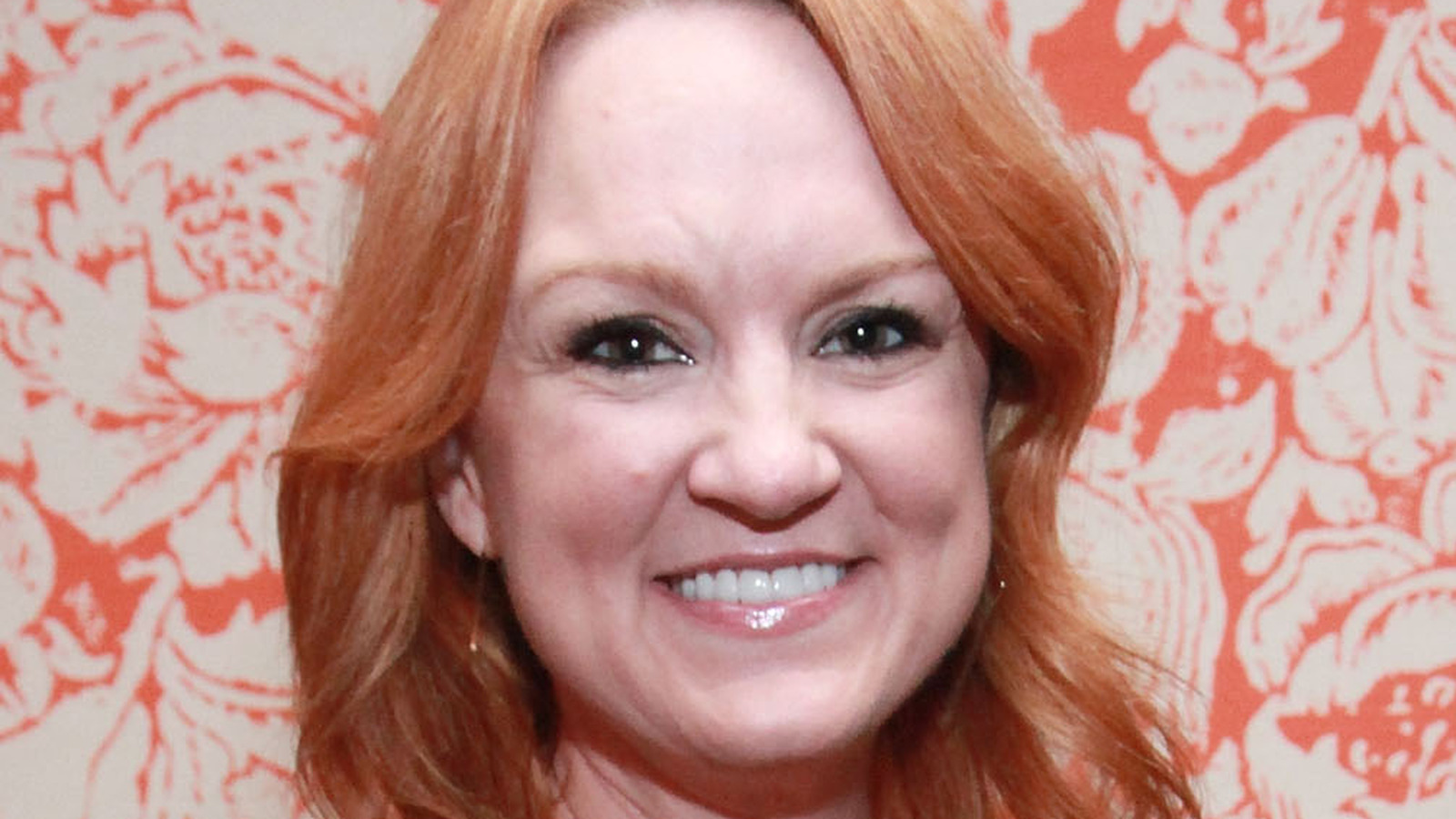
As of financial evaluations reflecting 2025 metrics, Ann Marie "Ree" Drummond—best known as "The Pioneer Woman"—holds an estimated personal net worth of approximately $50 million. When combined with the broader agricultural, land, and ranching operations owned by the Drummond family, total collective enterprise wealth is estimated between $150 million and $200 million.
Overview of Ann Marie "Ree" Drummond's Financial Empire
Ann Marie "Ree" Drummond built one of the most successful personal brand transformations in modern media. What began in 2006 as a blog titled The Pioneer Woman detailing her transition from suburban Oklahoma to life on a remote working cattle ranch expanded into an international lifestyle empire. Her business portfolio now spans television broadcasting, publishing, multi-category retail licensing, real estate, and hospitality.
Analyzing Drummond’s net worth requires distinguishing between her standalone media and merchandising enterprise and the historical real estate holdings of the Drummond family. While her husband, Ladd Drummond, is a co-owner of one of the largest private ranching operations in the United States, Ree Drummond’s personal earnings stem predominantly from her independent commercial activities.
Her revenue structure relies heavily on non-perishable consumer goods, recurring television contracts, high-volume book distribution, and tourism-driven hospitality businesses in Pawhuska, Oklahoma.
Core Sources of Ree Drummond's Wealth
Ree Drummond Enterprise Revenues:
- Media & Food Network TV Contracts
- Retail & Licensing (Walmart Line)
- Publishing & Book Royalties (20+ Titles)
- Hospitality & Real Estate (Pawhuska Biz)
1. Television Contracts and Digital Media Rights
Ree Drummond entered mainstream television broadcasting in 2011 with the premiere of The Pioneer Woman on the Food Network. The show became one of the network's longest-running daytime programs, celebrated for its on-location production at her home ranch in Osage County, Oklahoma.
Television revenue for lifestyle personalities typically includes several distinct streams:
- Per-Episode Talent Fees: Industry benchmarks for top-tier lifestyle hosts on cable networks range from $10,000 to $50,000 per episode, with multi-season package renewals providing consistent recurring baseline income.
- Production Credits: Drummond’s production outfit controls significant aspects of filming, allowing her to retain production fees alongside talent compensation.
- Syndication and International Distribution: Broadcasting rights licensed across global markets and streaming platforms (such as Discovery+ and Max) yield ongoing residual royalty payments.
Complementing cable broadcasting, her digital architecture—comprising her long-running website, email subscriber lists, and social media channels—generates direct digital ad inventory revenue, sponsored content compensation, and affiliate commissions.
2. Retail Partnerships and Merchandising
The single largest driver of Drummond's annual revenue is her exclusive licensing partnership with Walmart, launched in 2015. Initially limited to kitchenware and cookware, The Pioneer Woman product ecosystem expanded across dozens of retail categories:
- Cookware and Small Kitchen Appliances: Floral-patterned cast iron, slow cookers, cutlery, and bakeware.
- Home Goods and Decor: Bedding, bath towels, window treatments, and rug collections.
- Apparel and Fashion Accessories: Seasonal clothing lines tailored toward practical, affordable women's fashion.
- Outdoor and Garden Equipment: Patio furniture, outdoor planters, and gardening tools.
- Consumables: Frozen meals, salad dressings, sauces, and packaged coffee lines distributed nationwide.
In licensing agreements of this scale, brand owners typically receive royalty rates ranging between 3% and 10% of wholesale or retail gross sales, depending on product margin profiles. Given that The Pioneer Woman line at Walmart accounts for hundreds of millions of dollars in annual gross product movement, royalties from this single arrangement represent the primary foundation of her liquid wealth generation.
3. Publishing Rights and Book Royalties
Drummond is a prolific author who has published over 20 books across multiple non-fiction and fiction formats. Her publishing bibliography includes:
- Cookbooks: Titles such as The Pioneer Woman Cooks: Recipes from an Accidental Country Girl, Food from My Frontier, and Super Easy! have consistently topped The New York Times Bestseller list. Cookbooks in this category sell hundreds of thousands of hardcover units per release.
- Memoirs: Her 2011 biographical work, Black Heels to Tractor Wheels, detailed her romance and early married life, achieving major commercial success and securing movie rights options.
- Children’s Literature: A successful series of children's picture books based on her real-life basset hound, Charlie the Ranch Dog, generated significant backend educational and retail volume.
Standard trade publishing royalty structures provide authors with 10% to 15% of list price on hardcover sales and 7.5% to 10% on paperbacks. Earned royalties across millions of cumulative unit sales over two decades contribute an estimated tens of millions of dollars in career earnings.
4. Hospitality and Pawhuska Commercial Real Estate
Rather than focusing solely on national licensing, Drummond reinvested capital directly into downtown Pawhuska, Oklahoma, transforming the rural community into a regional tourism hub.
| Business Entity | Core Focus | Target Audience |
|---|---|---|
| The Mercantile | General Store & Dining | Day Tourists |
| The Boarding House | 8-Room Boutique Hotel | Overnight Guests |
| P-Town Pizza | Fast-Casual Dining | Local & Tourists |
| Charlie's Sweets | Ice Cream & Confection | Families |
Key commercial physical assets include:
- The Mercantile ("The Merc"): Opened in late 2016 in a renovated 100-year-old building, this 25,000-square-foot facility functions as a high-volume general store, restaurant, and bakery. At peak travel periods, the site attracts thousands of visitors daily.
- The Boarding House: Opened in 2018, this eight-room luxury boutique hotel commands premium room rates year-round due to high consumer demand and limited regional supply.
- P-Town Pizza and Charlie's Sweet Shop: Additional food-service concepts designed to capture extended tourist dwell time and increase average visitor spend within the town.
- The Event Center and Ranch Tours: Controlled access to the main Drummond ranch lodge during filming breaks serves as an indirect promotional engine for town-wide retail traffic.
Drummond Land & Cattle Co. Assets and Agricultural Valuation
A complete examination of the Drummond financial ecosystem requires understanding the underlying wealth of Drummond Land & Cattle Co., managed by Ladd Drummond, his brother Tim Drummond, and their extended family network.
Drummond Family Wealth Structure:
- Personal Media & Retail Empire (~$50M Net Worth)
- Land & Cattle Operations (~$150M+ Real Estate & Operations Value)
Extent of Osage County Land Ownership
The Drummond ranching dynasty traces its origins to Frederick Drummond, who arrived in Oklahoma from Scotland in the late 19th century. Over four generations, the family systematically acquired contiguous parcels of land in Osage County.
According to data compiled by The Land Report, the Drummond family ranks among the top 25 largest private landholders in the United States. Key details of their landholding portfolio include:
- Total Acreage: The family owns and manages approximately 433,000 acres of land.
- Real Estate Valuation: Rural agricultural land in Osage County carries variable pricing based on grazing quality, water access, and mineral rights. Conservative land valuations in the region place raw land value between $1,000 and $2,500 per acre, placing the base real estate valuation of the ranch holdings alone between $430 million and $1 billion, though this asset is split among multiple family branches and corporate holding entities.
- Cattle Stocking Operations: The ranch operates as a large-scale commercial stocker cattle enterprise, purchasing young feeder cattle, grazing them on native tallgrass prairie, and transferring them to feedlots.
Bureau of Land Management (BLM) Wild Horse Leases
In addition to traditional cattle grazing, the Drummond land enterprise maintains long-standing contracts with the federal government through the U.S. Department of the Interior's Bureau of Land Management (BLM) Wild Horse and Burro Program.
Under these public protection leases:
- The BLM pays private landowners set daily fees per head to host, feed, and protect wild horses gathered from public ranges in western states.
- Government financial tracking records indicate that Drummond family ranch entities have received over $25 million in cumulative federal contract payments over several decades for maintaining wild horse sanctuaries on their private acreage.
- These payments provide guaranteed, non-cyclical revenue that offsets agricultural volatility caused by drought or fluctuations in beef commodity pricing.
Estimated Asset & Revenue Breakdown
The following table summarizes the primary corporate entities, operational sectors, estimated scope, and key revenue mechanisms contributing to the overall Drummond enterprise wealth.
| Enterprise Sector | Primary Operating Entity | Key Asset / Revenue Driver | Valuation / Revenue Influence |
|---|---|---|---|
| Retail Licensing | General Supply Co. / Pioneer Woman Brand | Exclusive nationwide distribution with Walmart | Primary driver of liquid annual royalties |
| Media & Television | Pioneer Woman Productions / Food Network | Cable TV series, streaming rights, digital ad spend | Steady annual baseline media cash flow |
| Publishing | HarperCollins / Random House Licensing | 20+ bestselling cookbooks, memoirs, children's books | Cumulative historical royalty reserves |
| Hospitality | The Mercantile LLC | Pawhuska restaurant, retail store, hotel, sweets shop | High-margin local physical commerce |
| Real Estate & Land | Drummond Land & Cattle Co. | ~433,000 acres of Osage County prairie | Massive illiquid real estate asset base |
| Government Contracts | Drummond Ranch Leasing Division | BLM Wild Horse & Burro protection agreements | Low-risk, recurring federal lease revenue |
Media Distinctions: Individual Wealth vs. Family Enterprise
Public discussions regarding Ree Drummond's financial standing frequently blur the line between personal wealth created by her media brand and the generational wealth of her husband's family.
| Ree Drummond Personal Empire | Drummond Land & Cattle Co. Enterprise |
|---|---|
| • Retail royalties (Walmart)• Food Network media contracts• Book advance and royalty fees• Pawhuska hospitality businesses | • 433,000+ acres of real estate• Commercial livestock inventory• BLM government land leases• Generational trust structures |
To understand her complete financial position, key distinctions must be made:
- Individual Liquidity: Ree Drummond’s individual net worth of approximately $50 million represents cash, liquid investments, intellectual property rights, and direct ownership of her lifestyle entities. This capital was built independently over the past two decades.
- Asset Illiquidity: The $150 million to $200+ million in combined family wealth is heavily tied up in working real estate, agricultural infrastructure, and livestock inventories. Land assets held by cattle ranches are rarely liquid, as selling acreage disrupts core agricultural operations.
- Corporate Ownership Structure: Drummond Land & Cattle Co. is a complex corporate entity with ownership distributed across multiple family members spanning several generations. Ree Drummond is not the sole beneficiary of these total land assets; rather, her household retains a fractional ownership stake in the broader historical ranch enterprise alongside their independent ventures.
Financial Management and Asset Protection Strategies
The growth and preservation of the Drummond wealth rely on structured financial management techniques common among high-net-worth media creators and agricultural landholders.
Brand Extension and Category Control
By securing trademark protections across broad categories—from kitchenware to home furnishings and packaged food—Drummond prevented brand dilution. Control over The Pioneer Woman trademark allows her legal team to license her name to top-tier manufacturing partners who handle capital investments, inventory management, supply chain logistics, and distribution costs, leaving her business model light on capital expenditure and focused on high-margin royalty collection.
Vertical Integration in Local Tourism
In Pawhuska, Drummond adopted vertical integration. Visitors drawn to town by her television show dine at her restaurant, purchase products at her store, stay at her boutique hotel, and buy desserts at her bakery. This creates a multi-touchpoint revenue capture model per visiting consumer.
Real Estate Tax Structuring
Agricultural land operations of the size owned by the Drummond family utilize specialized tax provisions, including:
- Depreciation Allowances: Infrastructure investments, fencing, equipment, and livestock assets offer significant tax depreciation write-offs.
- 1031 Land Exchanges: Utilizing Section 1031 of the Internal Revenue Code allows real estate investors to defer capital gains taxes when swapping qualified agricultural land parcels.
- Conservation Easements: Restricting development rights on historical prairie land can yield substantial state and federal tax deductions while protecting working open spaces.
Frequently Asked Questions
What is Ree Drummond's individual net worth?
Ree Drummond's personal net worth is estimated at approximately $50 million. This figure reflects her earned income from The Pioneer Woman media franchise, book royalties, product licensing deals with Walmart, and local commercial properties in Pawhuska, Oklahoma.
How much land does the Drummond family own?
The Drummond family collectively owns approximately 433,000 acres of land, primarily located in Osage County, Oklahoma. This places them among the top 25 largest private landholders in the United States according to land ownership tracking by The Land Report.
How much money does Ree Drummond make from Walmart?
While specific contractual terms remain private, retail analysts estimate that her exclusive cookware, apparel, and home decor lines generate hundreds of millions of dollars in retail sales annually. Based on standard licensing royalty arrangements (typically 3% to 10%), her annual income from Walmart alone is estimated to be in the tens of millions of dollars.
Does the federal government pay the Drummond ranch money?
Yes. The Drummond Land & Cattle Co. holds contracts with the Bureau of Land Management (BLM) to provide protection, land, and care for wild horses and burros. Over several decades, federal spending records show these contracts have paid the family ranching entities over $25 million for maintaining these long-term horse sanctuaries on private pasture land.
Is Ree Drummond's wealth mostly inherited?
No. While her husband, Ladd Drummond, comes from a historically prominent, land-wealthy Oklahoma ranching family, Ree Drummond built her personal media, publishing, and retail empire independently starting with her blog in 2006. Her personal net worth of ~$50 million was generated through her own business operations.
Summary of Financial Standing
Ann Marie "Ree" Drummond’s total financial footprint is a fusion of modern lifestyle media monetization and traditional agricultural land ownership. By leveraging digital traffic into television contracts, publishing sales, and nationwide retail licensing arrangements, she built a personal liquid fortune estimated at $50 million. When evaluated alongside the 433,000 acres of land and agricultural operations managed by the extended Drummond family enterprise, the collective family net worth comfortably sits between $150 million and $200+ million.