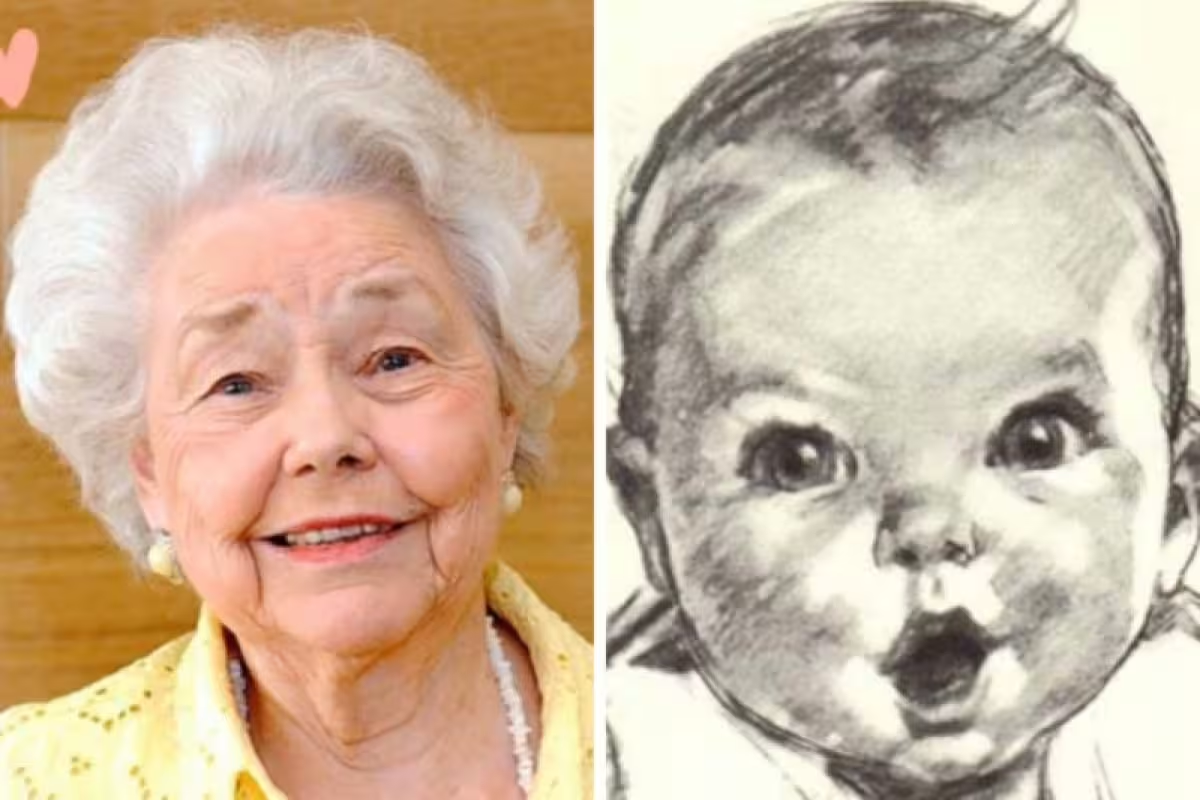
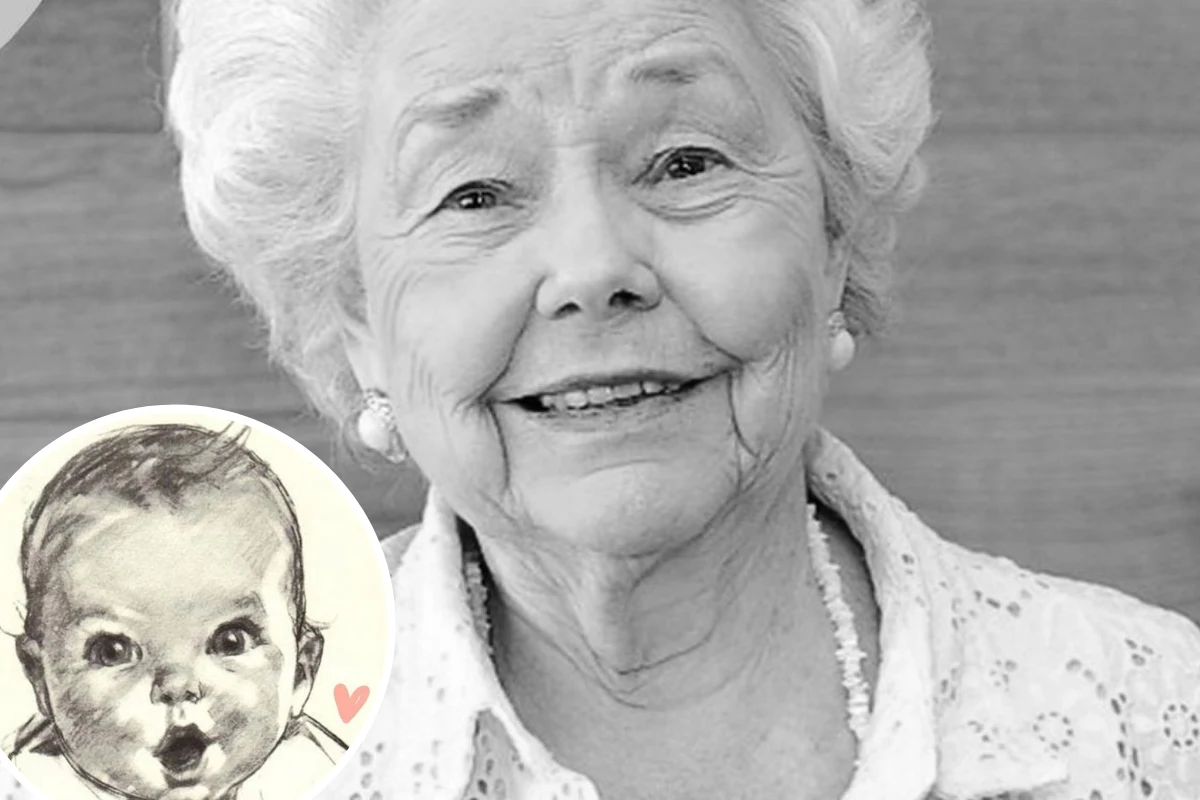
Ann Turner Cook had an estimated net worth between $2 million and $5 million at the time of her death in June 2022 at age 95. Contrary to widespread popular belief, her wealth did not stem from ongoing royalties on Gerber baby food jars, but rather from a lump-sum settlement, a three-decade career as an educator, and earnings as a published mystery novelist.
The Financial Reality vs. Public Myth: How Much Was Ann Turner Cook Worth?
For nearly a century, the charcoal portrait of Ann Turner Cook's wide-eyed infant face served as the universal symbol of childhood nutrition across the globe. As the iconic "Gerber Baby," Cook's image was printed on billions of jars, boxes, and advertisements produced by the Gerber Products Company. Because of this massive commercial exposure, public perception frequently assumed that Cook accumulated vast corporate wealth, perhaps earning millions in ongoing licensing fees or per-unit royalty checks.
In reality, Ann Turner Cook’s estimated net worth of $2 million to $5 million at the end of her life was built primarily through traditional, modest financial avenues: a long and stable career as a Florida public school English teacher, income from her published mystery novels, prudent real estate ownership, and retirement savings.
| Financial Aspect | Historical Reality | Public Perception / Urban Legend |
|---|---|---|
| Primary Compensation | $5,000 one-time legal settlement (1951) | Continuous royalties (e.g., 1% per jar sold) |
| Inflation-Adjusted Settlement Value | ~$60,000 in modern purchasing power | Tens of millions of dollars in corporate equity |
| Primary Career Income | 30+ years as a high school English teacher | Professional corporate spokesperson |
| Secondary Income | Author of 4 published mystery novels | Executive consultant to Gerber/Nestlé |
| Estimated Net Worth at Death (2022) | $2,000,000 – $5,000,000 | $50,000,000+ |
The disconnect between the global footprint of her face and her personal bank account illustrates how corporate rights and model releases functioned in the early to mid-20th century. Understanding Cook’s actual net worth requires untangling corporate trademark history, legal settlements, and her actual career trajectory.
The $5,000 Settlement: Breaking Down the Gerber Trademark Deal
The story of the Gerber Baby logo began in 1928, when the Gerber Products Company launched an nationwide advertising contest to find an image for its newly launched line of packaged baby food. Artist Dorothy Hope Smith, a neighbor of the Turner family in Westport, Connecticut, submitted a simple, unfinished charcoal sketch of five-month-old Ann Turner.
Smith noted in her submission that she could complete the sketch if the company selected it. However, Gerber executives chose the draft exactly as it was drawn, captivated by the baby's expressive eyes and open mouth.
- 1928: Dorothy Hope Smith draws charcoal sketch of 5-month-old Ann Turner
- 1928: Gerber selects the unfinished sketch for national ad campaign
- 1931: Gerber officially registers the baby sketch as an official trademark
- 1951: Gerber pays Ann Turner Cook a lump-sum settlement of $5,000 for all image rights
When Gerber officially adopted the drawing as its official trademark in 1931, model release standards and copyright frameworks for corporate identity were far less developed than they are today. For two decades, Gerber used the image globally without an explicit, comprehensive financial agreement directly compensating the child behind the sketch.
The 1951 Out-of-Court Settlement
By 1951, as Gerber had grown into an international food processing giant, legal counsel for both Gerber and the Turner family sought to clarify the ownership of the trademark. The parties reached an out-of-court settlement in which Gerber agreed to pay Ann Turner Cook a single lump sum of $5,000.
To put that figure into modern context:
- 1951 Lump Sum: $5,000
- Inflation-Adjusted Value: Roughly $60,000 in today's currency
- Ongoing Royalty Percentage: 0%
In exchange for this payout, Cook signed over all remaining commercial rights, image claims, and trademark interests associated with the charcoal sketch. She received no stocks, no equity in Gerber Products Company, and no perpetual commission on product sales.
Ann Turner Cook’s True Income Sources: Teaching and Writing
Because the Gerber settlement was a modest sum meant to settle legal title rather than fund a lifetime of luxury, Cook lived a practical, working-class lifestyle focused on education and literature.
30-Year Career in Education
Cook spent the vast majority of her adult life working in public education in Tampa, Florida. After earning her bachelor's degree in English from Southern Methodist University and a master's degree in English Education from the University of South Florida, she embarked on a decades-long teaching career.
- Oak Grove Junior High School: Taught English and language arts during the 1960s.
- Plant High School (Tampa, FL): Served as an English teacher and department head for many years until her retirement in 1989.
Public school educator salaries in Florida during the 1960s through late 1980s provided a steady, respectable middle-class income. Coupled with Florida State Retirement System (FRS) pension benefits, Cook’s long service ensured long-term financial security for her household, which included her husband, Alexander Cook, and their four children.
Literary Earnings: The Brandy O'Bannon Mystery Series
Following her retirement from high school teaching in 1989, Cook turned her attention to creative writing. Drawing on her deep knowledge of Florida geography and classic mystery structures, she authored a four-book mystery series featuring reporter-heroine Brandy O'Bannon:
- Trace of Shadow (2001): Set in the Florida Panhandle, establishing the central investigator character.
- Shadow Over Oak Island (2002): Expanded her local readership and established a regional fan base.
- Homosassa Springs (2005): Focused on small-town Florida secrets and historical intrigue.
- Panama City (2012): Concluded the mystery series with strong regional distribution.
While self-publishing and independent literary publishing rarely generate millions for mystery authors, her books provided steady secondary income, book signing revenues, and ongoing book royalty distributions throughout her retirement years.
The Urban Legends Surrounding the Gerber Baby Royalties
The contrast between Gerber’s multi-billion-dollar corporate valuation and Cook’s modest lifestyle fueled decades of persistent urban legends.
Myth 1: The 1% Per-Jar Royalty
The most common internet rumor suggested that Ann Turner Cook had a contract granting her 1 cent (or 1%) for every jar of Gerber baby food sold worldwide. Had such a contract existed, Cook would have become one of the wealthiest individuals in North America, earning tens of millions of dollars annually given Gerber’s dominance of the market. In multiple interviews throughout her later years, Cook explicitly debunked this myth, explaining that the $5,000 lump sum in 1951 was the sole cash payout she ever received from the company for image rights.
Myth 2: The Secret Identity Rumors
For nearly 50 years, Gerber maintained a deliberate policy of keeping the baby's identity secret as part of an aggressive, mysterious marketing tactic. This secrecy led the public to guess the identity of the infant. Popular theories over the decades claimed the baby was:
- Humphrey Bogart (whose mother, Maud Humphrey, was a famous commercial illustrator)
- Elizabeth Taylor
- Jane Seymour
- Senator Bob Dole
It was not until 1978 that Gerber publicly revealed that the baby was Ann Turner Cook. By that time, Cook was already in her early 50s and deeply established in her teaching career in Tampa.
Debunking the Gerber Baby Financial Myths:
- MYTH: Ann Turner Cook received a 1% royalty on every baby food jar.
- FACT: Cook received a one-time $5,000 cash settlement in 1951.
- MYTH: Gerber granted her corporate shares that grew into millions.
- FACT: Her estate was built on a teacher's pension, writing, & savings.
Financial Comparison: Historical vs. Modern Brand Licensing
To understand why Ann Turner Cook did not receive a massive ongoing fortune from Gerber, it is useful to examine how corporate licensing contracts have evolved from the 1930s to the modern era.
- HISTORICAL ERA (1930s - 1950s)
- Work-for-hire or flat fee modeling payouts
- One-time copyright transfer to brand
- Zero residual rights for the model
- Low legal standard for image monetization
- MODERN ERA (Present Day)
- Structured name, image, and likeness (NIL) licensing
- Tiered usage fees across global digital channels
- Performance bonuses and revenue sharing options
- Strict time-bound exclusivity agreements
1. Work-for-Hire vs. Right of Publicity
In the 1930s and 1950s, the concept of a individual's "Right of Publicity"—the legal right to control and commercialize one's personal identity—was in its infancy. Models were typically compensated via flat-fee "work-for-hire" arrangements. Once the buyout was completed, the brand held absolute ownership of the asset in perpetuity.
In modern advertising, a child model or brand ambassador of comparable visibility would sign complex usage agreements. Modern contracts routinely limit licensing terms to specific timeframes (e.g., 1 to 3 years) and geographical territories, requiring periodic contract renewals, image updates, and substantial recurring fee structures.
2. Corporate Acquisitions and Brand Value
In 1994, Gerber was acquired by Sandoz (which merged into Novartis in 1996), and later sold to Nestlé in 2007 for approximately $5.5 billion.
Despite the immense valuation of the Gerber brand—a valuation heavily linked to the iconic baby face trademark—the asset was fully corporate property. Neither Cook nor her heirs held legal claims to proceeds from these multi-billion-dollar corporate acquisitions because the 1951 settlement had permanently assigned ownership rights to Gerber.
Later Relationship with Gerber and Estate Legacy
Despite receiving only a modest financial payout early in life, Ann Turner Cook maintained a warm, mutually respectful relationship with Gerber in her later years.
Public Appearances and Ambassador Roles
Once her identity was officially disclosed in 1978, Gerber occasionally invited Cook to participate in milestone anniversary events, corporate headquarters visits, and media appearances. While these appearances provided honorariums and travel coverage, Cook never sought to re-litigate the original 1951 settlement or demand back-pay royalties.
In 2010, when Gerber launched its annual "Gerber Baby Photo Search," Cook participated in promotional campaigns and met with modern Gerber contest winners, serving as a symbolic ambassador for the brand.
Estate Structure and Final Wealth
When Ann Turner Cook passed away peacefully at her home in St. Petersburg, Florida, on June 3, 2022, she left behind a secure family estate. Her net worth of approximately $2 million to $5 million was preserved and managed through:
- Traditional residential real estate holdings in Florida.
- Accumulated savings from her 30+ year teaching career and public pension plans.
- Continued residual intellectual property rights for her published book series (Brandy O'Bannon Mysteries), which passed to her surviving four children.
Her legacy remains one of intellectual accomplishment and modest stewardship rather than corporate royalty windfalls.
Frequently Asked Questions
Did Ann Turner Cook get paid royalties for every Gerber jar sold?
No. Ann Turner Cook never received royalties or commissions based on product sales. In 1951, she received a single, out-of-court lump-sum settlement of $5,000 from Gerber, which granted the company full ownership of her image rights.
How much was $5,000 in 1951 worth today?
Adjusted for inflation, the $5,000 cash payment Cook received in 1951 is equal to roughly $60,000 in today's purchasing power.
What was Ann Turner Cook's primary source of lifetime income?
Her primary income came from her career as a public school English teacher and department head in Tampa, Florida, where she worked for over three decades until retiring in 1989. She also earned income as an author of mystery novels.
Who drew the famous Gerber Baby sketch?
The sketch was drawn by Dorothy Hope Smith, an illustrator who was a neighbor of the Turner family in Westport, Connecticut. Smith submitted the draft charcoal drawing to Gerber's national advertising contest in 1928.
What was Ann Turner Cook's net worth when she passed away?
At the time of her death in June 2022 at age 95, her estimated net worth was between $2 million and $5 million, built through career earnings, pensions, book sales, and prudent financial management.
Key Takeaways: Understanding Corporate Image Rights and Wealth
The story of Ann Turner Cook’s net worth serves as a primary case study in the history of corporate branding, intellectual property law, and financial reality versus public myth:
- Lump-Sum vs. Royalties: Commercial identity contracts in the early 20th century relied heavily on flat-fee buyouts rather than ongoing royalty streams.
- Career-Driven Wealth: Cook achieved her wealth through traditional, respectable careers in public education and fiction writing rather than corporate endorsement checks.
- Trademark Ownership: Once a legal buyout is executed, changes in corporate valuation—such as multi-billion-dollar brand sales—do not retroactively increase the original model's financial payout.
For those analyzing celebrity or historical net worths, Ann Turner Cook’s financial legacy illustrates how iconic public fame does not always equate to automated corporate fortunes, highlighting the importance of verifying legal and contractual history over popular media legends.