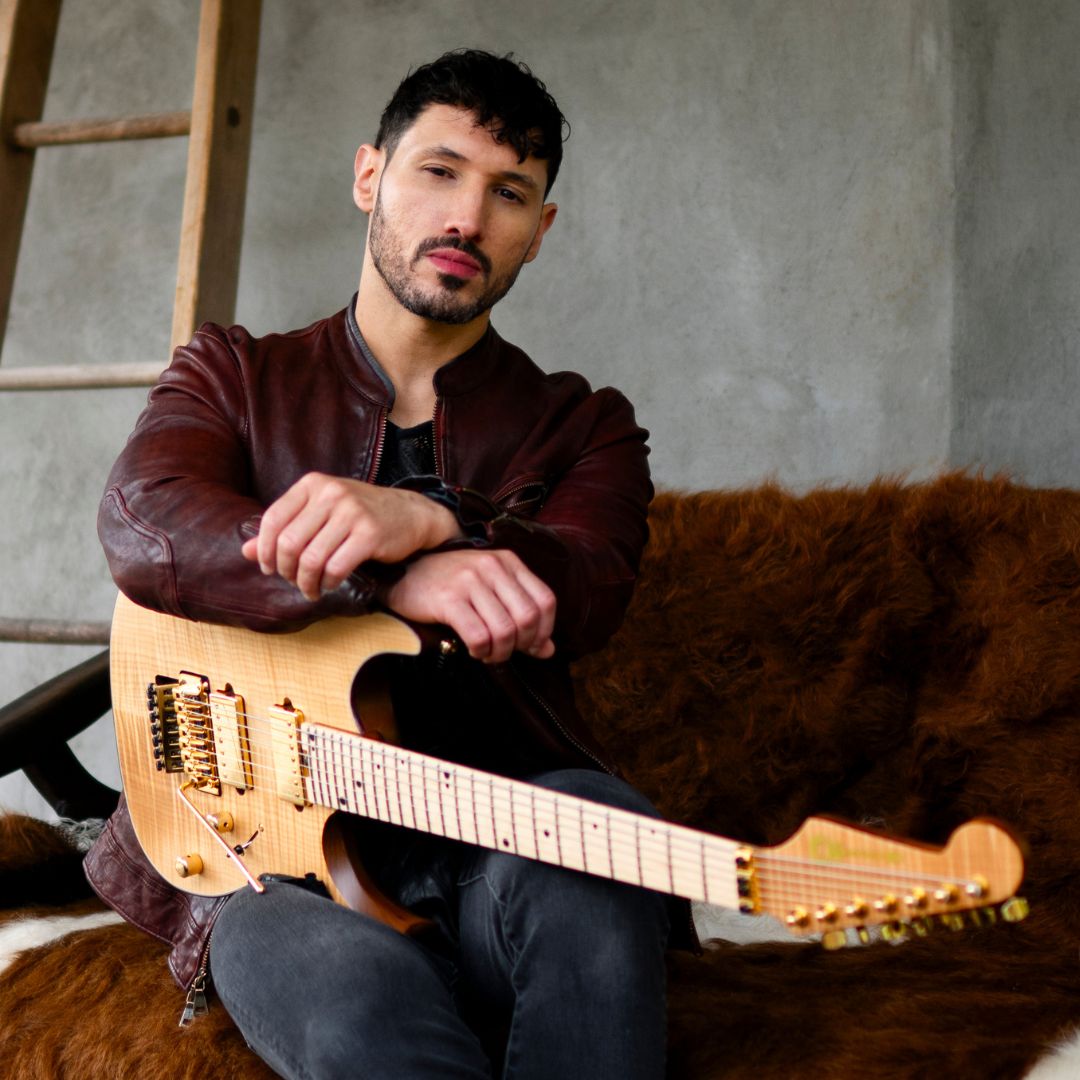
Angel Vivaldi’s estimated net worth sits between $1 million and $3 million, representing a financial trajectory built entirely on an independent, direct-to-consumer business model. Unlike traditional metal artists signed to major record labels, Vivaldi captures a significantly higher percentage of his gross earnings through signature gear endorsements, self-released albums, global touring, and direct merchandise operations.
Understanding net worth figures for modern instrumental guitarists requires looking beyond superficial online valuation sites. For a niche artist performing complex progressive metal without a vocalist, wealth accumulation depends less on massive radio hit royalties and more on diversified revenue streams, lean operation budgets, and asset retention.
This analysis contextualizes Angel Vivaldi’s net worth by examining how an independent instrumental musician operates as a self-contained commercial enterprise, detailing his primary income streams, operational costs, and career sustainability.
Deconstructing the Net Worth Estimates ($1 Million – $3 Million)
Publicly accessible net worth aggregators often assign generic values to musicians based on social media follower counts, YouTube views, and estimated stream counts. For an artist like Angel Vivaldi, these surface metrics only capture part of the picture. The estimated range of $1 million to $3 million reflects accumulated capital, intellectual property rights, signature instrument royalties, equipment inventory, personal real estate, and ongoing business revenue.
Gross Revenue - Enterprise Costs (Touring, Production, Marketing) = Net IncomeNet Income Retained + Capital Appreciation (Real Estate/Equities) = Net Worth
In the traditional record deal framework of the 1990s or 2000s, a metal musician might sell hundreds of thousands of albums yet remain in debt to their record label due to unrecouped advances for music video budgets, recording studio rentals, and tour support. Vivaldi’s financial foundation rests on the inverse model: low operational debt, ownership of master recordings, and direct ownership of his business entities.
Because Vivaldi self-finances his projects—including high-production music videos such as those for his EP Synapse and album Away With Words—he pays higher upfront costs but retains nearly 100% of downstream profit margins. Consequently, every unit of digital or physical media sold yields a substantially higher net return than a comparable sale by a major-label artist.
Primary Income Streams for an Independent Instrumental Artist
To understand how Angel Vivaldi accrued his wealth, it is essential to dissect the individual components of his commercial ecosystem. Instrumental progressive metal (often grouped under shred, djent, or modern instrumental rock) relies on a dedicated, enthusiast fan base that monetizes at a much higher rate per capita than casual pop audiences.
Angel Vivaldi Revenue Architecture
| Signature Gear & Endorsements | Digital Streams & Music Sales | Direct-to-Fan Merchandising | Live Touring & Clinics |
|---|---|---|---|
| (Charvel/DiMarzio Royalties) | (Spotify, Apple, Bandcamp) | (Apparel, Tabs, Physical Vinyl) | (Guaranteed Fees, VIP) |
1. Signature Gear Royalties and Endorsements
Endorsements are among the most lucrative and stable revenue sources for prominent instrumental guitarists. Instrument manufacturers value players who directly influence instrument purchases among dedicated gear enthusiasts.
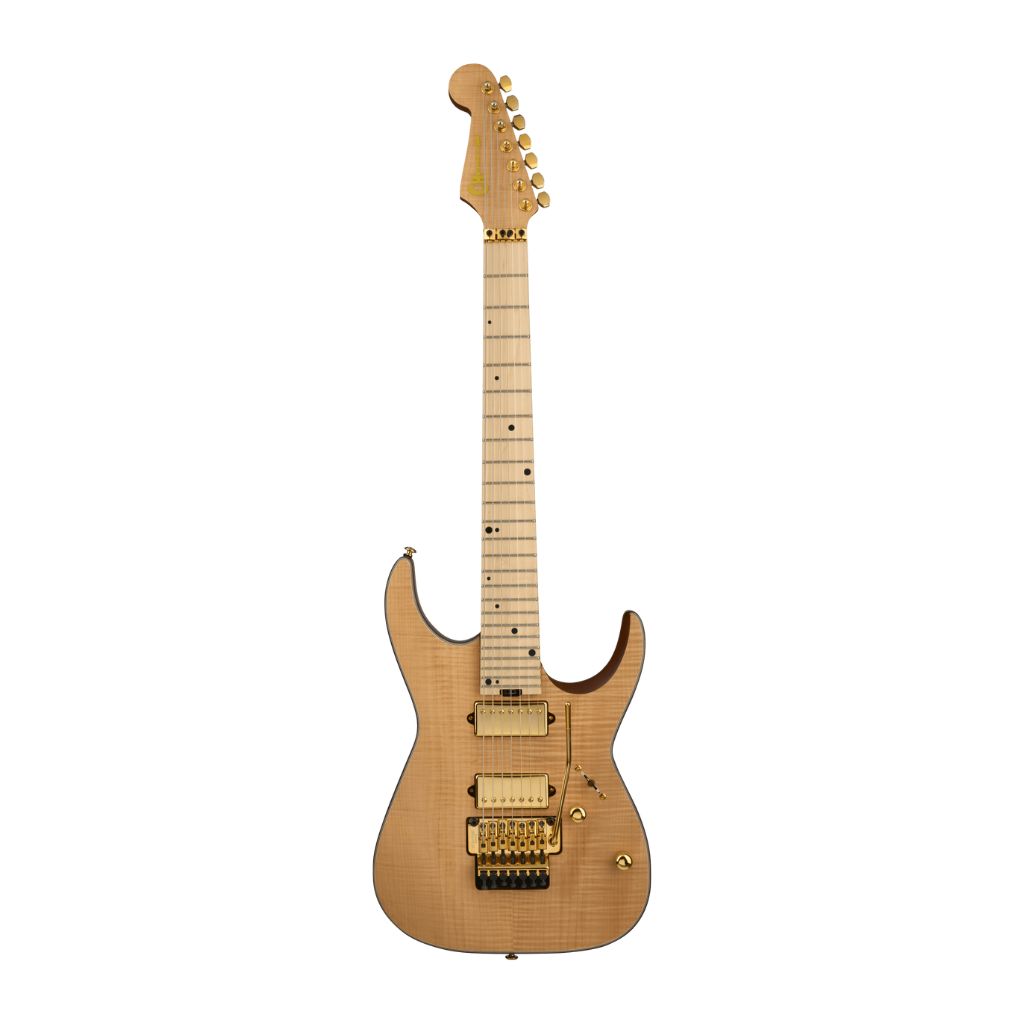
- Charvel Guitars Signature Line: Vivaldi maintains a prominent signature partnership with Charvel (a subsidiary of Fender Musical Instruments Corporation). His signature models, including the Charvel Angel Vivaldi Signature DK24-7 NOVA, command retail prices between $1,500 and $1,900. Guitarists typically earn a royalty percentage (generally ranging between 3% and 7% of wholesale or retail sales, depending on contractual terms) per unit sold globally.
- Pickup and Accessory Endorsements: Vivaldi partners with major equipment brands such as DiMarzio for signature pickups (such as the Super Distortion and Air Norton setups featured in his signature guitars) alongside strap, string, and guitar care manufacturers. While some accessory deals provide gear allowances rather than cash, tier-one endorsements include yearly stipend contracts or per-unit royalty payouts.
2. Direct-to-Consumer Merchandise and Physical Media
Physical product sales represent a major profit center for independent instrumental metal artists. Fans of technical guitar music frequently purchase high-margin physical artifacts.
- Custom Merchandise: Hoodies, t-shirts, wall art, and limited-edition guitar picks sold through independent fulfillment platforms generate gross profit margins between 40% and 60%. By controlling production and inventory directly, Vivaldi avoids yielding margins to retail distributors.
- Transcriptions and Tablature Books: Guitarists who play complex music have a built-in audience eager to learn their compositions. Vivaldi sells digital and physical guitar tablature books, companion backing tracks, and instructional packs. Tab books cost relatively little to format and print digitally but command premium prices ($25–$50 per package), resulting in high gross profit margins.
- Vinyl and Physical Discs: Limited pressings of vinyl records for albums like The Power of the Three or Away With Words serve as collector items that sell at premium rates, providing cash injections around release windows.
3. Music Streaming, Downloads, and Publishing
While streaming services pay low fractions of a cent per play, a deep catalog with sustained global streaming yields predictable monthly passive income.
- Master Recording Ownership: Because Vivaldi owns his master recordings outright, he receives the full master-side royalty payout from digital distributors (such as DistroKid or TuneCore) after standard service processing fees. Major label artists often receive only 15% to 20% of master royalties, whereas independent rights holders retain up to 100%.
- Publishing Rights: As the sole or primary songwriter on his instrumental compositions, Vivaldi collects 100% of the writer's and publisher's share of performance and mechanical royalties distributed via Performance Rights Organizations (PROs) like BMI or ASCAP when his music is played on public media, television broadcasts, or streaming networks.
4. Touring and Live Performance Economics
Touring remains a critical driver of revenue, though it presents the highest operational risk and overhead costs.
- Headlining and Package Tours: Vivaldi frequently organizes or co-headlines package tours, such as The Guitar Collective, bringing together multiple virtuosic guitarists to pool fanbase resources and share backline logistics.
- VIP Experiences and Masterclasses: To maximize revenue per tour stop, Vivaldi offers pre-show VIP guitar masterclasses and meet-and-greet packages. These high-margin additions often cover a substantial portion of daily tour bus fuel, vehicle leases, or crew compensation costs.
Financial Architecture Comparison: Independent vs. Major-Label Model
To illustrate why an independent artist with a mid-tier audience can achieve a net worth comparable to or higher than signed artists with larger followings, consider how income flows through different record deal structures.
| Financial Metric / Factor | Traditional Major/Indie Label Contract | Angel Vivaldi Independent Model |
|---|---|---|
| Master Recording Ownership | Label retains 80%–100% ownership | Artist retains 100% ownership |
| Streaming Royalty Payout | 15% – 25% of gross stream earnings | 85% – 100% of gross stream earnings |
| Merchandise Royalty Share | 50% – 70% after label/distributor cuts | 100% minus direct manufacturing/shipping |
| Endorsement Revenue Control | May require split or approval with management | Retained 100% by artist/business entity |
| Upfront Production Costs | Label advance (recoupable debt) | Self-funded (retained equity) |
| Long-Term Asset Accumulation | Low early equity; dependent on hit status | High catalog equity; steady passive cash flow |
This structural difference explains why raw streaming volume or radio play does not directly correlate with a musician's personal balance sheet. Retaining ownership of intellectual property allows independent musicians to build long-term personal equity rather than servicing unrecouped label advances.
The Cost Structure: Expenses and Overhead in Independent Metal
Net worth reflects assets minus liabilities, making operational expenses a critical variable in assessing true financial health. Running a modern touring music business requires managing substantial recurring expenses.
- Independent Touring Revenue Stream (Gross Revenue)
- Ticket Sales & Performance Guarantees
- On-Site Physical Merchandise
- VIP Masterclass Packages
- Net Revenue / Deductions (yielding Net Profit retained by Artist Enterprise)
- Vehicle Rental & Fuel (20-30%)
- Crew & Session Musician Pay (25-35%)
- Venue Merch Cuts (15-25%)
- Commission to Management/Booking (10-15%)
1. Production and Recording Expenses
Although home studio technology has reduced recording costs, top-tier instrumental progressive metal requires clean mixing, mastering, and video production.
- Mixing and Mastering: Contracting elite metal engineers (such as Will Putney or Jens Bogren) can cost between $5,000 and $15,000 per project.
- Video Production: Vivaldi is known for cinematic music videos featuring custom sets, lighting setups, and visual effects. Producing high-concept visuals independently requires five-figure investments per album cycle, though these videos serve as perpetual marketing assets on YouTube and social platforms.
2. Touring Overhead
Touring costs increased significantly across the live music industry in recent years due to inflated fuel costs, vehicle rental rates, venue merchandise cuts, and hotel prices.
- Session Musicians: Instrumental guitarists who tour under their own name must hire backing musicians (bassist, drummer, secondary rhythm guitarist). Session players receive guaranteed daily rates ($150–$400+ per day depending on experience level), regardless of whether a venue turns a profit.
- Logistics and Travel: Vehicle rentals, insurance, equipment transit fees, flight costs, and fuel easily eat into gross performance guarantees.
- Venue Merchandise Cuts: Venues frequently demand 15% to 30% of soft-goods (apparel) sales, reducing direct merchandise profit margins during live events.
3. Business Management and Taxes
As a self-employed business owner, Vivaldi incurs standard corporate overhead:
- Management and Booking Fees: Talent agents typically take 10% to 15% of gross live performance guarantees, while personal management fees range from 15% to 20% of overall gross income.
- Self-Employment and Corporate Taxes: Operating as an LLC or S-Corporation in the United States requires navigating state and federal tax structures, self-employment taxes, and international withholding taxes on foreign tours.
Asset Breakdown: What Makes Up Vivaldi’s Valuation?
When estimating Angel Vivaldi’s total financial picture, assets extend beyond cash held in checking accounts. His portfolio comprises several physical, digital, and intellectual property classes:
- Music Catalog Value (Intellectual Property): The financial valuation of Vivaldi's back catalog (including fan favorites like The Power of the Three and Synapse) represents a primary asset. Catalog valuations are traditionally calculated using a multiple (often 6x to 15x) of average annual net publisher/master earnings.
- Instrument and Studio Inventory: A high-end equipment collection—including custom-shop Charvel prototypes, vintage amplifiers, digital profiling gear (Fractal Audio, Kemper), microphonic equipment, and home studio hardware—carries significant tangible resale value.
- Digital Business Assets: Monetized YouTube channels, high-traffic streaming profiles, social media real estate, and proprietary email lists serve as marketing channels that reduce external advertising costs for future releases.
- Personal Capital Investments: Like many forward-thinking entrepreneurs, successful independent musicians convert liquid earnings into standard wealth-building vehicles, including real estate holdings, stock portfolios, and index funds to secure retirement capital outside the music industry.
Frequently Asked Questions
What is Angel Vivaldi's main source of income?
Angel Vivaldi's income is split across multiple channels, but signature gear royalties (such as his signature guitar line with Charvel), direct-to-consumer merchandise sales, and VIP touring masterclasses generate the highest net profit margins. Streaming royalties and self-released physical media provide additional baseline passive revenue.
How much do signature guitar deals pay artists like Angel Vivaldi?
While exact contract terms are protected by non-disclosure agreements, artists typically earn a royalty between 3% and 7% on the wholesale or retail price of each signature guitar sold worldwide. Popular signature models with international distribution through brands like Charvel/Fender generate consistent five-figure to low six-figure annual royalty income, depending on sales volume.
Does Angel Vivaldi own the rights to his music?
Yes. As an independent artist operating outside major label contracts, Vivaldi owns 100% of his master recordings and retains his publishing rights. This ownership allows him to keep a larger share of streaming income and licensing opportunities compared to artists under traditional record contracts.
How does an instrumental metal guitarist tour profitably?
Instrumental guitarists maintain profitability by keeping tour teams lean, running package tours with complementary artists (like The Guitar Collective) to share equipment and vehicle expenses, and selling high-margin add-ons such as pre-show guitar masterclasses, VIP meet-and-greets, and exclusive tour merchandise.
Is Angel Vivaldi signed to a record label?
Vivaldi operates primarily as an independent artist, releasing music through his own infrastructure while partnering with third-party service providers for digital distribution, physical manufacturing, and international PR campaigns without giving up master ownership.
Strategic Lessons for Modern Independent Artists
Angel Vivaldi’s financial success illustrates how niche artists build sustainable careers in the modern music economy. His model highlights several strategic principles:
- Prioritize Ownership Over Advances: Retaining master and publishing rights builds long-term catalog equity that pays dividends long after an album's release cycle ends.
- Diversify Beyond Music Sales: Developing non-musical revenue streams—such as signature hardware partnerships, instructional products, and direct merch lines—protects against fluctuations in streaming royalty rates or live touring disruptions.
- Cultivate High-Intent Niche Audiences: A dedicated audience of technical guitar enthusiasts willing to buy physical vinyl, signature pickups, and tab books is financially more valuable to an independent artist than millions of passive listeners on generic streaming playlists.
Vivaldi's financial standing demonstrates that long-term wealth in music does not require major-label backing or top-40 radio play. By operating a lean, direct-to-fan business enterprise, an independent artist can convert musical virtuosity into financial independence.
EDITORIAL CATEGORY METADATA: