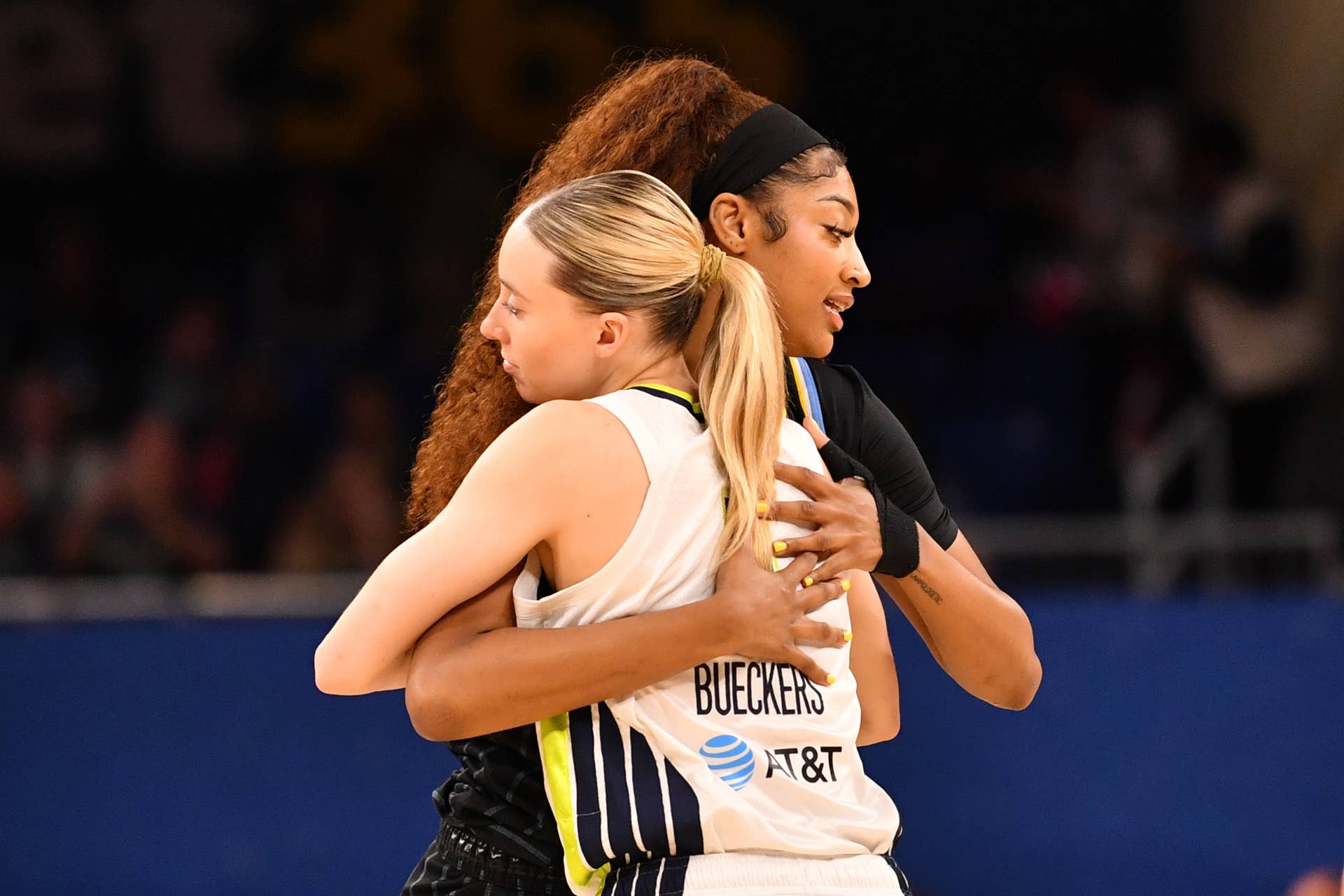
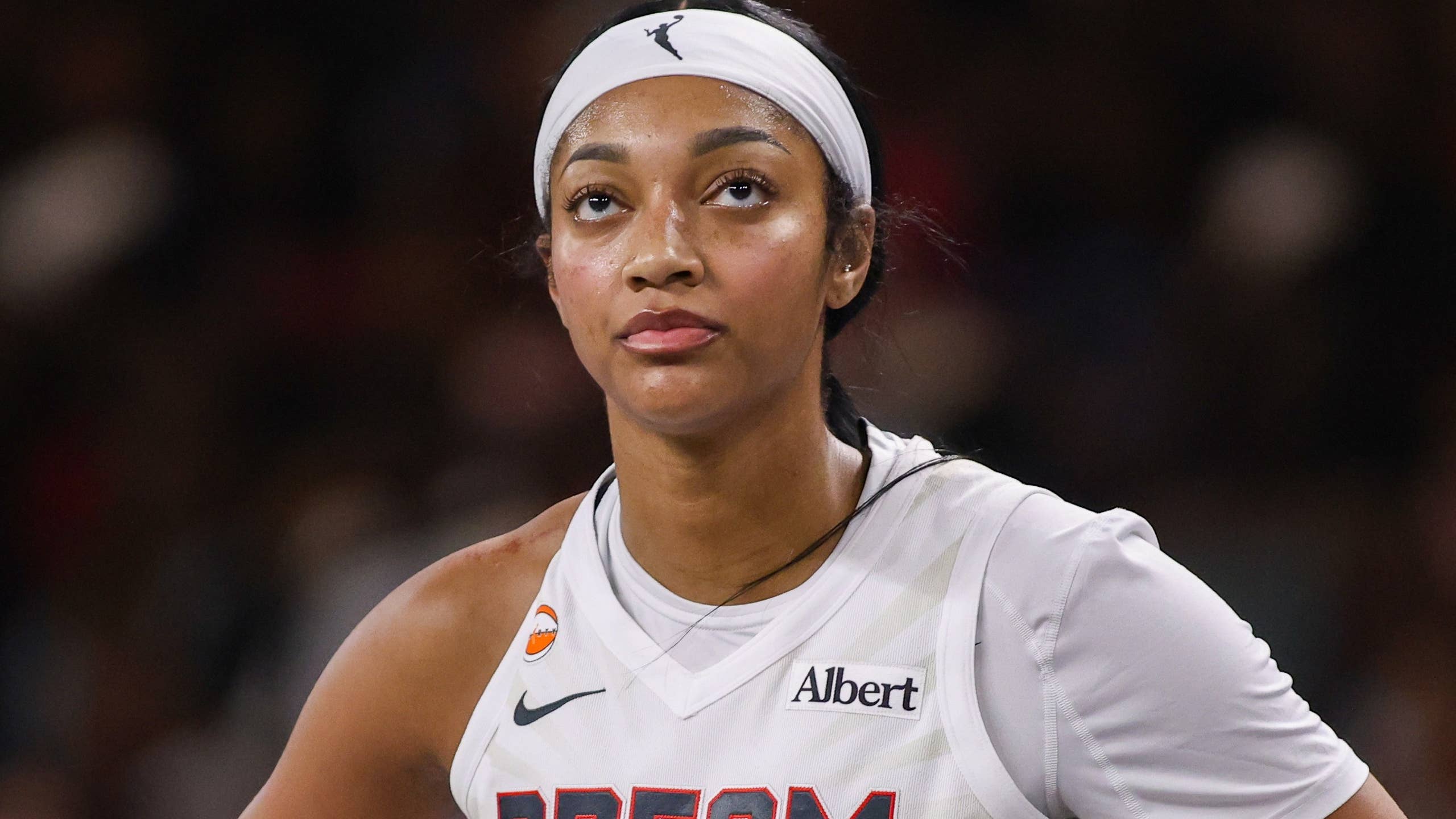
During her college basketball career, Angel Reese experienced two notable injury incidents: a severe right foot fracture during her freshman year at Maryland in December 2020, which required surgery and a three-month recovery, and a right ankle sprain during LSU’s 2024 Sweet 16 game against UCLA, from which she returned in-game to complete the match.
Understanding the Primary Angel Reese Hurt Incidents in College Basketball
Angel Reese’s rise to national prominence in women's college basketball was marked by extraordinary athleticism, dominant rebounding, and relentless physical play. However, her collegiate journey across the University of Maryland and Louisiana State University (LSU) was occasionally tested by physical setbacks and on-court injury scares. When basketball fans and analysts search for the "Angel Reese hurt incident in college basketball," they typically refer to one of two distinct events: her major freshman-year foot injury at Maryland in late 2020, or her high-profile ankle sprain during the 2024 NCAA Tournament with LSU.
Navigating physical injuries is a critical component of high-level collegiate athletics, particularly for frontcourt players who routinely contest rebounds in the paint, absorb contact from opposing post players, and execute explosive lateral cuts. Reese's resilience in overcoming these health challenges played a pivotal role in shaping her competitive mindset, athletic development, and eventual transition to professional basketball in the WNBA.
Examining these specific injury incidents provides valuable context into how elite college sports programs manage orthopaedic trauma, execute rehabilitation timelines, and protect top-tier student-athletes while maintaining high team performance.
The 2020 Foot Fracture at Maryland: Diagnosis, Surgery, and Rehabilitation
The most severe injury incident of Angel Reese’s college career occurred during her freshman season at the University of Maryland under head coach Brenda Frese. Entering college as a five-star recruit and one of the most highly anticipated freshmen in the country, Reese made an immediate impact before an unexpected orthopaedic fracture altered her inaugural season.
Circumstances of the December 2020 Injury
On December 3, 2020, during Maryland's fourth game of the 2020–21 season against Towson University, Reese suffered a non-contact right foot injury early in the contest. After making a routine basketball movement, she experienced acute pain in her foot and was immediately escorted off the floor for evaluation by Maryland’s sports medicine staff.
Initial clinical evaluation and subsequent diagnostic imaging (X-rays and MRI scans) confirmed a fifth metatarsal fracture, commonly referred to in sports medicine as a Jones fracture or hairline fracture of the outer foot bone. This specific injury occurs along the base of the fifth metatarsal and is notoriously susceptible to prolonged healing times due to limited blood supply in that anatomical region of the foot.
Surgical Procedure and Medical Timeline
Given the location of the fracture and the high physical demands of division-I basketball, Maryland’s orthopaedic surgical team recommended operative intervention to stabilize the bone and minimize the risk of non-union or recurrent stress fractures.
- Surgical Fixation: Surgeons inserted a metal pin (intramedullary screw) into the fifth metatarsal to stabilize the bone fragments and promote proper bone alignment during structural healing.
- Non-Weight-Bearing Phase: Reese spent the initial post-operative weeks in a protective boot and on crutches to eliminate mechanical load on the surgical site.
- Progressive Physical Therapy: Once early bone healing was confirmed via follow-up imaging, she progressed to partial weight-bearing exercises, aquatic therapy to maintain cardiovascular fitness, and resistance training to preserve quadriceps and calf muscle volume.
- Targeted Recovery Duration: The surgical and rehab protocol mandated an estimated 10-to-12-week recovery window, forcing Reese to sit out 14 games during the core of Maryland's Big Ten conference schedule.
Return to Play and Late-Season Resilience
Reese made her official return to the court on February 23, 2021, against Iowa. Despite missing nearly three months of competition, her impact was immediate. Operating on restricted minutes initially to manage mechanical load, she gradually worked her way back into the main rotation.
During the 2021 Big Ten Tournament and the NCAA Tournament, Reese demonstrated remarkable physical recovery, helping lead the Terrapins to a Big Ten Tournament Championship and an NCAA Sweet 16 appearance. She earned Big Ten All-Freshman honors despite playing only 15 total games that season, establishing a baseline of physical toughness that would characterize her remaining collegiate career.
Notable On-Court Injury Scares During Her LSU Tenure
After transferring to LSU ahead of the 2022–23 season, Reese became the anchor of Kim Mulkey’s program, leading the Tigers to the 2023 NCAA National Championship. While her tenure in Baton Rouge was characterized by remarkable durability, her aggressive, high-contact style of play occasionally led to frightening moments on the court.
- On-Court Physical Collision / Ankle Inversion
- Immediate Courtside Evaluation
- Severe Structural Damage
- Surgical / Multi-Week Out
- Grade 1/2 Ankle Sprain
- Taping, Modalities, Re-Entry
- Severe Structural Damage
The 2024 NCAA Sweet 16 Ankle Sprain vs. UCLA
The most publicized injury scare during her LSU career occurred on March 30, 2024, during the NCAA Sweet 16 matchup against the UCLA Bruins at the Times Union Center in Albany, New York.
In the second quarter of a tightly contested game, Reese rolled her right ankle while contesting a shot and stepping down onto another player’s foot in the key. She immediately fell to the hardwood in visible distress, holding her lower leg and ankle.
- Immediate Response: LSU athletic trainers attended to Reese on the court before escorting her to the locker room for clinical testing and rapid tape job re-application.
- On-Court Re-Entry: To the relief of LSU fans, Reese returned to the bench before halftime and re-entered the game in the third quarter.
- Performance Impact: Playing through obvious discomfort and heavy ankle taping, Reese recorded 16 points, 11 rebounds, and 4 steals, helping propel LSU to a 78–69 victory over UCLA to advance to the Elite Eight.
Physical Style of Play and In-Game Collisions
Throughout her two seasons at LSU (2022–2024), Reese consistently ranked among the nation's leaders in rebounds per game, offensive rebound percentage, and free-throw attempts. This high volume of paint work exposed her to frequent physical contact, floor falls, and facial impacts.
While opposing defenses routinely keyed on her inside, LSU’s athletic training staff maintained rigorous preventative maintenance routines—including ankle taping, soft-tissue therapy, and post-game cryotherapy—ensuring Reese started 70 games across her two seasons in Baton Rouge without missing extended time due to injury.
Comparative Overview of Angel Reese’s Health and Injury Events
The following table summarizes the primary health events, diagnoses, surgical requirements, and return-to-play timelines across Angel Reese's collegiate career.
| Year / Team | Game / Event | Primary Diagnosis / Body Part | Treatment & Procedure | Games Missed | Season Outcome / Impact |
|---|---|---|---|---|---|
| 2020 (Freshman, Maryland) | Dec 3, 2020 vs. Towson | Right 5th Metatarsal Fracture (Jones Fracture) | Surgical insertion of metal pin; 12-week rehab | 14 Games | Returned Feb 2021; Big Ten All-Freshman Team; Sweet 16 |
| 2021–22 (Sophomore, Maryland) | Full Season | Minor soft-tissue strains / maintenance | Conservative care; active physical therapy | 0 Games | Played 32 games; AP All-American Third Team; Sweet 16 |
| 2022–23 (Junior, LSU) | Full Season | Routine physical contact / minor collisions | Preventative bracing, cryotherapy, massage | 0 Games | Played 36 games; National Champion; Final Four Most Outstanding Player |
| 2024 (Senior, LSU) | March 30, 2024 vs. UCLA (Sweet 16) | Lateral Right Ankle Sprain | In-game evaluation, supportive taping, cryotherapy | 0 Games (Returned in-game) | Finished game with 16 pts / 11 reb; Advanced to Elite Eight |
Medical Recovery Protocols and Athletic Adaptation in Elite Women's Basketball
The management of foot and lower-extremity injuries in elite post players requires sophisticated sports medicine strategies. Understanding how Reese and her medical support teams navigated these injuries sheds light on modern athletic rehabilitation practices.
- Acute Injury Occurs
- Diagnostic Imaging (X-Ray/MRI)
- Surgical Repair
- Conservative Care
- Progressive Weight-Bearing
- Neuromuscular Re-education
- Sport-Specific Biomechanical Return
Rehabilitating Foot and Ankle Injuries for Post Players
Fifth metatarsal fractures present unique biological challenges. The proximal portion of the fifth metatarsal has a watershed blood supply, making natural healing slower compared to other long bones.
- Surgical Pinning: By introducing an intramedullary screw across the fracture site, orthopaedic surgeons create internal compression. This mechanical rigidity promotes direct primary bone healing rather than secondary callus formation, which significantly reduces non-union risks in high-impact athletes.
- Proprioceptive Retraining: Following immobilization, athletes experience temporary deficits in joint position sense (proprioception). Physical therapists utilize unstable surface training (such as BOSU balance trainers and wobble boards) to restore neuromuscular control around the ankle joint and foot complex.
- Biomechanical Gait Retraining: Post-surgical rehab involves analyzing foot strike mechanics during running, jumping, and landing. Adjusting custom orthotics helps redistribute plantar pressures, protecting the fifth metatarsal head from repetitive shear stresses during post plays.
Load Management and Physical Conditioning
During extended recovery periods—such as Reese's 12-week absence in 2020–21—maintaining cardiovascular capacity without stress-loading the healing bone is vital. Sports performance staff utilize specialized technology to preserve fitness:
- AlterG Anti-Gravity Treadmills: These devices use air pressure differential to unweight the athlete by up to 80% of their body weight, allowing early gait practice without overload.
- Aquatic Therapy: Swimming, deep-water running with flotation vests, and underwater treadmill sessions preserve aerobic conditioning while providing zero-impact joint mobilization.
- Upper-Body and Core Strength Maintenance: Seated resistance exercises prevent systemic muscle atrophy and preserve power output in the torso and upper extremities.
Impact of College Injuries on Her WNBA Career and Development
Reese's ability to overcome her college foot fracture and manage ongoing physical wear-and-tear proved critical when evaluating her long-term projection for professional basketball.
When the Chicago Sky selected Angel Reese with the 7th overall pick in the 2024 WNBA Draft, WNBA executives and medical teams evaluated her full collegiate health history. Her successful recovery from the 2020 surgery without subsequent bone issues demonstrated structural durability in her lower extremities.
Furthermore, her experience playing through minor trauma—such as the 2024 Sweet 16 ankle sprain—showcased high pain tolerance and mental fortitude. In her rookie WNBA season with the Chicago Sky, Reese immediately set league rebounding records, demonstrating that her past collegiate injury history did not limit her elite double-double production or athletic versatility at the professional level.
Frequently Asked Questions About Angel Reese's College Injuries
Did Angel Reese miss an entire season due to injury in college?
No. While she suffered a severe right foot fracture during her freshman year at Maryland in December 2020, she returned after 12 weeks of recovery to play in 15 games, including the Big Ten Tournament and the NCAA Tournament.
What specific foot injury did Angel Reese have at Maryland?
Angel Reese suffered a fracture of the fifth metatarsal in her right foot, often referred to as a Jones fracture. The injury required surgical repair with a metal pin to stabilize the bone and support long-term healing.
Did Angel Reese get hurt during the NCAA Tournament with LSU?
Yes, during the 2024 NCAA Sweet 16 game against UCLA on March 30, 2024, Reese rolled her right ankle in the second quarter. She briefly went to the locker room for medical evaluation and taping but returned to finish the game, scoring 16 points and securing 11 rebounds.
Has Angel Reese had recurring problems with her foot surgery?
No. After her successful surgical repair and rehabilitation during the 2020–21 season at Maryland, Reese did not experience major recurring structural issues with her right fifth metatarsal throughout the remainder of her college career at Maryland or LSU.
How did Reese maintain her conditioning while recovering from surgery in 2020?
Reese's rehabilitation plan included non-weight-bearing cardiovascular training such as aquatic pool running, upper-body ergometer work, anti-gravity treadmill sessions, and strength training targeting her upper body and core.
Practical Takeaways for Athletes and Sports Medicine Observers
For athletes, coaches, and sports medical practitioners, Angel Reese's college injury experience offers valuable lessons in orthopaedic management and recovery execution:
- Prioritize Immediate Diagnostic Assessment: Non-contact lower-limb pain in high-impact sports should be evaluated immediately with advanced diagnostic imaging to rule out stress fractures or structural non-union.
- Follow Strict Post-Surgical Protocols: Adhering to structured weight-bearing progressions reduces the probability of refracture or surgical pin displacement, particularly for fifth metatarsal injuries.
- Incorporate Comprehensive Preventative Maintenance: Maintaining ankle stability through daily preventative taping, neuromuscular balance training, and soft-tissue recovery minimizes in-season sprains during heavy competitive schedules.