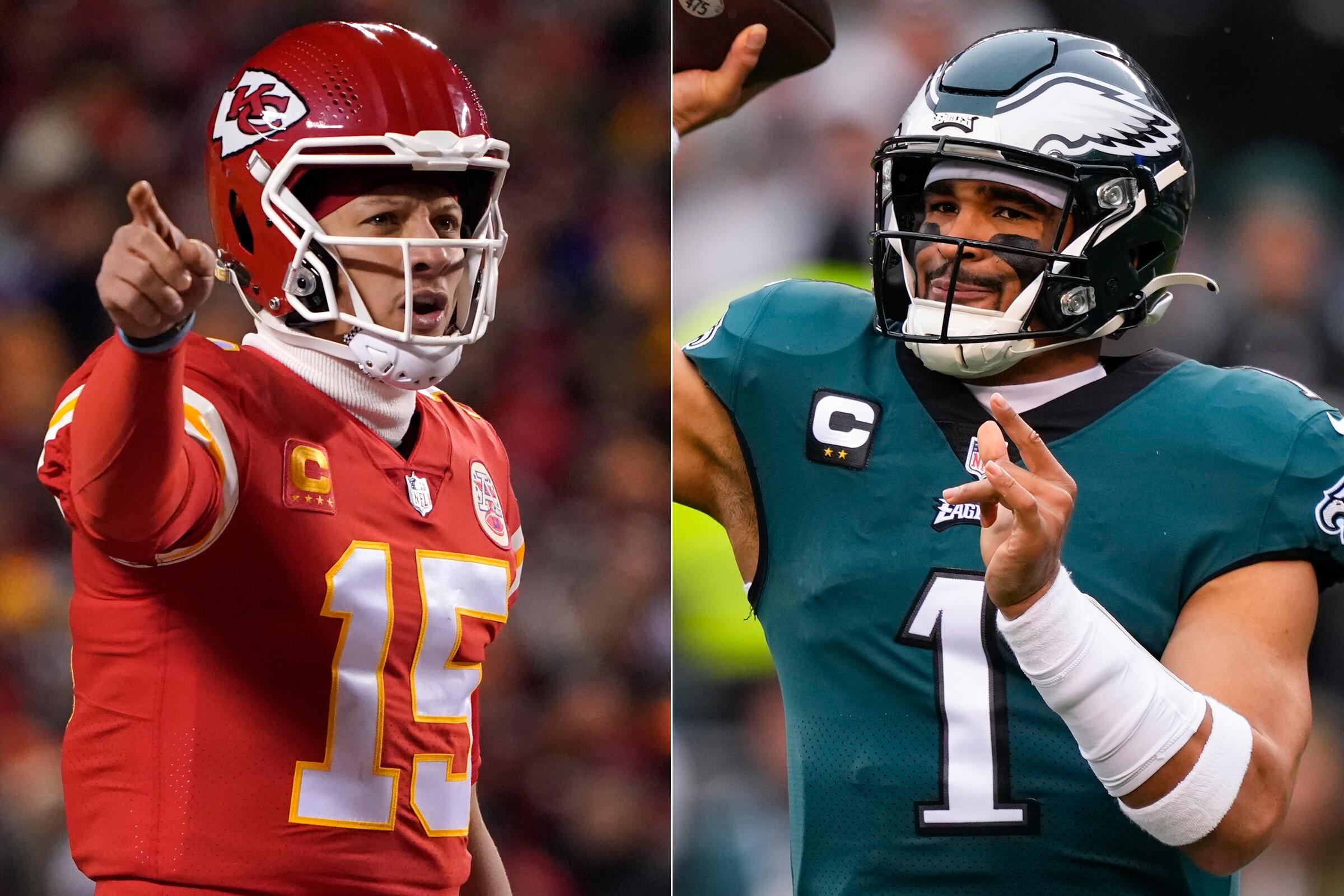
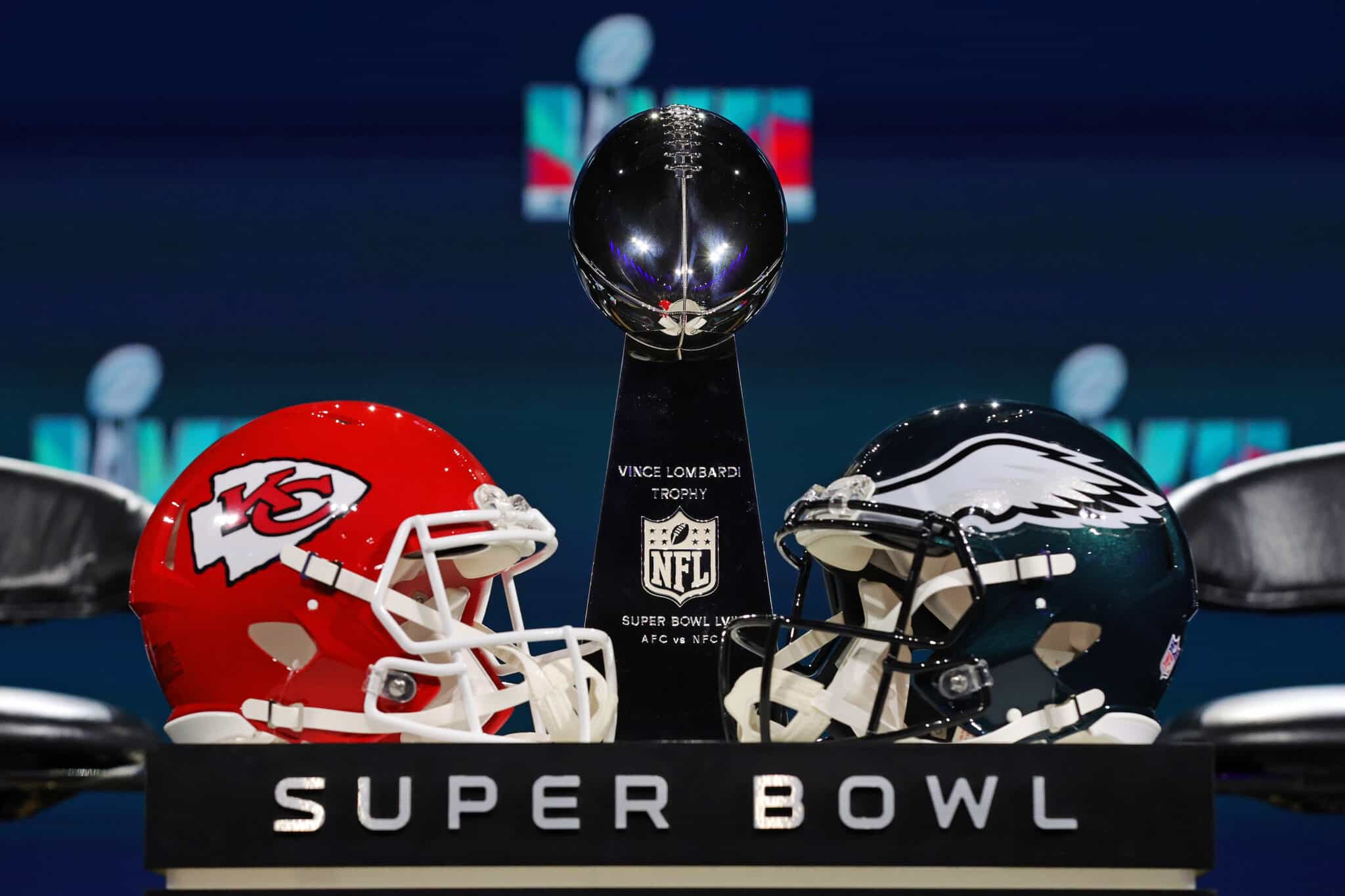
In February 2020, comedian and streamer Andy Milonakis sparked significant online backlash after tweeting "The Super Bowl is gay" during Super Bowl LIV. The comment was widely criticized as homophobic and dated, highlighting the friction between Milonakis’s mid-2000s shock-humor roots and the evolving social standards of the 2020s internet landscape.
The Origin of the Incident
On February 2, 2020, as millions of viewers tuned in to watch the Kansas City Chiefs face off against the San Francisco 49ers, Andy Milonakis took to Twitter (now X) to share a brief, five-word sentiment: "The Super Bowl is gay." Within minutes, the post became a lightning rod for criticism, racking up thousands of replies ranging from disappointed fans to angry social media users calling for his de-platforming.
Milonakis, who rose to fame in the mid-2000s with The Andy Milonakis Show on MTV, has long built a brand on irreverent, often nonsensical, and "edgy" humor. However, the use of "gay" as a pejorative—a common trope in early 2000s comedy—fell flat in a cultural climate that had largely moved past using sexual orientation as a synonym for "boring" or "stupid."
The timing of the tweet was particularly notable. It occurred during one of the most-watched television events in the United States, ensuring maximum visibility. While some of Milonakis’s core audience defended the post as "classic Andy" or a critique of corporate sports culture, the broader public saw it as an unnecessary use of a slur-adjacent term.
The Comedic Context of Andy Milonakis
To understand why Milonakis posted the comment, one must look at his professional trajectory. Milonakis became an internet pioneer in the early 2000s, long before the term "influencer" existed. His homemade videos led to a show produced by Jimmy Kimmel and Adam Carolla. The humor of that era—exemplified by shows like Jackass, South Park, and The Man Show—often relied on shock value and the subversion of political correctness.
Milonakis’s persona has always been that of an "eternal teenager." Due to a growth hormone deficiency, he maintains the appearance and voice of a young boy despite being in his late 40s as of 2026. This physical trait allowed him to lean into a specific type of juvenile humor that felt both surreal and provocative. By 2020, however, Milonakis had transitioned primarily into a Twitch streamer and professional traveler. The transition from edited television to live, unfiltered social media interactions meant that his spontaneous thoughts were now broadcast directly to a global audience without the buffer of a production team or standards-and-practices department.
Public Reaction and the "Cancel Culture" Debate
The reaction to the tweet was swift. Organizations advocating for LGBTQ+ rights and various social media influencers pointed out that using "gay" as a negative descriptor contributes to the marginalization of the community. In the hours following the tweet, Milonakis trended on Twitter, not for his content, but for the controversy itself.
The incident sparked a wider debate about "cancel culture." Supporters of Milonakis argued that the reaction was an overreach, suggesting that the comedian was simply using the language of his generation to express his boredom with the game. Critics countered that as a public figure with a massive following, Milonakis had a responsibility to evolve his vocabulary.
Interestingly, Milonakis did not immediately back down. He engaged with many of his detractors, sometimes doubling down on the "edgy" nature of his brand. This defiant stance is characteristic of a segment of the streaming community that views corporate-friendly "sanitized" language as an affront to authenticity.
The Evolution of Internet Language and Social Norms
The Milonakis incident serves as a primary case study in the "linguistic lag" that occurs when public figures who gained fame in one era attempt to navigate another. In the late 1990s and early 2000s, the word "gay" was frequently used in mainstream media, movies (like The 40-Year-Old Virgin), and schoolyards to mean "uncool."
By the 2020s, and certainly by 2026, the consensus in professional and public discourse shifted. The evolution of language is not just about "political correctness" but about the recognition of how certain terms affect the safety and inclusion of specific groups. For Milonakis, whose career spans both the "Wild West" of the early internet and the highly regulated era of modern streaming platforms, these shifts represent a professional hazard.
Comparison of Career Eras: Andy Milonakis
| Feature | The MTV Era (2005–2007) | The Streaming Era (2018–2026) |
|---|---|---|
| Primary Platform | Cable Television (MTV/MTV2) | Twitch / X / YouTube |
| Content Type | Scripted sketches, man-on-the-street | IRL streaming, gaming, live vlogging |
| Audience Interaction | One-way (TV broadcast) | Real-time (Live chat and social media) |
| Gatekeeping | Network executives and producers | Platform TOS and "Cancel Culture" |
| Humor Style | Surrealist, juvenile, shock-based | Unfiltered, conversational, community-driven |
The Impact on Milonakis’s Career and Brand
While many predicted that the "Super Bowl is gay" tweet would be the end of Milonakis’s career, the long-term impact was more nuanced. Unlike actors or corporate employees who can be fired from a single job, Milonakis is largely self-employed. His income is derived from subscriptions, donations, and sponsorships within the gaming and streaming world.
In that ecosystem, controversy can sometimes act as a "filter" that solidifies a creator's core fan base. Those who found the tweet offensive likely stopped following him, while those who valued his "unfiltered" persona became more loyal. However, such controversies do have a tangible cost:
- Sponsorship Limitations: Major blue-chip brands are less likely to partner with creators who have a history of using controversial or derogatory language.
- Platform Scrutiny: Twitch and YouTube have historically tightened their Terms of Service (TOS) regarding "Hateful Conduct and Harassment."
- Mainstream Isolation: The incident further distanced Milonakis from traditional Hollywood opportunities, pushing him deeper into the niche world of "IRL" (In Real Life) streaming.
Technical Specifications of Modern Social Media Backlash
When a tweet like Milonakis’s goes viral for the "wrong" reasons, it triggers a sequence of digital events that are now standard in 2026. Understanding this process explains how a five-word sentence can dominate a news cycle.
The Lifecycle of a Viral Controversy
- The Catalyst: The post is published. In this case, it was a high-traffic period (the Super Bowl).
- The Discovery: Verification-hungry accounts and "drama channels" pick up the post, often taking screenshots in case of deletion.
- The Amplification: The Twitter algorithm notices a high "reply-to-like" ratio (often called "getting ratioed"). This pushes the tweet into the feeds of people who do not follow the user, expanding the outrage.
- The Response Phase: The creator either apologizes, deletes, or doubles down. Milonakis famously chose a mix of defense and deflection.
- The Archive: Even if the tweet is deleted, it lives on in the "Internet Archive" and through thousands of third-party screenshots, becoming a permanent part of the creator’s digital footprint.
Professional Advice: Navigating Online Discourse
For creators and public figures in 2026, the Milonakis incident offers several lessons in digital reputation management. The "shock humor" that built the internet in 2005 is no longer a viable long-term strategy for those seeking mainstream growth.
- Audience Awareness: Understanding that your audience is no longer just your "subs," but anyone with a screen.
- Linguistic Updates: Recognizing that certain terms have transitioned from "slang" to "slurs" in the eyes of platforms and the public.
- Strategic Silence: During high-profile events like the Super Bowl, the "cost of a joke" is significantly higher due to the sheer volume of eyes on the platform.
Frequent Questions Regarding Andy Milonakis and the Tweet
Was Andy Milonakis banned from Twitter or Twitch for the tweet?
No, Milonakis was not permanently banned from either platform for this specific tweet. While both platforms have policies against "hateful conduct," their enforcement often depends on whether the language is deemed a direct threat or a targeted harassment campaign. Milonakis’s comment was viewed by platform moderators as a "dated pejorative" rather than a targeted hate crime, though it did result in a temporary wave of reporting by users.
Did Andy Milonakis ever apologize for the Super Bowl comment?
Milonakis did not issue a traditional, formal apology. Instead, he engaged in a series of follow-up posts and stream segments where he argued that people were being too sensitive. He maintained that his intent was not to disparage the LGBTQ+ community but to express his dislike for the sporting event using the vocabulary he grew up with. This "non-apology" is a common tactic among creators who fear that a formal apology will alienate their "anti-PC" fan base.
What was the specific context of the "Super Bowl is gay" tweet?
The tweet was posted on February 2, 2020. There was no specific event during the game (like a halftime show performance or a specific play) that triggered it; it appeared to be a general expression of Milonakis's lack of interest in the game. It is a recurring theme in his content to mock "normie" culture, which includes major professional sports.
How has Andy Milonakis’s content changed since 2020?
Since 2020, Milonakis has leaned further into "IRL" streaming, frequently traveling to countries like Japan and Greece while broadcasting his daily life to fans. While he still maintains an irreverent tone, he has generally become more conscious of platform TOS to avoid "strikes" that could jeopardize his streaming career. In 2026, he remains a prominent figure in the "OG" internet celebrity category, though his influence is more concentrated in the streaming world than the mainstream.
Is the word "gay" still used this way in 2026 comedy?
In mainstream professional comedy and corporate-backed media, the use of "gay" as a pejorative has virtually disappeared. However, in certain subcultures—such as specific gaming communities or "edgy" comedy circles—the term still surfaces. The Milonakis incident is often cited by social historians of the internet as one of the final instances where a major public figure used the term in such a casual, public-facing manner without facing a total career collapse.
Summary of the 2020 Incident
The "Andy Milonakis Super Bowl" controversy was more than just a poorly received tweet; it was a collision of two different eras of the internet. It highlighted the challenges faced by "legacy" internet stars who must adapt to a world that is more connected, more sensitive, and more demanding of social responsibility.
For those following Milonakis in 2026, the incident remains a defining moment in his later career—a reminder of his refusal to conform to modern sensibilities and the inherent risks that come with that defiance. Whether viewed as a victim of "over-sensitivity" or a relic of a less inclusive era, Milonakis's five-word tweet continues to be a point of discussion in the study of digital culture and celebrity behavior.