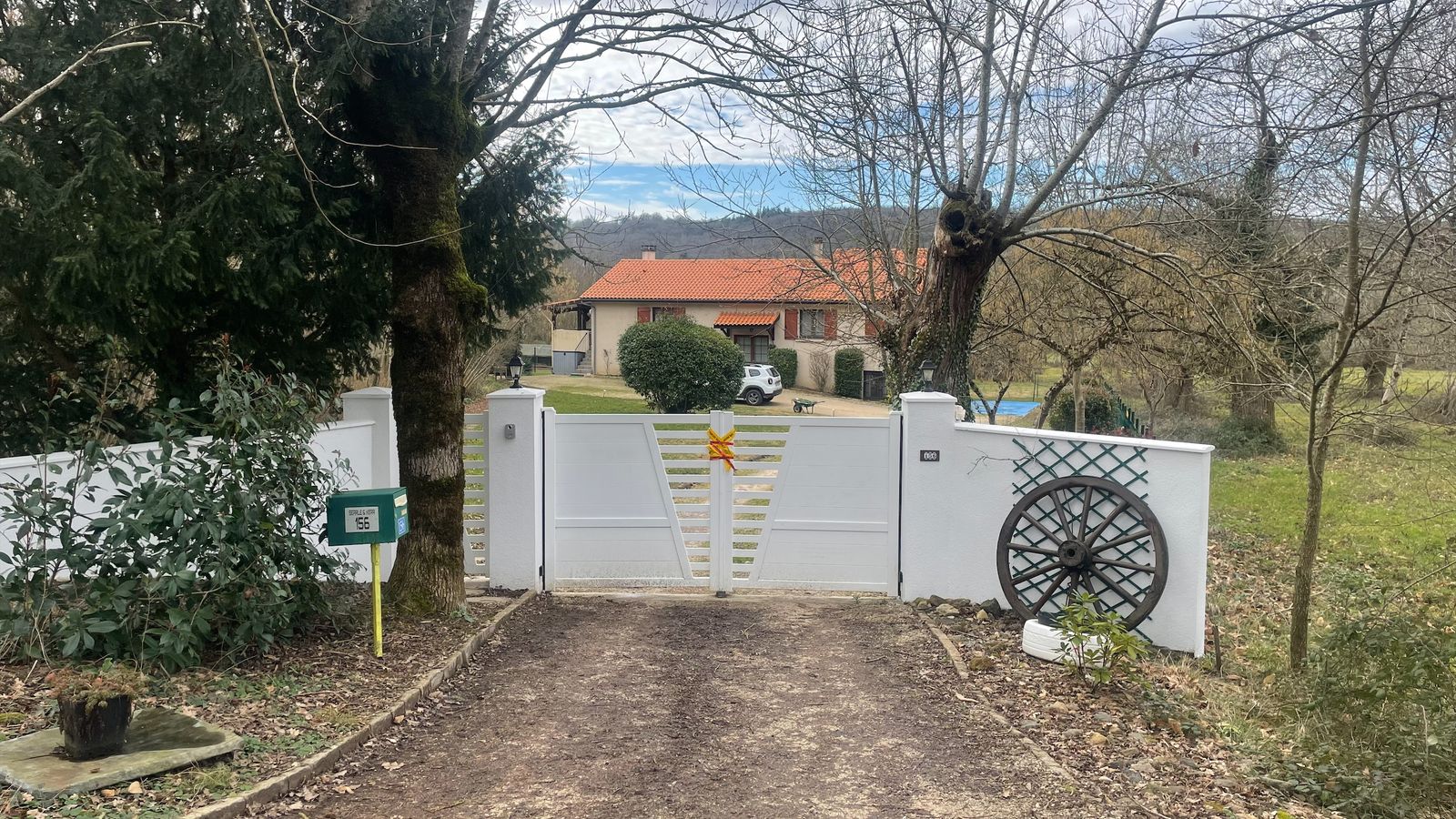
Andrew Searle, often referenced in connection with professional activities in France, is a specialist whose work encompasses the intersection of high-end property management, international real estate consultancy, and cross-border advisory services for expatriates. His career is marked by a focus on facilitating the integration of international investors into the French property market, navigating the complexities of French civil law (droit civil), and managing luxury assets in key regions such as the French Riviera and Paris.
Identifying the Professional Scope
The name "Andrew Searle France" typically surfaces within the context of professional consulting and real estate management. Unlike a public historical figure or a widely documented celebrity, Andrew Searle operates primarily in the professional service sector. His work typically involves guiding non-residents through the administrative and legal hurdles associated with purchasing, maintaining, and selling real estate in France.
For an individual operating in this capacity, the primary value provided to clients includes:
- Liaising with Notaires: Navigating the essential role of the French notaire, who is a public official responsible for authenticating deeds and ensuring the legality of property transfers.
- Tax Advisory Coordination: Assisting clients in understanding French property taxes, such as taxe foncière and taxe d’habitation, as well as wealth tax implications for international owners.
- Property Maintenance Management: Overseeing the day-to-day operations of luxury or secondary homes, ensuring compliance with local regulations and maintenance standards.
The Role of Professional Consultancy in France
Purchasing or managing property in France as a foreign national requires a structured approach. The French legal system is notoriously complex for outsiders, characterized by strict inheritance laws and rigid property transfer procedures. Professionals like Andrew Searle serve as an essential bridge, translating these technical requirements into actionable steps.
Legal and Administrative Prerequisites
Before engaging in any property transaction in France, one must understand the regulatory landscape. France operates under a civil law system, which differs significantly from the common law systems found in the United States or the United Kingdom.
- The Compromis de Vente: This is the initial, legally binding contract signed between the buyer and the seller. Once signed, it includes a mandatory 10-day cooling-off period during which the buyer can retract without penalty.
- Notarial Verification: The notaire performs essential checks, including title searches, cadastral mapping verification, and urban planning status reports (certificat d'urbanisme).
- Inheritance Laws: France utilizes the réserve héréditaire, which restricts how one can bequeath property, protecting the rights of direct descendants. Understanding these laws is a primary focus for long-term property investors.
Market Dynamics and Regional Considerations
The French real estate market is highly heterogeneous. The requirements for property management in Paris—where space is at a premium and building regulations are governed by strict historical preservation mandates—differ vastly from the management of villa estates in the Provence-Alpes-Côte d'Azur region.
Professional advisors in this sector must possess:
- Market Literacy: Knowledge of current valuation trends and localized demand.
- Regulatory Compliance: Understanding of specific environmental performance requirements (Diagnostic de Performance Énergétique or DPE), which dictate energy efficiency standards for rental properties.
- Vendor Management: The ability to vet and coordinate contractors, from landscapers to specialized architects, to maintain the value of the asset.
Comparative Overview of Property Advisory Services
When choosing professional representation for French assets, owners must distinguish between different types of service providers. The following table summarizes the roles often managed by those in the consultancy space.
| Service Category | Primary Function | Legal/Formal Requirement |
|---|---|---|
| Consultancy | Strategy, market entry, and legal guidance. | Highly specialized knowledge of French law. |
| Property Management | Day-to-day maintenance, bills, and staffing. | Professional indemnity insurance is mandatory. |
| Real Estate Brokerage | Facilitating the sale or purchase of property. | Possession of a Carte Professionnelle (T-card). |
| Fiscal Advisory | Tax planning and cross-border financial structure. | Licensed tax professional or chartered accountant. |
Addressing the Challenges of Cross-Border Ownership
Ownership of French property by foreign nationals is often hindered by "information asymmetry." This occurs when the foreign buyer is unaware of the specific bureaucratic nuances that local French residents handle automatically.
Common Pitfalls for International Owners
- Underestimating Transaction Costs: Beyond the purchase price, buyers must account for frais de notaire (notary fees), which include taxes and registration fees, usually totaling 7% to 8% of the purchase price for older properties.
- Rental Regulations: If an owner intends to rent their property (e.g., via platforms like Airbnb), they must navigate strict local licensing requirements, particularly in cities like Paris, where short-term rental permits are heavily restricted.
- Energy Efficiency Standards: As of 2026, the DPE requirements have become more stringent. Properties with poor energy ratings face increased regulation, potentially impacting their rental viability and resale value.
Mitigation Strategies
Professional consultancy helps mitigate these risks by conducting rigorous due diligence. This includes auditing the Dossier de Diagnostic Technique (DDT), a mandatory set of documents that informs the buyer about the property's condition, including risks related to asbestos, lead, termites, and electrical systems.
The Professional Relationship: Selection and Due Diligence
For those looking to engage an expert for their French interests, vetting is the most critical step. In France, professional service providers must display transparency regarding their qualifications and insurance status.
Verification Steps for Property Advisors
- Confirm Accreditation: Ensure the advisor is registered with relevant trade bodies or, if they act as a real estate agent, that they hold a valid Carte Professionnelle.
- Request Professional Liability Insurance: Known in France as Assurance Responsabilité Civile Professionnelle (RCP), this covers the advisor for errors and omissions.
- Review References: A reputable consultant should be able to provide examples of managed assets or completed transactions while maintaining client confidentiality.
Frequently Asked Questions
1. Does owning property in France automatically grant residency rights? No. Owning a second home in France does not provide an automatic right to residency. Non-EU citizens must still apply for a visa—such as the "Visitor" visa—if they wish to stay for longer than 90 days within a 180-day period.
2. What is the role of a notaire compared to a lawyer? In France, the notaire is a state-appointed official whose primary duty is to ensure the legality of the sale for both the buyer and the seller. A lawyer (avocat) may be hired separately if there is a complex legal dispute or a need for specific tax optimization, but the notaire is mandatory for property transfers.
3. How does the 2026 DPE standard affect my investment? The Diagnostic de Performance Énergétique (DPE) is a standardized energy rating. Under current 2026 regulations, properties with the lowest energy efficiency ratings (F and G) are subject to significant rental constraints, including frozen rents and potential bans on leasing. Advisors help investors assess whether a property meets current or future compliance standards.
4. Are there ongoing annual costs for property ownership in France? Yes. Owners are responsible for the taxe foncière (land tax) and, in some cases, the taxe sur les logements vacants (tax on vacant dwellings). If the property is a primary residence, you may also be liable for taxe d'habitation, depending on current municipal exemptions.
5. How do I verify if my consultant is authorized to handle real estate? You should request their SIRET number (a 14-digit identification number assigned by INSEE) and check it against the Registre du Commerce et des Sociétés (RCS). If they manage properties, they must also provide proof of their Carte Professionnelle.
Next Steps for Property Owners and Investors
If you are currently evaluating your options regarding property in France or seeking professional oversight for an existing asset, your next step should be a formal audit of your current legal and tax structure.
Start by collecting all documentation related to your property's acquisition, including the final Acte de Vente signed by the notaire. Ensure your tax filings are up to date and reconcile your property management expenses against local rental income, if applicable. If you are preparing for a sale, have your property’s DPE rating updated to ensure it aligns with the most recent 2026 environmental benchmarks. Seeking a consultation with a qualified professional familiar with the specific jurisdiction—whether Paris, the French Riviera, or rural France—will ensure that your assets remain compliant, secure, and optimized for your long-term goals.