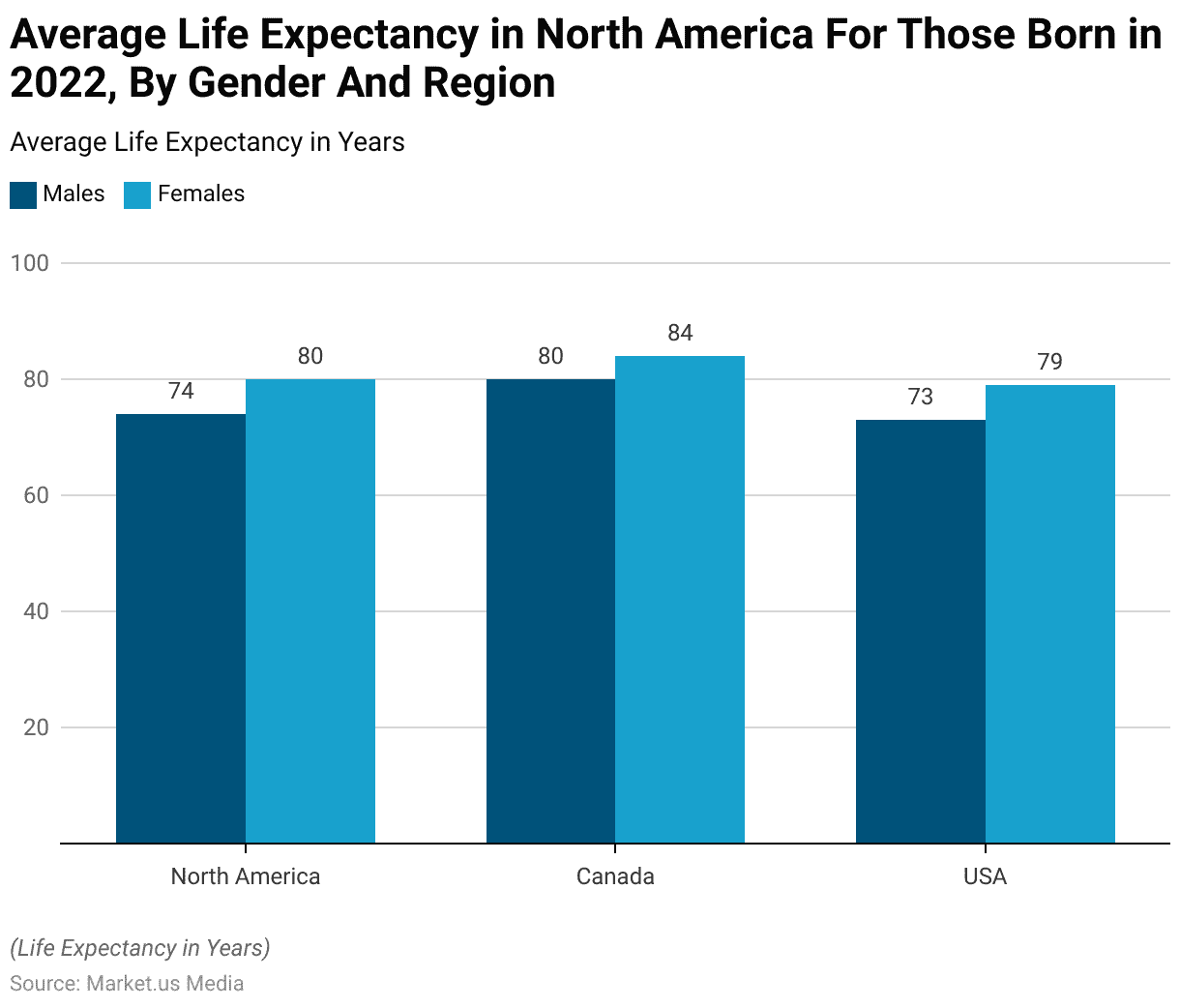
As of 2026, life expectancy in the United States stands at approximately 77.8 years, representing a period of cautious stabilization following the significant volatility seen earlier in the decade. While advancements in biotechnology and oncology provide upward momentum, systemic issues such as the synthetic opioid crisis, metabolic disease, and widening socioeconomic disparities continue to act as significant headwinds against historical growth.
The Historical Arc of American Longevity
To understand where American life expectancy stands in 2026, one must examine the trajectory of the last several decades. For much of the 20th century, the United States saw consistent, robust gains in longevity, driven by improvements in sanitation, the development of antibiotics, and massive reductions in infant mortality. By the early 21st century, however, these gains began to slow compared to other high-income nations.
The period between 2019 and 2022 marked the most significant drop in life expectancy since World War II. While the COVID-19 pandemic was the primary catalyst, the decline also exposed underlying vulnerabilities in the American public health infrastructure. Following the pandemic-induced low of approximately 76.4 years in 2021, the subsequent years have been characterized by a "rebound and plateau" pattern. By 2026, the US has recovered some of the lost ground, yet it still lags behind its 2014 peak of 78.9 years. This stagnation is a subject of intense scrutiny by the National Center for Health Statistics (NCHS) and the Centers for Disease Control and Prevention (CDC).
The current data suggests a "bifurcation" of health outcomes. While certain demographics—specifically those with high educational attainment and access to concierge or advanced preventative medicine—are seeing life expectancies that rival the best in the world, other populations are experiencing "midlife mortality" at rates previously unseen in developed economies.
Primary Drivers of Mortality in 2026
The factors influencing American life expectancy are a complex mix of behavioral, environmental, and clinical variables. Unlike the 1900s, where infectious disease was the primary threat, 2026 is defined by "diseases of lifestyle" and "deaths of despair."
The Synthetic Opioid and Overdose Crisis
The overdose epidemic remains the single most significant factor depressing life expectancy among working-age adults (ages 25–54). While the initial wave of the crisis was driven by prescription opioids, the 2026 landscape is dominated by illicitly manufactured synthetic opioids, primarily fentanyl and its derivatives.
The impact of these substances is particularly damaging to life expectancy statistics because they claim lives at a young age. In the mathematics of demography, a death at age 25 removes many more "person-years" from the national average than a death at age 75. Despite increased federal funding for harm reduction and the widespread availability of overdose-reversal agents like Naloxone, the toxicity and potency of the illicit supply chain continue to drive high mortality rates in both urban and rural settings.
Metabolic Health and the Cardiovascular Ceiling
Heart disease remains the leading cause of death in the United States. However, the nature of cardiovascular risk is shifting. While smoking rates have plummeted to historic lows, they have been replaced by a "metabolic syndrome" epidemic characterized by high rates of obesity, Type 2 diabetes, and hypertension.
In 2026, the widespread adoption of GLP-1 receptor agonists (such as semaglutide and tirzepatide) has begun to show a measurable impact on population-level metabolic health. However, these benefits are currently unevenly distributed due to high costs and insurance coverage hurdles. For those without access to these interventions, the "cardiovascular ceiling"—the point where medical intervention can no longer compensate for the physical toll of metabolic disease—remains a major barrier to extending the average lifespan beyond 80 years.
Deaths of Despair and Mental Health
The term "deaths of despair," coined by economists Anne Case and Angus Deaton, refers to deaths by suicide, drug overdose, and alcoholic liver disease. These causes are deeply linked to the erosion of social capital and economic stability in specific regions of the country. In 2026, suicide rates remain a critical concern, particularly among adolescents and middle-aged men. The integration of mental health services into primary care has improved, but the shortage of psychiatric professionals continues to limit the effectiveness of these interventions.
The Socioeconomic and Geographic Divide
In the United States, life expectancy is often better predicted by a zip code than by a genetic code. This geographic disparity is one of the most striking features of American demography in 2026.
The "Longevity Belt" vs. the "Stagnation Zones"
States in the Northeast and the West Coast consistently report life expectancies that are three to five years higher than the national average. These regions typically feature higher taxation levels that fund robust public health initiatives, lower rates of smoking, and higher densities of specialized medical facilities.
In contrast, the "Stagnation Zones"—primarily concentrated in the Deep South and parts of Appalachia—face a "syndemic" of poverty, limited healthcare access, and environmental stressors. In these regions, the closure of rural hospitals has accelerated since 2020, leaving many residents hours away from trauma centers or specialized cardiac care. The lack of Medicaid expansion in several of these states remains a documented driver of premature mortality.
Racial and Ethnic Inequities
While the gap in life expectancy between Black and White Americans had been narrowing for decades, the early 2020s saw a widening of this disparity. As of 2026, Black Americans continue to face higher rates of maternal mortality and chronic kidney disease. Conversely, the "Hispanic Paradox"—the observation that Hispanic Americans often have higher life expectancies despite lower average incomes—continues to hold, though it is being eroded by the same metabolic health trends affecting the broader population.
Medical Advancements Providing Upward Pressure
Despite the challenges, 2026 is an era of unprecedented medical innovation. These advancements act as a vital counterweight, preventing a more drastic decline in national longevity.
- Oncology Breakthroughs: Cancer mortality has continued its steady decline. The maturation of mRNA vaccine technology for cancer treatment and the refinement of CAR-T cell therapies have turned several previously terminal diagnoses into manageable chronic conditions.
- Early Detection through AI: Artificial Intelligence has become standard in diagnostic imaging and pathology. AI-driven screening for early-stage lung cancer and cardiovascular anomalies allows for interventions years before symptoms appear, significantly improving survival rates.
- Neurodegenerative Progress: After decades of failure, the arrival of more effective amyloid-clearing drugs for Alzheimer's disease has begun to offer hope for extending the "healthspan" of the elderly, though their impact on the total average life expectancy is still being calculated.
International Comparison: The US as an Outlier
The United States remains an outlier among high-income nations. It spends more on healthcare per capita than any other country, yet its life expectancy remains significantly lower than that of Japan, Switzerland, or even many Eastern European nations.
| Country | Est. Life Expectancy (2026) | Health Spend (% of GDP) | Primary Longevity Driver |
|---|---|---|---|
| United States | 77.8 | ~18.5% | Advanced Clinical Tech / Oncology |
| Japan | 85.1 | ~11.0% | Diet / Universal Healthcare / Social Cohesion |
| Switzerland | 84.4 | ~12.2% | High Income / Universal Access / Environment |
| United Kingdom | 81.9 | ~10.5% | Primary Care Focus / Public Health Policy |
| South Korea | 84.0 | ~9.5% | Rapid Development / Low Obesity Rates |
The data in the table highlights the "efficiency gap" in the US healthcare system. While the US excels in high-cost, tertiary care (treating a disease after it occurs), it underperforms in the basic social determinants of health—such as nutrition, urban safety, and preventive primary care—that drive the high averages seen in Japan or Switzerland.
Frequently Asked Questions
Why did US life expectancy decline so sharply between 2019 and 2021?
The decline was driven by a combination of direct COVID-19 deaths and an "excess mortality" surge caused by delayed treatments for chronic conditions, a spike in accidental injuries, and a record-breaking number of drug overdoses. This period marked the largest two-year drop in American life expectancy since the 1920s.
How does the opioid crisis affect life expectancy math?
Life expectancy is a "snapshot" of a population's mortality risk at all ages. Because the opioid crisis primarily kills individuals in their 20s, 30s, and 40s, it has a disproportionately large downward pull on the average compared to diseases that primarily affect the elderly, such as Alzheimer's or Parkinson's.
Are newer weight-loss drugs (GLP-1s) helping national life expectancy?
As of 2026, there is evidence that these drugs are reducing the incidence of major adverse cardiovascular events (MACE). However, their impact on national life expectancy is currently limited by high costs and lack of access for lower-income populations, who often carry the highest burden of metabolic disease.
Is there a significant difference between male and female life expectancy?
Yes, the "gender gap" in longevity has widened. In 2026, women in the US typically live about 5.8 years longer than men. This is attributed to higher rates of suicide, accidental death, and heart disease among men, as well as a greater tendency among women to seek preventive medical care.
How do US firearm mortality rates influence these trends?
Firearm-related deaths, including both homicides and suicides, are a significant driver of mortality among younger Americans. In recent years, firearms became the leading cause of death for children and adolescents in the US, a trend that significantly contributes to the country's lower life expectancy relative to European and Asian peers where such deaths are rare.
Practical Recommendations for Longevity Improvement
For individuals and policymakers looking to influence these trends, the focus must shift from "sick care" to "well care."
- Prioritize Metabolic Health: Individual focus on stabilizing blood glucose and maintaining cardiovascular fitness remains the most effective way to combat the leading causes of death.
- Expanded Access to Preventive Care: On a policy level, ensuring that primary care is accessible and affordable is essential to catching chronic conditions before they require expensive, emergency interventions.
- Community-Based Harm Reduction: To address the "deaths of despair," investment in community-level support systems, mental health resources, and substance use disorder treatments is critical.
- Environmental Optimization: Improving urban walkability and reducing "food deserts" are proven methods for raising the baseline health of a geographic region without relying solely on clinical medicine.
As we move through 2026, the future of American life expectancy depends on whether the nation can leverage its immense technological prowess to address the fundamental social and behavioral drivers that currently keep it behind the rest of the developed world.