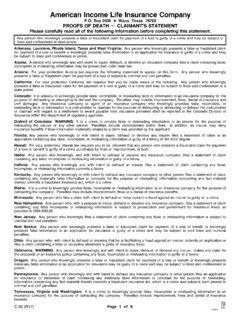
American Income Life Insurance Company (AIL) offers accidental death coverage—often provided as a rider or a stand-alone policy—designed to provide a supplemental financial benefit to beneficiaries in the event of a death resulting specifically from an accident. Unlike traditional life insurance, which covers both natural and accidental causes, these specialized plans focus exclusively on death caused by external, violent, or accidental means, providing a focused layer of protection for policyholders.
Defining the Scope of Accidental Death Coverage
Accidental death insurance, sometimes referred to as Accidental Death and Dismemberment (AD&D) coverage, functions differently than a standard term or whole life policy. When you purchase this coverage from American Income Life, the primary trigger for a payout is the occurrence of an accident as defined within the specific policy contract.
In the insurance industry, an accident is generally defined as an unforeseen, unintentional, and sudden event that results in bodily injury. For AIL policies, this usually encompasses events such as motor vehicle accidents, accidental falls, or other external traumas. It is vital to recognize that this coverage does not typically trigger for deaths resulting from illness, natural causes, or chronic health conditions. Consequently, this product is categorized as "supplemental" because it does not replace the need for comprehensive life insurance but rather augments it.
Distinguishing Between Policy Types
American Income Life provides various insurance products, and it is important to distinguish between their "Accidental Death" offerings and their standard life insurance products.
- Stand-alone Accidental Death Policies: These are policies where the only benefit payable is for a death or injury resulting from an accident. Because they have a limited scope of coverage, the premiums are typically lower than those for policies that include death by natural causes.
- Accidental Death Riders: This is an add-on feature that can be attached to a base life insurance policy. If a policyholder already has a whole life or term policy through AIL, they may choose to attach an accidental death rider. This effectively doubles the payout—or adds a specific secondary benefit—if the cause of death is certified as accidental.
Eligibility and Enrollment Processes
Obtaining accidental death coverage through AIL usually involves a simplified application process compared to standard life insurance. Because these policies focus on accident-related risk rather than health-related risk, the medical underwriting requirements are often less stringent.
Most applicants will find that they are not required to undergo a comprehensive medical examination, such as a blood draw or a full physical, to qualify for basic accidental death coverage. Instead, the company focuses on the applicant's age, occupation, and lifestyle activities. High-risk hobbies (such as skydiving or professional auto racing) or occupations (such as working with hazardous materials or heavy machinery) may influence eligibility or premium costs. As of 2026, prospective policyholders should be prepared to provide honest disclosures regarding their daily activities to ensure the policy remains valid.
Analyzing the Claims Process
The claims process is where the specificity of "accidental death" becomes most evident. When a beneficiary files a claim, American Income Life requires documentation to verify that the cause of death meets the legal and contractual definition of an accident.
- Notification: The beneficiary or representative must notify the company of the death.
- Death Certificate: A certified death certificate is required, which must specify the cause and manner of death.
- Coroner’s/Medical Examiner’s Report: Because these policies are sensitive to the cause of death, the company often reviews the official accident report or medical examiner’s findings to confirm that no underlying illness was the primary cause.
- Verification of Exclusions: The claim department checks the report against standard policy exclusions, such as death caused by self-inflicted injury, illegal activities, or non-accidental health complications.
Comparison: Accidental Death vs. Term Life Insurance
Understanding the utility of an accidental death policy requires a side-by-side comparison with traditional life insurance.
| Feature | Accidental Death Policy | Term Life Insurance |
|---|---|---|
| Primary Coverage | Death by accident only | Death by accident or natural causes |
| Medical Underwriting | Minimal or none | Often required (health history) |
| Premium Cost | Generally lower | Higher due to broad coverage |
| Expiration | Usually expires at a set age | Expires at the end of the term |
| Primary Purpose | Supplement to existing coverage | Primary financial safety net |
Common Exclusions and Limitations
No insurance policy is universal in its coverage. American Income Life, like all insurers, outlines specific exclusions where the benefit will not be paid. These are standard in the industry and are designed to manage the risk profile of the insurance pool.
Common exclusions often include:
- Self-Inflicted Injury: Intentional acts or suicide are explicitly excluded.
- Illegal Activities: Death occurring while the policyholder is committing a felony or engaging in illegal acts.
- Influence of Substances: Deaths occurring while the policyholder is under the influence of non-prescribed drugs or alcohol, depending on state law and specific contract language.
- War or Acts of War: Most standard policies exclude deaths caused by active military combat or declared wars.
- Professional Sports: Participation in professional athletic events is often excluded unless specifically negotiated under the policy terms.
It is imperative that policyholders read their specific "Schedule of Benefits" and "Exclusions" pages. These documents represent the legally binding agreement between the policyholder and AIL.
The Role of Accidental Death in Financial Planning
Why would someone choose this coverage? For many, it acts as an affordable safety net for families who are concerned about the specific financial impact of a sudden, unexpected tragedy. If a primary breadwinner passes away due to an accident, the family faces immediate expenses—such as funeral costs and lost income—exactly as they would with a natural death.
However, financial advisors generally emphasize that accidental death coverage should not be the sole component of a financial strategy. Because it offers no benefit for deaths caused by heart disease, cancer, or other natural health issues, it is meant to complement—not replace—comprehensive term or permanent life insurance. If you only possess accidental death insurance, you remain exposed to the vast majority of risks that could leave your beneficiaries without financial protection.
Troubleshooting Common Policy Issues
Policyholders sometimes encounter confusion regarding their coverage. If you find yourself in the following situations, here is how to proceed:
- Policy Misunderstanding: If you believe you have "full life" coverage but discover it is an "accidental death" policy, contact the agent or AIL customer service immediately to review your policy documents.
- Beneficiary Updates: Life changes frequently. If you experience a divorce, marriage, or birth, ensure that your beneficiary designations are updated. An outdated beneficiary is one of the most common reasons for delays in the claim payment process.
- Premium Payment Disruptions: If payments are missed, the policy may lapse. Because these are often smaller, supplemental policies, it is easy to forget about them. Consider setting up automatic bank drafts to ensure the policy remains in force.
- Determining Coverage Boundaries: If you engage in a new, high-risk hobby, contact the company to ask if it affects your coverage status. Transparency ensures that there are no disputes when a claim is filed.
FAQs About American Income Life Accidental Death
Does this policy pay out if the insured dies of a heart attack? No. An accidental death policy specifically excludes deaths by natural causes, including illnesses such as heart attacks, strokes, or cancer.
Is there a waiting period for coverage? Generally, coverage begins as soon as the policy is issued and the first premium is paid, provided all application disclosures were accurate.
Can I convert an accidental death policy to whole life? This depends on the specific policy contract. Some policies offer conversion privileges, but you must contact American Income Life directly to verify if your specific product allows for a change in coverage type.
What happens if I have an accident while traveling? Most AIL accidental death policies provide 24/7 global coverage, meaning it does not matter where the accident occurs, as long as it meets the contractual definition of an accident and is not otherwise excluded.
How is the benefit amount determined? The benefit amount is determined at the time of purchase based on the premium the policyholder is willing to pay. Higher coverage amounts result in higher monthly or annual premiums.
Final Recommendation for Policyholders
If you are considering an accidental death policy from American Income Life, conduct a thorough review of your total financial situation first. Ensure you have a baseline of standard life insurance to protect against all causes of death. Use the accidental death product as a targeted, cost-effective way to provide additional funds for your beneficiaries, specifically to cover the unexpected financial shock of a sudden accident.
Retain your original policy documents in a secure location where your beneficiaries can easily find them. In the event of a death, your beneficiaries will need these documents to initiate the claims process efficiently. Regularly reviewing your coverage every 24 months is a best practice to ensure your financial plan remains aligned with your family's evolving needs.