Ambush exterminating refers to specialized pest control approaches designed to eliminate hidden, fast-multiplying, or deeply entrenched infestations before they can cause severe structural damage or health hazards. Whether dealing with stubborn subterranean termites, multi-room rodent nests, or resilient bed bug colonies, understanding how professional exterminators target, isolate, and eradicate these pests is essential for protecting your home or business.
Understanding Ambush Exterminating and Modern Pest Control
The term "ambush exterminating" highlights a tactical philosophy in professional pest management. Rather than merely spraying visible surfaces where insects or rodents temporarily roam, modern pest control operators (PCOs) analyze behavioral patterns, nesting habits, and environmental entry points to intercept pests where they breed and feed. This proactive methodology ensures that treatments disrupt the reproductive cycle of the target species, leading to complete colony eradication rather than a temporary population reduction.
Professional pest control has evolved significantly from blanket chemical applications to integrated pest management (IPM) strategies. IPM combines biological monitoring, habitat modification, mechanical exclusion, and targeted chemical treatments. When professionals execute an ambush-style strategy, they map out the exact movement corridors of pests like ants, cockroaches, termites, and rodents. By placing baits, dusts, or traps along these high-traffic highways, technicians intercept pests reliably, minimizing the overall volume of pesticides introduced into a living or working environment.
Common Pests Requiring Targeted Eradication Strategies
Different pests demand distinct intervention tactics. Knowing the biological vulnerabilities of the invading species helps property owners collaborate effectively with pest management professionals.
Termites and Wood-Boring Insects
Subterranean and drywood termites operate entirely out of sight, chewing through structural framing, subfloors, and drywall from the inside out. Because they rarely expose themselves to open air, standard household bug sprays are completely ineffective. Exterminators must deploy trenching liquids, drill-and-treat methods, or advanced bait stations around the perimeter of a structure to intercept worker termites as they forage for cellulose.
Rodents (Mice and Rats)
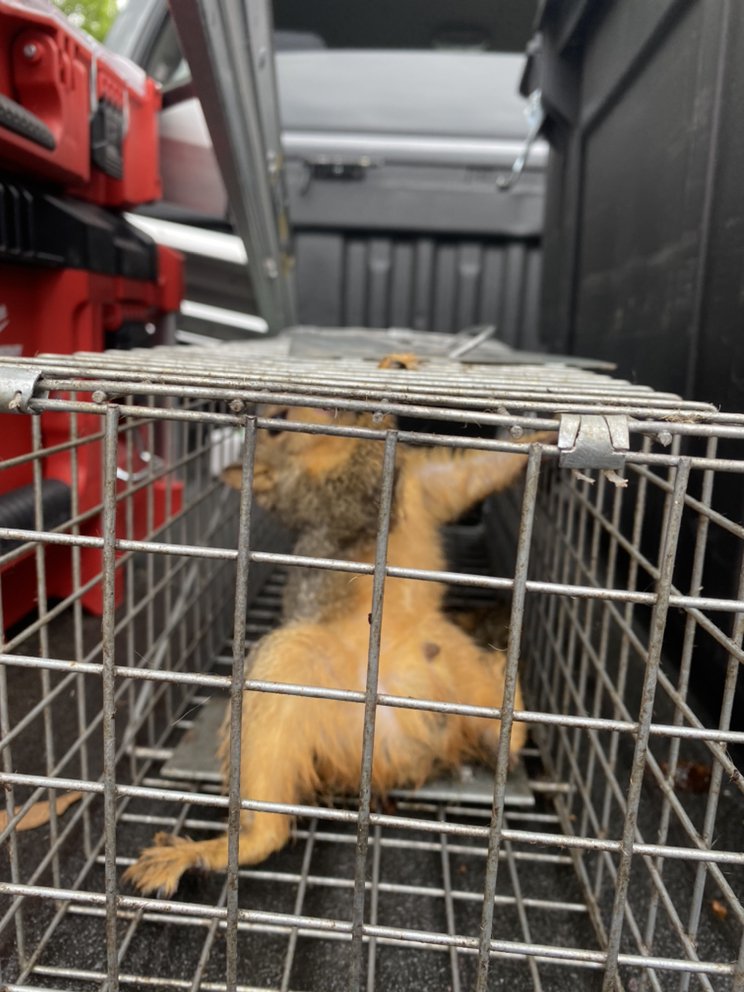
Rodents are notoriously neophobic—they fear new objects in their environment. Randomly scattering snap traps across an open floor will yield poor results. Professional rodent exterminators identify runway paths along baseboards, dark corners, and utility penetrations. By strategically placing tamper-resistant bait stations and snap traps directly along these travel lines, technicians effectively ambush the rodents during their nocturnal foraging routines.
Bed Bugs and Crawling Insects
Bed bugs hide within mattress seams, electrical outlets, box springs, and baseboard cracks during the day, emerging only at night to feed. Surface sprays often fail to reach eggs tucked deep within fabric weave. Comprehensive heat treatments or specialized residual micro-encapsulated insecticides applied directly to harborage zones are required to ambush these resilient parasites successfully.
Comparison of Pest Control Treatment Methods
Selecting the correct intervention method depends heavily on the target organism, the severity of the infestation, and safety considerations for occupants and pets.
| Treatment Type | Primary Target Pests | Mechanism of Action | Environmental Impact | Typical Duration |
|---|---|---|---|---|
| Liquid Barrier Sprays | Ants, spiders, crawling insects | Creates a chemical perimeter that interrupts movement | Moderate (restricted to targeted zones) | 30 to 90 days residual |
| Baiting Systems | Termites, ants, rodents | Entices pests to consume slow-acting toxins and share with colony | Low (contained inside secure stations) | Ongoing monitoring required |
| Thermal Heat Remediation | Bed bugs, wood-boring beetles | Raises ambient room temperature to lethal levels (120°F+) | Zero chemical residue | 1 day intensive treatment |
| Fumigation | Drywood termites, extensive infestations | Encases structure in gas-proof tarp and saturates with gas | High (requires temporary evacuation) | 3 to 5 days total process |
The Professional Extermination Process: Step-by-Step
Engaging a licensed pest control company involves a structured sequence of inspections, treatments, and follow-up verifications to ensure long-term success.
1. Comprehensive Property Inspection
Before any treatment occurs, a certified technician conducts an exhaustive interior and exterior survey. This includes checking crawlspaces, attics, basements, and utility entry points. Technicians look for droppings, shed skins, grease marks, frass, and structural damage to identify the exact species and scale of the infestation.
2. Custom Treatment Plan Formulation
No two infestations are identical. Based on the inspection findings, the provider develops a targeted strategy. This plan outlines the specific chemical or non-chemical methods to be used, preparation steps required by the property owner (such as clearing cabinets or laundering linens), and estimated timelines for resolution.
3. Execution of Targeted Interventions
During the application phase, technicians deploy the selected tactics. This may involve dusting wall voids with diatomaceous earth or borate powder, injecting termiticides into infested wood members, or sealing exterior exclusion gaps with copper mesh and expanding foam to prevent re-entry.
4. Post-Treatment Monitoring and Prevention
Eliminating existing pests is only half the battle. Professional services include scheduled follow-up visits to inspect bait consumption, check trap catches, and apply maintenance barriers. Technicians also provide recommendations on moisture control, food storage, and landscape trimming to keep the property unappealing to future pests.
Cost Considerations and Financial Factors
Investing in professional pest management varies widely based on several distinct factors. Understanding these variables helps property owners budget appropriately for remediation services.
- Infestation Severity: Minor, localized invasions require minimal material and labor, whereas widespread structural infestations demand intensive multi-stage treatments.
- Property Size: Larger residential or commercial buildings require more time for inspection, higher volumes of treatment products, and extended setup procedures.
- Treatment Complexity: Specialized procedures, such as whole-structure structural fumigation or thermal heat remediation for bed bugs, involve higher labor and equipment costs than standard quarterly barrier sprays.
- Geographic Location: Regional pest pressures and local labor markets influence standard service rates across different states and municipalities.
Property owners should request detailed, written estimates from multiple licensed providers before authorizing major extermination work. Ensuring that the contractor is fully bonded and insured provides essential protection against accidental property damage during complex treatments.
Frequently Asked Questions About Pest Extermination
What is the difference between do-it-yourself (DIY) sprays and professional extermination?
Over-the-counter sprays typically only kill pests that are directly visible, failing to reach hidden nests, egg clutches, or deep colonies. Professional exterminators utilize commercial-grade formulations, specialized application equipment, and deep biological knowledge to eradicate entire pest populations at their source.
How can I prepare my home for a professional pest treatment?
Preparation requirements depend on the specific treatment type. Common steps include clearing food items from pantry shelves, moving furniture away from baseboards to allow technician access, laundering bedding in hot water for bed bug treatments, and temporarily relocating domestic pets during indoor spray applications.
Are professional pest control treatments safe for children and pets?
Licensed pest control operators use products registered by the United States Environmental Protection Agency (EPA). When applied according to strict manufacturer label instructions, modern treatments dry or settle quickly, posing minimal risk to family members and pets once the designated drying or re-entry window has passed.
How long do pest control treatments remain effective?
Standard liquid barrier treatments usually maintain residual activity for 30 to 90 days, depending on weather exposure, soil conditions, and interior cleaning habits. Regular quarterly maintenance services are typically recommended to renew these barriers before natural degradation occurs.
What are the signs that a pest infestation has returned?
Warning signs include new droppings, strange scratching noises inside walls at night, unexplained wood shavings or frass, musty odors, or the reappearance of live insects during daylight hours. Promptly reporting these observations to your pest control provider prevents minor incursions from escalating into major infestations.
Next Actions and Choosing a Provider
If you suspect an active pest problem on your property, immediate action is critical to prevent structural deterioration and health risks. Begin by documenting any physical evidence, such as damaged materials or insect sightings. Contact a licensed, reputable pest management professional in your area to schedule a comprehensive inspection and receive a verified treatment proposal. Prioritize companies that employ certified technicians, practice Integrated Pest Management principles, and offer clear follow-up service guarantees.