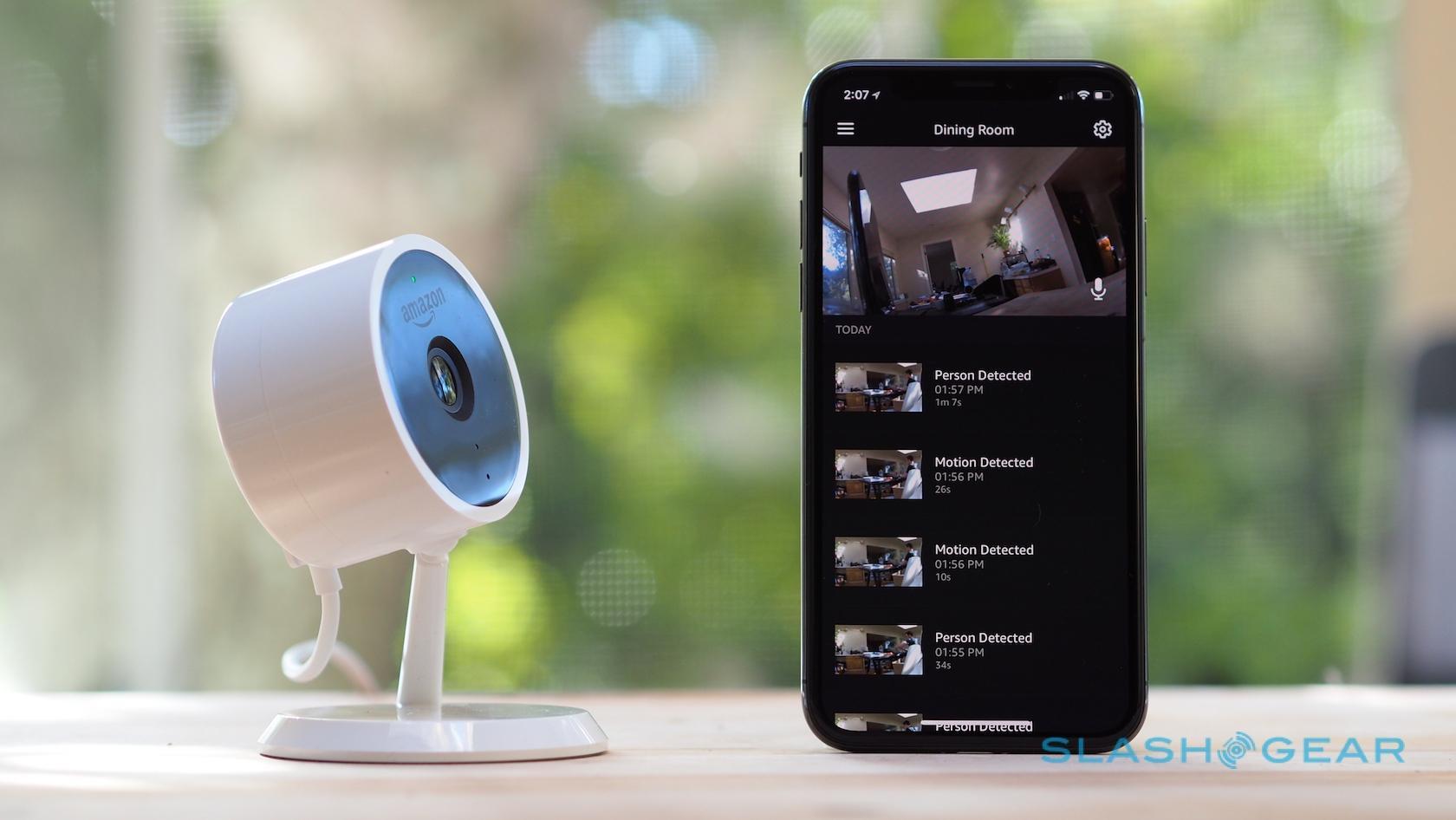
Originally launched as Amazon’s flagship entry into the smart home security market, the Amazon Cloud Cam provided 1080p video, two-way audio, and deep Alexa integration for a launch price of $119.99. However, as of 2026, the device is officially discontinued, and its cloud-dependent services were fully shuttered in late 2022.
The Amazon Cloud Cam represents a significant chapter in the evolution of the smart home. Released in late 2017, it was designed to be the "brains" of the Amazon Key ecosystem, allowing users to monitor their homes and even grant access to delivery drivers. While the physical hardware was praised for its build quality, its reliance on proprietary cloud servers eventually led to its obsolescence when Amazon shifted its focus toward the Ring and Blink brands.
The Original Pricing Structure and Market Positioning
When the Amazon Cloud Cam debuted, it was priced aggressively at $119.99. This was a strategic move to undercut the Nest Cam, which at the time retailed for nearly $200. Amazon sought to make home security accessible to the average Prime member, often offering multi-pack discounts that brought the per-unit price down significantly.
Beyond the initial hardware cost, the "price" of owning an Amazon Cloud Cam was tied to its subscription tiers. While a basic 24-hour video clip storage plan was included for free—a rarity at the time—more robust features required a "Cloud Cam Subscription."
Historical Subscription Tiers
- Basic ($6.99/mo or $69.99/yr): This plan supported up to three cameras and offered seven days of motion-detection clip storage.
- Extended ($9.99/mo or $99.99/yr): This covered up to five cameras and extended the storage window to 14 days.
- Pro ($19.99/mo or $199.99/yr): The top tier supported up to ten cameras and provided 30 days of video history.
By 2026 standards, these prices appear steep, especially considering that modern Blink and Ring subscriptions offer wider device support and longer storage for lower monthly fees. However, in 2017, the Cloud Cam was one of the few devices that offered "Person Detection" as part of its paid tiers, helping to reduce annoying notifications caused by pets or shifting shadows.
Core Technical Features and Specifications
The Amazon Cloud Cam was engineered to provide high-fidelity monitoring within a minimalist white plastic chassis. Its technical specifications were competitive for the late 2010s and established several benchmarks for what users expected from a "plug-and-play" indoor camera.
Visual and Optical Capabilities
The camera featured a 1080p Full HD sensor capable of recording at 30 frames per second. With a 120-degree diagonal field of view, it could cover most medium-sized rooms from a corner placement. The lens was fixed-focus, optimized for indoor distances ranging from three to twenty feet.
Night vision was a standout feature, powered by eight infrared (850nm) LEDs. These LEDs allowed the camera to see in total darkness up to approximately 25 feet. Unlike many modern 2026 cameras that offer "Color Night Vision" via integrated spotlights, the Cloud Cam used the traditional black-and-white infrared spectrum, which was less intrusive for bedroom or nursery use.
Audio and Connectivity
The device included a built-in microphone and a small speaker on the rear of the unit. This enabled two-way audio, allowing users to speak to family members or pets through the Cloud Cam app. Connectivity was handled via 2.4GHz Wi-Fi (802.11 b/g/n). Notably, it lacked 5GHz support, which sometimes led to interference in crowded apartment complexes—a common technical hurdle for smart home devices of that era.
The "Key Edition" and Zigbee Integration
A specialized version known as the Amazon Cloud Cam (Key Edition) functioned as a Zigbee Smart Home Hub. This was a crucial component of the "Amazon Key" service. When paired with a compatible smart lock (such as those from Yale or Kwikset), the camera acted as the bridge, connecting the lock to the internet and allowing the camera to record "delivery events" when a courier entered the home.
The Role of Alexa and the Amazon Ecosystem
The primary draw of the Cloud Cam was its seamless integration with the Echo ecosystem. This was the first camera that truly showcased the power of the Echo Show and Echo Spot. Users could simply say, "Alexa, show me the nursery," and the live feed would appear on their smart display with minimal latency.
This integration was facilitated by Amazon’s "Frustration-Free Setup" technology. Because the device was tied to the user’s Amazon account at the time of purchase, it could often pre-configure itself with Wi-Fi credentials already stored in the user's "Wi-Fi Locker," making it one of the easiest cameras to install for non-technical users.
The 2022 Sunset and the Transition to Blink
In mid-2022, Amazon officially announced that it would stop supporting the Cloud Cam on December 2, 2022. This decision was part of a broader consolidation effort following Amazon’s multi-billion dollar acquisitions of Ring and Blink.
For owners, this meant their hardware would essentially become "bricks." To mitigate the backlash, Amazon offered existing Cloud Cam owners a free Blink Mini camera and a year of the Blink Subscription Plus Plan. This transition marked the end of Amazon’s direct first-party camera brand and the full pivot toward the Ring (premium/outdoor) and Blink (budget/indoor) product lines.
Why the Cloud Cam Was Discontinued
- Brand Redundancy: Having three separate smart camera brands (Ring, Blink, and Cloud Cam) was confusing for consumers and inefficient for Amazon’s development teams.
- Hardware Lifecycle: By 2022, the Cloud Cam hardware was five years old. Its processor was struggling with newer AI-based motion detection algorithms that Ring and Blink were pioneering.
- Cloud Costs: The unique cloud architecture built specifically for the Cloud Cam was expensive to maintain compared to the unified platforms of its sister brands.
Technical Comparison: Then and Now
To understand the value of the Amazon Cloud Cam, it is helpful to compare its original specs with the standards found in 2026 smart home technology.
| Feature | Amazon Cloud Cam (2017) | Modern Mid-Range Cam (2026) |
|---|---|---|
| Resolution | 1080p Full HD | 2K or 4K Ultra HD |
| Field of View | 120° Fixed | 140° - 160° with AI Tracking |
| Night Vision | B&W Infrared (8 LEDs) | Full-Color Night Vision / Starlight Sensor |
| Local Storage | None (Cloud Only) | MicroSD Slot + Local Hub Support |
| Connectivity | 2.4GHz Wi-Fi | Wi-Fi 6E / Matter over Thread |
| AI Features | Basic Person Detection | Facial Recognition / Pet & Package ID |
| Power Source | Micro-USB Cable | USB-C or Long-Life Battery |
Can You Use an Amazon Cloud Cam in 2026?
A common question among tech enthusiasts and "right to repair" advocates is whether these discarded devices can be repurposed. Because the Amazon Cloud Cam was a "cloud-first" device, it does not have a local web interface or a standard RTSP (Real-Time Streaming Protocol) feed out of the box.
The Problem of Proprietary Firmware
When the servers were shut down in 2022, the cameras lost their ability to authenticate. Without authentication, the camera refuses to boot into a functional state. Unlike some older D-Link or Wyze cameras, the Cloud Cam's firmware was heavily encrypted to ensure security for the Amazon Key program.
Hobbyist Workarounds
In the hobbyist community, there have been attempts to "jailbreak" the Cloud Cam hardware. Some developers have successfully identified the UART (Universal Asynchronous Receiver-Transmitter) pins on the motherboard. By soldering to these pins, it is theoretically possible to load a custom Linux kernel or a generic IP camera firmware.
However, for 99% of users, the device remains e-waste. This highlights a major concern in the 2026 tech landscape: the "bricking" of functional hardware due to the termination of cloud services.
Security and Privacy Considerations
At its peak, the Amazon Cloud Cam was considered one of the most secure cameras on the market. It utilized 256-bit AES encryption for video at rest and used TLS (Transport Layer Security) for video in transit.
Amazon also implemented strict "Privacy Zones," which allowed users to black out specific areas of the camera's view (like a neighbor's window) so they would never be recorded or uploaded to the cloud. Despite these features, the camera was at the center of the "cloud vs. local" debate. By 2026, many consumers have moved toward brands like Eufy or Reolink that prioritize local storage, specifically to avoid the "service shutdown" scenario that befell Cloud Cam owners.
Legacy and Impact on the Smart Home Industry
The Amazon Cloud Cam was more than just a camera; it was a Trojan horse for in-home delivery. It paved the way for the sophisticated access control systems we see in 2026. Without the Cloud Cam, the concept of "In-Garage Delivery" or "In-Home Delivery" might never have gained mainstream traction.
It also forced competitors to improve their free offerings. Before the Cloud Cam, almost every camera required a paid subscription for any video history. Amazon’s inclusion of 24-hour storage forced the rest of the industry to adapt, eventually leading to the variety of storage options consumers enjoy today.
Frequently Asked Questions
What was the original price of the Amazon Cloud Cam?
The Amazon Cloud Cam launched at a retail price of $119.99 in 2017. It was frequently discounted to $89.99 during Prime Day events and was often sold in two-packs or three-packs for a lower per-unit cost.
Does the Amazon Cloud Cam still work in 2026?
No, the Amazon Cloud Cam does not work in 2026. Amazon officially terminated the service on December 2, 2022. The devices cannot connect to the cloud, record clips, or provide a live view through the Alexa app.
Can I use the Cloud Cam hardware with the Ring or Blink app?
Unfortunately, no. While Amazon offered Blink hardware as a replacement for Cloud Cam owners, the original Cloud Cam hardware is not compatible with the Blink or Ring ecosystems. The internal architecture and communication protocols are entirely different.
Was there an outdoor version of the Cloud Cam?
Amazon never released an official outdoor version of the Cloud Cam. It was strictly rated for indoor use. Users who wanted outdoor coverage during that era were typically steered toward Ring or the (at the time) recently acquired Blink XT cameras.
What happened to my saved videos after the shutdown?
When the service was discontinued in 2022, Amazon provided a window during which users could download their stored clips. Once that deadline passed, all data stored on the Cloud Cam servers was permanently deleted in accordance with Amazon's privacy policies.
Is there any way to turn the Cloud Cam into a webcam?
Not easily. Since the device lacks a USB video class (UVC) output and requires cloud authentication to stay powered on, it cannot be used as a plug-and-play webcam. Only advanced users capable of rewriting the device's firmware can utilize the sensor for non-cloud purposes.
Final Recommendations for 2026
If you find an Amazon Cloud Cam at a thrift store or in a drawer today, it is best treated as a historical artifact or a hardware hacking project. For those seeking functional home security, the lessons of the Cloud Cam suggest a move toward Matter-compatible devices or cameras that offer local RTSP/ONVIF support.
Choosing a camera with local storage options ensures that even if a manufacturer ceases operations or changes its business model, your hardware remains functional. For current Amazon ecosystem users, the Blink Mini 2 or the Ring Indoor Cam (2nd Gen) are the spiritual successors to the Cloud Cam, offering significantly better AI features and lower power consumption than the 2017 pioneer.