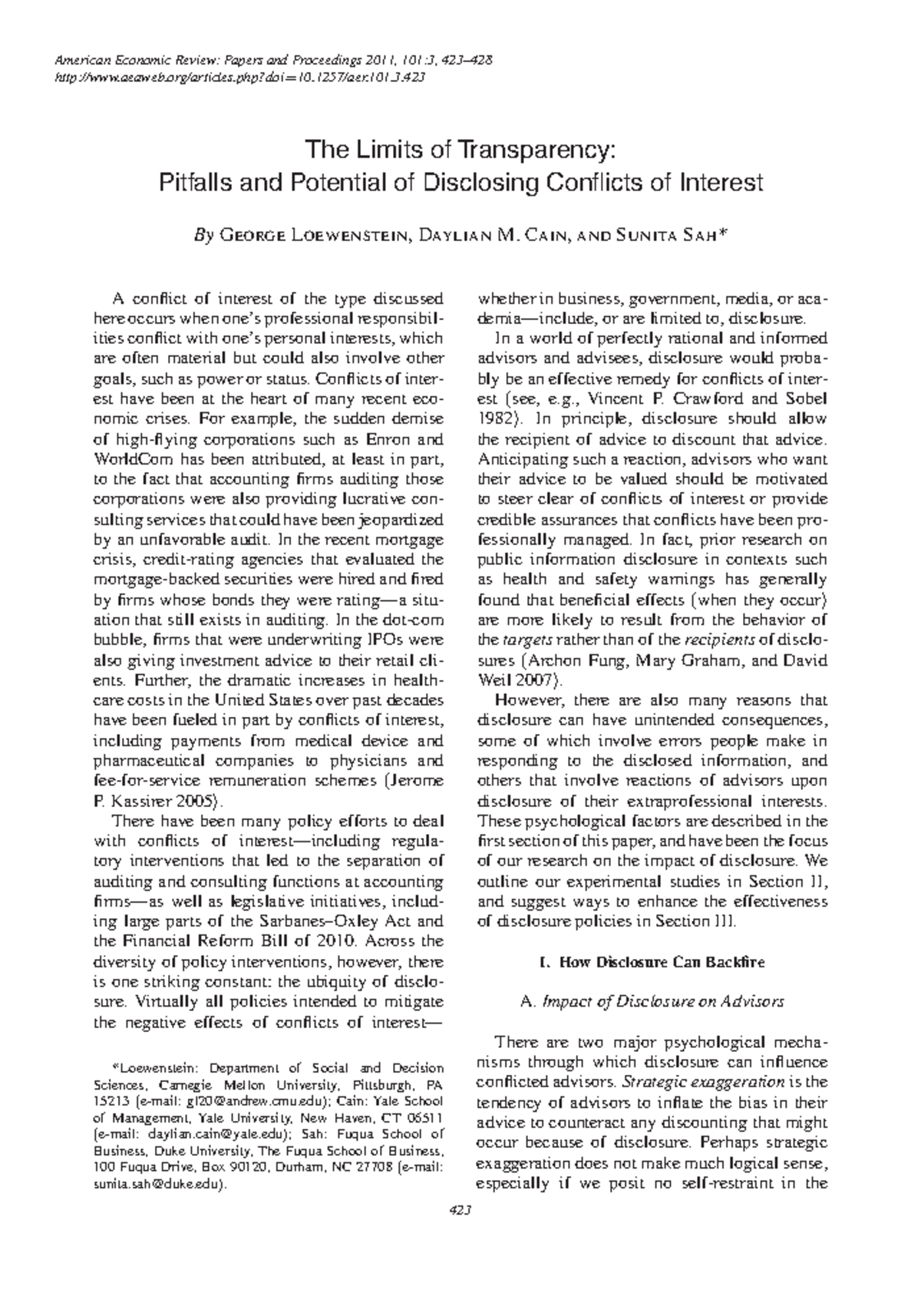
The case of Amanda Knoz serves as a critical lens through which to evaluate the practical boundaries of corporate transparency in the modern workplace. It highlights the friction between an individual's right to disclosure and the legal, structural, and cultural constraints that limit how much information organizations are willing or able to share regarding internal investigations, personnel management, and institutional accountability.
The Context of Corporate Transparency
Corporate transparency is frequently lauded as the bedrock of ethical business practices. In theory, it encompasses the obligation of a firm to disclose its operations, decision-making processes, and internal policy outcomes to its stakeholders—employees, investors, and, in some instances, the public. However, when specific cases like that of Amanda Knoz emerge, they bring into sharp focus the "limits" of this ideal.
Transparency is not a binary state; it is a spectrum bounded by privacy laws, non-disclosure agreements (NDAs), intellectual property protections, and the overarching need for organizations to manage their reputation. When an employee or observer seeks clarity on high-stakes internal events, they often hit a wall constructed of legal strategy and risk mitigation. Understanding the Amanda Knoz narrative requires dissecting why corporations choose to withhold information even when doing so contradicts the popular demand for open governance.
Legal and Structural Barriers to Disclosure
The primary limitation to transparency in the corporate sphere is the legal framework governing employment. Labor laws often prioritize the privacy of the individual over the public or organizational interest in disclosure. When a company investigates an internal issue involving a specific individual, it is legally bound to protect sensitive personal data.
Privacy Legislation
Data protection regulations—such as the General Data Protection Regulation (GDPR) in Europe or various state-level privacy acts in the United States—impose strict requirements on how personal information can be processed and disseminated. If a company discloses too much regarding a specific employee's status or the nature of an internal conflict, it risks violating these statutes. Consequently, "limited transparency" often serves as a defensive legal posture, shielding the organization from potential lawsuits related to defamation or privacy violations.
The Role of NDAs and Settlement Agreements
In many high-profile cases, the resolution of an internal dispute involves a settlement agreement accompanied by a non-disclosure agreement. These contracts effectively "buy" silence, replacing transparency with finality. While critics argue that this practice hides systemic issues, it remains the standard tool for corporations to curtail litigation and control the narrative surrounding personnel changes or disputes. The Amanda Knoz situation highlights how these legal instruments can effectively halt public inquiry, leaving significant questions about the underlying causes of a corporate event unanswered.
The Cultural Cost of Obfuscation
When corporations prioritize risk mitigation over transparency, they often suffer from a loss of institutional trust. The disconnect between what a company claims to value—honesty, integrity, and openness—and how it acts when a controversy occurs creates a "transparency gap."
- Employee Morale: When staff perceive that management is being evasive, rumors fill the vacuum. This lack of clear communication can lead to a decline in productivity and engagement.
- Reputational Risk: In an era where information travels rapidly, the perception of a "cover-up" can be more damaging to a brand than the original incident. The refusal to speak plainly regarding the limits of their internal investigations can paint a company as disingenuous.
- Institutional Inertia: A culture that suppresses internal information often fails to learn from its mistakes. If an organization cannot openly address why a situation occurred, it is unlikely to implement the necessary structural changes to prevent a recurrence.
Comparative Frameworks for Transparency
To understand the limitations faced in scenarios like the Amanda Knoz case, it is helpful to compare corporate standards with other organizational models.
| Organizational Type | Primary Transparency Driver | Primary Limitation |
|---|---|---|
| Publicly Traded Corp. | Shareholder confidence & SEC compliance | Legal liability & market sensitivity |
| Non-Profit/NGO | Donor trust & mission fulfillment | Fiduciary privacy |
| Private Partnership | Partner alignment | Internal confidentiality |
| Government Agency | Public accountability (FOIA) | National security/Privacy law |
As shown in the table, the corporate model is uniquely constrained by the tension between market performance and the legal right to keep internal affairs private. While public agencies are often subject to Freedom of Information Acts, private corporations operate under a much narrower scope of disclosure, which is the exact "limit" encountered by those seeking answers in corporate affairs.
Navigating the Transparency Wall: Next Actions for Stakeholders
If you find yourself investigating or seeking information regarding a corporate matter similar to the Amanda Knoz case, it is vital to manage expectations regarding what can be retrieved through official channels.
1. Distinguish Public Information from Private Data
Corporations are only obligated to disclose what is legally required by regulatory bodies. Audit reports, public filings, and shareholder communications are the only guaranteed sources of accurate, verified information. Personal disputes or specific internal grievances are almost never subject to public disclosure requirements.
2. Seek Third-Party Verification
When internal communication is limited or opaque, industry watchdogs, labor unions, and professional investigative journalists often serve as the primary sources for corroborated information. If an organization refuses to comment, third-party analysis often provides the necessary context to understand why a situation remains confidential.
3. Evaluate the "Why" Behind the Silence
Often, the silence itself provides the answer. A corporate refusal to engage is rarely accidental; it is usually the result of a cost-benefit analysis where the cost of disclosure (legal fees, reputational fallout) outweighs the benefit (public goodwill). Recognizing this incentive structure helps in analyzing corporate behavior objectively.
Common Misconceptions
A frequent mistake in public discourse is the belief that corporations have a moral, if not legal, obligation to be "fully transparent." In the context of American and global corporate law, no such universal obligation exists. Most disclosure requirements are limited to financial performance and material events that affect stock value. Personnel matters, unless they involve executives whose conduct materially affects company valuation, are considered private. The Amanda Knoz case serves as a prime example of the public’s desire for closure clashing with the private corporation’s right to handle internal affairs behind closed doors.
Professional Guidance and Limitations
If you are involved in a dispute or are seeking clarity on corporate actions that affect your livelihood, consult with an employment attorney or a labor relations specialist. These professionals can provide a realistic assessment of the "transparency limit" in your specific jurisdiction. Note that this article is for informational purposes only and does not constitute legal or financial advice. Legal statutes vary significantly by state and country, and the applicability of transparency laws depends heavily on the specific corporate structure and the nature of the information sought.
The case of Amanda Knoz highlights a fundamental truth: corporate transparency is not an inherent virtue but a managed asset. Organizations will balance the risks of disclosure against the potential for public backlash, and in most cases, the legal framework provides them with ample protection to maintain that balance. For the public and stakeholders, the key is to navigate these limits with an understanding of the legal and strategic hurdles that define the modern corporate landscape.
Frequently Asked Questions
Why are corporations often legally restricted from discussing personnel issues? Corporations must comply with strict privacy laws to avoid defamation lawsuits and violations of labor privacy rights. Disclosing the details of a specific individual's departure or conduct can expose a company to significant litigation risks.
What is the "transparency gap"? The transparency gap refers to the disparity between a company’s outward-facing values (which often emphasize integrity and openness) and their defensive, opaque behaviors when faced with internal controversies.
Can public records requests be used to force corporate disclosure? Generally, no. Freedom of Information laws typically apply only to government entities. Private corporations are not subject to these requests unless they are acting as a contractor for a government body and the specific information pertains to that contract.
How do non-disclosure agreements (NDAs) impact corporate accountability? NDAs allow companies to resolve disputes privately, which prevents information from reaching the public domain. While this minimizes legal costs for both parties, it often prevents systemic issues from coming to light, thereby limiting institutional accountability.
What should a stakeholder do if they believe a company is hiding unethical behavior? Stakeholders should look for official reporting channels, such as a formal whistleblower hotline or an ethics committee. If the internal paths are compromised, legal counsel or regulatory bodies (like the SEC for financial fraud) may be necessary to address specific types of corporate misconduct.
Is it possible to bridge the gap between corporate privacy and public interest? Some organizations adopt "radical transparency" policies, but these are rare and difficult to sustain due to the inherent competitive and legal pressures of the market. Most companies opt for controlled disclosure, where only the most essential information is shared with shareholders.