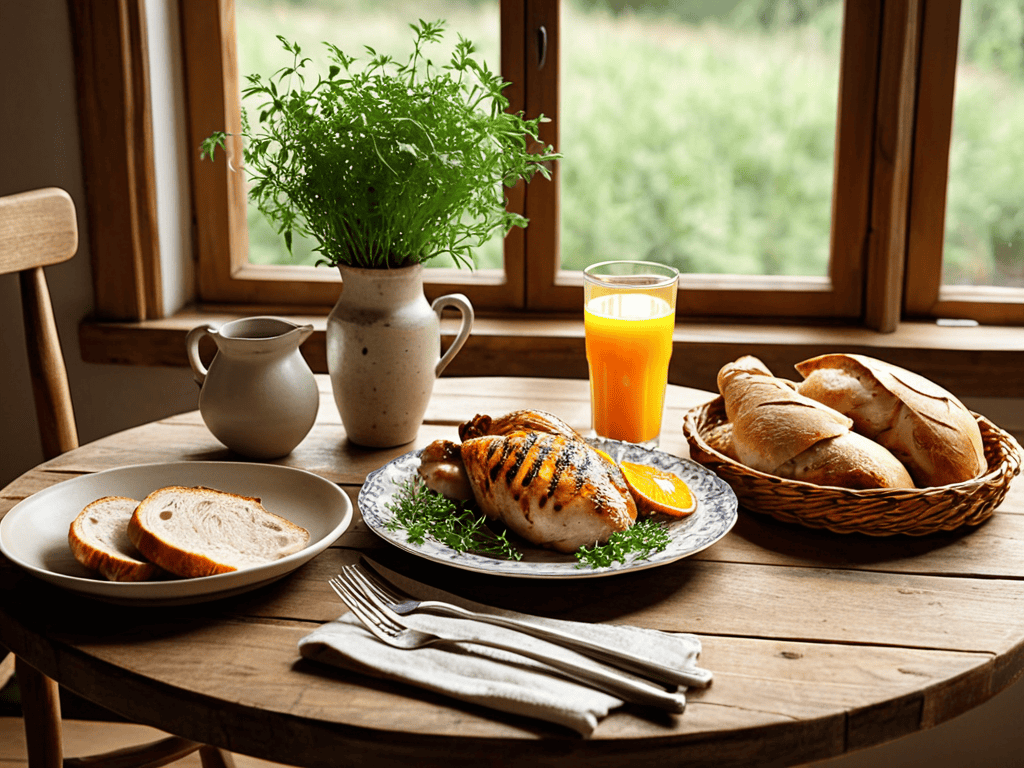
Dining solo, often referred to as "alone food," is a deliberate practice of self-regulation that influences your cognitive clarity, nutritional choices, and emotional rhythm. By removing the pressure of social performance, solo dining allows for a sensory-focused experience that promotes mindful consumption and provides a necessary mental reset during a high-output day.
For decades, eating alone was viewed through a lens of social deficit—a temporary state to be endured until company could be found. However, in 2026, the perspective has shifted entirely. Gastronomic solitude is now recognized as a vital component of a balanced lifestyle. Whether it is a quiet breakfast before a demanding shift or a structured solo dinner to decompress, the way we engage with "alone food" serves as a powerful tool for shaping the structure and quality of our daily lives.
The Psychological Shift: From Stigma to Self-Care
The transition from viewing solo dining as "lonely" to seeing it as "solitary" is a significant psychological milestone. Solitude is a chosen state of being alone without being lonely; it is a regenerative process. When you sit down to a meal by yourself, you are engaging in an act of autonomy.
In a social dining setting, a significant portion of your cognitive energy is dedicated to the "spotlight effect"—the belief that others are focused on your actions, appearance, or conversation. When dining alone, this external pressure evaporates. This allows the brain to transition from "external monitoring mode" to "internal reflection mode." This shift reduces cortisol levels and allows the nervous system to downregulate, making the meal a period of genuine recovery rather than continued social exertion.
Furthermore, solo dining provides a rare opportunity for "liminal space" in a busy schedule. In 2026, where digital connectivity is constant, the act of putting away the phone and focusing solely on the plate creates a boundary. This boundary informs the rest of your day, signaling to the brain that your time and your nourishment are priorities that exist independently of your professional or social obligations.
Sensory Focus and the "Mindful Bite"
One of the most immediate ways alone food shapes your day is through the enhancement of sensory perception. Socializing while eating is a form of multitasking. When you are engaged in conversation, your brain de-prioritizes the nuances of flavor, texture, and aroma to focus on linguistic processing and social cues.
The Science of Social Facilitation
Research in nutritional psychology has long identified "social facilitation of eating," a phenomenon where individuals tend to eat more—and more mindlessly—when in the company of others. By eating alone, you bypass this subconscious drive. Without the distraction of peer behavior, you are better able to listen to internal satiety signals.
Developing Palate Awareness
When you dine solo, you can practice what experts call the "Mindful Bite." This involves:
- Visual Assessment: Taking a moment to appreciate the colors and arrangement of the food.
- Aromatic Engagement: Inhaling the steam or scent to trigger digestive enzymes.
- Textural Recognition: Identifying the contrast between crunch, creaminess, and chew.
- Flavor Evolution: Noting how the taste changes from the first bite to the swallow.
This heightened awareness does more than make the food taste better; it anchors you in the present moment. This grounding effect carries over into the hours following the meal, often resulting in increased focus and a more measured response to afternoon stressors.
How Solo Dining Structures a Productive Day
The timing and nature of your solo meals act as "anchor points" for your daily routine. In a world of fluid work hours and remote environments, these anchors prevent the day from becoming a blurred continuum of tasks.
The Solo Breakfast: Setting the Intent
A solo breakfast is an exercise in preparation. It allows you to visualize the day ahead without external influence. By choosing a meal that provides sustained energy—such as complex carbohydrates and healthy fats—and consuming it in silence, you establish a baseline of calm. This prevents the "reactive" state that often occurs when the first interaction of the day is a stressful meeting or a crowded commute.
The Solo Lunch: The Cognitive Circuit Breaker
The "sad desk lunch" is a relic of the past. In 2026, the solo lunch is viewed as a cognitive circuit breaker. Leaving your workspace to eat alone in a different environment—even if it is just a different room or a nearby park—facilitates a "divergent thinking" state. This is why many people find that their best solutions to complex problems arise not while staring at a screen, but while eating a sandwich in quiet contemplation.
The Solo Dinner: Ritualistic Decompression
Solo dinner serves as the definitive end to the "productive" day. It is a period of decompression where the focus shifts from doing to being. The ritual of preparing a meal for oneself, or visiting a favorite restaurant alone, reinforces self-worth. It signifies that you are "worth the effort" of a high-quality meal, even without an audience.
The 2026 Landscape: The "Table for One" Economy
The hospitality industry has adapted significantly to the rise of the solo diner. No longer relegated to the awkward corner table or the high-traffic bar stool, solo diners in 2026 are a primary demographic for restaurateurs.
Innovative Design for Solitude
Modern restaurant design now incorporates features specifically for those eating alone. We see the rise of:
- Solo Booths: Designed for comfort and privacy, often with built-in reading lights or views of a garden.
- Chef’s Counters: Providing a "spectator" experience where the diner can watch the kitchen’s artistry without needing to converse.
- Quiet Zones: Dedicated areas where electronic devices and loud conversations are discouraged, catering to the "slow food" solo movement.
Comparison of Dining Modes
The following table highlights the functional differences between social dining and solo dining as they relate to daily life:
| Feature | Social Dining | Solo Dining (Alone Food) |
|---|---|---|
| Primary Goal | Connection and bonding | Self-regulation and reflection |
| Cognitive Load | High (social monitoring) | Low (internal focus) |
| Pace of Eating | Dictated by the group | Dictated by hunger/satiety |
| Caloric Intake | Often higher (distracted) | Often lower (mindful) |
| Cost Control | Variable (shared bills/drinks) | Precise (controlled ordering) |
| Time Investment | 90–120+ minutes | 30–60 minutes |
| Sensory Impact | Secondary to conversation | Primary and intensified |
Practical Strategies for Mastering Alone Food
Transitioning to intentional solo dining requires a shift in mindset and some practical planning. It is not merely about being alone; it is about the quality of that time.
At-Home Mastery
Cooking for one is often cited as a challenge due to ingredient waste or perceived "lack of effort." To shape your day effectively through home-cooked solo meals:
- Invest in Small-Scale Equipment: High-quality single-serve coffee presses, 6-inch cast iron skillets, and small air fryers make the process feel professional rather than makeshift.
- The "Ingredient Prep" Method: Instead of meal prepping entire dishes, prep ingredients (roasted vegetables, grains, proteins). This allows you to assemble a fresh meal in minutes, catering to your specific craving of the day.
- Set the Stage: Use your best dinnerware. Light a candle or play a specific "dinner-only" playlist. These cues tell your brain that the workday is over.
Dining Out with Confidence
If you feel self-conscious dining out alone, start small.
- Begin with Off-Peak Hours: A 2:00 PM lunch or a 5:30 PM dinner is quieter and less intimidating.
- Bring a Companion (Not a Person): A physical book or a notebook is often better than a phone. A phone keeps you connected to the "noise" of the day, while a book provides a different kind of quiet engagement.
- Engage with the Staff: A brief, polite interaction with the server can make you feel more welcomed and part of the environment without the burden of sustained conversation.
Overcoming the Challenges of Solo Eating
Despite the benefits, there are hurdles to making solo dining a consistent part of a healthy day. The most common is the "convenience trap"—the tendency to opt for ultra-processed "fast food" when there is no one else to consider.
To combat this, view your "alone food" as a nutritional investment. Because you are only responsible for one palate, you can afford higher-quality ingredients that might be too expensive for a large group. Use the savings from not buying a round of social drinks to purchase organic produce or a premium cut of protein.
Another challenge is the "work-through-lunch" habit. In 2026, the most successful professionals treat their solo meal as a non-negotiable appointment. If you find it hard to step away, schedule your lunch in your digital calendar as "Deep Focus: Internal" to protect that time from being booked by others.
Frequently Asked Questions
Does eating alone actually lead to healthier choices?
It can, provided you are intentional. While some people fall into "snacking" patterns when alone, studies show that mindful solo diners are more in tune with their body's actual nutritional needs. Without the social pressure to order "indulgent" shared appetizers or desserts, you are more likely to choose a balanced plate.
How do I stop feeling like everyone is looking at me?
Remind yourself of the "spotlight effect." Most people in a restaurant are deeply preoccupied with their own companions, their own food, or their own thoughts. In 2026, solo dining is so common that a person eating alone is no more notable than a person walking a dog.
What if I get bored while eating alone?
Boredom is often just the brain’s initial reaction to a lack of over-stimulation. Try to lean into it. If you need an activity, choose something tactile like sketching or something reflective like journaling. Avoid "doom-scrolling," as this negates the mental health benefits of the solo break.
Is solo dining expensive?
On a per-meal basis, it is often cheaper because you are not participating in the "group tax" (splitting appetizers you didn't want or contributing to a shared bottle of wine). You have total control over the bill.
How often should I practice solo dining?
There is no set rule, but many find that 2-3 intentional solo meals per week (outside of routine breakfasts) provide a significant boost to their overall sense of autonomy and mental clarity.
Final Recommendation for Intentional Dining
To truly allow "alone food" to shape your day for the better, start by reclaiming your lunch hour. Tomorrow, commit to leaving your phone in a drawer and finding a quiet spot to eat. Focus entirely on the flavor of your food and the rhythm of your breathing. By transforming a simple biological necessity into a ritual of solitude, you will find that you return to your tasks with a level of energy and perspective that no social interaction can provide. Treat your time alone with the same respect you would give a guest, and watch how it transforms the architecture of your day.