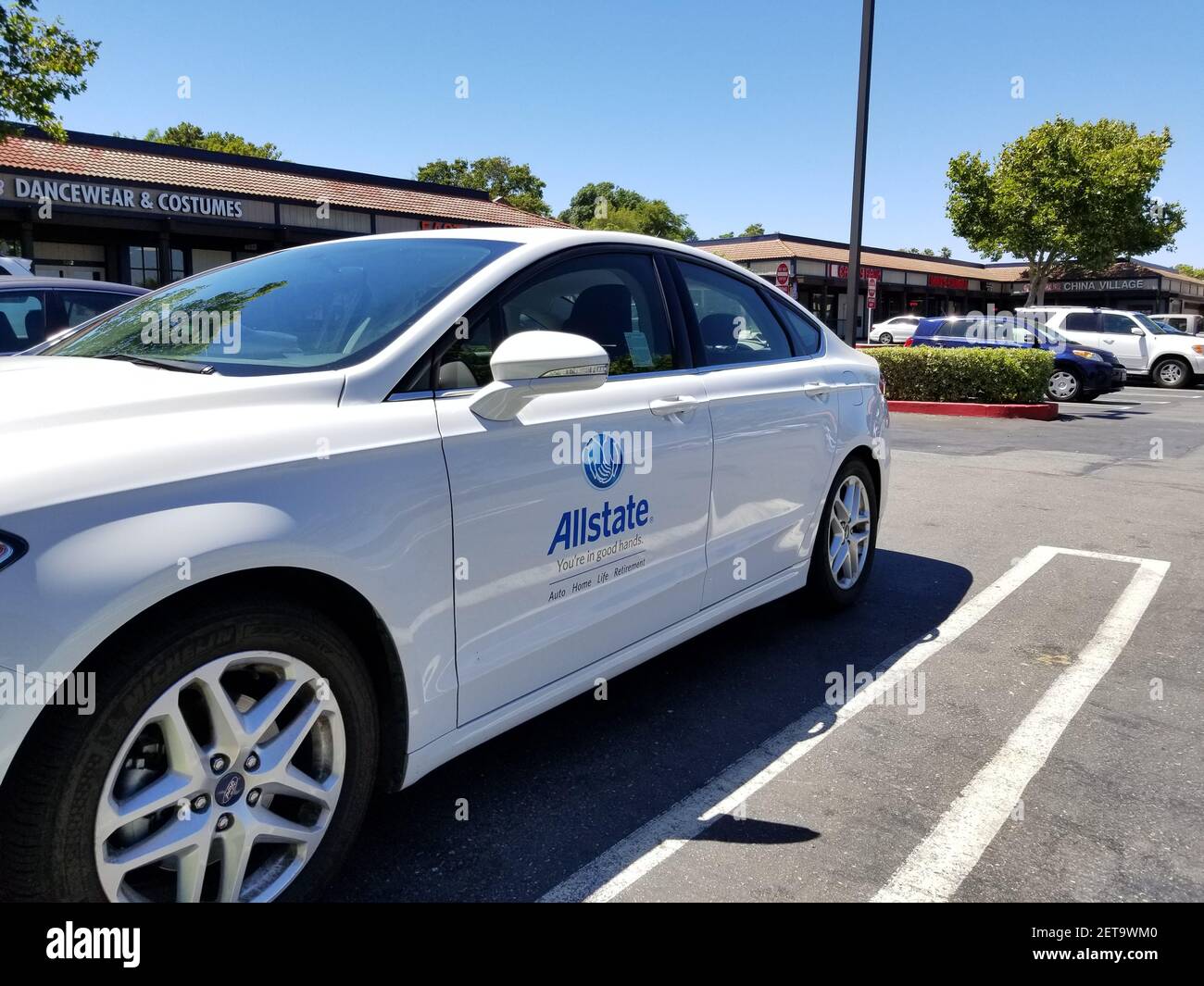
In 2026, the relationship between Allstate Life Insurance Company and real estate is defined by two distinct paths: institutional investment and consumer protection. While Allstate sold its primary life insurance entity to Blackstone-managed entities (renamed Everlake Life Insurance Company), the brand continues to leverage life insurance products to safeguard real estate assets and maintains a significant footprint in real estate debt and equity markets through its investment arm.
The Evolution of Allstate Life Insurance Company
To understand the intersection of Allstate Life Insurance and real estate in 2026, one must first recognize the structural shift that occurred in the early 2020s. In 2021, The Allstate Corporation completed the sale of Allstate Life Insurance Company (ALIC) and certain subsidiaries to entities managed by Blackstone, one of the world’s largest alternative asset managers and real estate investors.
This transition was a pivotal moment in the financial services industry. The entity formerly known as Allstate Life Insurance Company was rebranded as Everlake Life Insurance Company. For policyholders, this meant that while the name on the letterhead changed, the underlying obligations of the life insurance contracts remained intact. For the real estate market, this acquisition signaled a trend of massive private equity firms acquiring "insurance float"—the pool of premiums collected but not yet paid out in claims—to fund large-scale real estate and infrastructure projects.
As of 2026, Everlake operates independently of Allstate’s property and casualty business. However, the Allstate brand remains active in the life insurance space through partnerships and its remaining internal segments, focusing on how life insurance can serve as a financial bedrock for real estate owners and investors.
Real Estate as an Institutional Investment Strategy
Insurance companies are among the most significant institutional players in the real estate market. Allstate Life Insurance Company, and now its successor Everlake, utilize real estate to match long-term liabilities (future death benefits) with long-term, stable assets.
Direct Real Estate Equity
Institutional investors like Allstate Investments LLC (the arm that manages the parent company's capital) often take direct ownership stakes in commercial real estate. This includes high-grade office buildings, multi-family residential complexes, and industrial warehouses. In 2026, these portfolios are increasingly focused on "sustainable real estate"—properties with high ESG (Environmental, Social, and Governance) ratings—which are viewed as lower risk over the 20-to-30-year horizons typical of life insurance underwriting.
Real Estate Debt and Mortgages
Beyond direct ownership, Allstate and its former life insurance subsidiaries are major providers of commercial mortgages. They act as "non-bank lenders," providing the liquidity necessary for developers to break ground on new projects. These commercial mortgage-backed securities (CMBS) offer the life insurance company a fixed rate of return that is generally higher than government bonds, providing the necessary yield to grow the cash value of permanent life insurance policies.
Life Insurance for Real Estate Owners and Investors
For the individual consumer or real estate professional in 2026, the products originally issued by Allstate Life Insurance Company serve critical functions in property management and estate planning.
Mortgage Protection and Debt Coverage
One of the most common applications of life insurance in a real estate context is Mortgage Protection Insurance (MPI). While Allstate’s primary focus has shifted, life insurance policies—whether term or permanent—are frequently used to ensure that a primary residence or investment property is not lost to foreclosure upon the death of the owner.
In 2026, savvy investors use life insurance to cover the "debt gap." If an investor holds a portfolio of five rental properties with a combined mortgage balance of $2 million, a life insurance policy with a matching death benefit ensures the estate can clear the debt, allowing the heirs to inherit the properties free and clear, preserving the rental income stream for the next generation.
Liquidity for Estate Taxes
Real estate is often an "illiquid" asset. For high-net-worth individuals holding significant real estate portfolios, the federal estate tax can pose a significant threat. If an estate consists primarily of land and buildings but lacks cash, the IRS may force a "fire sale" of the property to cover tax liabilities.
Life insurance products originally underwritten by Allstate Life Insurance Company (and now serviced by Everlake) provide the necessary liquidity. The death benefit provides immediate cash to pay taxes, legal fees, and administrative costs, ensuring that the real estate portfolio remains intact.
Collateral Assignment of Life Insurance in Real Estate Loans
A technical but essential aspect of the relationship between life insurance and real estate is the Collateral Assignment. In 2026, many commercial lenders require borrowers to hold a life insurance policy as a condition of a loan, particularly for small business owners or solo real estate developers.
Under a collateral assignment, the life insurance policy (potentially one issued by Allstate Life Insurance Company) is used as security for the loan. If the borrower passes away before the mortgage is repaid, the lender is the primary beneficiary to the extent of the remaining debt. The residual death benefit is then paid out to the borrower’s secondary beneficiaries. This mechanism provides lenders with the confidence to issue larger loans for real estate acquisitions, knowing the "key person" risk is mitigated.
| Feature | Direct Real Estate Investment | Life Insurance (Cash Value) |
|---|---|---|
| Liquidity | Low (Requires sale or refinance) | High (Via policy loans/surrender) |
| Tax Status | Tax-deferred (1031 Exchange) | Tax-deferred growth; Tax-free death benefit |
| Volatility | Moderate to High (Market dependent) | Low (Guaranteed minimums in some types) |
| Management | Active (Tenants, repairs, taxes) | Passive (Managed by the carrier) |
| Purpose | Income and Appreciation | Protection and Wealth Transfer |
Impact of the Blackstone Acquisition on Policyholders
The transition of Allstate Life Insurance Company to Blackstone’s management has had long-term implications for how the company’s assets are invested in real estate. Blackstone’s expertise in the real estate sector allows the capital backing these policies to be deployed into high-performing property sectors, such as logistics centers and life sciences laboratories.
For policyholders in 2026, this means the financial strength ratings of the entity (now Everlake) remain a primary focus. Credit rating agencies like A.M. Best and Standard & Poor’s evaluate how well the company’s real estate heavy portfolio can withstand market fluctuations. Historically, the diversification into real estate has provided a "buffer" against the volatility of the stock market, ensuring that the company can meet its long-term promises to policyholders.
Strategic Financial Planning: Life Insurance vs. Real Estate
In 2026, the debate between investing in real estate versus permanent life insurance has evolved into a strategy of complementary assets. Financial advisors often suggest that a balanced portfolio includes both.
- The Hedge Strategy: Using the "guaranteed" growth of a whole life insurance policy to offset the cyclical risks of the real estate market.
- The Opportunity Fund: Utilizing the cash value of a life insurance policy (through a policy loan) to fund the down payment on a new real estate acquisition. This allows the investor to "be their own bank," paying interest back to their own policy rather than a third-party lender.
- The Exit Strategy: Using the death benefit to equalize an inheritance. If one heir wants to manage the family real estate business and the other does not, the life insurance proceeds can provide an equivalent cash inheritance to the second heir.
Technical Considerations and Underwriting
When applying for life insurance to protect real estate interests, the underwriting process in 2026 involves a deep dive into the applicant's "insurable interest." The carrier must verify that the death benefit aligns with the value of the real estate or the size of the debt.
Furthermore, the tax implications of these transactions are governed by IRC Section 101(a), which generally provides that life insurance death benefits are received income-tax-free. However, if a policy is "transferred for value"—a common mistake in complex real estate business restructurings—that tax-free status could be jeopardized. It is vital for real estate investors to work with specialized tax counsel when integrating life insurance into their business entities (such as LLCs or FLPs).
Frequently Asked Questions
What happened to my Allstate Life Insurance policy after the company was sold?
Your policy remains a legally binding contract. Following the sale in 2021, most Allstate Life Insurance Company policies were transitioned to Everlake Life Insurance Company. The terms, coverage amounts, and premiums specified in your original contract remain unchanged. Allstate continues to provide customer support for some legacy products, but the financial backing is now managed by the new entity.
Can I use my life insurance policy as collateral for a mortgage in 2026?
Yes. Lenders frequently accept the collateral assignment of a life insurance policy, especially for commercial real estate loans or SBA loans. This ensures the lender is repaid if the borrower dies. Both term and permanent policies can be used, though permanent policies with cash value are often preferred by lenders due to their stability.
Does Allstate still sell life insurance for homeowners?
Allstate continues to offer life insurance products to its customers through third-party providers, such as Protective Life Insurance Company. These products are designed to complement Allstate’s homeowners' insurance, providing a holistic "house and family" protection plan. While the name on the life insurance policy might not be "Allstate Life Insurance Company," the agents remain the primary point of contact for many.
Why do real estate investment firms like Blackstone buy life insurance companies?
Investment firms acquire life insurance companies to gain access to the "permanent capital" provided by premiums. Because life insurance payouts are predictable and long-term, firms can invest that capital into higher-yield, long-term assets like real estate, infrastructure, and private equity, which might be too illiquid for other types of financial institutions.
Is it better to invest in real estate or a cash-value life insurance policy?
In 2026, these are not considered mutually exclusive. Real estate offers potential for high appreciation and rental income but requires active management and has high entry costs. Cash-value life insurance provides tax-deferred growth and a guaranteed death benefit with zero management. Many investors use life insurance to provide the "safe" portion of their portfolio while taking more aggressive risks in real estate.
Practical Recommendations
For those navigating the complexities of Allstate Life Insurance Company (Everlake) and real estate in 2026, the following steps are recommended:
- Policy Audit: If you hold an older policy, verify the current servicing entity and check the financial strength ratings of Everlake Life Insurance Company to ensure your "death benefit" is secure.
- Debt Alignment: Ensure your life insurance coverage matches your current real estate debt. If you have acquired more property or refinanced since 2024, you may be "under-insured," leaving your estate vulnerable to debt obligations.
- Beneficiary Review: In a real estate context, ensure your beneficiaries are aligned with your succession plan. If a property is held in an LLC, consider whether the LLC or the individual family members should be the policy beneficiaries.
- Consult a Specialist: Integration of life insurance into a real estate portfolio involves complex tax laws. Always consult with a CTP (Certified Trust and Fiduciary Advisor) or a tax attorney to avoid "transfer-for-value" traps.