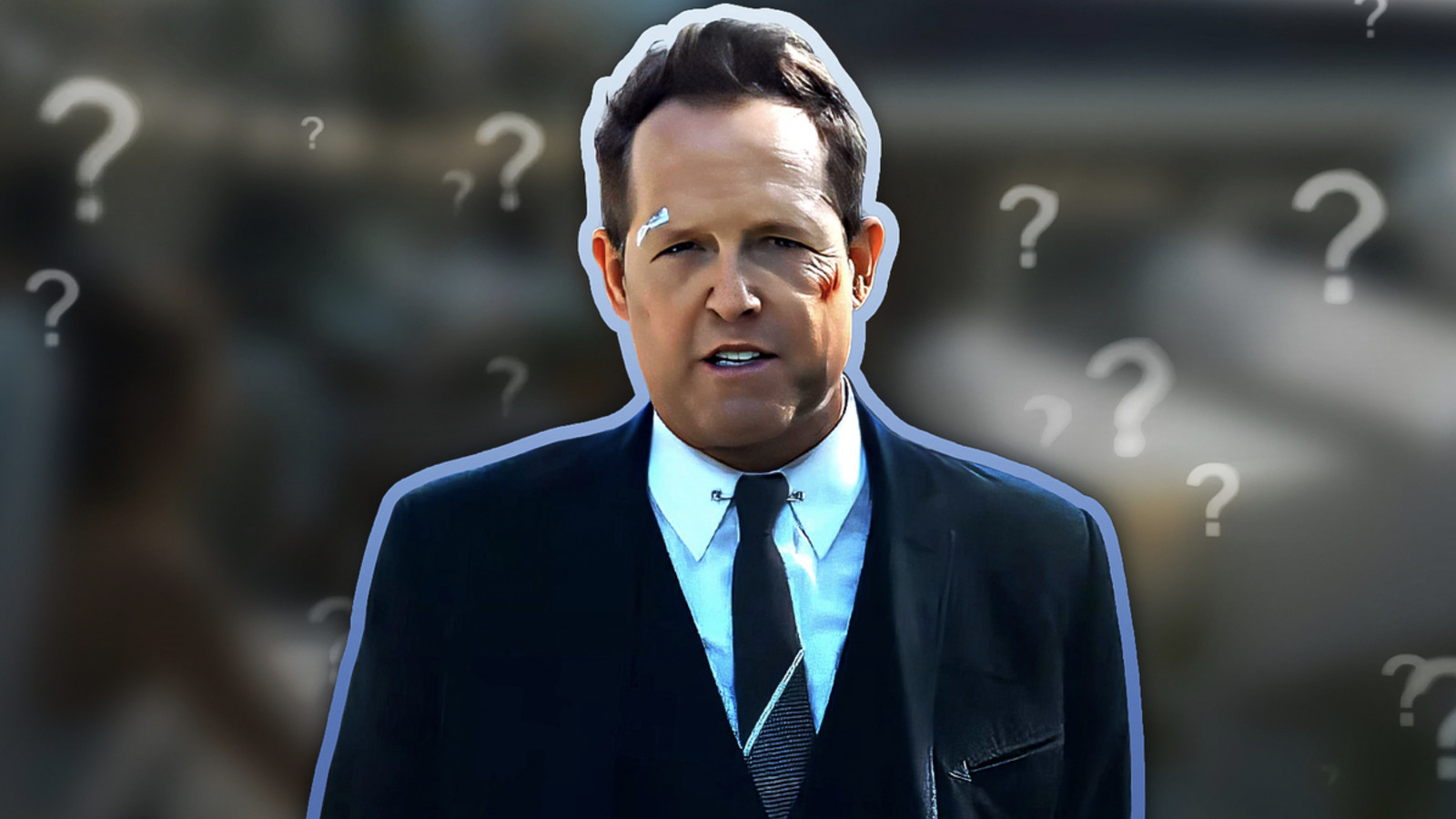
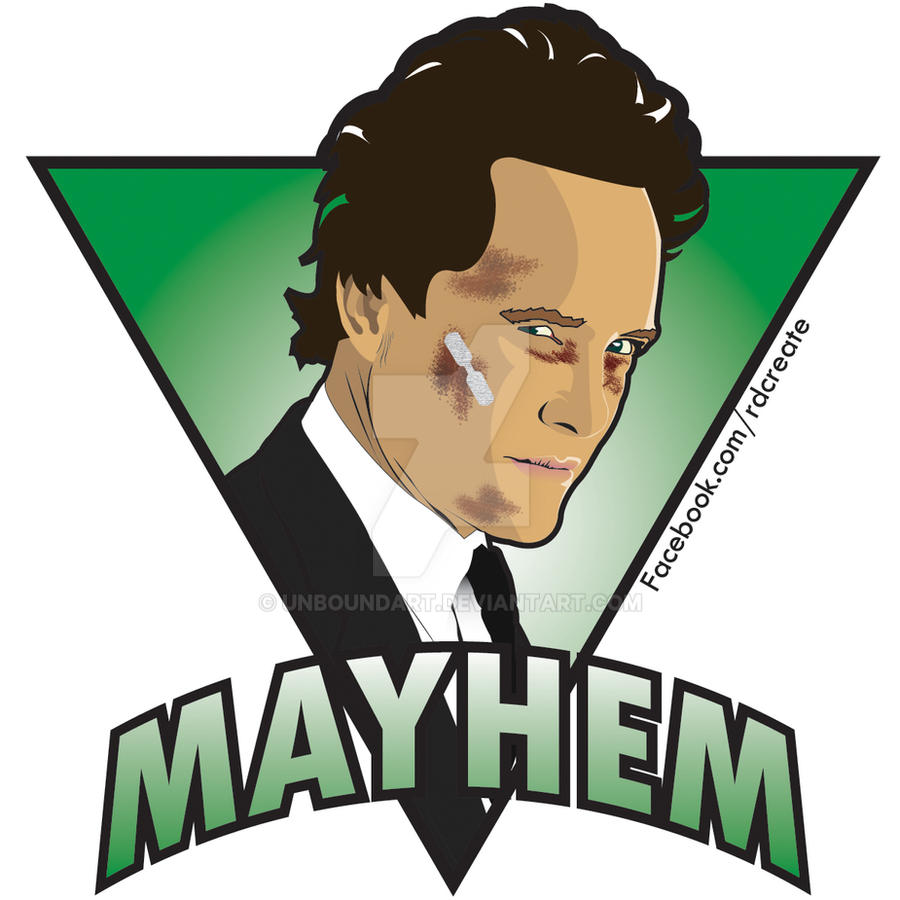
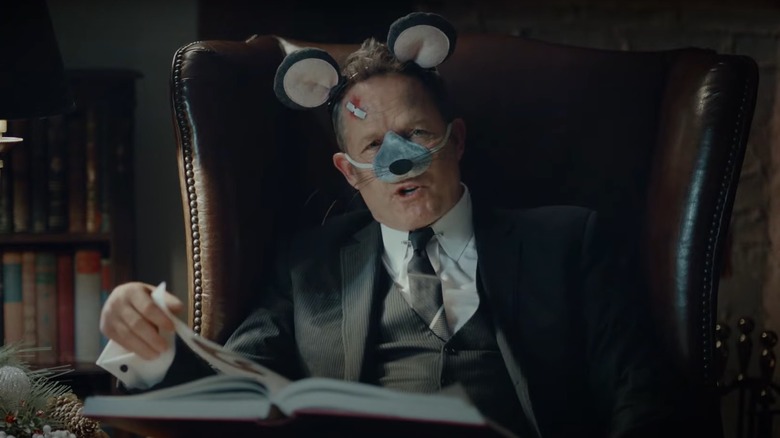
The "Allstate Insurance Guy" famously known as Mayhem is portrayed by actor Dean Winters. Launched in 2010, this character personifies the various unpredictable disasters that lead to insurance claims. The campaign serves to warn consumers that "cut-rate" insurance may not provide adequate coverage when unexpected chaos, represented by Mayhem, strikes their lives.
The Genesis of Mayhem: A Shift in Insurance Marketing
The "Mayhem" campaign, created by the advertising agency Leo Burnett Chicago, debuted in June 2010. Before this shift, Allstate was primarily known for its "Good Hands" slogan and the calm, authoritative presence of actor Dennis Haysbert. While Haysbert’s commercials emphasized trust, stability, and reliability, the insurance market was rapidly changing. Competitors like Geico and Progressive were gaining significant ground with humorous, character-driven advertisements featuring the Gecko and Flo.
Allstate recognized the need for a more aggressive approach to highlight the pitfalls of choosing insurance based solely on the lowest price. The objective was to create a visceral representation of the risks that people often ignore or underestimate. Instead of just talking about accidents, Allstate decided to personify them. Thus, Mayhem was born—a character who is not a villain in the traditional sense, but a personification of the chaotic nature of the universe.
In the context of 2026, the Mayhem campaign remains one of the longest-running and most successful examples of brand "re-imagining." It allowed Allstate to maintain its reputation for quality while competing in an attention-based digital economy. By showing exactly how a "cut-rate" policy could leave a homeowner or driver vulnerable, Allstate moved the conversation from price to value.
The Man Behind the Chaos: Dean Winters
The success of the "Allstate insurance guy mayhem" is inseparable from the performance of Dean Winters. An accomplished character actor, Winters brought a unique blend of grit, cynicism, and physical comedy to the role. Before becoming the face of insurance disasters, Winters was well-known for his roles in high-stakes television dramas.
Early Career and Dramatic Roots
Dean Winters first gained major recognition for his role as Ryan O'Reily in the HBO prison drama Oz. He followed this with a recurring role as Johnny Gavin in Rescue Me and Brian Cassidy in Law & Order: Special Victims Unit. He also displayed comedic timing as "The Beeper King" Dennis Duffy on 30 Rock. This background in both intense drama and dark comedy made him the perfect candidate to play a character who is simultaneously threatening and absurd.
The Near-Death Experience
A significant part of the Dean Winters story, which adds a layer of irony to his role as Mayhem, is his real-life brush with death. In 2009, just before the Mayhem campaign began, Winters suffered a massive cardiac arrest and was clinically dead for several minutes while in an ambulance. He underwent multiple surgeries and suffered from a serious infection that resulted in the amputation of several toes and half a thumb. His resilience and ability to perform the physically demanding stunts required for the Mayhem commercials—despite chronic pain—have earned him immense respect within the industry.
By 2026, Winters has become synonymous with the brand, much like the Marlboro Man or the Geico Gecko, but with a distinctly human, albeit chaotic, edge. His portrayal has remained consistent, even as the scenarios he inhabits have evolved to reflect modern technological and societal risks.
The Philosophy of Mayhem: Why the Character Works
The Mayhem campaign is built on the psychological concept of "loss aversion" and the "availability heuristic." Humans are naturally more motivated to avoid a loss than they are to achieve a gain. By personifying potential losses in a memorable way, Allstate ensures that when a consumer thinks of a car accident or a house fire, they think of Mayhem—and by extension, the need for Allstate’s "Good Hands."
The "Cut-Rate" Narrative
The primary antagonist in every Mayhem commercial isn't actually Mayhem himself; it is "cut-rate insurance." Each ad follows a specific formula:
- Mayhem identifies himself as a specific risk (e.g., a distracted driver, a faulty water heater, or a falling tree).
- He causes significant damage to a person or property.
- He reveals that if the victim has "cut-rate" insurance, they will be paying for the damages out of pocket.
- The commercial concludes with the "Good Hands" promise of superior coverage.
This strategy effectively addresses the "it won't happen to me" bias. By making the risk tangible and humorous, the ads bypass the viewer's defensive filters, making the message of "better coverage" more palatable and less like a lecture.
Iconic Scenarios: A History of Destruction
Over the past decade and a half, the Mayhem character has inhabited dozens of roles. These scenarios are carefully chosen based on common insurance claim data, ensuring that the humor is grounded in reality.
- The Teenage Girl: One of the most famous early ads featured Winters as an emotionally compromised teenage girl who just received a text message. He crashes his SUV into a parked car, highlighting the risks of distracted driving.
- The Raccoon in the Attic: In this scenario, Winters plays a raccoon living in a home's attic. While looking for "love," he tears through insulation and causes thousands of dollars in structural damage.
- The Blind Spot: Personifying a driver's blind spot, Winters hangs off the side of a vehicle, obscuring the driver's view and causing a collision. This ad was particularly effective at illustrating how a split-second of "mayhem" can change a life.
- The Cyber-Attacker: In more recent years, including the 2024-2026 cycle, the campaign has expanded into digital risks. Mayhem has appeared as a weak password or an unpatched software vulnerability, reflecting the modern landscape of identity theft and cyber insurance.
Comparing Insurance Brand Mascots
To understand the impact of the Allstate insurance guy, it is helpful to compare him to other major figures in the industry. As of 2026, the landscape of insurance advertising remains dominated by these recurring characters.
| Character | Brand | Persona | Core Message |
|---|---|---|---|
| Mayhem | Allstate | Chaotic, Gritty, Instigator | Cheap insurance leaves you vulnerable to chaos. |
| Flo | Progressive | Quirky, Helpful, Retail-focused | Comparison shopping and bundling save you money. |
| The Gecko | Geico | Calm, Professional, Wise | Switching is easy and saves you 15% or more. |
| Jake | State Farm | Neighborly, Relatable, Reliable | Personal service and "like a good neighbor" presence. |
| The LiMu Emu | Liberty Mutual | Absurd, Comedic Duo | Only pay for what you need. |
While Flo and the Gecko focus on the ease of the transaction and the potential for savings, Mayhem focuses on the quality of the product. This positioning allows Allstate to justify higher premiums by focusing on the "cost of a claim" rather than the "cost of a policy."
The Evolution of Mayhem in 2026
As we move through 2026, the "Allstate insurance guy mayhem" has adapted to the current era. While the classic car crashes and falling trees remain relevant, the campaign now addresses the complexities of a highly connected world.
Mayhem and the Electric Vehicle (EV) Transition
With the mass adoption of electric vehicles, Mayhem has found new ways to cause trouble. Recent commercials feature Winters as a depleted EV battery in the middle of a blizzard or a faulty home charging station that causes an electrical fire. These ads educate consumers on the specific insurance needs of EV owners, which often differ from traditional internal combustion engine vehicles.
Climate Change and "Catastrophic Mayhem"
As weather patterns become more volatile, the campaign has taken a slightly more serious (though still humorous) tone regarding natural disasters. Mayhem has personified "The Hundred-Year Flood" that happens twice in a decade or "The Unprecedented Hailstone." These scenarios emphasize that what used to be rare is now a common risk, necessitating robust homeowners' insurance.
Social Media and Viral Mayhem
The campaign has also mastered the art of social media integration. In 2026, Mayhem doesn't just exist in 30-second TV spots; he interacts with users on platforms like TikTok and X (formerly Twitter). He "hijacks" viral trends or comments on real-world events, keeping the character relevant to a younger audience that may not watch traditional television.
Why Consumers Connect with Mayhem
The longevity of the Mayhem character is a testament to the audience's psychological connection with him. Unlike many mascots who are purely "good," Mayhem represents the part of the human experience that is messy and out of control.
- Relatability through Shared Misfortune: Everyone has had a bad day where something goes wrong. We see ourselves—or our potential mistakes—in Mayhem’s actions.
- Schadenfreude with a Purpose: There is a certain level of "schadenfreude" (pleasure derived from another's misfortune) in watching Mayhem cause destruction, but because it’s fictional and serves as a warning, the viewer feels informed rather than just entertained.
- Visual Storytelling: Insurance is an intangible product. You can't see "coverage." The Mayhem ads make the intangible tangible. You can see the dented fender, the flooded basement, and the ruined roof.
Practical Guidance: Evaluating Your Insurance Against "Mayhem"
When viewing these commercials, the takeaway shouldn't just be a laugh. The campaign is designed to prompt a review of your current coverage. In 2026, with inflation and rising repair costs, "cut-rate" insurance is a bigger risk than ever.
Assessing Your Risk Profile
To determine if you are protected against Mayhem, consider the following:
- Deductible vs. Savings: If you choose a high deductible to save on monthly premiums, do you have the cash on hand to pay that deductible if Mayhem strikes tomorrow?
- Replacement Cost Coverage: Ensure your homeowners' insurance covers the "replacement cost" of your home and belongings, not just the "actual cash value," which accounts for depreciation.
- Liability Limits: In a litigious society, standard liability limits may not be enough. If you (or Mayhem acting through you) cause a major accident, your assets could be at risk.
- Modern Riders: Check if your policy includes coverage for modern issues like cyber-attacks, identity theft, or equipment breakdown for smart home devices.
Professional-Advice Limitation
While the information regarding the "Allstate insurance guy mayhem" campaign is based on advertising trends and public records as of 2026, insurance needs vary significantly by individual circumstances, local laws, and jurisdictional requirements. This article does not constitute financial, legal, or professional insurance advice. Consumers should consult with a licensed insurance agent or financial advisor to review their specific policy details and coverage limits.
FAQ: Common Questions About the Allstate Mayhem Guy
Who is the actor who plays Mayhem in the Allstate commercials?
The actor is Dean Winters. He is a veteran actor known for his roles in Oz, 30 Rock, and Law & Order: SVU. He has played the character of Mayhem since the campaign’s inception in 2010.
Is Dean Winters still doing the Allstate Mayhem commercials in 2026?
Yes, as of 2026, Dean Winters remains the face of the Mayhem campaign. While the character occasionally takes short hiatuses, Allstate has consistently brought him back due to his high popularity and effectiveness in driving brand recognition.
Did the actor who plays Mayhem actually have a near-death experience?
Yes. In 2009, Dean Winters suffered a cardiac arrest and was clinically dead for several minutes. He underwent multiple surgeries and had several amputations. He has often spoken about how this experience changed his perspective on life and performance.
Why does the Mayhem character always wear a suit?
The suit serves as a visual contrast to the chaos he causes. It portrays him as a "professional" agent of destruction—a constant, ever-present force that is a natural part of the world. The suit is usually disheveled or damaged by the end of the commercial to show the aftermath of the event he personified.
Does Allstate still use Dennis Haysbert for commercials?
Yes, Allstate frequently uses a dual-marketing strategy. While Mayhem represents the risks and the "why" behind needing insurance, Dennis Haysbert often appears in separate spots to provide the "calm after the storm," reinforcing the "Good Hands" brand promise of trust and stability.
Next Steps for Consumers
If the "Allstate insurance guy mayhem" has made you rethink your current coverage, your next action should be a comprehensive policy audit. Contact your current insurance provider and ask for a detailed breakdown of what is not covered in your policy. Compare these exclusions against the common "Mayhem" scenarios like water backup, wind damage, and high-liability collisions. By understanding where your gaps are, you can make an informed decision on whether a more robust policy—like those offered by Allstate—is worth the investment to protect against the unexpected chaos of 2026.