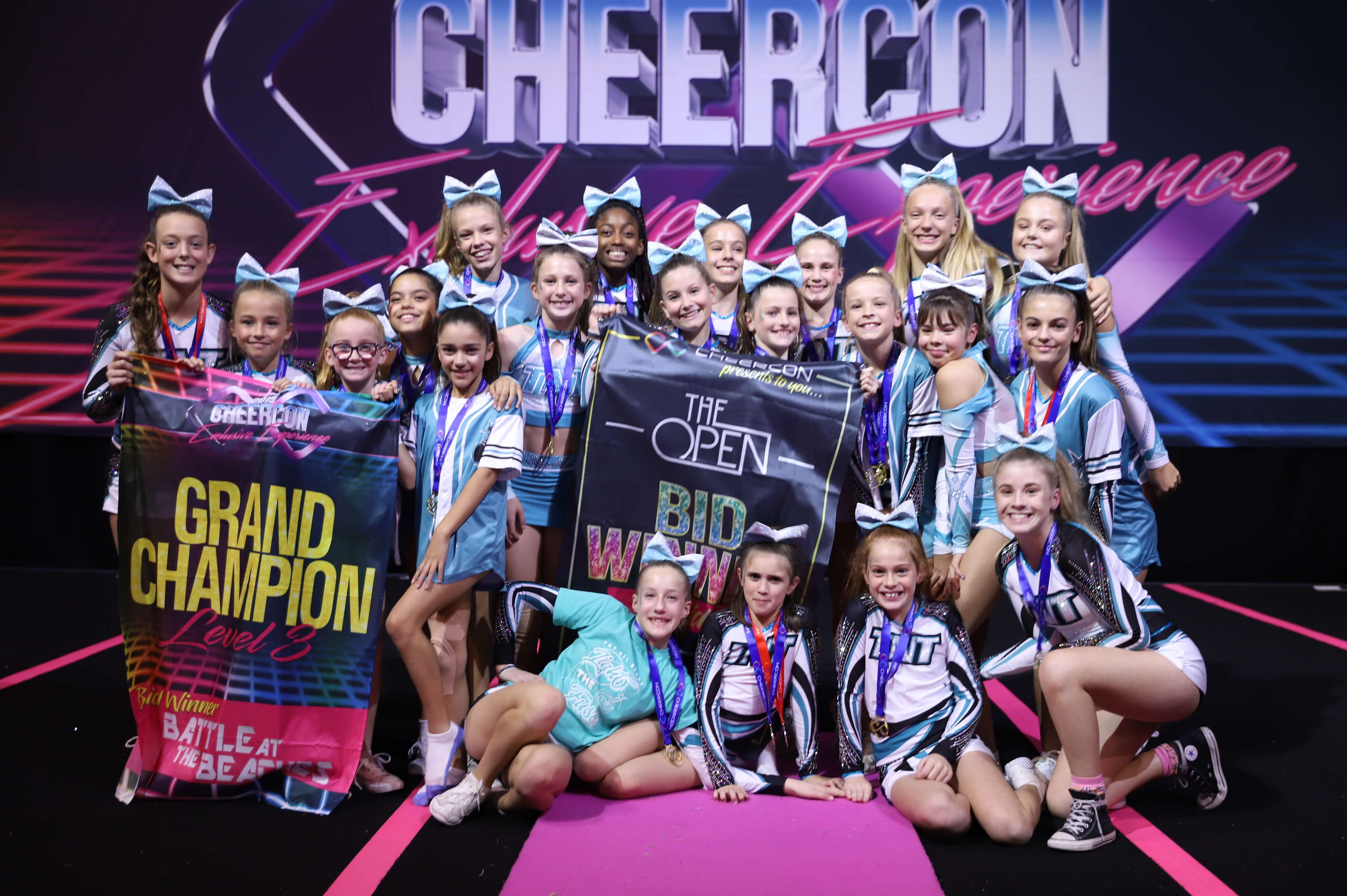
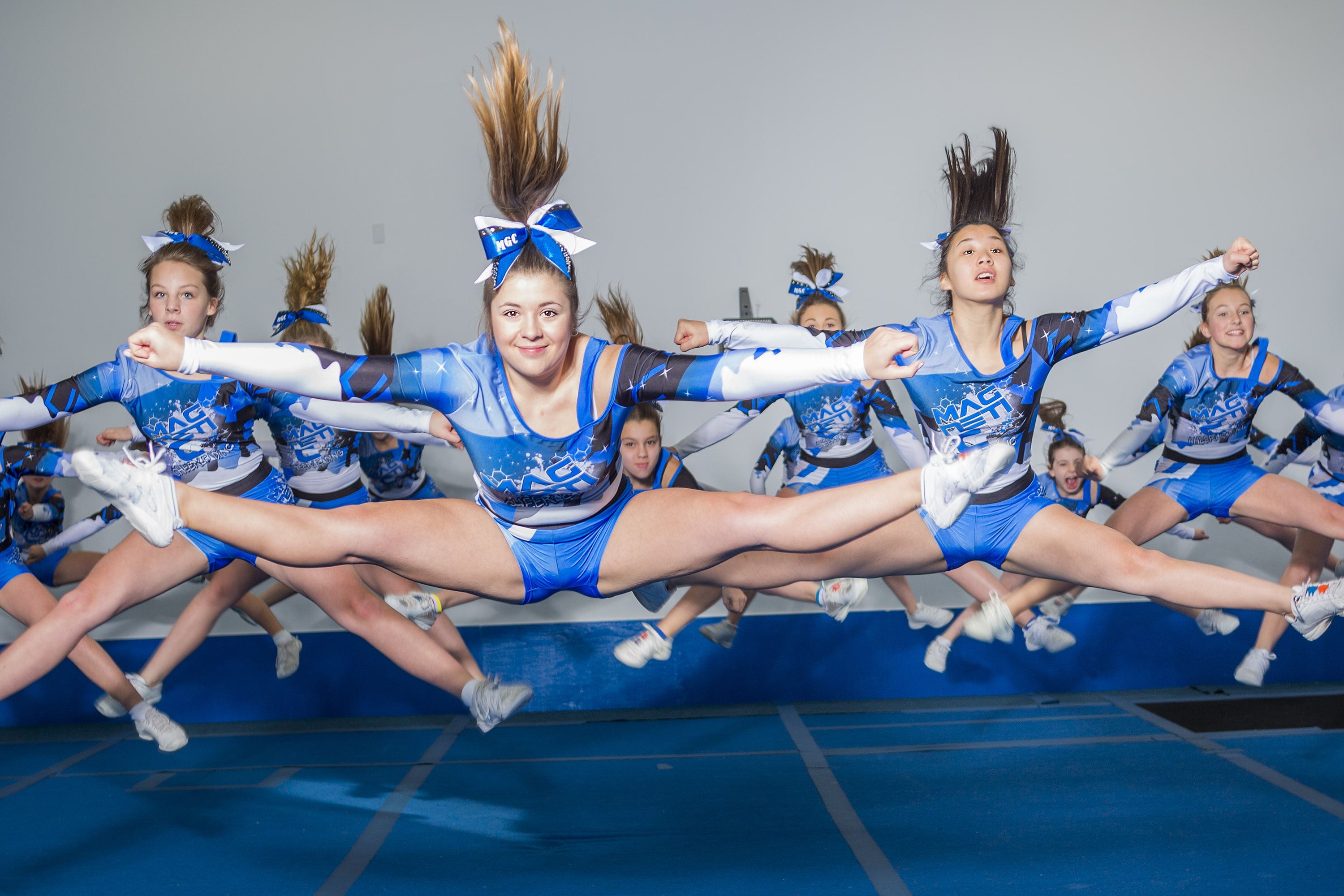
All star cheerleading is a sport because it involves rigorous physical exertion, highly specialized skills, and a structured environment for head-to-head competition. It is governed by international bodies like the International Cheer Union (ICU), which received full recognition from the International Olympic Committee (IOC) in 2021, cementing its status as a global athletic discipline.
The debate over whether all star cheerleading constitutes a sport has largely been settled within the athletic community by 2026. While the activity originated from sideline support at football games, all star cheerleading has evolved into a stand-alone competitive industry. It functions independently of schools, operating through private gyms and clubs where the sole objective is to perfect a two-minute-and-thirty-second routine for judged competition. This distinction is critical: sideline cheerleading focuses on crowd engagement, whereas all star cheerleading focuses on athletic performance, technical difficulty, and precision.
The Institutional Framework of All Star Cheerleading
For an activity to be formally classified as a sport, it requires a centralized governing body, a standardized set of rules, and a pathway for international competition. All star cheerleading meets every one of these criteria through organizations like the International Cheer Union (ICU) and the United States All Star Federation (USASF).
The International Cheer Union is the worldwide governing body for the sport of cheer. In 2021, the International Olympic Committee (IOC) granted the ICU full recognition. This was a watershed moment, as it moved cheerleading from an "activity" to a recognized "sport" in the eyes of the highest athletic authority in the world. As of 2026, the ICU represents over 110 member nations, coordinating continental championships and the annual World Cheerleading Championships.
On the domestic level in the United States, the USASF sets the standard for safety, age requirements, and skill levels. These levels (currently ranging from Level 1 to Level 7) ensure that athletes compete against others with similar skill sets, much like weight classes in wrestling or divisions in soccer. By establishing a rigid framework for competition, these organizations have removed the ambiguity that once fueled the "activity vs. sport" debate.
Physical Demands and Athletic Requirements
The athleticism required in all star cheerleading is comparable to that of gymnastics, acrobatics, and powerlifting. To perform a high-level routine, athletes must possess explosive power, exceptional flexibility, and cardiovascular endurance.
Tumbling and Plyometric Power
Tumbling is a core component of all star cheerleading. Athletes perform sequences that include back handsprings, layouts, and "fulls" (back tucks with a 360-degree mid-air twist). These maneuvers require significant plyometric strength—the ability of muscles to exert maximum force in short intervals of time. A study by the National Center for Catastrophic Sports Injury Research has historically highlighted the intensity of these movements, noting that the forces exerted on the joints during landing are similar to those seen in elite floor gymnastics.
Stunting and Structural Strength
Unlike gymnastics, which is largely an individual endeavor, all star cheerleading requires intricate teamwork through stunting. This involves "bases" lifting or throwing "flyers" into the air. The physical load on a base requires significant lower-body and core strength to stabilize a person’s weight overhead while the flyer performs technical movements. The flyer, in turn, must possess extreme core stability and body awareness to maintain balance in unstable environments.
Cardiovascular Conditioning
A competition routine lasts 150 seconds. During this window, athletes are required to perform a "marathon" of high-output activities with no breaks. They move from tumbling passes immediately into stunting sequences, followed by a pyramid, a dance section, and a final jumping sequence. The metabolic demand is immense; by 2026, many elite programs utilize heart rate monitors and VO2 max testing to ensure athletes can maintain the necessary intensity without sacrificing safety or technique.
The Technicality of the Scoring System
One of the hallmarks of a sport is a transparent, objective scoring system. All star cheerleading utilizes a comprehensive score sheet that evaluates routines based on two primary metrics: Difficulty and Execution.
Difficulty scores are earned by performing high-level skills, such as synchronized elite stunts, multi-twisting tumbling, and creative transitions. Execution scores, often referred to as "technique," reflect how well those skills were performed. Judges look for pointed toes, locked arms, stable platforms in stunts, and clean landings in tumbling.
Furthermore, the "Legal/Deduction" system acts as the sport's officiating mechanism. Just as a referee in basketball calls a foul, all star cheerleading officials issue deductions for falls, "busts" (technical failures), or out-of-bounds violations. This structured evaluation process ensures that the outcome of a competition is determined by athletic performance rather than subjective "spirit."
Comparison of All Star Cheerleading to Other Sanctioned Sports
To understand where all star cheerleading sits in the athletic landscape, it is helpful to compare its requirements to other sports that are universally accepted as such.
| Metric | All Star Cheerleading | Gymnastics (Floor Exercise) | Figure Skating |
|---|---|---|---|
| Governing Body | ICU / USASF | FIG (International Gymnastics Fed) | ISU (International Skating Union) |
| Primary Skill Sets | Tumbling, Stunting, Jumps | Tumbling, Leaps, Turns | Jumps, Spins, Footwork |
| Scoring Basis | Difficulty + Execution | Difficulty + Execution | Technical Score + Program Components |
| Olympic Status | IOC Recognized (2021) | Olympic Sport | Olympic Sport |
| Team Dynamic | Highly Dependent (Group) | Individual / Team Total | Individual / Pair |
| Physical Focus | Power, Balance, Timing | Flexibility, Power | Grace, Power, Balance |
This table demonstrates that all star cheerleading mirrors the structural and competitive elements of long-standing Olympic sports. The primary difference is the group-dependent nature of stunting, which adds a layer of complexity regarding timing and synchronization not found in individual gymnastics.
Safety Standards and Risk Management
The evolution of safety regulations is a primary reason why all star cheerleading has gained institutional respect. For decades, the lack of oversight led to high injury rates. However, in 2026, the sport is governed by strict safety protocols that rival those in football or hockey.
Current regulations include:
- Mandatory Coach Certification: Coaches must pass background checks and technical proficiency exams for the specific levels they teach.
- Surface Requirements: Competitions must be held on "spring floors" or thick foam mats to dissipate the energy of landings and falls.
- Progression-Based Training: Athletes are legally barred from performing "Level 5" skills until they have demonstrated mastery of "Level 4" prerequisites. This reduces the risk of injury caused by attempting maneuvers beyond an athlete's physical capability.
These safety measures are not merely suggestions; they are enforced by the USASF and the International Cheer Union. Gyms that fail to comply with these safety standards risk losing their membership, which prevents them from competing in sanctioned events like "The Summit" or "The Cheerleading Worlds."
The Psychological and Social Impact of Competitive Cheer
As a sport, all star cheerleading provides the same psychological benefits as traditional team sports. Athletes learn discipline, time management, and the value of collective effort. Because a single person's mistake in a stunt can cause a deduction for the entire team, the level of accountability is exceptionally high.
The "season" for an all star athlete is grueling. It typically begins in May with tryouts and choreography and runs through April of the following year. This year-round commitment is a testament to the "sport" status of the activity. It is not a seasonal hobby but a lifestyle choice that requires athletes to sacrifice weekends and holidays for training and travel.
Common Misconceptions Debunked
Despite the IOC recognition, several misconceptions persist. Addressing these is essential to understanding the reality of the sport in 2026.
Misconception 1: "It’s just about smiling and pom-poms."
In all star cheerleading, pom-poms are rarely used, and "smiling" is only a small part of "performance energy" scoring. The focus is on the successful completion of gravity-defying stunts. If an athlete fails to land a double-full tumbling pass, no amount of smiling will save their score.
Misconception 2: "If it’s judged, it’s not a sport."
This argument would also disqualify diving, figure skating, and gymnastics. Judging in all star cheerleading is based on a technical rubric. While there is a component of artistry (dance and performance), the bulk of the score is derived from objective athletic metrics.
Misconception 3: "Title IX doesn't apply, so it's not a sport."
Title IX is a U.S. federal law regarding gender equality in education. Since all star cheerleading is club-based (private), it does not fall under the purview of Title IX. However, the collegiate version of competitive cheer, known as STUNT, has been recognized as an "Emerging Sport for Women" by the NCAA. This academic recognition further validates the athletic foundation shared by all star cheerleading.
Frequently Asked Questions
Is all star cheerleading in the Olympics?
As of 2026, the International Cheer Union is a fully recognized International Federation by the IOC. While cheerleading has not yet been added to the official Olympic program for the upcoming Summer Games, its status as a "recognized sport" means it is eligible for inclusion in future cycles. The ICU continues to lobby for its debut, likely in a format that showcases high-level stunting and tumbling.
How does all star cheer differ from school cheer?
School cheerleading is primarily focused on supporting other sports (football, basketball) and promoting school spirit, although many school teams also compete. All star cheerleading is strictly competitive and club-based. All star teams do not cheer for other sports; they are the main event. They practice in private gyms and focus exclusively on high-difficulty routines for competitions.
What are the age requirements for all star cheerleading?
The USASF and ICU categorize athletes by age to ensure fair competition. Divisions typically include Tiny (ages 5-7), Mini (ages 7-9), Youth (ages 9-12), Junior (ages 12-15), and Senior (ages 15-18). There are also "Open" divisions for athletes over the age of 18. This structure mirrors the age-bracketed systems found in club soccer or AAU basketball.
Why is it called "All Star" cheerleading?
The term "All Star" refers to the fact that these teams are composed of athletes from various schools and backgrounds who come together to form an elite team at a private gym. It differentiates the activity from school-affiliated programs. In the same way an "all-star" game in professional sports features the best players, all star gyms aim to recruit and train the most skilled athletes in their region.
What is the most difficult level in all star cheer?
Level 7 is currently the highest technical level in all star cheerleading. It allows for the most complex stunting (such as three-high pyramids) and advanced tumbling (including multiple twists and flips). Most "World" level teams compete at Level 6 or 7, where the athletic requirements are at their peak.
Next Steps for Aspiring Athletes and Parents
If you are considering all star cheerleading, the best next step is to visit a USASF-certified gym in your area. Request a "trial class" focused on tumbling or basic stunting to gauge the physical intensity of the sport. For parents, it is important to review the gym's safety certifications and their history with injury prevention.
Understanding the financial and time commitment is also crucial; all star cheerleading involves travel to regional and national competitions, which often requires a full-year contract. By treating the transition into the gym with the same seriousness as joining a competitive swim or gymnastics club, you ensure the best possible environment for athletic development.