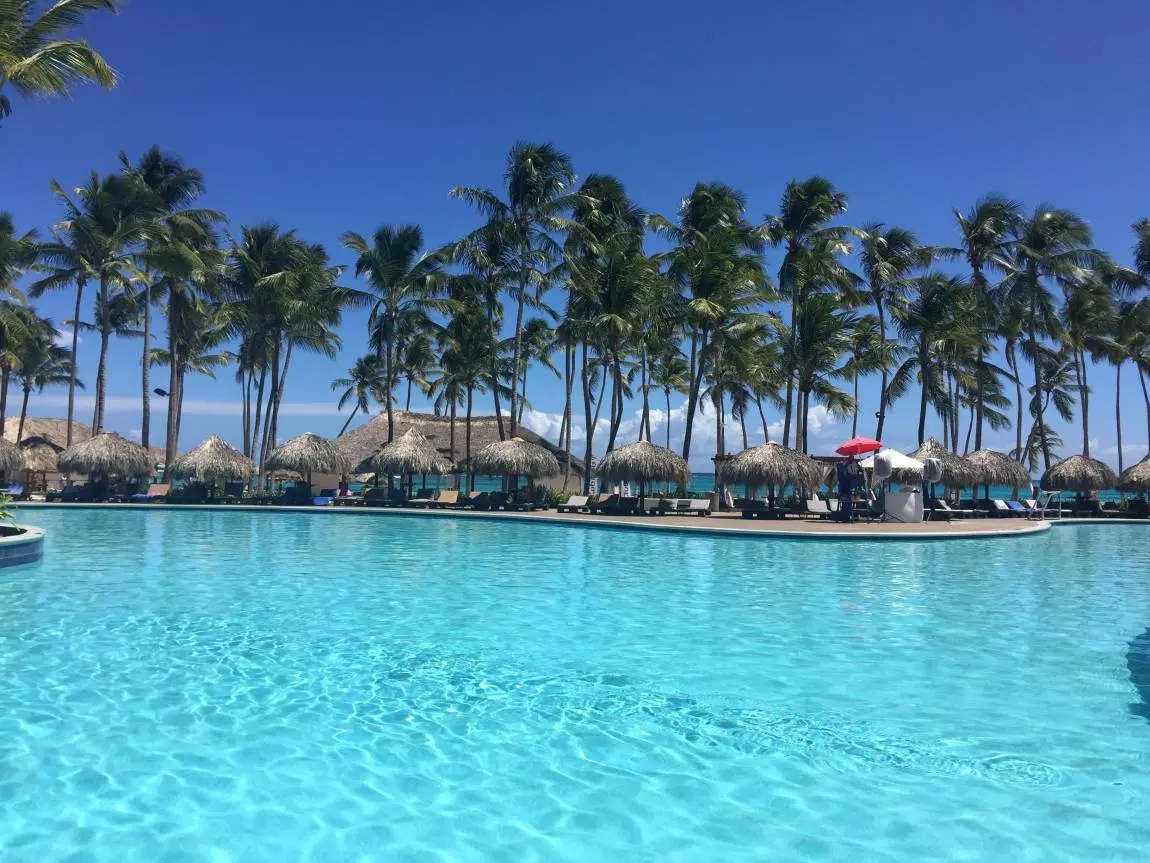
An all-inclusive vacation in the Dominican Republic offers a seamless travel experience where your lodging, meals, beverages, and entertainment are bundled into a single upfront price. To maximize your stay in 2026, focus on selecting a region—like Punta Cana or La Romana—that aligns with your specific preferences for beach quality, activity level, and budget.
The Dominican Republic remains the most visited destination in the Caribbean for good reason. Its infrastructure for all-inclusive tourism is arguably the most sophisticated in the world, ranging from sprawling family-friendly mega-resorts to intimate, ultra-luxury adults-only retreats. As we move through 2026, the industry has shifted toward "experiential luxury," where the traditional buffet and pool bar are supplemented by high-end gastronomy, wellness programs, and deep cultural immersion.
Choosing the Right Region for Your 2026 Getaway
The Dominican Republic is a large, geographically diverse nation. Choosing the wrong coast can lead to a vastly different experience than what you see in brochures. Understanding the nuances of each major tourist hub is the first step in planning.
Punta Cana: The All-Inclusive Epicenter
Punta Cana, located on the eastern tip of the island, is the most popular choice for all-inclusive vacations. It is home to the Bávaro Beach area, which is world-renowned for its white "sugar" sand and calm, turquoise waters protected by an offshore reef.
In 2026, Punta Cana continues to evolve with the development of the Cap Cana district, which offers a more exclusive, gated-community feel. Cap Cana is ideal for travelers seeking high-end marinas, professional golf courses like Punta Espada, and sophisticated nightlife. Conversely, Uvero Alto to the north offers a more secluded atmosphere with slightly stronger waves, making it a favorite for those who want to avoid the dense crowds of central Bávaro.
La Romana and Bayahibe: Luxury and Calm
If your priority is calm, Caribbean Sea waters (rather than the Atlantic side), La Romana and the nearby village of Bayahibe are superior choices. This region is famous for the Casa de Campo Resort & Villas, a massive complex that redefined luxury in the Caribbean.
The beaches here are generally narrower than in Punta Cana but are often more tranquil. This area is also the primary departure point for excursions to Saona Island and Catalina Island, which offer some of the best snorkeling and diving opportunities in the country. The proximity to the Parque Nacional del Este provides a natural buffer that keeps this region feeling more "wild" and less overdeveloped.
Puerto Plata and the North Coast: History and Value
On the northern Atlantic coast, Puerto Plata offers a more authentic Dominican feel combined with better value for your money. The resorts in Playa Dorada are often more affordable than those in the southeast.
Puerto Plata is ideal for active travelers. The nearby town of Cabarete is a global hub for kiteboarding and windsurfing, while the Damajagua Waterfalls offer an adrenaline-filled trekking and jumping experience. The historical center of Puerto Plata, featuring Victorian architecture and the Fortaleza San Felipe, provides a cultural depth that purpose-built resort towns often lack.
Comparative Overview of Dominican Republic Destinations
| Region | Primary Vibe | Best For | Water Condition | Price Range |
|---|---|---|---|---|
| Punta Cana | Resort Hub | Families & First-timers | Calm/Turquoise | Moderate to High |
| La Romana | Luxury/Elite | Golfers & Divers | Very Calm/Clear | High |
| Puerto Plata | Adventurous | Budget & History | Wavy/Deep Blue | Low to Moderate |
| Samaná | Nature-Focused | Couples & Eco-tourists | Pristine/Quiet | Moderate |
| Cap Cana | Exclusive | Luxury/Privacy | Calm | Very High |
Understanding All-Inclusive Tiers and Inclusions
Not all "all-inclusive" packages are created equal. In 2026, the market is segmented into several distinct tiers. Understanding these helps prevent "sticker shock" or disappointment upon arrival.
Standard All-Inclusive
These resorts usually include buffet-style dining for three meals a day, local alcoholic beverages, and non-motorized water sports (like kayaking or paddleboarding). While they offer excellent value, be aware that premium spirits, à la carte specialty restaurants, and spa services usually require an additional fee.
Luxury and "Unlimited-Luxury"
Brands such as Excellence Resorts, Secrets, and Hyatt Zilara/Ziva typically operate under a model where almost everything is included. This includes top-shelf liquor, 24-hour room service, and unlimited access to gourmet à la carte dining without the need for reservations. These properties often feature "swim-out" suites and personalized butler service.
Adults-Only vs. Family-Friendly
This is perhaps the most critical distinction. Adults-only resorts focus on tranquility, romance, and sophisticated entertainment. In contrast, family-friendly resorts in the DR are massive operations featuring water parks, kids' clubs with certified childcare, and teen lounges. If you are traveling as a couple, booking a "family" resort during school holiday periods can significantly impact the "relaxation" factor of your trip.
2026 Entry Requirements and Logistics
Traveling to the Dominican Republic in 2026 requires a few specific administrative steps. The government has streamlined the process significantly over the last few years through digitalization.
- Passport Validity: Your passport must be valid for the duration of your stay. However, many airlines and some immigration officers still look for six months of remaining validity, so it is safer to ensure your document is up to date.
- The E-Ticket: All passengers entering or-leaving the Dominican Republic must complete the electronic E-Ticket form. This replaces the old paper customs and boarding/disembarkation cards. It generates a QR code that is scanned at the airport.
- Tourist Fee: For most international travelers (including those from the US, Canada, and the UK), the $10 USD tourist fee is now included in the price of your airfare. You generally do not need to pay this separately at the airport.
- Currency: While the official currency is the Dominican Peso (DOP), US Dollars and Euros are widely accepted in tourist areas and resorts. In 2026, credit cards are accepted almost everywhere, but carrying small denominations of USD for tipping is still a standard practice and highly appreciated by staff.
Seasonal Timing and Weather Considerations
The Dominican Republic enjoys a tropical climate year-round, but there are distinct seasons that affect both the price and the environment.
- High Season (December to April): This is the most expensive time to visit. The weather is nearly perfect—sunny, low humidity, and manageable temperatures. If you plan to travel during Christmas or Spring Break, booking 6–9 months in advance is essential.
- Shoulder Season (May to June, November): These months offer a balance of good weather and lower prices. May is statistically the wettest month, but rain often comes in short, heavy bursts followed by sunshine.
- Hurricane Season (June to November): While the risk of a direct hit is statistically low in any given week, this is when you will find the lowest rates. If traveling during this window, purchasing comprehensive travel insurance that includes "cancel for any reason" or "weather interruption" coverage is highly recommended.
Navigating Health and Safety
Safety is a common concern for travelers, but the Dominican Republic remains safe for tourists who stay within designated areas or utilize reputable tour operators.
Water and Food Safety
You should never drink tap water in the Dominican Republic. All reputable all-inclusive resorts provide bottled water in rooms and use purified water for ice and food preparation. When eating outside the resort, stick to busy restaurants and avoid raw vegetables or unpeeled fruits unless you are confident in the hygiene standards.
Sun Protection
The sun in the Caribbean is significantly stronger than in North America or Europe. In 2026, many resorts are encouraging the use of reef-safe sunscreen to protect the local marine ecosystems. Apply sunscreen frequently, wear a hat, and stay hydrated, as heat exhaustion is one of the most common reasons tourists seek medical attention.
Resort Security
Most all-inclusive properties are gated and have 24/7 security personnel. While the resorts are very safe, it is still wise to use the in-room safe for passports, extra cash, and jewelry. When leaving the resort for excursions, use official transportation provided by the hotel or a certified tour company like NexusTours or Islands Routes.
Maximizing Your Value: Tips for 2026
To get the most out of an all-inclusive stay, you must look beyond the initial booking price.
- Tipping Culture: While "tips are included" in many packages, the reality is that a small gratuity (1–5 USD) for bartenders, housekeepers, and servers goes a long way in ensuring superior service throughout your stay.
- Excursion Budgeting: Budget roughly $100–$150 per person for major excursions. Popular choices like the Coco Bongo show, zip-lining in the Anamuya Mountains, or a catamaran trip to Saona Island are high-quality but come at a premium.
- The "Club" Upgrade: Many resorts offer a "Premium" or "Diamond" club level. This often grants access to a private beach area, a dedicated lounge with better food/liquor, and sometimes a better building location on the property. If you value peace and quiet, this upgrade is often worth the extra $40–$70 per night.
Frequently Asked Questions
Is the Dominican Republic safe for tourists in 2026?
Yes, the Dominican Republic is generally safe for tourists, especially within the resort zones of Punta Cana, La Romana, and Puerto Plata. The government maintains a specialized tourist police force (CESTUR) that patrols these areas. Like any international destination, travelers should exercise common sense, avoid wearing flashy jewelry in public cities, and use only registered taxis or transport services.
Can I drink the water at an all-inclusive resort?
No, you should not drink tap water anywhere in the country. All-inclusive resorts provide an ample supply of bottled or filtered water in your room and at all bars. This extends to brushing your teeth; many travelers prefer using bottled water for this as well to avoid any risk of stomach upset.
What is the best month to visit for an all-inclusive vacation?
March and April offer the best balance of weather, with clear skies and warm temperatures. However, if you are looking for the best financial value without a high risk of rain, late November or early December (before the Christmas rush) are excellent choices.
Do I need to learn Spanish before I go?
While the official language is Spanish, staff at all-inclusive resorts are typically fluent in English, and many also speak French or German. Knowing basic Spanish phrases like "Hola" (Hello), "Gracias" (Thank you), and "Por favor" (Please) is appreciated by the locals, but it is not a requirement for a successful vacation.
Is Punta Cana better than Puerto Plata?
It depends on your goals. Punta Cana is superior for those who want world-class beaches and a vast selection of high-end resorts. Puerto Plata is better for travelers who want a mix of beach time and cultural exploration, along with more affordable pricing and wind-based water sports.
Final Recommendation
For a first-time visitor in 2026, Punta Cana remains the gold standard for an all-inclusive vacation due to its ease of access and the sheer variety of resort options. Ensure you complete your E-Ticket at least 72 hours before departure and consider booking an "Adults-Only" property if you are traveling without children to ensure a more tranquil experience.