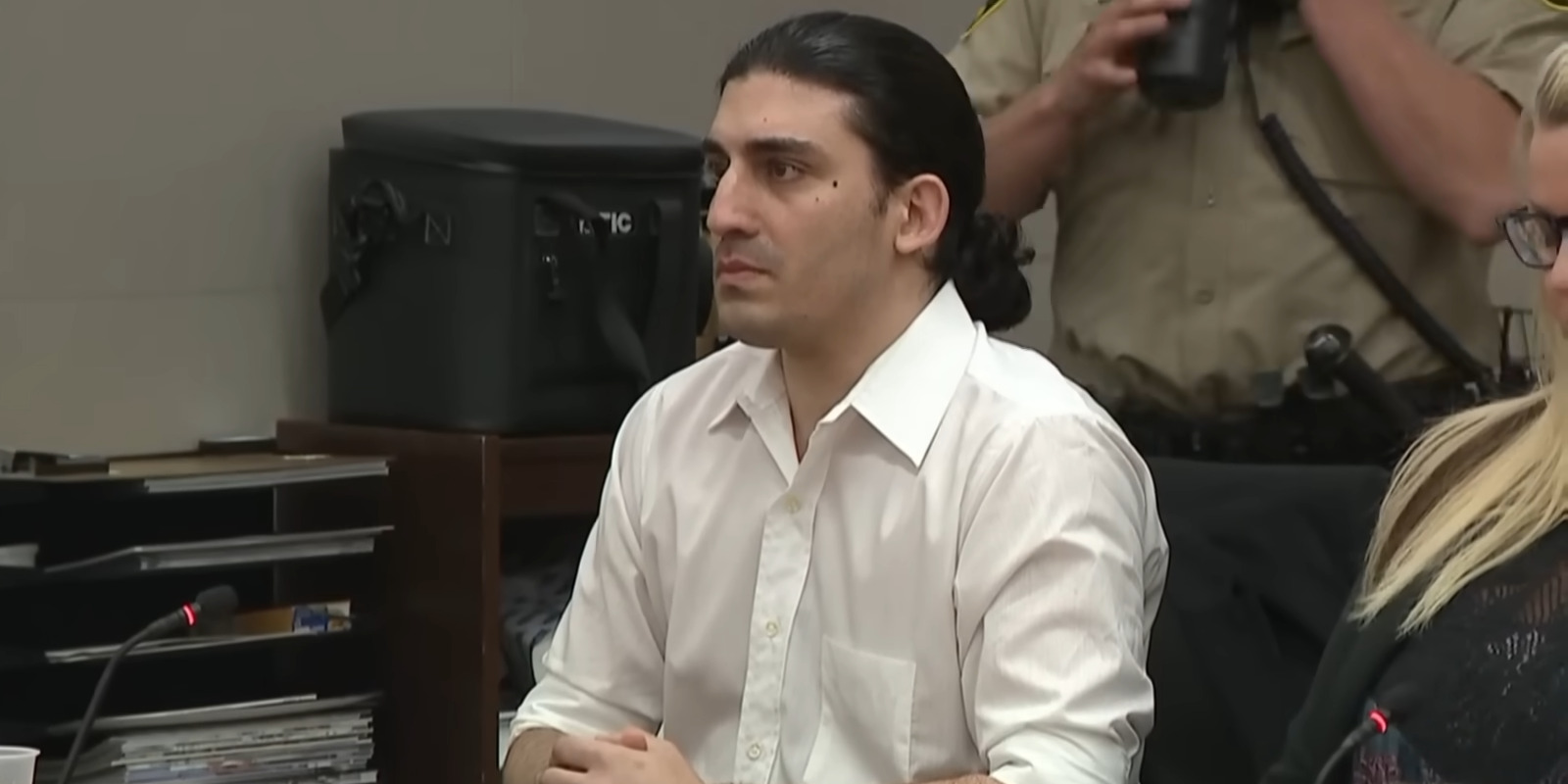
Ali Abulaban, a former TikTok content creator known online as JinnKid, amassed a modest digital footprint and short-lived social media following before his arrest and subsequent conviction for double homicide in San Diego, California. Discussions regarding his net worth typically center on the reality of independent content creation earnings versus online speculation, highlighting that his financial assets were relatively minimal at the time of his arrest and largely consumed by legal defense expenditures, court fees, and the absolute halt of any digital monetization streams.
Evaluating the financial profile of an individual involved in high-profile criminal proceedings requires separating sensationalized internet rumors from verified public records, court documents, and platform monetization standards. This overview examines the structural realities of Abulaban’s income sources prior to his legal case, the impact of his incarceration on his digital properties, and the broader financial context surrounding independent creators on platforms like TikTok and YouTube.
The Digital Footprint and Content Creation Economy
To understand the financial standing of Ali Abulaban prior to his 2021 arrest, it is necessary to examine the economics of his online presence. Operating primarily under the handle JinnKid, Abulaban gained traction on TikTok by posting comedy sketches, impressions, and impersonations of characters such as Tony Montana from Scarface.
At his peak popularity, Abulaban accumulated hundreds of thousands of followers across TikTok and YouTube. However, follower counts on short-form video platforms do not directly translate to substantial net worth or sustained wealth. The independent creator economy relies on several distinct revenue streams:
- Platform Creator Funds: Direct payouts from TikTok's Creator Fund (and later the Creativity Program Beta) offer fractions of a cent per view, typically yielding modest monthly returns unless view counts consistently reach tens of millions.
- Brand Sponsorships and Partnerships: Direct monetization via commercial endorsements, sponsored product placements, and affiliate marketing. While Abulaban’s sketches achieved viral status, verified long-term corporate sponsorships or high-paying brand contracts remain undocumented in public records.
- Cross-Platform Funneling: Directing an audience to external monetization sites like Patreon, merchandise stores, or ad-revenue-sharing platforms such as the YouTube Partner Program. While Abulaban maintained a YouTube channel, the scale of his operations did not reach enterprise-level digital media companies that command significant passive income.
Consequently, financial analyses indicating substantial wealth or high net worth figures for Abulaban are largely speculative fabrications common within online true-crime commentary and celebrity gossip sites. Standard industry benchmarks for creators with similar view metrics suggest a modest, middle-class income stream rather than accumulated long-term wealth or significant liquid assets.
Legal Proceedings and Asset Depletion
Following his arrest in October 2021 for the murders of his wife, Ana Abulaban, and her friend, Rayburn Barron, Abulaban's financial situation shifted entirely toward legal defense and court-mandated liabilities. The financial mechanics of facing capital murder charges involve substantial costs that quickly exhaust any liquid savings or personal property a content creator might hold.
| Financial Category | Pre-Arrest Status (c. 2021) | Post-Arrest Status (2022–2026) |
|---|---|---|
| Primary Income | TikTok creator earnings, occasional ad revenue | None; all monetization channels terminated |
| Liquid Assets | Modest personal savings from content creation | Exhausted by legal representation costs |
| Digital Property | Active social media accounts (JinnKid) | Abandoned, demonetized, or platform-restricted |
| Liabilities | Standard personal expenses, living costs | Extensive court fees, criminal defense expenses |
In the American legal system, defendants facing severe felony charges incur massive expenses associated with private defense counsel, expert witnesses, forensic psychological evaluations, and trial preparation. While indigent defendants may qualify for public defenders, high-profile cases often involve significant initial expenditures. Furthermore, any residual income from social media platforms ceased abruptly as automated and manual moderation policies removed, demonetized, or restricted accounts associated with violent crimes and incarcerated individuals.
Platform Policies and Monetization Termination
Major technology platforms maintain strict Terms of Service regarding safety, criminal conduct, and public harm. When an individual associated with a monetized channel faces felony charges or criminal conviction, platform operators swiftly intervene to protect brand integrity.
- Demonetization: Platforms routinely strip creators of access to ad revenue sharing, tipping features, and creator funds upon credible reports of violent criminal behavior.
- Account Termination: Channels belonging to individuals convicted of violent crimes are frequently removed entirely under guidelines prohibiting dangerous organizations, individuals, or harmful behavior.
- Copyright and Asset Control: Residual content left on abandoned channels remains largely inaccessible or non-revenue-generating for the creator, neutralizing any passive income streams that might otherwise contribute to net worth.
As a result, any theoretical financial valuation of Ali Abulaban dropped to negligible or negative levels following his arrest, driven by legal debts and the complete eradication of his digital business model.
Common Misconceptions in True-Crime Financial Reporting
Public interest in high-profile criminal cases frequently generates a cottage industry of unverified digital media content, including blog posts, videos, and social media threads estimating the net worth of defendants and victims. Understanding why these figures are unreliable requires examining common analytical errors:
- Conflating View Counts with Net Worth: Observers often multiply total historical video views by average industry CPM (Cost Per Mille) rates, assuming the creator pocketed the gross amount without accounting for platform cuts, production costs, taxes, and living expenses.
- Ignoring Liabilities: Speculative profiles rarely factor in debt, housing costs, equipment leases, and—crucially in criminal cases—the astronomical costs of criminal defense litigation.
- Confusing Gross and Net Income: Even at peak virality, independent creators must pay self-employment taxes, health insurance, and business overhead, leaving a net take-home pay significantly lower than estimated gross revenues.
Frequently Asked Questions
What was Ali Abulaban's net worth at his peak?
Verified public records do not provide an exact dollar figure for Ali Abulaban's peak net worth. While he achieved viral popularity on TikTok as JinnKid, his earnings were derived primarily from standard social media activity rather than diversified business enterprises, indicating a standard middle-class income rather than substantial wealth.
Does Ali Abulaban still earn money from TikTok or YouTube?
No. Major technology platforms enforce strict safety and conduct policies that prohibit monetization for individuals facing serious criminal charges or convictions. All active revenue streams associated with his accounts were terminated following his 2021 arrest.
How did the legal case impact his financial standing?
His financial standing shifted entirely toward liabilities. Defending against capital murder charges requires substantial financial resources for legal representation, court costs, and expert testimony, which quickly exhausted any liquid assets or savings.
Why do some online sources claim he had a high net worth?
Speculative internet articles and true-crime commentary sites frequently inflate financial figures by misinterpreting view counts, confusing gross revenue with net wealth, and publishing unverified estimates to capture search engine traffic.
Practical Guidance on Evaluating Creator Finances
When researching the financial status of digital creators or individuals involved in public legal cases, readers should rely on primary documentation such as court filings, verified bankruptcy petitions, and official corporate disclosures rather than third-party biography websites. Independent content creation is often volatile, and high follower counts do not equate to sustained financial security or long-term net worth.