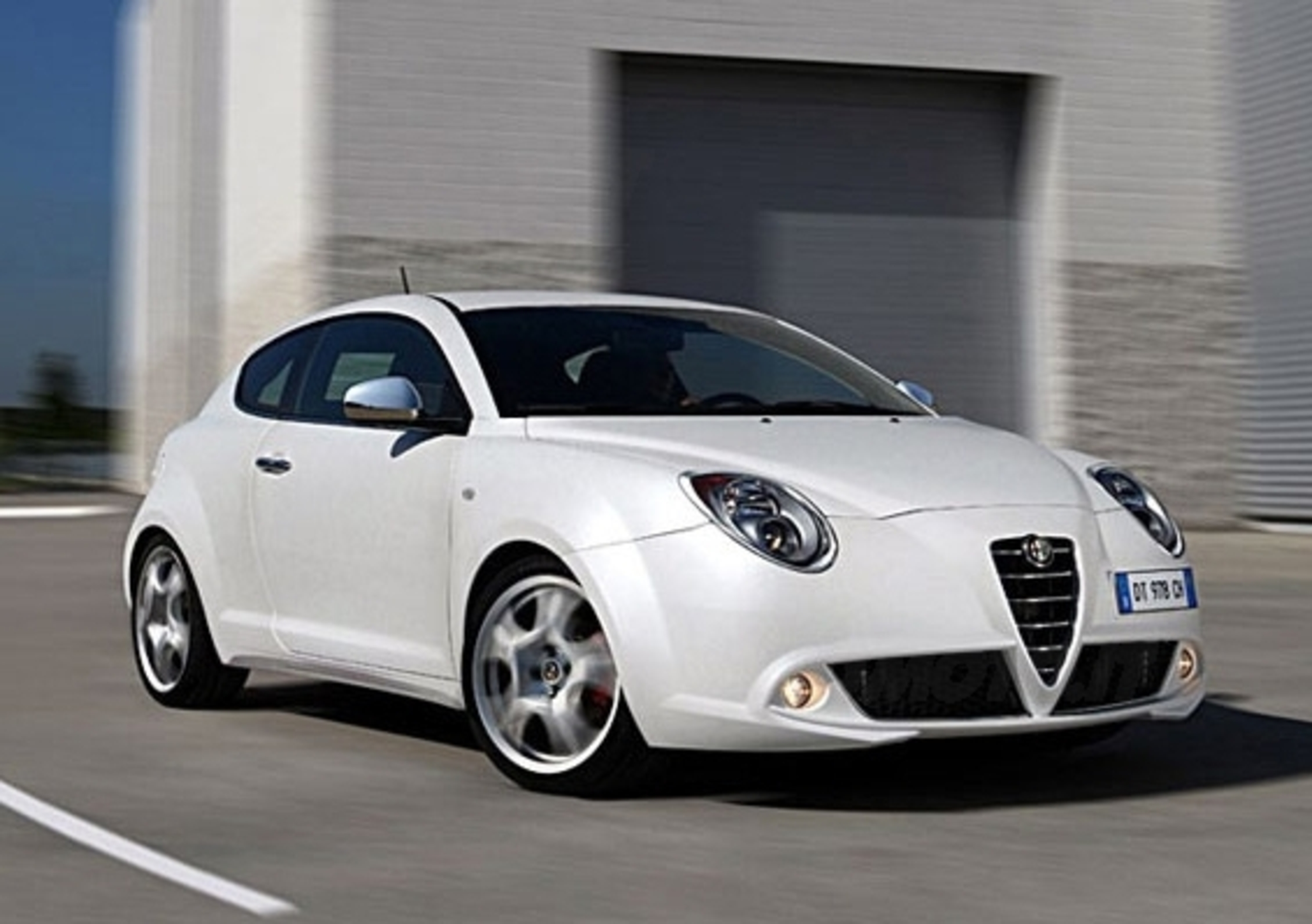
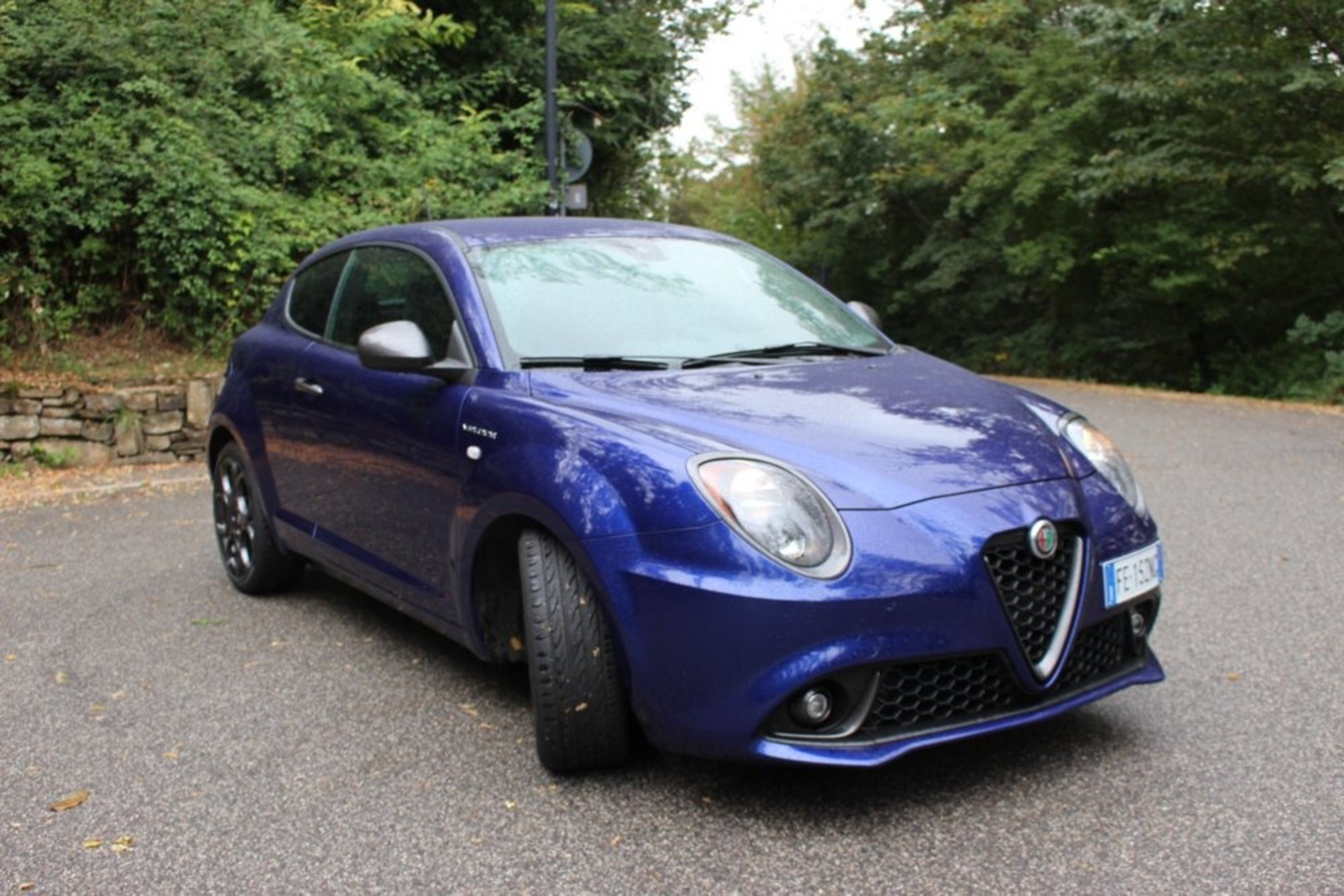
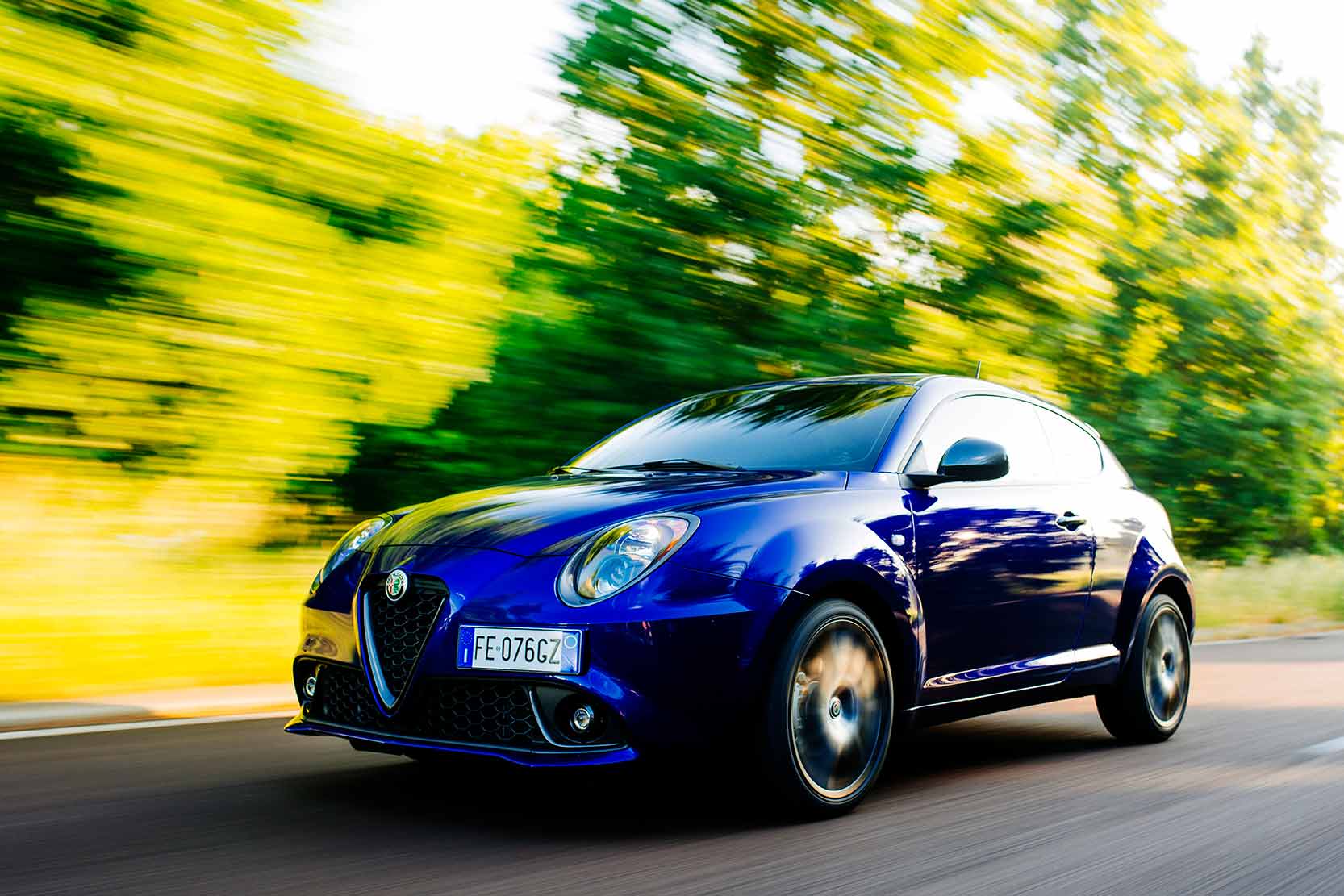
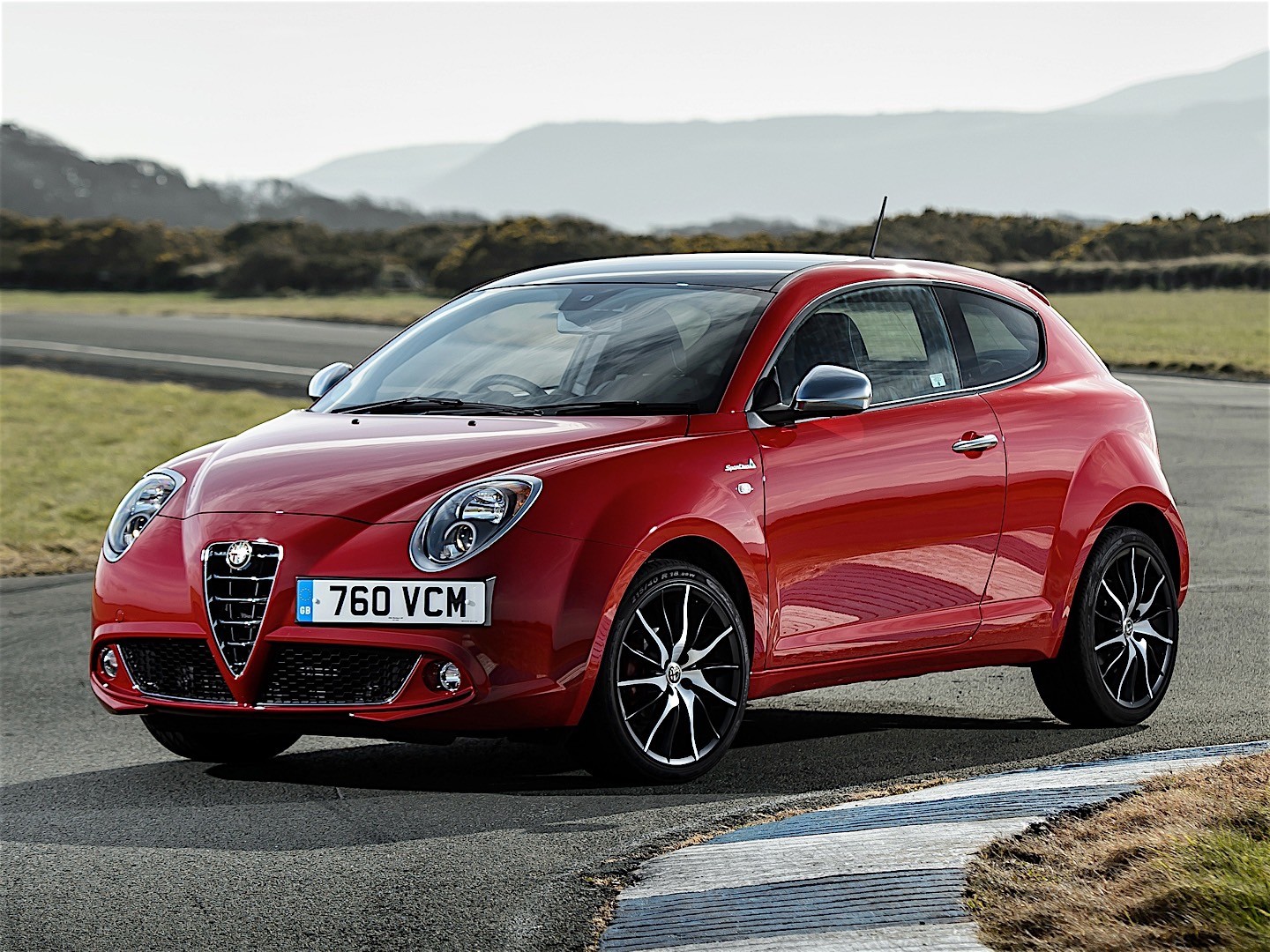
The Alfa Romeo MiTo 1.3 JTDM represents the brand's strategic intersection of Italian style and small-displacement diesel efficiency. As a premium B-segment hatchback, it utilizes Fiat’s MultiJet technology to deliver high fuel economy and low CO2 emissions, balanced by the brand's signature DNA drive-mode system to maintain a competitive market position against rivals like the MINI Cooper D and Audi A1.
The Engineering Philosophy of the MiTo 1.3 JTDM
To understand the Alfa Romeo MiTo 1.3 JTDM, one must first look at the platform and powertrain integration. Launched in 2008 and seeing various iterations until production ended in 2018, the MiTo (a portmanteau of Milano and Torino) was built on the Fiat Small Common Components and Systems (SCCS) platform. While shared with the Fiat Grande Punto, Alfa Romeo engineers applied significant modifications to the damping, steering rack, and electronic control systems to justify its premium positioning.
The 1.3-liter JTDM (Jet Turbo Diesel Multijet) engine is a masterpiece of small-capacity engineering. Developed by the Fiat-GM Powertrain joint venture, this engine has won numerous "International Engine of the Year" awards. In the MiTo, it was primarily available in 85 hp, 90 hp, and 95 hp configurations. The "Multijet" moniker refers to the common-rail injection system's ability to perform multiple injections per combustion cycle, which reduces noise, lowers emissions, and smoothens torque delivery.
By 2026, the MiTo 1.3 JTDM has transitioned from a showroom staple to a popular used-market choice for those seeking an "entry-level" Alfa Romeo experience. Its longevity is largely attributed to the robust nature of the cast-iron block and the efficiency of the MultiJet II fuel system, which was introduced in later models to further refine the combustion process.
Performance Characteristics and the DNA System
While a 1.3-liter diesel might not immediately suggest "performance" in the context of Alfa Romeo's sporting heritage, the MiTo employs several technical solutions to enhance the driving experience. The most significant is the Alfa DNA system, a three-mode selector that alters the car's personality.
The DNA Modes Explained
- Dynamic (D): This mode sharpens the throttle response, increases steering weight, and adjusts the Electronic Q2 differential settings. In the 1.3 JTDM, the engine's ECU allows for a brief overboost of torque, making the car feel significantly punchier during overtaking maneuvers.
- Natural (N): The default setting, optimized for daily driving. It balances fuel economy with a linear power delivery, making it ideal for urban environments.
- All-Weather (A): This mode increases the sensitivity of the VDC (Vehicle Dynamic Control) and ASR (Anti-Slip Regulation) systems, ensuring maximum traction on slippery surfaces like snow or heavy rain.
On the road, the 1.3 JTDM provides a respectable 0–60 mph time of approximately 11.5 to 12.5 seconds, depending on the specific horsepower output. However, the raw numbers don't tell the full story. The engine produces its peak torque (up to 200 Nm in the 95 hp version) as low as 1,500 RPM. This low-end grunt allows the MiTo to feel "zippy" in city traffic and surprisingly capable on the motorway, provided the driver remains within the engine's narrow power band.
Efficiency: The Core Strength of the MultiJet
The primary reason for selecting the 1.3 JTDM over the more powerful 1.6 JTDM or the MultiAir petrol variants was efficiency. Throughout its lifecycle, the 1.3 JTDM was consistently one of the most fuel-efficient cars in its class.
Fuel Economy and CO2 Emissions
The MiTo 1.3 JTDM was designed during an era when European tax regimes heavily favored low CO2 emissions. Many versions of the 1.3 JTDM-2 (the second generation of the engine) achieved CO2 ratings of less than 90g/km. In 2026, this remains relevant for owners in regions where older tax structures still apply or where low-emission zones are strictly enforced based on historical data.
Real-world fuel consumption typically hovers between 55 and 70 miles per gallon (MPG), depending on driving style and conditions. The inclusion of Start&Stop technology in later models further improved urban efficiency by cutting the engine at idle.
Technical Efficiency Factors:
- Variable Geometry Turbocharger (VGT): High-output versions (90 hp and 95 hp) utilize a VGT, which adjusts the aspect ratio of the turbo to provide boost across a wider RPM range, reducing "turbo lag" and improving efficiency under load.
- DPF and Euro Standards: Later 1.3 JTDM units meet Euro 5 and Euro 6 standards. Prospective buyers in 2026 must ensure they are looking at the Euro 6 versions (post-2015) if they wish to avoid daily charges in major European Clean Air Zones (CAZ) or the Ultra Low Emission Zone (ULEZ) in London.
Market Position and Competitive Landscape
When the MiTo was launched, it aimed to capture the "lifestyle" segment of the small car market. Alfa Romeo positioned it as a more soulful, Italian alternative to the somewhat clinical Audi A1 and the ubiquitous MINI Hatchback.
Comparison with Rivals
- Vs. MINI Cooper D: The MINI offered a more "go-kart" like handling experience but often came with a higher price tag and less standard equipment. The MiTo countered with more luggage space and a unique aesthetic that avoided the retro-cliché.
- Vs. Audi A1 TDI: The Audi was the benchmark for interior build quality. The MiTo, while stylish, used some harder plastics in the cabin. However, the MiTo’s 1.3 JTDM was often cheaper to insure and maintain than the Audi’s 1.6 TDI.
- Vs. Fiat 500: While the 500 shared the 1.3 MultiJet engine, the MiTo offered a significantly more "grown-up" driving experience with better high-speed stability and a more sophisticated electronic suite.
In the 2026 used market, the MiTo occupies a unique niche. It is often priced lower than a comparable MINI, making it an attractive proposition for younger drivers who want a car with "personality" without the premium tax associated with the German brands.
Technical Specifications Comparison
The following table outlines the key differences between the primary 1.3 JTDM variants found across the MiTo's production years.
| Specification | 1.3 JTDM (90 hp) | 1.3 JTDM-2 (85 hp) | 1.3 JTDM-2 (95 hp) |
|---|---|---|---|
| Years Produced | 2008–2010 | 2011–2015 | 2015–2018 |
| Max Power | 90 hp @ 4,000 RPM | 85 hp @ 3,500 RPM | 95 hp @ 3,750 RPM |
| Max Torque | 200 Nm @ 1,750 RPM | 200 Nm @ 1,500 RPM | 200 Nm @ 1,500 RPM |
| Top Speed | 111 mph (178 km/h) | 108 mph (174 km/h) | 112 mph (180 km/h) |
| 0-62 mph (100 km/h) | 11.8 Seconds | 12.9 Seconds | 12.5 Seconds |
| CO2 Emissions | 114 g/km | 90-95 g/km | 89-99 g/km |
| Euro Rating | Euro 4 | Euro 5 | Euro 6 |
Reliability and Maintenance in 2026
For a MiTo 1.3 JTDM to remain efficient and performant in 2026, specific maintenance protocols must be followed. The 1.3 MultiJet engine is generally reliable, but it has specific "pain points" that owners should be aware of.
The Timing Chain
Unlike many diesels of its era that used rubber timing belts, the 1.3 JTDM uses a timing chain. While theoretically designed to last the life of the engine, these chains are known to stretch if oil changes are neglected. Using the correct grade of fully synthetic oil (typically 5W-30 or 0W-30 meeting Fiat 9.55535-S1/S2 specs) is non-negotiable. If you hear a "rattling" sound upon cold startup, the chain and tensioners likely require immediate replacement.
Diesel Particulate Filter (DPF)
The 1.3 JTDM is fitted with a DPF to capture soot. These filters require regular "regeneration" cycles, which happen during sustained driving at higher speeds. If the MiTo is used exclusively for short city trips, the DPF will clog, leading to "limp mode" and expensive repairs. Owners in 2026 should ensure the car receives a 30-minute motorway run at least once every two weeks.
Suspension and Chassis
The MiTo's suspension is firm. Over time, the front suspension top mounts and drop links can wear out, leading to knocking sounds over bumps. Furthermore, the electronic power steering (EPS) motor is a known weak point on early models; any "heavy" steering or intermittent warning lights on the dashboard should be investigated immediately.
Buying Advice and Future Outlook
As we move through 2026, the Alfa Romeo MiTo 1.3 JTDM remains a compelling choice for the style-conscious commuter. When shopping for one, prioritize service history over mileage. A 100,000-mile car with a documented record of annual oil changes is often a better bet than a 50,000-mile car used solely for school runs.
Check for the operation of the DNA switch. Occasionally, the switch mechanism or the wiring can fail, preventing the car from entering Dynamic mode—which is where the 1.3 JTDM's character really shines. Also, inspect the paintwork carefully; the MiTo is prone to stone chips on the flared rear wheel arches, a common trait of its wide-hipped Italian design.
In the broader context of automotive history, the MiTo 1.3 JTDM stands as a testament to the era of "right-sizing." It proved that a small diesel engine didn't have to be dull, and that efficiency could be packaged in a body that was genuinely beautiful to look at.
Frequently Asked Questions
Is the Alfa Romeo MiTo 1.3 JTDM ULEZ compliant?
Only the later models are generally compliant. Most 1.3 JTDM engines produced from September 2015 onwards meet the Euro 6 emissions standard, which is typically required for ULEZ and other Clean Air Zones. You must check the specific V5C document of the vehicle to verify its Euro status before driving in restricted zones.
Does the 1.3 JTDM engine have a timing belt or a chain?
The 1.3 JTDM engine uses a timing chain. While this reduces the need for frequent belt changes, the chain must be monitored. To prevent chain stretch, it is vital to change the oil and filter every 10,000 miles or once a year, using the exact oil specification recommended by Alfa Romeo.
What is the "Q2" system mentioned in the performance specs?
In the MiTo 1.3 JTDM, the "Electronic Q2" is a system that mimics a limited-slip differential. It uses the braking system to slow down the inside front wheel during cornering. This transfers torque to the outside wheel, significantly reducing understeer and improving traction, especially when driving in "Dynamic" mode on twisty roads.
Why is my MiTo 1.3 JTDM's fuel economy lower than the advertised 80+ MPG?
The advertised figures were based on the NEDC (New European Driving Cycle) testing, which was notoriously optimistic. In real-world 2026 driving conditions, you should expect between 55 and 65 MPG for mixed driving. Factors such as roof racks, under-inflated tires, or a clogged DPF will further reduce efficiency.
Are parts still easy to find for the MiTo in 2026?
Yes. Because the MiTo shares its platform and engine with the Fiat Grande Punto and various other Stellantis (formerly FCA) vehicles, mechanical parts are widely available and relatively affordable. Specific body panels or interior trim pieces for the Alfa Romeo can be more difficult to source but are generally available through specialist dismantlers and Italian car enthusiasts' networks.
Practical Recommendation
For those looking to purchase an Alfa Romeo MiTo 1.3 JTDM in 2026, the 95 hp JTDM-2 (Euro 6) variant is the most logical choice. It offers the best balance of performance and efficiency, avoids the majority of city emission charges, and benefits from the final refinements made to the model's build quality. Always perform a diagnostic scan to check for DPF saturation levels and ensure the DNA system transitions smoothly between modes before finalizing a purchase.