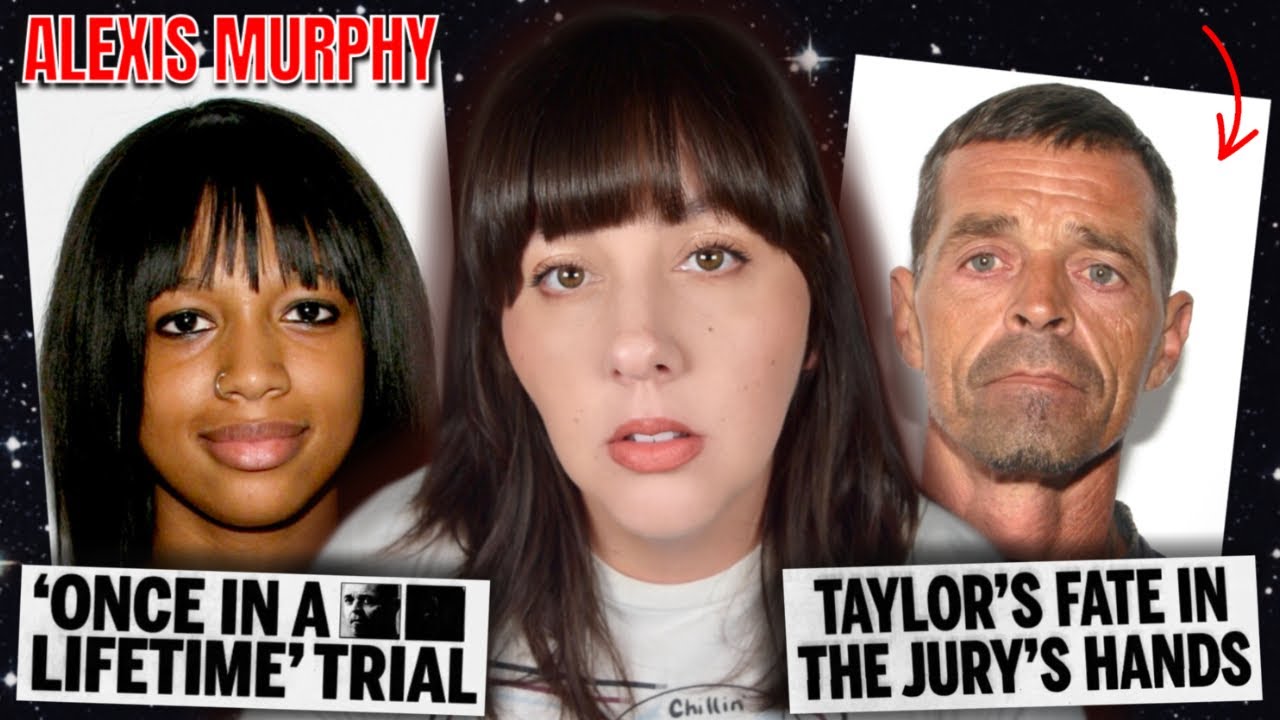
The disappearance of Alexis Tiara Murphy, a 17-year-old high school student from Shipman, Virginia, remains a significant case in the annals of missing persons investigations. Vanishing on August 3, 2013, after last being seen at a gas station in Lovingston, her case transitioned from a missing person inquiry to a homicide investigation, eventually leading to the trial and conviction of Randy Allen Taylor.
Background and Context
Alexis Tiara Murphy was a vibrant teenager residing in Nelson County, Virginia. At the time of her disappearance in 2013, she was preparing to begin her senior year of high school. Her case drew widespread attention not only within Virginia but across the United States, as it highlighted the vulnerabilities faced by young people in rural settings and the complexities of law enforcement investigations involving abduction and homicide without an immediately recovered body.
The investigation into her whereabouts began shortly after she failed to reach her destination on August 3. She had been driving her white 2003 Nissan Maxima toward Lynchburg, Virginia, a trip that would typically take her through parts of Nelson County. When she did not arrive, her family contacted the authorities, setting in motion a search that would involve state and federal resources.
Timeline of the Investigation and Discovery
The investigation centered on the Liberty gas station in Lovingston, where surveillance footage captured Murphy interacting with a man later identified as Randy Allen Taylor. The footage showed Murphy appearing to speak with Taylor near the fuel pumps. Following this sighting, her vehicle was later discovered abandoned in a parking lot in Albemarle County, miles away from where she was last seen.
The forensic analysis of the vehicle and the tracking of Taylor’s movements became the primary focus for investigators. Evidence recovered from Taylor’s camper, located near the gas station, provided the critical link needed to establish that a crime had occurred. Forensic teams discovered items belonging to Murphy inside the residence, which contradicted Taylor’s initial claims regarding his lack of involvement or brief interaction with the teenager.
Legal Proceedings and Trial
The trial of Randy Allen Taylor took place in 2014 in Nelson County Circuit Court. The prosecution, led by the Commonwealth’s Attorney, faced the unique challenge of securing a conviction for murder without the presence of the victim’s body, which had not been located at that time.
During the proceedings, the defense attempted to cast doubt on the physical evidence and the circumstances of the interaction at the gas station. However, the accumulation of forensic data, combined with witness testimony and surveillance evidence, proved decisive. In May 2014, the jury found Taylor guilty of first-degree murder and abduction. He was subsequently sentenced to two consecutive life terms in prison.
The Recovery of Remains
The search for Alexis Murphy continued long after the conclusion of the criminal trial. For years, her family and the community lived with the uncertainty of her final resting place. In February 2021, nearly eight years after she disappeared, the investigation reached a resolution of sorts when human remains were discovered in a rural area of Nelson County.
Forensic anthropologists and state medical examiners utilized dental records and DNA analysis to positively identify the remains as those of Alexis Tiara Murphy. This discovery provided a degree of closure for her family, allowing them to hold a formal burial service. The recovery site, which had been searched previously, emphasized the immense difficulty of conducting searches in the dense, rugged terrain characteristic of the Blue Ridge Mountains region.
Impact on Regional Law Enforcement Practices
The Murphy case prompted a reevaluation of how authorities in rural Virginia approach missing persons cases, particularly those involving potential abductions. The transition from a missing person report to a major criminal investigation requires immediate coordination between local sheriff's offices, the Virginia State Police, and federal agencies.
One of the lasting legacies of the case is the emphasis on high-quality surveillance infrastructure in rural transit hubs. The clear imagery provided by the Liberty gas station’s security system was the single most important factor in identifying the suspect. Since 2013, many rural businesses have upgraded their security hardware, and law enforcement agencies have placed a higher priority on the rapid dissemination of surveillance data to the public and media partners.
Challenges in "No-Body" Homicide Cases
Cases where a conviction is secured without the recovery of remains are rare and legally complex. They require a high burden of proof that a death occurred despite the lack of a corpse. The prosecution must rely heavily on:
- Circumstantial Evidence: Establishing a clear timeline of events that precludes any alternative explanation.
- Forensic Ties: Linking the victim’s DNA or personal property to the defendant's immediate environment.
- Behavioral Consistency: Proving that the victim’s sudden disappearance was uncharacteristic and consistent with an involuntary act.
The Murphy trial remains a frequently cited example in legal studies regarding the efficacy of forensic evidence in the absence of a primary crime scene involving a body.
Comparison of Key Investigation Phases
| Phase | Duration/Focus | Outcome |
|---|---|---|
| Initial Search | August 2013 | Recovery of abandoned vehicle in Albemarle County. |
| Suspect Detention | August 2013 | Arrest of Randy Allen Taylor based on forensic evidence. |
| Criminal Trial | 2014 | Conviction of Taylor on murder and abduction charges. |
| Remains Recovery | February 2021 | Identification of remains via forensic testing. |
Frequently Asked Questions
Where was Alexis Murphy last seen? Alexis Murphy was last seen on August 3, 2013, at the Liberty gas station in Lovingston, Virginia. Surveillance footage captured her interacting with Randy Allen Taylor before she left the station in her vehicle.
Why was the recovery of her remains delayed? The search for Alexis Murphy was complicated by the vast, mountainous, and heavily forested terrain of Nelson County. Despite extensive ground and aerial searches conducted by multiple law enforcement agencies over several years, the specific location of the remains was not identified until 2021.
What was the legal outcome for Randy Allen Taylor? Randy Allen Taylor was convicted of first-degree murder and abduction in 2014. He was sentenced to two consecutive life sentences in the Virginia state prison system, where he remains incarcerated as of 2026.
How was the identification confirmed? Following the discovery of remains in 2021, forensic scientists used a combination of dental record comparisons and DNA analysis. These methods provide a high degree of scientific certainty required by law to officially declare the identity of a deceased person.
What should families do in the event of a missing person? If a loved one goes missing, contact local law enforcement immediately. There is no mandatory waiting period for filing a missing person report. Provide the police with a recent photograph, a list of known associates, recent social media activity, and information regarding the person's vehicle or phone location capabilities.
Current Status and Next Actions
As of 2026, the legal status of the case is closed regarding the criminal conviction of the perpetrator. The focus for those affected by the tragedy has shifted toward remembrance and the continued support of advocacy groups that focus on missing persons and human safety.
If you are currently researching this case for academic or journalistic purposes, you may consult the public archives of the Nelson County Circuit Court for redacted transcripts of the 2014 proceedings. For those interested in the broader subject of missing persons, the National Missing and Unidentified Persons System (NamUs) serves as a critical resource for maintaining records and providing analytical support to families and investigators across the United States.