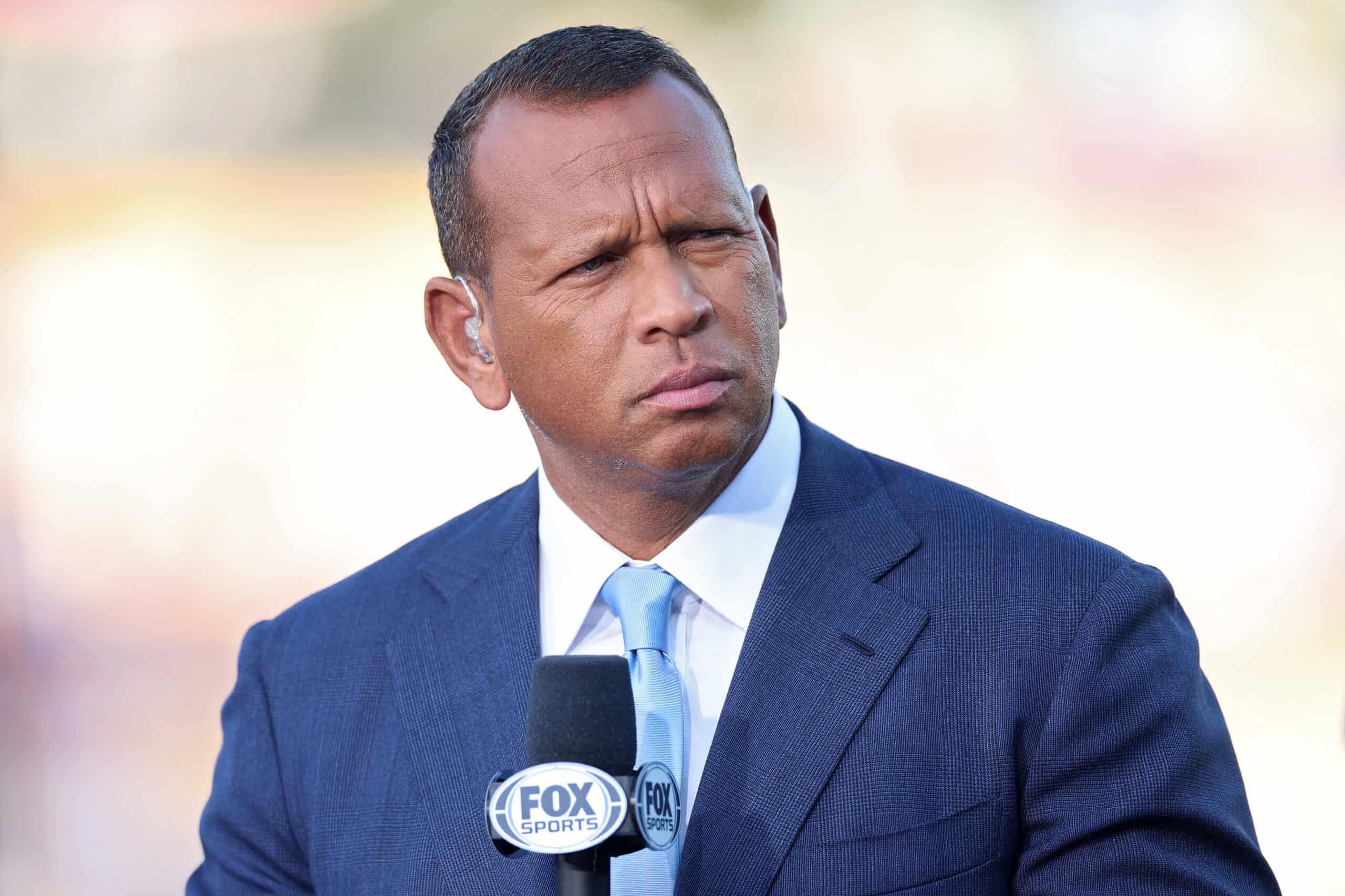
Alex Rodriguez’s journey from a young athlete in Miami to a titan of the sports business world provides a blueprint for the current evolution of youth athletics. By leveraging his personal history and his multi-billion dollar investment portfolio through A-Rod Corp, Rodriguez is actively addressing the fragmentation of youth sports, focusing on technological integration, coaching quality, and broadening access for underserved communities in 2026.
Alex Rodriguez—often known simply as A-Rod—occupies a unique space in the sports landscape of 2026. While many remember him for his storied and often scrutinized MLB career, his most enduring legacy may ultimately be written in the dirt of youth baseball diamonds and the digital infrastructure of modern athletic training. To understand the "future of youth sports," one must first examine the "young" Alex Rodriguez, whose early experiences as a child of a single mother in Miami shaped his philosophy on mentorship, accessibility, and the commercialization of talent.
The youth sports industry has transformed from a localized, recreational pastime into a sophisticated, global economy valued at over $35 billion in 2026. In this high-stakes environment, Rodriguez has positioned himself not just as a former player, but as a strategic architect. His influence spans from grassroots investments in coaching technology to high-level ownership in professional franchises like the Minnesota Timberwolves, creating a vertical pipeline that connects young athletes to the professional dream.
The Formative Years: How "Young" Alex Rodriguez Shaped the Vision
The narrative of Alex Rodriguez as a young athlete is fundamental to his current business thesis. Growing up in Miami, Florida, Rodriguez was a product of the Boys & Girls Clubs of America. This environment provided more than just a place to play; it provided structure, coaching, and a reprieve from the financial pressures facing his family.
In the early 1990s, the path for a young phenom like Rodriguez was relatively straightforward: stand out in high school, dominate the local circuit, and catch the eye of professional scouts. However, Rodriguez witnessed firsthand how many of his peers fell through the cracks due to a lack of resources or guidance. This "access gap" is the primary problem he seeks to solve today. He often cites his early years at Westminster Christian High School as the period where he realized that elite talent requires elite infrastructure to survive the transition to the professional level.
As we look at the youth sports landscape in 2026, the barriers that existed in Rodriguez’s youth have only intensified. What was once a community-driven model has become a "pay-to-play" system. By looking back at his own humble beginnings, Rodriguez has identified that the future of the industry depends on digitizing the "Boys & Girls Club" experience—making high-level coaching and scouting available to those who cannot afford expensive private academies.
The Professionalization of Youth Sports in 2026
The year 2026 marks a turning point in how youth sports are managed. The industry is no longer a collection of disparate local leagues; it is a consolidated marketplace where data, analytics, and professional-grade management are the standard. Alex Rodriguez has been a vocal proponent of this professionalization, arguing that youth sports should be treated with the same operational rigor as any other asset class.
One of the primary drivers of this change is the "travel ball" phenomenon. Families now spend thousands of dollars annually on tournament fees, specialized coaching, and specialized equipment. Rodriguez’s investment strategy reflects this reality. Through A-Rod Corp, he has focused on consolidating the fragmented youth sports market. This involves investing in facilities that serve as "multi-sport hubs," reducing the logistical burden on families while providing a standardized level of quality.
The Rise of the "Athlete-Entrepreneur" Pipeline
In the current 2026 climate, the distinction between a "young athlete" and a "brand" has blurred. With Name, Image, and Likeness (NIL) regulations now firmly established even at the high school level in many jurisdictions, young athletes are required to navigate complex financial and legal waters earlier than ever.
Rodriguez has been at the forefront of educating young athletes on this transition. He views the future of youth sports as a training ground not just for physical performance, but for financial literacy. His involvement in media and finance serves as a curriculum for the next generation, emphasizing that a career in sports is a platform for lifelong business ventures.
Technological Integration: Scaling Elite Coaching
A central pillar of the future of youth sports is the democratization of elite coaching through technology. During Rodriguez’s youth, access to a "pro-style" coach was a matter of geographic luck. Today, Rodriguez is a major investor in platforms like Mojo, which aim to put a "world-class coach in the pocket" of every parent and volunteer.
The problem Rodriguez is solving here is the "volunteer gap." Most youth sports are coached by well-meaning parents who lack technical expertise. This often leads to burnout, injury, or a lack of skill development. By backing AI-driven coaching apps, Rodriguez is helping to standardize the curriculum of youth sports. These platforms provide practice plans, video tutorials, and psychological tools that were once exclusive to professional organizations.
Furthermore, the integration of wearable technology and biometric tracking has moved from the MLB and NBA down to the U-12 level. In 2026, young athletes are using sensors to track bat speed, pitch velocity, and metabolic load. Rodriguez’s partnerships with tech firms ensure that this data is not just collected but analyzed in a way that prevents the "over-use" injuries that have plagued youth sports for the last decade.
Breaking the "Zip Code" Barrier: Accessibility and Diversity
Despite the commercial success of the industry, Rodriguez remains vocal about the "gentrification" of youth sports. When the cost of participation rises, diversity declines. In 2026, the correlation between household income and athletic participation remains a significant challenge for the future of the United States' sporting dominance.
Rodriguez has utilized his platform to advocate for urban youth programs that mimic the support system he had as a "young" player in Miami. This involves:
- Subsidized Programming: Partnering with corporate sponsors to offset the costs of equipment and travel for low-income leagues.
- Facility Revitalization: Investing in the physical infrastructure of inner-city parks, ensuring that "zip code" does not dictate the quality of the playing surface.
- Scholarship Pipelines: Creating direct links between youth programs and collegiate recruiters, ensuring that talent is seen regardless of the family's ability to pay for showcase events.
By focusing on these areas, Rodriguez is attempting to ensure that the "future" of youth sports includes the demographic that originally made sports the "great equalizer."
Comparative Analysis: Youth Sports Evolution (2000 vs. 2026)
The following table illustrates the dramatic shift in the youth sports landscape from the time Alex Rodriguez was establishing himself as a young pro to the current 2026 reality.
| Feature | Youth Sports (Circa 2000) | Youth Sports (2026) |
|---|---|---|
| Primary Goal | Physical education and recreation | Elite development and "brand" building |
| Coaching Source | Local volunteers/parents | Certified professionals and AI-driven apps |
| Economic Model | Localized, low-cost registration | National "pay-to-play" travel circuits |
| Technology | VHS tape review (rare) | Real-time biometric tracking and AI analytics |
| Recruitment | Physical scouting and mailers | Digital portfolios and NIL-driven marketplaces |
| Access | Broadly accessible in public parks | Highly stratified by household income |
| Injury Management | "Play through the pain" | Data-backed load management and recovery |
The Ownership Influence: From the Timberwolves to the Grassroots
In 2026, Alex Rodriguez’s role as an owner of the Minnesota Timberwolves and Lynx provides him with a unique lever to influence youth sports. Professional teams are increasingly looking at youth academies as part of their long-term "R&D" (Research and Development).
Under Rodriguez’s influence, the Timberwolves have expanded their regional youth clinics to include sophisticated talent identification programs. This mimics the European soccer academy model, where young players are brought into a professional ecosystem early. Rodriguez argues that this is the future of American sports: a move away from the chaotic, uncoordinated youth systems toward a streamlined, professionalized path.
This "vertical integration" allows Rodriguez to apply the lessons he learned as a young player—specifically the importance of high-level mentorship—to thousands of kids in the Midwest. He is not just looking for the next NBA star; he is building a brand loyalist base and a healthier community, both of which are essential for the financial health of a professional franchise.
Challenges and Ethical Considerations in the New Era
The future of youth sports is not without its controversies, and Rodriguez’s vision is often at the center of these debates. Critics argue that the professionalization of childhood leads to increased mental health issues and "early specialization" burnout.
Rodriguez has responded to these concerns by emphasizing "holistic development." In 2026, the most successful youth programs are those that incorporate mental health coaching and "life skills" training. Rodriguez often speaks about his own mistakes—both on and off the field—as a cautionary tale for young athletes. He advocates for a system where the "person" is developed alongside the "player."
Another major challenge is the "NIL gold rush." With high schoolers signing million-dollar deals, the purity of youth sport is under threat. Rodriguez’s approach is one of pragmatic regulation. He supports the right of young athletes to profit from their labor but insists on strict financial oversight and "trust fund" models that protect young athletes from predatory agents.
Frequently Asked Questions
How did Alex Rodriguez’s youth influence his business decisions in sports?
Rodriguez’s upbringing in a single-parent household in Miami, where he relied on the Boys & Girls Club, made him acutely aware of the "access gap." He now focuses his investments on making elite coaching and facilities more accessible and technologically efficient, ensuring that talent isn't lost due to financial constraints.
What is the estimated value of the youth sports market in 2026?
By 2026, the youth sports market is estimated to be worth over $35 billion globally. This growth is driven by the professionalization of travel leagues, the rise of specialized training facilities, and the integration of high-tech scouting and coaching tools.
What role does technology play in the future of youth sports according to A-Rod?
Rodriguez views technology as a great equalizer. Through investments in AI-driven coaching apps and biometric tracking, he believes that professional-level guidance can be delivered to any athlete with a smartphone, regardless of their location or the expertise of their local volunteer coach.
How are NIL deals impacting youth sports in 2026?
NIL (Name, Image, and Likeness) has trickled down to the high school level, allowing young athletes to monetize their brands early. Rodriguez advocates for a balanced approach that combines these financial opportunities with mandatory financial literacy education to prevent exploitation.
What is the "professionalization" of youth sports?
It refers to the shift from informal, community-based recreation to a structured industry characterized by paid professional coaches, national tournament circuits, and data-driven talent identification systems, much like the professional sports world.
Summary of Next Actions for Parents and Coaches
As we navigate the landscape of youth sports in 2026, the influence of figures like Alex Rodriguez suggests a move toward more structured, tech-heavy, and professionalized environments. For parents and coaches looking to keep pace with this evolution, several steps are recommended:
- Prioritize Quality Over Quantity: Instead of joining every travel tournament, focus on programs that offer certified coaching and a clear development curriculum.
- Embrace "Hybrid" Coaching: Utilize AI-driven apps to supplement in-person training. These tools provide the technical breakdown that volunteer coaches may lack.
- Monitor Physical Load: Use modern tracking tools to ensure young athletes are not over-training, which is the leading cause of "early-exit" injuries in the current era.
- Focus on Financial and Digital Literacy: For elite young athletes, understanding how to manage their digital presence and potential NIL earnings is now as important as their batting average or vertical leap.
The "young" Alex Rodriguez was a product of a system that worked for him but failed many others. The "2026" Alex Rodriguez is working to ensure the future system is more robust, more efficient, and more inclusive for the next generation of athletes.