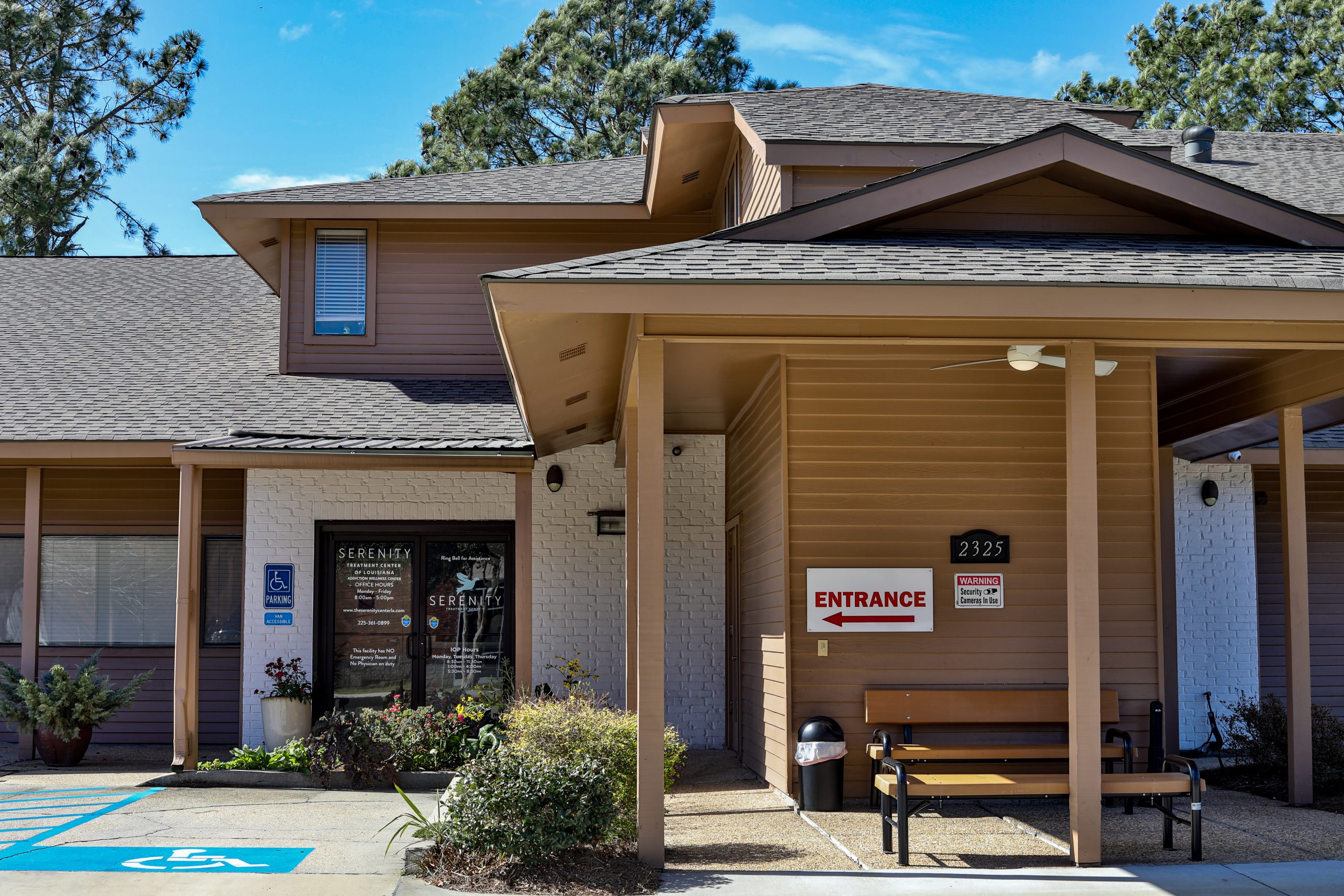
Alcoholism recovery centers provide structured clinical environments designed to help individuals overcome Alcohol Use Disorder (AUD). These facilities offer various levels of care, including medically supervised detoxification, residential treatment, and intensive outpatient programs, integrating evidence-based therapies and medical supervision to facilitate long-term sobriety and sustainable mental health stabilization.
Understanding the Clinical Framework of Alcoholism Recovery Centers
Selecting an alcoholism recovery center is a significant clinical decision that involves understanding the different tiers of care available. In 2026, the landscape of addiction medicine has shifted toward a more integrated approach, where physical detoxification is only the first step in a multi-phasic journey. Recovery centers are not merely "rehabs"; they are specialized medical and psychological institutions designed to treat the neurological and behavioral aspects of addiction.
The primary goal of a recovery center is to move a patient from a state of physical dependence and psychological distress to a state of self-governed maintenance. This is achieved through the American Society of Addiction Medicine (ASAM) levels of care, which dictate the intensity of service based on the patient’s specific needs.
Residential vs. Outpatient Care
The first major distinction a family or individual must make is between residential (inpatient) and outpatient services. Residential treatment involves 24-hour supervision in a controlled environment. This is often necessary for those with severe AUD, a history of relapses, or unstable living environments. In 2026, residential centers have become increasingly specialized, often offering tracks for professionals, veterans, or individuals with specific co-occurring disorders.
Outpatient programs, including Partial Hospitalization Programs (PHP) and Intensive Outpatient Programs (IOP), allow the individual to live at home while attending several hours of therapy daily or weekly. These are suitable for individuals with a strong support system and a lower risk of severe withdrawal symptoms.
Disclaimer: This article is for informational purposes only and does not constitute medical advice. Always seek the advice of a physician or other qualified health provider with any questions regarding a medical condition or substance use disorder.
Key Components of Evidence-Based Treatment
When evaluating an alcoholism recovery center, it is essential to verify that the facility utilizes evidence-based practices (EBPs). These are treatment methods that have been scientifically tested and proven effective in peer-reviewed clinical studies.
Medically Supervised Detoxification
The initial phase of recovery is often the most dangerous. Alcohol withdrawal can lead to life-threatening conditions such as Delirium Tremens (DTs) or grand mal seizures. A high-quality recovery center will provide 24/7 medical monitoring during the detox phase. Clinicians in 2026 utilize advanced tapering protocols and monitoring technology to ensure patient safety and comfort. The goal is to stabilize the patient's vitals while clearing the body of toxins.
Behavioral Therapies
Once stabilized, the focus shifts to the psychological roots of addiction. The most effective centers employ a variety of modalities:
- Cognitive Behavioral Therapy (CBT): Focuses on identifying and changing the thought patterns that lead to drinking.
- Dialectical Behavior Therapy (DBT): Useful for emotional regulation and managing the interpersonal stressors that often trigger a relapse.
- Motivational Interviewing (MI): A patient-centered approach that helps individuals resolve ambivalence about sobriety and find internal motivation for change.
Medication-Assisted Treatment (MAT)
In 2026, Medication-Assisted Treatment (MAT) is widely recognized as a gold standard for AUD. Recovery centers may prescribe FDA-approved medications such as Naltrexone, Acamprosate, or Disulfiram. These medications work by reducing cravings or blocking the euphoric effects of alcohol, significantly increasing the chances of long-term success when combined with therapy.
Accreditation and Quality Standards
Not all alcoholism recovery centers are equal. To ensure safety and efficacy, one must look for specific accreditations. These certifications indicate that the facility undergoes regular inspections and adheres to strict clinical and operational guidelines.
- The Joint Commission (JCAHO): This is the "Gold Seal of Approval" in healthcare. It ensures the facility meets rigorous standards for patient safety and quality of care.
- CARF International: The Commission on Accreditation of Rehabilitation Facilities focuses on the outcomes and the value of the services provided.
- State Licensing: Every legitimate center must be licensed by the state's department of health or behavioral health.
- LegitScript Certification: For online verification, this certification ensures that the facility is a legally operating medical entity.
Comparing Levels of Care in Recovery Centers
The following table outlines the different levels of care typically found within a comprehensive alcoholism recovery center in 2026.
| Level of Care | Intensity | Setting | Best Suited For |
|---|---|---|---|
| Medical Detox | 24/7 Medical Supervision | Hospital or Clinical Unit | Severe physical dependence; risk of dangerous withdrawal. |
| Residential (Inpatient) | High (24/7) | Live-in facility | High relapse risk; unstable home life; co-occurring mental health issues. |
| Partial Hospitalization (PHP) | Medium-High (5-7 days/week) | Clinical facility (Daytime) | Transitioning from inpatient; requires structure but has safe housing. |
| Intensive Outpatient (IOP) | Medium (9-15 hours/week) | Clinical facility (Evening/Day) | Working professionals; those with strong family support systems. |
| Standard Outpatient | Low (1-3 hours/week) | Office or Telehealth | Long-term maintenance and relapse prevention. |
Navigating Costs and Insurance Coverage
The cost of an alcoholism recovery center can range from a few thousand dollars to upwards of $50,000 for luxury residential programs. In 2026, insurance coverage for addiction treatment is protected under federal parity laws, which require insurance companies to treat mental health and substance use disorders similarly to physical ailments.
Commercial Insurance and ACA Plans
Most private insurance plans cover at least a portion of detox and residential treatment. However, the level of coverage often depends on "medical necessity." A clinical assessment by the recovery center’s intake team is usually required to justify the level of care to the insurance provider. It is vital to check whether the facility is In-Network or Out-of-Network, as this significantly impacts out-of-pocket costs.
Public Assistance and Sliding Scales
For those without private insurance, many recovery centers receive funding through SAMHSA (Substance Abuse and Mental Health Services Administration) or state block grants. These facilities may offer services on a sliding fee scale based on income. Additionally, Medicaid and Medicare coverage for substance abuse treatment has expanded by 2026, though not all private facilities accept these forms of payment.
The Admission Process: What to Expect
Entering a recovery center is a structured process designed to ensure the safety of the individual and the community. The timeline generally follows these steps:
- Initial Inquiry and Prescreening: A brief phone call to determine if the facility can meet the patient's clinical needs.
- Clinical Assessment: A comprehensive evaluation by a licensed therapist or nurse to determine the appropriate ASAM level of care.
- Insurance Verification: The center’s financial department confirms coverage and provides an estimate of costs.
- Intake and Orientation: Upon arrival, the patient undergoes a medical exam, a search of belongings for contraband, and an introduction to the facility rules and schedule.
- Treatment Planning: The clinical team develops a personalized plan including specific goals, therapy types, and a tentative discharge date.
Dual Diagnosis: Treating the Whole Person
A critical advancement in recovery centers by 2026 is the widespread adoption of Dual Diagnosis treatment. A large percentage of individuals with AUD also suffer from underlying mental health conditions such as depression, anxiety, PTSD, or bipolar disorder.
If a recovery center only treats the alcoholism without addressing the co-occurring mental health disorder, the likelihood of relapse is high. The best centers utilize an integrated approach where both the addiction and the mental health condition are treated simultaneously by a multidisciplinary team of psychiatrists, psychologists, and addiction counselors.
Life After the Recovery Center: Aftercare and Alumni Support
Recovery does not end upon discharge from a residential program. In fact, the first 90 days post-treatment are the most critical for maintaining sobriety. High-quality alcoholism recovery centers prioritize Aftercare Planning.
Sober Living Environments
For many, returning directly to their previous environment is a recipe for relapse. Sober living houses provide a drug-and-alcohol-free living space with peer support and accountability. These are often recommended as a bridge between residential care and full independence.
Ongoing Support Groups
Recovery centers often facilitate or recommend participation in support groups. While 12-step programs like Alcoholics Anonymous (AA) remain a cornerstone for many, 2026 has seen a rise in popular alternatives such as SMART Recovery, which uses secular, cognitive-based tools, and Refuge Recovery, which integrates Buddhist principles.
Telehealth and Digital Monitoring
By 2026, many centers integrate digital aftercare. This includes wearable technology that monitors physiological stress markers and mobile apps that provide instant access to counselors or peer support networks during moments of high craving.
Frequently Asked Questions
How long does treatment usually last?
Treatment duration is highly individualized. While the "30-day program" was once the standard, clinical research from the National Institute on Alcohol Abuse and Alcoholism (NIAAA) suggests that longer durations—typically 90 days across different levels of care—lead to significantly better outcomes.
Can I lose my job for going to a recovery center?
In many cases, the Americans with Disabilities Act (ADA) and the Family and Medical Leave Act (FMLA) provide job protections for individuals seeking treatment for addiction. It is advisable to consult with a legal professional or your Human Resources department to understand your specific rights and protections.
What is the difference between a "dry" facility and a medical recovery center?
A "dry" facility might simply be a sober living house or a peer-run shelter that does not offer medical or clinical services. An alcoholism recovery center is a licensed medical facility with doctors, nurses, and licensed therapists who provide clinical interventions.
What should I pack for a residential recovery center?
Most centers have strict lists. Generally, you should bring comfortable clothing, basic toiletries (without alcohol content), and a limited amount of cash. Most facilities prohibit electronics with internet access, such as smartphones, during the initial phase of treatment to encourage focus on the recovery process.
Can my family visit me?
Most centers encourage family involvement through scheduled visitation and family therapy sessions. However, many facilities implement a "blackout period" during the first week to allow the patient to stabilize and integrate into the community without outside distractions.
Practical Recommendation for Next Actions
If you or a loved one is struggling with alcohol use, the first step is to obtain a professional clinical assessment. Do not attempt to detox at home if there is a history of heavy, daily use, as withdrawal can be fatal.
Contact a verified recovery center or use the SAMHSA National Helpline to find accredited facilities in your area. When speaking with admissions, ask specifically about their JCAHO accreditation, their ratio of medical staff to patients, and their protocols for treating co-occurring mental health disorders. Early intervention is the most effective way to prevent the long-term health consequences of alcoholism and begin the journey toward a stable, sober life.