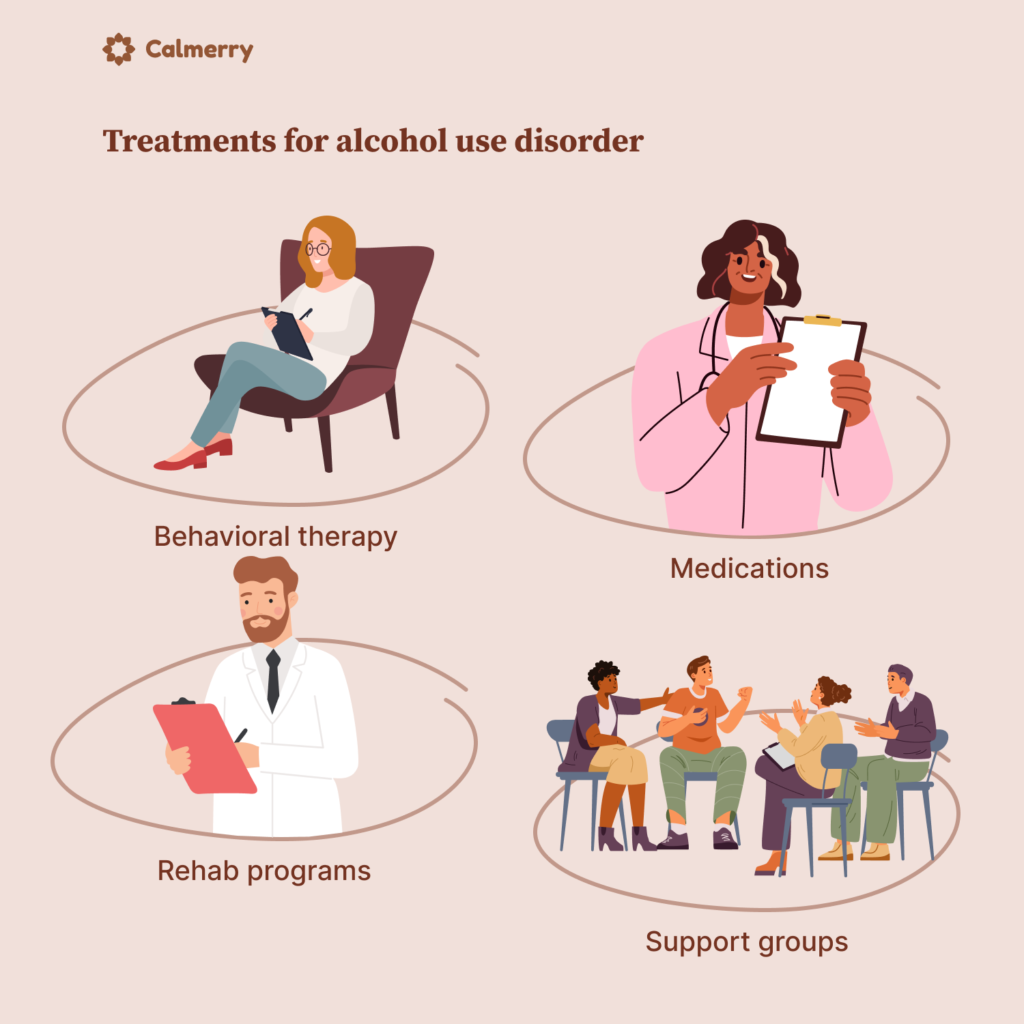
Accessing alcohol treatment in Arizona involves navigating a structured continuum of care that includes medically supervised detoxification, residential rehabilitation, and intensive outpatient programs. Residents can utilize private insurance, out-of-pocket payments, or the state’s Medicaid program (AHCCCS) to fund treatment at facilities licensed by the Arizona Department of Health Services (ADHS).
The decision to seek treatment for alcohol use disorder (AUD) is often a high-stakes process influenced by medical necessity, financial capacity, and legal requirements. In Arizona, the treatment landscape is characterized by a high concentration of nationally recognized facilities in the Phoenix and Tucson metropolitan areas, alongside expanding telehealth services for rural communities. As of 2026, the state remains a hub for "destination rehab," attracting individuals from across the country due to its climate and the density of specialized behavioral health professionals.
Understanding the Continuum of Care in Arizona
Alcohol treatment is not a singular event but a multi-stage process designed to address the physiological and psychological aspects of addiction. In Arizona, facilities are categorized by the level of intensity they provide, adhering to the American Society of Addiction Medicine (ASAM) criteria.
Medically Supervised Detoxification
For many, the first step is detoxification. Alcohol withdrawal can be life-threatening, involving symptoms such as seizures or delirium tremens (DTs). In Arizona, clinical detox centers provide 24-hour medical monitoring and pharmacological interventions to stabilize patients. Most detox programs in the state last between three to seven days. It is critical to note that detox alone is rarely sufficient for long-term recovery; it is strictly the physiological clearing of the substance.
Residential (Inpatient) Rehabilitation
Residential treatment provides a controlled environment where patients live at the facility for 30 to 90 days. Arizona is known for its "resort-style" facilities in Scottsdale and Sedona, but the core of the treatment remains evidence-based therapies. These programs include individual counseling, group therapy, and often holistic approaches like equine therapy or desert-based experiential activities, which are unique to the Arizona geography.
Outpatient and Intensive Outpatient Programs (IOP)
Outpatient care allows patients to live at home or in a sober living environment while attending treatment sessions several times a week. Intensive Outpatient Programs (IOP) typically require 9 to 20 hours of clinical engagement per week. This is often the preferred step-down level of care for individuals transitioning out of residential treatment or for those with milder cases of AUD who must maintain employment.
Legal and Regulatory Framework in Arizona
Arizona has specific statutes that govern how alcohol treatment is administered and how patients are protected. Understanding these laws is essential for families navigating the system.
Arizona Department of Health Services (ADHS) Licensing
All legitimate alcohol treatment centers in Arizona must be licensed by the Arizona Department of Health Services. This agency ensures that facilities meet strict safety, staffing, and clinical standards. Before committing to a center, individuals should verify the facility’s license via the ADHS Provider Search.
Title 36: Court-Ordered Treatment
Under Arizona Revised Statutes Title 36, an individual can be court-ordered into evaluation and treatment if they are found to be a danger to themselves or others due to a mental disorder, which can include chronic alcoholism. This process is complex and requires a petition to the court, usually initiated by a family member or medical professional. It is a vital tool for families when a loved one refuses life-saving care.
The Arizona Opioid State Targeted Response and Alcohol Policy
While often focused on opioids, state-wide initiatives have bolstered the infrastructure for all substance use disorders. In 2026, Arizona continues to integrate "whole-health" models, ensuring that alcohol treatment providers also address co-occurring mental health issues like depression and PTSD, a practice known as dual diagnosis treatment.
Financial Considerations and Insurance Coverage
The cost of alcohol treatment in Arizona varies significantly based on the level of care and the duration of the program.
AHCCCS (Arizona’s Medicaid)
The Arizona Health Care Cost Containment System (AHCCCS) is the state’s Medicaid agency. For eligible low-income residents, AHCCCS covers a wide range of alcohol treatment services, including detox and outpatient therapy. In 2026, many Arizona providers are specifically "AHCCCS-contracted," meaning they accept state insurance as full or partial payment.
Private Insurance and the No Surprises Act
Most private insurance plans (e.g., Blue Cross Blue Shield of Arizona, Aetna, Cigna) provide coverage for alcohol treatment under the Mental Health Parity and Addiction Equity Act. Furthermore, the federal No Surprises Act protects patients from unexpected medical bills from out-of-network providers during emergency services or at certain in-network facilities. Always request a "Verification of Benefits" (VOB) from the facility before admission.
Cost Breakdown by Treatment Type (2026 Estimates)
| Treatment Level | Typical Duration | Average Cost Range (Out-of-Pocket) | Insurance Compatibility |
|---|---|---|---|
| Medical Detox | 3–7 Days | $3,000 – $8,000 | High (Medical Necessity) |
| Residential Rehab | 30 Days | $15,000 – $45,000 | Moderate (Varies by Plan) |
| Intensive Outpatient | 8–12 Weeks | $5,000 – $10,000 | High |
| Sober Living | Monthly | $800 – $2,500 | Low (Rarely Covered) |
Specialized Treatment Programs in Arizona
Arizona’s diverse population has led to the development of specialized tracks tailored to specific demographics. These programs improve outcomes by addressing the unique stressors and cultural contexts of different groups.
- Veterans Programs: With several military bases and a high veteran population, Arizona facilities often offer specialized care for PTSD and service-related trauma.
- Native American Traditional Healing: Many providers work in conjunction with tribal leaders to incorporate traditional healing practices for members of Arizona’s 22 federally recognized tribes.
- Executive and Professional Tracks: Specifically designed for high-profile individuals or medical/legal professionals, these programs offer increased privacy and the ability to maintain limited professional contact.
- Dual Diagnosis: Since approximately 50% of people with a substance use disorder also experience a mental health condition, Arizona has become a leader in integrated treatment models that treat both simultaneously.
How to Choose the Right Arizona Facility
Selecting a facility requires due diligence. With the "Arizona Recovery Model" being a popular term in the industry, it is important to distinguish between high-quality clinical care and luxury amenities.
- Accreditation: Ensure the facility is accredited by The Joint Commission (JCAHO) or the Commission on Accreditation of Rehabilitation Facilities (CARF). These are the gold standards for behavioral health.
- Staff-to-Patient Ratio: A lower ratio typically allows for more individualized attention and frequent one-on-one therapy sessions.
- Aftercare Planning: Recovery does not end at discharge. The best Arizona facilities provide robust aftercare planning, including referrals to local AA/Smart Recovery meetings and outpatient therapists.
- Evidence-Based Practices: Inquire if the facility uses Cognitive Behavioral Therapy (CBT), Dialectical Behavior Therapy (DBT), or Medication-Assisted Treatment (MAT), such as Naltrexone or Vivitrol, which are proven to reduce cravings.
Common Obstacles to Treatment in Arizona
While Arizona offers world-class care, several hurdles can complicate the path to recovery.
Geographic Barriers: For those in rural areas like Apache or La Paz counties, traveling to Phoenix or Tucson for treatment is a significant burden. Telehealth has mitigated some of this, but intensive residential care still requires relocation.
Wait Times for Public Beds: Facilities that accept AHCCCS often have waiting lists. It is advisable to work with the Substance Abuse and Mental Health Services Administration (SAMHSA) helpline to find available slots in real-time.
The "Florida Shuffle" Parallels: Historically, states with high rehab concentrations have faced issues with "patient brokering." Arizona has tightened regulations significantly leading up to 2026, but families should still be wary of "free" airfare or incentives offered by third-party recruiters.
Frequently Asked Questions
Does AHCCCS cover alcohol rehab in Arizona?
Yes, AHCCCS covers alcohol treatment, including detoxification, outpatient counseling, and, in some cases, residential treatment. Coverage depends on the specific health plan (e.g., Mercy Care, Arizona Complete Health) and medical necessity as determined by a clinical assessment.
How long is the typical stay in an Arizona alcohol treatment center?
The most common duration is 30 days for residential treatment, though 60- and 90-day programs are increasingly recommended for those with chronic relapses. Outpatient programs can last anywhere from three months to a year, depending on the individual's progress.
Can I be fired for going to rehab in Arizona?
Under the Americans with Disabilities Act (ADA) and the Family and Medical Leave Act (FMLA), addiction is often considered a protected disability. If you qualify for FMLA, your employer may be required to hold your position for up to 12 weeks while you seek treatment, provided you have not already violated workplace drug and alcohol policies.
Are there free alcohol treatment options in Arizona?
Yes. Aside from AHCCCS-funded programs, several non-profit organizations and faith-based groups, such as the Salvation Army Adult Rehabilitation Centers, provide treatment at no cost or on a sliding scale. Additionally, Arizona receives federal block grants that fund treatment for those without insurance.
What is the difference between a sober living home and a treatment center?
A treatment center provides clinical care, therapy, and medical supervision. A sober living home (often called a halfway house) is a drug-free residential environment that provides peer support and accountability but typically does not offer formal clinical therapy on-site. In Arizona, sober living homes must be licensed by the ADHS.
Taking the First Step
If you or a loved one is struggling with alcohol use in Arizona, the first action should be a professional clinical assessment. You can contact your primary care physician, a licensed interventionist, or a facility’s admissions department to determine the appropriate level of care.
For immediate assistance, the Arizona 2-1-1 system provides local referrals for behavioral health emergencies and treatment resources. Remember that alcohol withdrawal is a medical emergency; if you are experiencing severe tremors, confusion, or hallucinations, visit an emergency room immediately before attempting to enter a standard rehab facility.