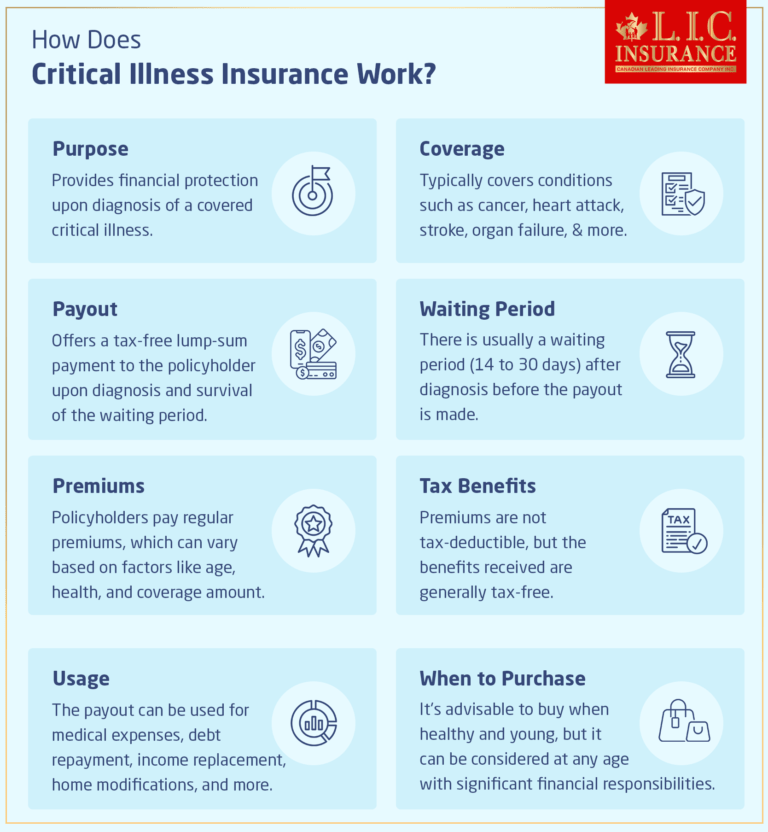
An Accelerated Life Benefit Rider (ALBR) for critical conditions is a life insurance provision that allows a policyholder to receive a portion of their death benefit while still living if they are diagnosed with a qualifying serious illness, such as cancer, heart attack, or stroke. This "living benefit" helps cover medical expenses or replace lost income during a health crisis.
Life insurance has traditionally been viewed as a financial tool meant solely for beneficiaries after the policyholder’s passing. However, as we move through 2026, the industry has shifted significantly toward "living benefits." The ALBR for critical conditions is a cornerstone of this evolution, acknowledging that modern medical advancements allow people to survive major health events—but often at a staggering financial cost. Understanding how this rider functions, its eligibility requirements, and its impact on your overall financial plan is essential for any policyholder looking to secure their future against medical insolvency.
What is an Accelerated Life Benefit Rider (ALBR)?
The Accelerated Life Benefit Rider, or ALBR, is an endorsement added to a life insurance policy (either term or permanent) that modifies how and when the death benefit can be paid. While the primary purpose of life insurance remains the payment of a lump sum upon death, the ALBR creates a secondary purpose: providing liquidity during a catastrophic health event.
In the context of 2026 insurance standards, the ALBR is often categorized under the broader umbrella of "Living Benefits." Unlike traditional health insurance, which pays medical providers for specific treatments, an ALBR payout goes directly to the policyholder. There are no restrictions on how the money is used. Whether you need to pay for experimental treatments not covered by your HMO, settle your mortgage while you are unable to work, or modify your home for accessibility, the ALBR provides the necessary capital.
It is important to distinguish the ALBR for critical conditions from its counterparts:
- Terminal Illness Rider: Pays out when life expectancy is 12–24 months or less.
- Chronic Illness Rider: Pays out when the insured cannot perform at least two of the six Activities of Daily Living (ADLs).
- Critical Condition Rider: Specifically targets a list of named diagnoses, regardless of whether they are terminal or result in long-term disability.
How the Critical Condition ALBR Functions
The mechanism of an ALBR is an "advance" on the death benefit. When you trigger the rider, the insurance company calculates a payout based on the severity of your condition and the face value of your policy.
The Actuarial Discounting Model
Most insurance carriers in 2026 do not simply hand over the full dollar amount of the requested acceleration. Instead, they use an actuarial discounting model. Because the insurer is paying the benefit earlier than originally calculated, they lose the opportunity to earn interest on those funds. Consequently, the amount you receive is typically the requested sum minus a discount based on your current life expectancy and prevailing interest rates.
The Lien Method
Some older or specific types of policies use a lien method. In this scenario, the insurance company provides a loan against your death benefit. The loan accumulates interest, which is eventually deducted from the final payout to your beneficiaries. While this allows you to access cash, it can significantly erode the legacy you leave behind if the "loan" remains outstanding for many years.
Impact on the Death Benefit
It is a common misconception that an ALBR is an "extra" pool of money. It is a portion of your existing death benefit. If you have a $500,000 policy and accelerate $100,000 for a heart attack claim, your remaining death benefit will be reduced. Furthermore, the reduction is often greater than the amount received due to administrative fees and the aforementioned discounting.
Qualifying Critical Conditions in 2026
To trigger a payout, the insured must be diagnosed with a condition specifically listed in the policy language. While these vary by carrier and state regulation, the "Big Three" remain the most common triggers.
- Invasive Cancer: This usually requires a diagnosis of a malignant tumor characterized by the uncontrolled growth and spread of malignant cells and the invasion of tissue. Most policies exclude Stage 0 cancers or "carcinoma in situ" unless they meet specific severity thresholds.
- Myocardial Infarction (Heart Attack): The death of a portion of the heart muscle resulting from inadequate blood supply. In 2026, insurers typically require clinical evidence such as specific EKG changes or elevated cardiac biomarkers (Troponin levels).
- Stroke: Defined as a cerebrovascular accident resulting in neurological deficits lasting more than 24 or 48 hours. This typically excludes "mini-strokes" or Transient Ischemic Attacks (TIAs).
Extended Conditions: Modern riders have expanded to include several other conditions:
- Major Organ Transplant: Being placed on a UNOS (United Network for Organ Sharing) list or undergoing the surgery for a heart, lung, liver, or kidney transplant.
- End-Stage Renal Failure: Permanent failure of both kidneys requiring regular dialysis or transplant.
- Paralysis: Complete and permanent loss of use of two or more limbs.
- Severe Burns: Often defined by the percentage of body surface area affected (e.g., 20% or more with third-degree burns).
- ALS (Lou Gehrig’s Disease): A standard inclusion in most comprehensive 2026 ALBRs.
Eligibility and Prerequisites for Activation
Simply having a diagnosis is not always enough to receive a payout. There are several procedural "gates" that a policyholder must pass.
Physician Certification
A claim must be supported by a written certification from a licensed physician in the United States who is a specialist in the field related to the condition (e.g., an oncologist for a cancer claim). The insurer reserves the right to request an independent medical examination (IME) if the documentation is unclear.
The Waiting Period
Most ALBRs have a waiting period (usually 30 to 90 days) from the date the policy is issued before a claim can be made for a critical condition. This prevents individuals from purchasing a policy only after they suspect a serious health issue is developing.
The Survival Period
In 2026, many policies include a survival period requirement. This means the insured must survive for a specific number of days (often 15 to 30) after the diagnosis before the benefit is payable. This is to ensure the benefit serves its purpose as a "living benefit" rather than a pre-death funeral fund.
Financial Implications and Costs
The cost structure of an ALBR for critical conditions generally falls into two categories: pre-funded and at-claim.
- Pre-funded Riders: You pay an additional monthly or annual premium to have the rider attached to your policy. This is common in "term life with living benefits" products. The advantage is that the payout terms are often more generous because you have been paying for the risk.
- At-claim Riders: Many permanent life insurance policies include an ALBR at no additional premium cost. However, the insurer charges a significant administrative fee (sometimes $250 to $500) and applies a steeper actuarial discount only if and when you decide to use it.
Tax Treatment
Under current federal guidelines (Internal Revenue Code Section 101(g)), accelerated death benefits are generally received income tax-free if the insured is considered "terminally ill" or "chronically ill." However, "critical illness" payouts can be more complex. If the payout is used to cover actual medical expenses, it is typically non-taxable. If the payout exceeds the actual costs of care, there may be tax implications. It is vital to consult a tax advisor in 2026, as state-level interpretations of living benefits continue to evolve.
Comparing ALBR to Standalone Critical Illness Insurance
While they sound similar, an ALBR is an "add-on," whereas a standalone critical illness policy is a separate insurance product.
| Feature | ALBR (Rider) | Standalone Critical Illness Insurance |
|---|---|---|
| Source of Funds | Deducted from the Life Death Benefit | Separate pool of money |
| Cost | Low (often included or small rider fee) | Moderate (separate premium) |
| Impact on Beneficiaries | Reduces the payout to heirs | No impact on life insurance payout |
| Benefit Amount | Usually limited to a % of face value | Fixed amount (e.g., $50,000) |
| Complexity | High (actuarial discounting involved) | Low (fixed lump sum) |
| Availability | Requires a life insurance policy | Can be purchased independently |
For many families in 2026, the ALBR is a more cost-effective way to get "some" coverage, but those with a family history of specific diseases often opt for a standalone policy to ensure their life insurance remains intact for their children or spouse.
Step-by-Step Guide to Filing an ALBR Claim
If you or a loved one are diagnosed with a qualifying condition, the claims process should be initiated as soon as the survival period has passed.
- Notification: Contact your insurance agent or the carrier’s claims department to request an "Accelerated Benefit Claim Kit."
- Documentation: Gather all relevant medical records, including pathology reports, surgical summaries, and diagnostic imaging (MRIs, CT scans).
- Physician Statement: Have your treating specialist complete the Attending Physician Statement (APS) included in the claim kit.
- Submission: Send the completed forms to the insurer. In 2026, most major carriers offer digital portals that speed up this process significantly.
- Review and Offer: The insurer will review the medical evidence. If approved, they will provide a "benefit offer." This document will show the amount you will receive, the administrative fee, and the new, reduced death benefit that will remain for your beneficiaries.
- Acceptance: Once you sign the offer, funds are typically disbursed via direct deposit or check within 7 to 10 business days.
Common Pitfalls and Limitations
Despite their utility, ALBRs have specific limitations that can catch policyholders off guard.
Exclusions for Pre-existing Conditions: Most riders will not pay out for a critical condition that was diagnosed or for which symptoms were present before the policy was issued. If you had a minor heart event five years ago, a subsequent major heart attack might be scrutinized heavily or excluded depending on the "look-back" period.
Impact on Government Assistance: Receiving a large lump sum from an ALBR can disqualify you from means-tested government programs such as Medicaid or Supplemental Security Income (SSI). In 2026, this is a major consideration for seniors. If you anticipate needing Medicaid for long-term nursing home care, accelerating your life insurance benefit could "spend down" your eligibility.
The "Irrevocable" Decision: Once you accelerate a portion of your death benefit, you generally cannot "pay it back" to restore the original face value later. The reduction in the death benefit is permanent. This can be problematic if your health improves significantly but your family is left with an inadequate safety net.
Expert Guidance for 2026 Policyholders
When evaluating an ALBR for critical conditions, don't just look at the list of illnesses. Look at the maximum acceleration percentage. Some policies allow you to access 100% of the death benefit (effectively "cashing out" the policy), while others cap it at 25% or 50%.
Furthermore, check the recertification requirements. While most critical condition claims are one-time lump sums, some newer 2026 hybrid products offer "recurring" living benefits for conditions like cancer that may go into remission and return.
If you are currently healthy, adding a "Living Benefits" rider to a new term policy is one of the most efficient financial moves you can make. It transforms a "if I die" policy into a "if I get sick" policy, providing a layer of protection that bridges the gap between health insurance and life insurance.
Recommended Next Action
Review your current life insurance policy "Declarations Page." Look for terms like "Accelerated Death Benefit," "Critical Illness Rider," or "Living Benefits." If you do not see these, contact your carrier to see if a rider can be added. If you are shopping for a new policy in 2026, prioritize "Full Living Benefits" packages, which include triggers for terminal, chronic, and critical conditions in a single rider.