Albert Brooks was born into Hollywood royalty as the son of Harry Einstein, a legendary radio comedian known as Parkyakarkus, and Thelma Leeds, an accomplished singer and actress. Their influence shaped his path from a Beverly Hills childhood to becoming one of the most innovative filmmakers and comedians in American history.
The story of Albert Brooks cannot be fully told without examining the lives of his parents. His father, Harry Einstein, was a titan of the radio era, while his mother, Thelma Leeds, provided the emotional and artistic backbone of a family that would produce multiple stars. In the context of 2026, as we look back at the centennial legacies of the Golden Age of Hollywood, the Einstein family remains a primary example of how performative DNA evolves across generations.
The Patriarch: Harry Einstein and the Rise of Parkyakarkus
Harry Einstein was a comedic force whose influence on 20th-century humor is often underestimated by modern audiences. Born in 1904, Einstein began his career in the world of advertising and local radio in Boston before moving to Los Angeles to pursue national stardom.
The Creation of a Character
Harry Einstein’s most famous contribution to entertainment was the character Nick Parkyakarkus (sometimes spelled Parkyakarkas). The character was a Greek immigrant with a thick accent and a penchant for linguistic confusion. While "dialect comedy" has largely fallen out of favor in the 21st century, in the 1930s and 40s, Einstein’s performance was viewed as a brilliant piece of character work.
He became a staple on the programs of Eddie Cantor and Al Jolson. The character was so popular that Einstein eventually legally changed his name to Parkyakarkus for professional purposes, and he even starred in several films under the moniker, including Strike Me Pink (1936) and The Life of the Party (1937).
The Mechanics of the Humor
Einstein’s comedy relied on a "meta" understanding of performance that his son, Albert, would later perfect. Harry wasn't just telling jokes; he was playing a man who was desperately trying to navigate a world he didn't quite understand. This sense of social anxiety and the absurdity of language became foundational elements in Albert Brooks’ own work, specifically in films like Modern Romance and Lost in America.
The Matriarch: Thelma Leeds and Her Artistic Influence
Thelma Leeds (born Thelma Goodman) was a talented performer in her own right long before she became the matriarch of the Einstein household. A singer and actress with a striking presence, Leeds appeared in several notable films during the 1930s.
Early Career and Meeting Harry
Leeds is perhaps best remembered for her roles in New Faces of 1937 and The Toast of New York (1937). It was on the set of New Faces of 1937 that she met Harry Einstein. Their union was a literal merger of Hollywood talents. After their marriage, Leeds largely stepped away from the spotlight to raise their four sons, but her artistic sensibilities remained a driving force within the home.
The Mother as a Muse
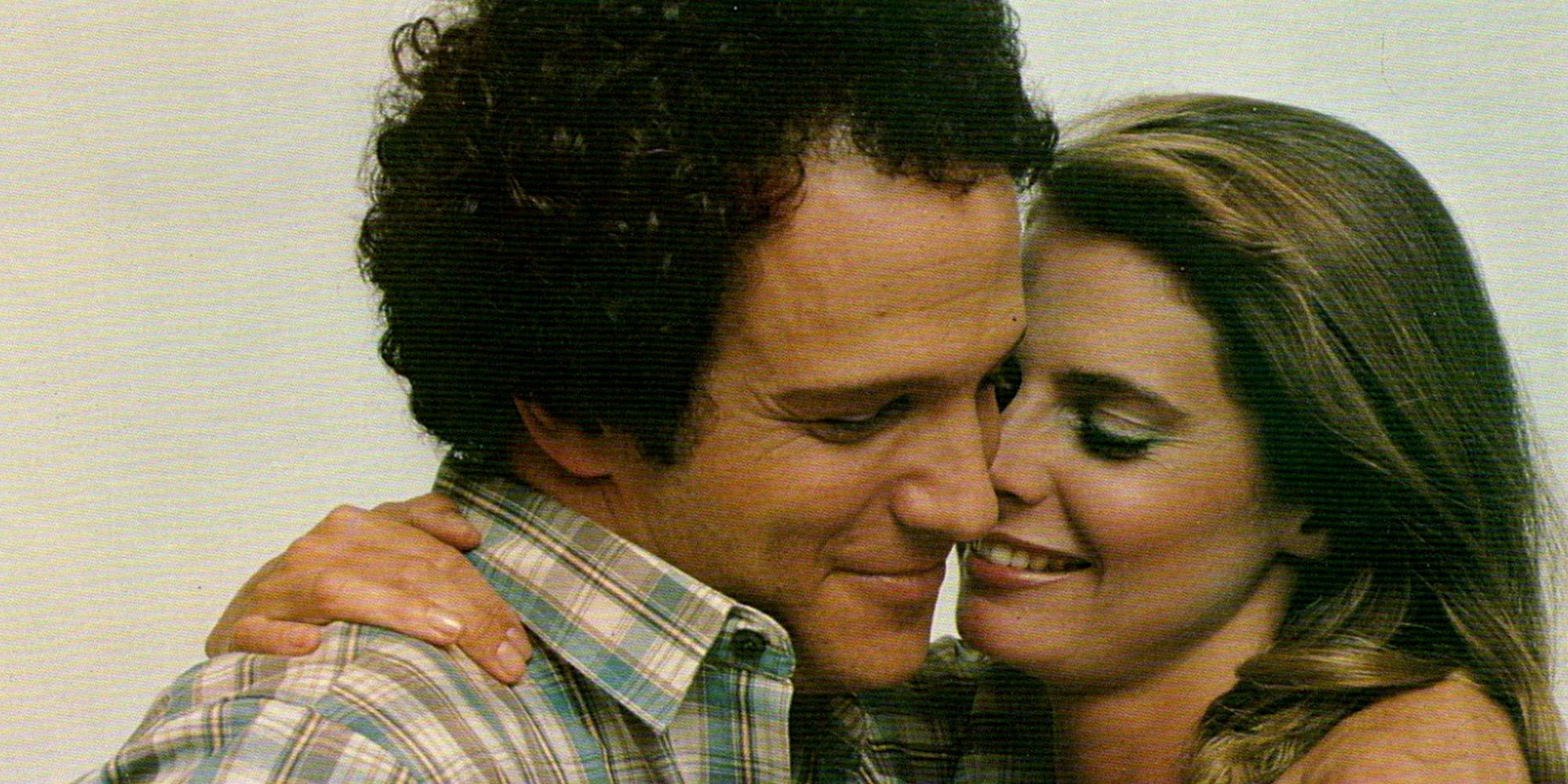
Unlike many Hollywood parents of that era who discouraged their children from entering the "unstable" world of show business, Leeds fostered a highly creative environment. Her influence on Albert was particularly profound. Decades after she retired from professional acting, Albert Brooks cast her as his mother in his 1981 masterpiece Modern Romance. Her performance was hailed for its authenticity and comedic timing, proving that her talent had never waned during her years away from the camera.
A Childhood in the Shadow of the Studios
Growing up in the Einstein household in Beverly Hills meant being surrounded by the architects of modern entertainment. Albert Brooks (born Albert Lawrence Einstein) grew up with siblings who would also find fame, most notably his brother Bob Einstein, who became famous as the daredevil character Super Dave Osborne and later as Marty Funkhouser on Curb Your Enthusiasm.
The Social Circle
The Einstein home was a hub for the greatest comedic minds of the era. Neighbors and family friends included the likes of George Burns, Gracie Allen, and Jack Benny. For Albert, comedy wasn't a career choice; it was the native language of his household. He learned the rhythm of a punchline at the dinner table, observing how his father and his father’s peers used wit to navigate life.
The Name Change
One of the most famous anecdotes regarding Albert’s lineage is his decision to change his name. Born Albert Einstein, he realized early in his career that he could not achieve serious recognition with a name already associated with the world's most famous physicist. His decision to adopt "Brooks" was a pragmatic move to forge his own identity while still honoring the comedic roots established by his father.
The Night That Changed Everything: 1958
The most defining and tragic moment in the Einstein family history occurred on November 24, 1958. Harry Einstein was performing at a Friars Club roast for Lucille Ball and Desi Arnaz. His performance that night was described by those in attendance—including Milton Berle and Art Linkletter—as one of the greatest comedic sets ever delivered.
The Final Bow
Seconds after finishing his routine and sitting down to thunderous applause, Harry Einstein suffered a massive heart attack. He slumped over onto Milton Berle. The transition from intense laughter to a life-and-death crisis was a traumatic event for the Hollywood community and a core psychological turning point for an 11-year-old Albert Brooks.
Impact on Albert Brooks' Work
Critics and biographers often point to this event as the source of the "darkness" and existential dread that permeates Brooks' comedy. The irony of a man dying at the peak of a comedic performance—literally "killing" on stage—is a theme that Brooks has explored indirectly throughout his career. It instilled in him a view of life where tragedy and comedy are inextricably linked.
Legacy Comparison: The Einstein Family in Hollywood
To understand the breadth of the family’s impact, it is helpful to look at the different areas of entertainment they mastered.
| Family Member | Primary Role | Key Contribution | Connection to Albert Brooks |
|---|---|---|---|
| Harry Einstein | Radio Comedian | Created the "Parkyakarkus" persona; Radio pioneer. | Father; source of comedic timing and "meta" humor. |
| Thelma Leeds | Actress/Singer | Starred in New Faces of 1937; appeared in Modern Romance. | Mother; provided the emotional core and late-career collaboration. |
| Bob Einstein | Comedian/Writer | Created "Super Dave Osborne"; starred in Curb Your Enthusiasm. | Older brother; shared the family’s dry, absurdist wit. |
| Charles Einstein | Author/Journalist | Wrote The Fireside Book of Baseball; acclaimed sportswriter. | Half-brother; represented the family’s intellectual/literary side. |
| Albert Brooks | Director/Actor | Lost in America, Finding Nemo, Drive. | The "evolved" Einstein; took the family legacy into auteur filmmaking. |
Reflections from 2026: The Documentary Era
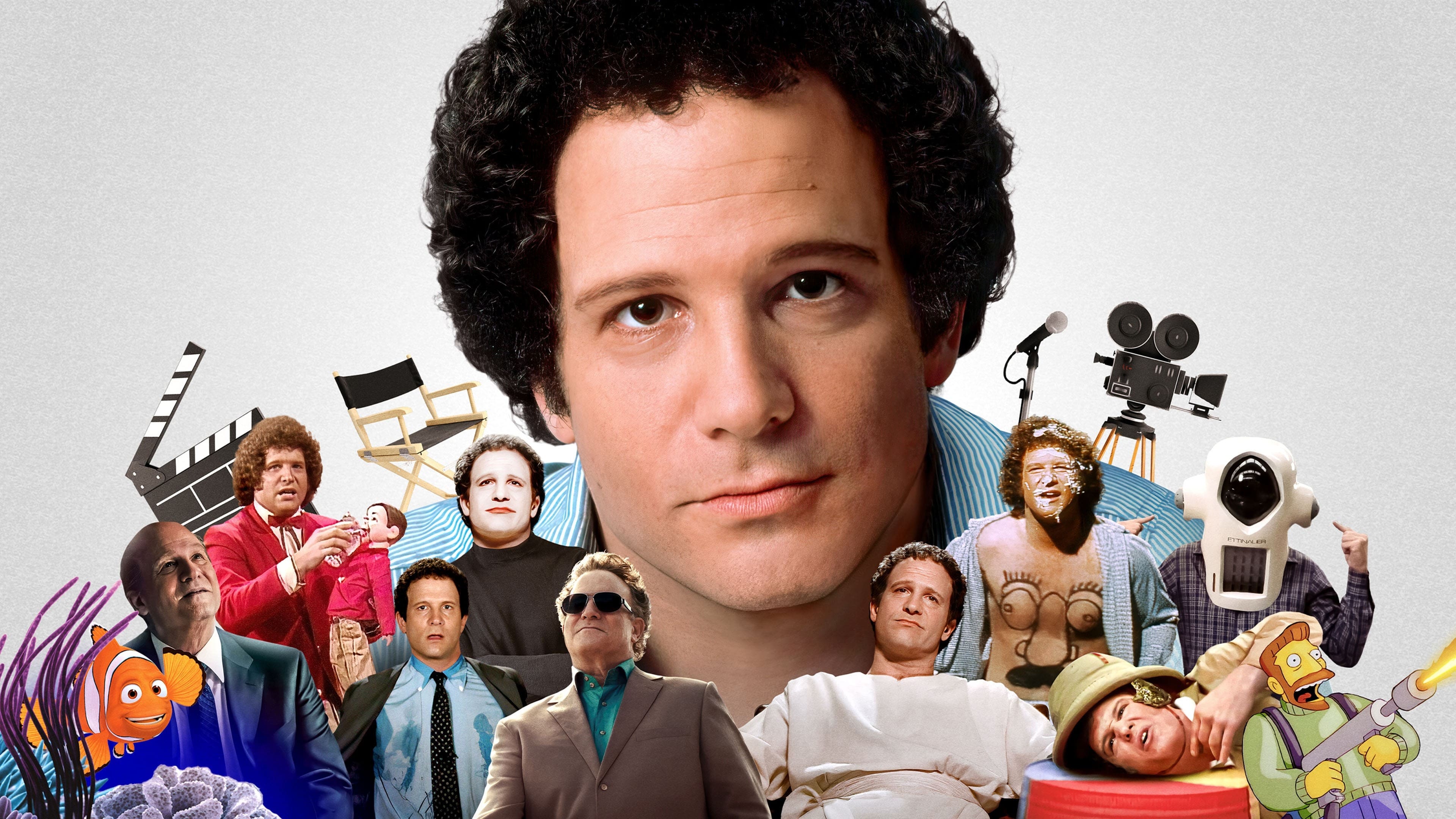
As of 2026, the legacy of Albert Brooks and his parents has been revitalized by modern documentary filmmaking. The 2023 release Albert Brooks: Defending My Life, directed by Rob Reiner, provided an intimate look at how Harry and Thelma’s influence dictated Albert's artistic choices.
The documentary highlighted never-before-seen footage of Thelma Leeds and audio recordings of Harry Einstein, allowing a new generation to see the direct lineage of Albert’s genius. It confirmed that Brooks’ "anxious everyman" persona was not just a character, but a refined version of the neuroses and talents passed down from his parents.
Frequently Asked Questions
Did Albert Brooks ever work with his father?
No. Harry Einstein passed away in 1958 when Albert was only 11 years old. However, Albert has frequently paid tribute to his father in interviews and through his directorial work, which often mirrors the comedic structures his father helped pioneer in radio.
Which of Albert Brooks’ movies features his mother?
His mother, Thelma Leeds, plays his mother in the 1981 film Modern Romance. Her performance is widely considered one of the highlights of the movie, showcasing a naturalistic comedic ability that explains where Albert and his brother Bob inherited their talent.
Why did Harry Einstein use the name "Parkyakarkus"?
"Parkyakarkus" was a comedic play on the phrase "Park your carcass" (meaning sit down). It was the name of his most famous character, a Greek immigrant. He used the name so frequently in radio and film that it became his professional identity, almost eclipsing his real name.
Are Albert Brooks and Bob Einstein (Super Dave) related?
Yes, they were brothers. Bob was the older brother. While they had very different comedic styles—Bob focusing on slapstick and character-driven absurdity, and Albert focusing on intellectual, observational, and "meta" humor—both credited their father’s influence for their career paths.
What happened to Thelma Leeds after Harry Einstein died?
Thelma Leeds remained a pillar of the Hollywood community for decades. She lived to be 95 years old, passing away in 2006. In her later years, she enjoyed the success of her sons and was frequently seen at industry events, celebrated as a living link to the Golden Age of Hollywood.
Conclusion and Next Actions
The legacy of Albert Brooks’ parents is a testament to the enduring power of Hollywood’s creative dynasties. Harry Einstein provided the comedic blueprint, while Thelma Leeds provided the artistic support and late-career inspiration that allowed Albert to transcend the traditional boundaries of comedy.
For those looking to explore this legacy further, the following steps are recommended:
- Watch Modern Romance (1981): Observe the chemistry between Albert Brooks and Thelma Leeds to see the family talent in action.
- Listen to Archival Radio: Seek out clips of Eddie Cantor’s radio show from the 1930s to hear Harry Einstein’s "Parkyakarkus" routines.
- View Defending My Life: The Rob Reiner documentary remains the definitive resource for understanding the Einstein family's internal dynamics.
- Explore Bob Einstein’s Work: To see a different branch of the same family tree, watch early Super Dave clips to understand the shared sense of timing between the brothers.
By understanding Harry and Thelma, one gains a deeper appreciation for Albert Brooks not just as a filmmaker, but as the steward of a century-long tradition of American wit.