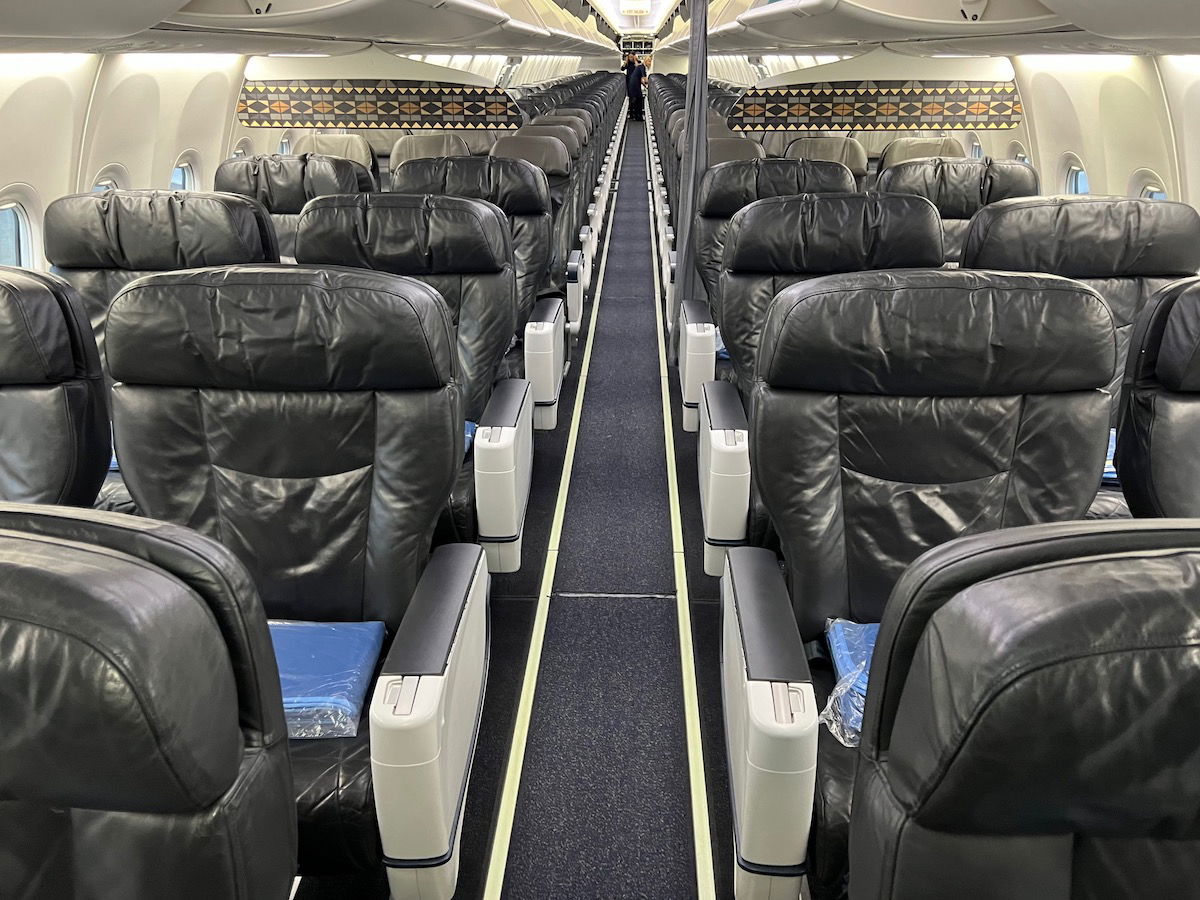
Alaska Airlines’ First Class on the Boeing 737-900 offers a premium Pacific Northwest-inspired experience featuring 41 inches of seat pitch, locally sourced gourmet meals via a sophisticated pre-order system, and dedicated cabin service. It remains a competitive domestic product focused on ergonomic comfort, regional flavor, and reliable high-speed satellite Wi-Fi connectivity.
The Boeing 737-900 and its extended-range variant, the 737-900ER, serve as the backbone of Alaska Airlines' transcontinental and mid-haul fleet. While the airline has aggressively integrated the Boeing 737-9 MAX into its operations by 2026, the 737-900 series continues to provide a consistent, high-quality experience for premium cabin travelers. Understanding the nuances of this specific aircraft’s First Class product is essential for passengers looking to maximize their travel value, whether they are flying for business or leisure.
Cabin Configuration and Seat Specifications
The First Class cabin on the Alaska Airlines 737-900 is typically arranged in a 2-2 configuration across four rows, totaling 16 seats. This layout ensures that every passenger has either window or aisle access, avoiding the dreaded middle seat. As of 2026, most of these aircraft have undergone the "Orbit" interior refresh, which modernized the aesthetic with neutral tones, blue accents, and improved lighting.
Seat Comfort and Ergonomics
The seats are manufactured by Recaro, a leader in aircraft seating, and are upholstered in a durable, high-quality leather. The primary metric of comfort in First Class is seat pitch, which is the distance from one point on a seat to the same point on the seat in front of it. On the 737-900, Alaska provides a generous 41 inches of pitch, which is slightly above the industry standard of 37-38 inches found on many domestic competitors.
- Seat Width: Approximately 21 inches, providing ample shoulder room.
- Recline: The seats offer a 5-inch recline. While not a lie-flat product, the articulation is designed to support the lumbar region effectively during daylight flights.
- Headrests: These are six-way adjustable, allowing passengers to shift the "wings" to cradle the head, which is particularly useful for sleeping.
- Footrests: Unlike the newer MAX 9 aircraft, not all 737-900 units feature integrated calf rests or footrests, though the increased pitch allows for significant leg extension.
Storage and Utility
Each seat is equipped with a dedicated tablet holder integrated into the seatback in front of you. This is a critical design choice, as Alaska Airlines does not feature seatback In-Flight Entertainment (IFE) screens. Instead, they provide a groove and a clip that can securely hold a smartphone or a large tablet at eye level.
For power, passengers have access to a universal AC power outlet and a USB-A port (and in retrofitted units, USB-C) located in the center console between seats. The center console also provides a small cocktail tray for drinks, while the main tray table is stowed in the outer armrest.
The In-Flight Culinary Program
Alaska Airlines prides itself on its "Most West Coast" branding, which is most evident in its First Class dining. The airline has moved away from standard "airplane food" toward a curated menu that highlights Pacific Northwest partners.
The Pre-Order System
One of the most significant advantages of flying First Class with Alaska is the ability to pre-order your meal. Between two weeks and 20 hours before departure, passengers can use the Alaska Airlines mobile app or website to select their preferred entrée. This ensures that you get your first choice and helps the airline reduce food waste.
Menu Highlights
On flights over 675 miles, passengers receive a full meal service. The menus rotate seasonally but often include:
- The Signature Fruit & Cheese Platter: Featuring Beecher’s Flagship Cheese, this is a cult favorite among Alaska flyers.
- Warm Entrées: Options often include protein-rich dishes like braised short ribs, miso-glazed cod, or seasonal pasta dishes.
- Breakfast: For morning departures, options typically range from shakshuka to sourdough French toast or a protein-focused breakfast bowl.
- Local Snacks: The snack basket, which makes rounds on shorter flights or between meals, includes brands like Seattle Chocolate, Salt & Straw (on select routes), and creative nut mixes.
The beverage program is equally regional, featuring Stumptown Coffee Roasters, various West Coast craft beers (such as Fremont Brewing), and wines curated from the vineyards of Washington and Oregon.
Connectivity and Entertainment: The BYOD Strategy
Alaska Airlines has doubled down on a "Bring Your Own Device" (BYOD) strategy for entertainment. While some travelers miss the built-in screens, the benefit is that passengers can use their own high-resolution hardware rather than aging airline monitors.
Alaska Beyond Entertainment
By connecting to the onboard Wi-Fi signal, passengers can access the Alaska Beyond portal for free. This includes a library of hundreds of movies and television shows streamed directly to your laptop, tablet, or phone. Because the 737-900s are equipped with high-speed satellite Wi-Fi (provided by Intelsat/Gogo), the streaming is generally smooth and supports high-definition playback.
Satellite Wi-Fi
For those needing to work, the satellite Wi-Fi is robust enough for video conferencing, large file uploads, and standard web browsing. Alaska often offers a "streaming-ready" Wi-Fi pass for a flat fee (usually $8) for the duration of the flight, making it one of the more affordable high-speed options in the sky. T-Mobile customers often receive free Wi-Fi as part of their mobile plan benefits.
Ground Experience and Lounge Access
The First Class experience begins long before the aircraft departs. Passengers holding a First Class ticket (excluding those upgraded via elite status in some instances) receive several ground-based perks.
Priority Services
- Check-In: Dedicated First Class check-in lanes at major hubs like Seattle-Tacoma (SEA), Portland (PDX), and San Francisco (SFO).
- Security: Access to "Expedited" or "Priority" security lanes where available, though this is separate from TSA PreCheck.
- Boarding: First Class passengers board in Group A, ensuring plenty of time to settle in and secure overhead bin space.
Lounge Access Policy
It is important to note that Alaska Airlines updated its lounge access policy in recent years. As of 2026, access to the Alaska Lounge is granted to passengers traveling on a paid First Class ticket or an award ticket on flights that meet a specific distance requirement (usually 2,100 miles or more).
Short-haul First Class tickets (e.g., Seattle to San Francisco) do not automatically include lounge access unless the passenger has a separate Alaska Lounge membership or is a high-tier Oneworld elite member (Emerald or Sapphire) traveling on an international itinerary.
Comparison of 737-900 First Class Features
| Feature | 737-900 Specification | Passenger Benefit |
|---|---|---|
| Seat Configuration | 2-2 Layout | No middle seats; guaranteed aisle or window. |
| Seat Pitch | 41 Inches | Superior legroom compared to most domestic carriers. |
| Power Supply | AC Outlet + USB | Keeps multiple devices charged for work/play. |
| Entertainment | Tablet Holder / BYOD | Ergonomic viewing using personal devices. |
| Dining | Pre-order Entrées | Guaranteed meal choice and regional quality. |
| Wi-Fi | High-Speed Satellite | Capability for streaming and video calls. |
| Baggage | Two Free Checked Bags | Significant savings on leisure or long-stay travel. |
Frequent Flyer Benefits and Upgrades
For members of the Mileage Plan, the 737-900 First Class cabin is a frequent target for upgrades. Alaska Airlines is known for having one of the most generous upgrade policies for its elite members (MVP, MVP Gold, MVP Gold 75K, and MVP Gold 100K).
- Instant Upgrades: Higher-tier elites can sometimes secure "instant upgrades" when booking specific fare classes (Y, B, H, K, M).
- Upgrade Window: Upgrades for elites begin clearing as early as 120 hours (5 days) before departure for MVP Gold 100K members, descending through the tiers.
- Companion Upgrades: Alaska allows elites to upgrade a companion traveling on the same reservation, which is a standout feature compared to some international carriers.
As a member of the Oneworld Alliance, Alaska also recognizes status from partners like American Airlines and British Airways. American Airlines AAdvantage Executive Platinum members, for example, are eligible for space-available upgrades on Alaska-operated flights, including those on the 737-900.
Frequently Asked Questions
Does the Alaska 737-900 First Class have lie-flat seats?
No, the 737-900 features standard domestic First Class recliners. These seats offer a 5-inch recline and a 41-inch pitch, which is suitable for domestic transcontinental flights but does not allow for a fully horizontal sleeping position. Alaska typically reserves its most comfortable reclining seats for these long-haul domestic routes rather than lie-flats.
Is food included in First Class on the 737-900?
Yes, a full meal service is provided on all flights over 675 miles. For shorter flights, a premium snack basket is offered. All alcoholic and non-alcoholic beverages are complimentary in the First Class cabin, regardless of flight duration.
Are there chargers for laptops in First Class?
Every First Class seat on the 737-900 is equipped with a dedicated universal AC power outlet capable of charging laptops, as well as at least one USB-A port for mobile devices. These are located in the center console area between the seats.
Can I access the Alaska Lounge with a First Class upgrade?
Generally, no. Alaska Airlines' policy typically restricts lounge access to passengers who have purchased a First Class ticket (either with cash or miles) for a flight over 2,100 miles. Complimentary upgrades or discounted "day-of" upgrades usually do not include lounge access unless the passenger holds an elite status that specifically grants it or a separate lounge membership.
How does the 737-900 compare to the 737-9 MAX in First Class?
The experience is very similar, as Alaska aims for fleet consistency. However, the MAX 9 often features slightly newer seat cushions and, in some configurations, integrated footrests. The 737-900 is quieter than older 737-800 models but slightly louder than the newer MAX series due to engine technology differences.
Practical Recommendations for Travelers
To make the most of your Alaska Airlines 737-900 First Class experience, download the Alaska Airlines app at least 48 hours before your flight. This allows you to browse the menu and select your meal, ensuring you don't end up with your second or third choice once on board.
If you are a tall traveler, aim for Row 1. While bulkhead seats (the first row) sometimes have restricted leg extension due to the wall, Alaska’s 737-900 bulkhead provides significant cutouts that often feel more spacious than the rows behind them. Conversely, if you prefer to store a small bag under the seat in front of you, avoid Row 1, as all luggage must be placed in the overhead bins for takeoff and landing.
Finally, remember that Alaska's First Class is a "digital-forward" cabin. Ensure your tablet or laptop is charged and your headphones are compatible with your own device, as the airline does not provide headsets for the BYOD entertainment system.