Alan Shepard’s legacy is preserved through prestigious honors like the Alan Shepard Technology in Education Award, which recognizes educators who use space-themed curriculum to inspire students. These awards, alongside the Astronaut Scholarship Foundation he co-founded, ensure his pioneering spirit continues to drive STEM excellence and commercial aerospace innovation in 2026.
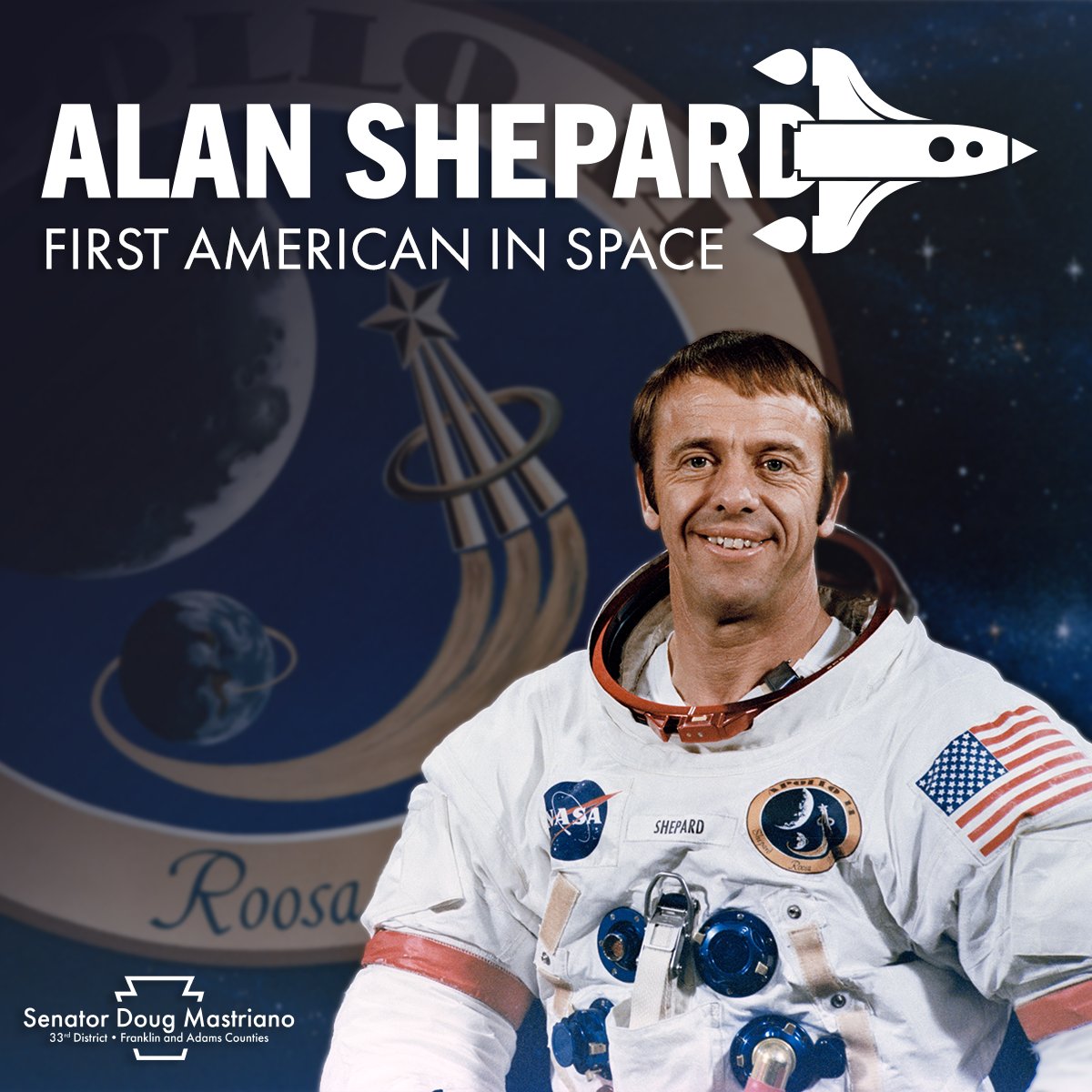
The name Alan Shepard is etched into history as the first American to travel into space and the fifth person to walk on the lunar surface. However, his influence extends far beyond the historical dates of 1961 and 1971. In the modern aerospace and educational landscape of 2026, "Alan Shepard" serves as a benchmark for excellence, resilience, and the relentless pursuit of knowledge. Through a variety of awards, foundations, and technological namesake projects, the legacy of the man who famously hit a golf ball on the Moon continues to shape how we teach science and how we honor the pioneers of the final frontier.
The Architect of an American Legacy: Who Was Alan Shepard?
To understand the weight behind the awards that bear his name, one must understand the professional trajectory of Rear Admiral Alan B. Shepard Jr. As one of the original "Mercury Seven" astronauts selected by NASA in 1959, Shepard was the face of the burgeoning American space program. His flight aboard the Freedom 7 capsule on May 5, 1961, was a 15-minute suborbital journey that proved the United States could successfully launch a human into space and return them safely.
Shepard’s career was marked by a significant setback that later became a cornerstone of his legacy of "honor" and "resilience." Shortly after his first flight, he was grounded due to Ménière's disease, an inner-ear disorder that caused severe vertigo. Rather than retiring, Shepard took a desk job as the Chief of the Astronaut Office, overseeing the training and missions of his colleagues. After a successful, experimental surgery in the late 1960s, he fought his way back to active flight status. In 1971, at age 47, he commanded the Apollo 14 mission, proving that age and medical adversity were no match for dedication. This narrative of overcoming obstacles is a primary theme in the awards granted in his name today.
The Alan Shepard Technology in Education Award
The most prominent institutional honor carrying his name is the Alan Shepard Technology in Education Award. This award is not given to astronauts or engineers, but rather to the educators who lay the groundwork for future explorers.
Partnership and Purpose
The award is a collaborative effort between three major entities:
- The Space Foundation: A nonprofit advocate for space-related endeavors.
- The Astronaut Memorial Foundation (AMF): Based at the Kennedy Space Center, focusing on honoring fallen astronauts through education.
- NASA (National Aeronautics and Space Administration): The federal agency that provided the platform for Shepard’s career.
The primary goal of this award is to recognize K-12 teachers, principals, and district administrators who demonstrate exceptional use of technology in the classroom to further space-based education. In 2026, as classroom technology has evolved to include advanced VR simulations of Martian environments and real-time satellite data analysis, this award has become a pinnacle for STEM (Science, Technology, Engineering, and Mathematics) educators.
Eligibility and Selection Criteria
To be considered for the Alan Shepard Technology in Education Award, an applicant must demonstrate a "legacy" mindset. The selection committee looks for:
- Innovation: How the educator uses space science to teach standard curriculum subjects.
- Impact: Evidence that the program has increased student interest in aerospace or related STEM careers.
- Sustainability: Whether the technology-based program can be replicated by other schools or districts.
- Community Engagement: How the educator involves parents and local industries in the space-learning process.
The winners are typically honored at the annual Space Symposium, where they receive a trophy and a grant to further their educational initiatives. This recognition serves as a "hall of fame" for teachers, placing them in the same pantheon of service as the astronauts themselves.
The Astronaut Scholarship Foundation (ASF)
While not an "award" in the singular sense, the Astronaut Scholarship Foundation represents Alan Shepard’s most personal contribution to the future of space exploration. Shepard, along with the other surviving members of the Mercury Seven, founded the Mercury Seven Foundation in 1984. It was later renamed the ASF.
Supporting the Next Generation
The ASF provides massive financial support to the best and brightest university students in the United States. As of 2026, the foundation has expanded its reach significantly, offering scholarships to students at over 45 participating universities. The "honor" here is twofold: students receive a life-changing scholarship (often up to $15,000) and are paired with a mentor who is often a former astronaut or a high-level aerospace executive.
The Connection to Shepard’s Values
Shepard believed that the technological edge of the United States depended entirely on the quality of its scientists. By focusing on undergraduate students in their junior and senior years, the ASF targets the "pipeline" of talent that eventually feeds into NASA and private firms like SpaceX and Blue Origin. Recipients of these scholarships are often referred to as "Shepard Scholars" in informal academic circles, highlighting the prestige of the founder.
Commercial Legacy: The New Shepard Rocket
In the realm of modern industry, the name Alan Shepard is honored through the physical hardware of the 21st-century space race. Blue Origin, the aerospace company founded by Jeff Bezos, named its flagship suborbital launch vehicle New Shepard.
Technical Homage
The naming of the New Shepard rocket is a deliberate nod to Shepard’s 1961 flight. Just as Shepard’s Freedom 7 was a suborbital vehicle intended to test the waters of space travel, Blue Origin’s New Shepard is designed to take passengers and payloads on suborbital trajectories.
- Flight Profile: The rocket launches vertically, crosses the Kármán line (100km), and returns for a vertical landing.
- Operational Status in 2026: New Shepard has become the workhorse of suborbital tourism and microgravity research.
- The "Legacy" Connection: Every person who flies on New Shepard is essentially following in Alan Shepard’s original footsteps. This creates a bridge between the "Heroic Age" of spaceflight and the "Commercial Age."
Comparing Alan Shepard’s Associated Honors
The following table outlines the different ways the Alan Shepard legacy is categorized and recognized across various sectors as of 2026.
| Honor/Award Name | Sponsoring Organization | Primary Audience | Core Objective |
|---|---|---|---|
| Alan Shepard Technology in Education Award | Space Foundation / AMF / NASA | K-12 Educators | Recognize excellence in tech-based space education. |
| Astronaut Scholarship | Astronaut Scholarship Foundation | University STEM Students | Provide financial aid and mentorship to elite students. |
| The Shepard Trophy | National Space Club & Foundation | Industry Professionals | Awarded for significant contributions to space exploration. |
| New Shepard Program | Blue Origin | Commercial/Scientific Community | Suborbital space access and research missions. |
| Alan Shepard Park | City of Cocoa Beach, FL | General Public | Historical preservation and public recreation at a space-hub. |
The Criteria of "Space and Honor": How Winners are Chosen
Across all awards bearing Shepard's name, there is a consistent emphasis on the concept of "honor." In the context of the aerospace community, honor is defined as professional integrity, technical precision, and a commitment to the collective advancement of humanity.
The Selection Process for the Tech in Education Award
The application window typically opens in the late fall of the preceding year (e.g., October 2025 for the 2026 cycle).
- Submission: Candidates submit a detailed portfolio of their work, including lesson plans and student outcomes.
- Review: A panel of experts from NASA and the Space Foundation reviews the submissions.
- Finalist Interviews: In some cases, finalists are interviewed to gauge their leadership potential in the broader education community.
- Award Presentation: The winner is announced in the spring, coinciding with National Space Day.
The Prestige of the National Space Club’s Shepard Trophy
The Alan Shepard Trophy (distinct from the educator award) is presented to individuals who have made "significant contributions to the nation’s space program." This is often a lifetime achievement award. Past recipients include astronauts who have commanded multiple missions and engineers who have solved critical flight safety issues. To win this trophy is to be recognized by one's peers as having reached the pinnacle of the profession.
Why the Shepard Legacy Matters in 2026
In 2026, the global space community is more crowded than ever. With multiple lunar missions in progress and a growing commercial presence in Earth orbit, the foundational values of the early space age are sometimes at risk of being overshadowed by rapid commercialization.
The Alan Shepard awards act as a "North Star" for the industry. They remind participants that space exploration is not just about profit or hardware; it is about the human element—the teacher who inspires a child, the student who works late in the lab, and the pilot who maintains composure under pressure. By honoring these individuals, the organizations involved ensure that the "spirit of 1961" remains an active part of the 2026 aerospace culture.
How to Get Involved or Nominate
If you are an educator or a professional looking to engage with this legacy, there are clear pathways to participation:
- For Educators: Visit the official Space Foundation website to view the latest deadlines for the Technology in Education Award. Ensure your curriculum is well-documented and your use of technology is clearly linked to student achievement.
- For Students: If you are enrolled in a STEM program at a participating ASF university, contact your department head. The Astronaut Scholarship Foundation does not accept direct applications from students; you must be nominated by your university.
- For the Public: Visiting sites like the Astronaut Hall of Fame or the Alan Shepard Park in Florida provides a tangible connection to this history. These locations often host events that coincide with award announcements.
Frequently Asked Questions
What is the prize for the Alan Shepard Technology in Education Award?
The winner receives an all-expenses-paid trip to the Space Symposium in Colorado Springs, a commemorative trophy, and a grant (the amount of which varies by year but typically ranges from $1,000 to $5,000) to support their classroom technology initiatives. More importantly, it grants the winner a national platform to share their teaching methods with other educators.
Was the New Shepard rocket really named by Alan Shepard's family?
The rocket was named by Blue Origin as a tribute to Shepard. While his family, particularly his daughter Laura Shepard Churchley, has been very supportive of the project (she even flew on a New Shepard mission in 2021), the naming was an institutional decision by Blue Origin to honor the first American in space.
Who is eligible for the Astronaut Scholarship Foundation grants?
Eligibility is limited to U.S. citizens who are juniors or seniors at a participating ASF university. Students must be majoring in a STEM field (Science, Technology, Engineering, or Mathematics) and must show a strong interest in research or innovation within their field.
How does the Alan Shepard Award differ from the Teacher in Space program?
The Teacher in Space program (famously associated with Christa McAuliffe) was a NASA program to actually send a teacher into orbit. The Alan Shepard Technology in Education Award is a professional recognition award for classroom excellence. While it does not include a trip to space, it is one of the highest honors a STEM educator can receive on Earth.
Are there any international Alan Shepard awards?
Most awards bearing Alan Shepard’s name are centered in the United States, reflecting his role as a national hero. However, the Space Foundation, which co-sponsors the education award, is an international organization, and many of the concepts celebrated by the award are shared with global partners in the European Space Agency (ESA) and other international bodies.
Final Recommendation
For those seeking to honor the legacy of Alan Shepard, the most effective path is through the support of STEM education. Whether you are a teacher applying for the Technology in Education Award or a donor supporting the Astronaut Scholarship Foundation, you are contributing to a lineage of "space and honor" that began with a 15-minute flight in 1961. Aspiring educators should focus on integrating real-world satellite data and aerospace engineering principles into their curriculum to stand out in the current 2026 award cycles.