Orlando Sanford International Airport (SFB) serves as a primary gateway for travelers seeking a streamlined, cost-effective alternative to the larger Orlando International Airport (MCO). As of 2026, SFB is characterized by its dominance as a major hub for Allegiant Air, supplemented by seasonal international services from carriers such as Flair Airlines and various charter operators.
The airport's strategic location in Seminole County makes it an ideal choice for passengers visiting the northern Orlando suburbs, the Space Coast, and the world-famous theme parks of Central Florida. Unlike the massive, often congested terminals of MCO, SFB offers a more localized experience with shorter security lines and a specialized focus on low-cost, point-to-point domestic and international travel. Understanding the specific airlines that operate here—and their unique business models—is essential for any traveler planning a trip to the Sunshine State in 2026.
The Anchor Carrier: Allegiant Air’s Massive Footprint at SFB
Allegiant Air remains the undisputed titan of Orlando Sanford International Airport. In 2026, SFB continues to serve as one of Allegiant’s largest and most profitable bases in its entire network. Unlike traditional "hub-and-spoke" airlines that route all traffic through a central city like Atlanta or Charlotte, Allegiant utilizes a "point-to-point" model. This means they fly directly from smaller, underserved regional airports across the United States straight into SFB.
Domestic Route Network
Allegiant connects SFB to more than 70 domestic destinations. These routes typically target cities in the Midwest, Northeast, and Southeast where direct access to Florida is in high demand but often expensive through major carriers. Common origins for flights arriving at Sanford include:
- Midwest: Grand Rapids (GRR), Indianapolis (IND), Cincinnati (CVG), and Columbus (LCK).
- Northeast: Allentown (ABE), Stewart/Newburgh (SWF), and Bangor (BGR).
- Southeast/Appalachia: Asheville (AVL), Knoxville (TYS), and Tri-Cities (TRI).
Operational Strategy at SFB
Allegiant’s presence at SFB is not just about passenger volume; it is about infrastructure. The airline maintains a significant maintenance base at the airport, which ensures that its fleet of Airbus A319 and A320 aircraft can be serviced locally. For travelers, this high volume of operations means that Allegiant occupies the majority of the gates in Terminal B, providing a consistent and familiar experience for frequent "sun-seekers."
However, travelers must remain aware that Allegiant operates on a "high-utilization, low-frequency" schedule. Many routes are only served two or three times a week. This requires careful planning, as a flight cancellation or significant delay can sometimes mean a wait of several days for the next scheduled service on that specific route.
International Connectivity: Flair Airlines and Canadian Operations
While SFB is primarily a domestic hub, it maintains a critical role in international tourism, particularly for the Canadian market. As of 2026, Flair Airlines stands as the primary scheduled international carrier operating from Sanford.
Flair Airlines (Canada)
Flair Airlines has solidified its position at SFB by offering ultra-low-cost carrier (ULCC) service from major Canadian cities. This service is highly seasonal, peaking during the "Snowbird" months of November through April.
- Primary Routes: Toronto (YYZ), Kitchener-Waterloo (YKF), and Ottawa (YOW).
- Value Proposition: For Canadian travelers, SFB offers a much faster entry process through U.S. Customs and Border Protection compared to MCO, often saving an hour or more during peak arrival windows.
The Shift of European Charters
Historically, SFB was the primary Florida home for major European charter airlines like TUI Airways. However, following the 2022 industry shift where TUI moved its primary operations to Orlando International (MCO), SFB has pivoted toward smaller boutique charters and private international aviation. While you may still see occasional international charter flights from the UK or South America, these are generally not available for direct booking by the general public and are instead sold as part of comprehensive vacation packages.
Why Airlines Choose SFB Over MCO: The Economic Factors
To understand why certain airlines operate at Sanford rather than the much larger Orlando International, one must look at the "landing and facility" economics.
- Lower Landing Fees: Sanford offers significantly lower costs for airlines to land and park their aircraft. For low-cost carriers like Allegiant, these savings are passed on to the consumer in the form of lower base fares.
- Faster Turnaround Times: Because the airport is smaller and less congested, aircraft can land, taxi to the gate, deplane, reload, and take off much faster than at MCO. This efficiency allows airlines to keep their planes in the air—where they make money—rather than idling on a taxiway.
- Incentive Programs: The Sanford Airport Authority frequently offers marketing and fee-waiver incentives to new airlines or those adding new routes, making it a "low-risk" entry point for carriers testing the Central Florida market.
Navigating the Terminals: Layout and Logistics
Orlando Sanford International Airport consists of two interconnected terminal buildings: Terminal A and Terminal B. In 2026, the layout is highly organized based on the carrier's origin and size.
Terminal A (International and Charters)
Terminal A is the primary facility for international arrivals and departures. If you are flying with Flair Airlines or an international charter, this is where you will check in. This terminal houses the Federal Inspection Station (FIS), which includes Customs and Border Protection. The facilities here were modernized in the early 2020s to include automated passport control kiosks, speeding up the entry process for international visitors.
Terminal B (Domestic/Allegiant)
Terminal B is effectively the "Allegiant Terminal." Because Allegiant accounts for over 90% of the airport’s domestic passenger traffic, the infrastructure in Terminal B is tailored to their needs. This includes a large number of self-service kiosks for boarding pass printing and baggage tag application.
Security and TSA PreCheck
A major benefit of flying from SFB is the efficiency of the Transportation Security Administration (TSA) checkpoints. While SFB does offer TSA PreCheck lanes, they may not be open 24/7 due to the intermittent nature of flight schedules. However, even the standard security lines are rarely longer than 20 minutes, a stark contrast to the 60-plus minute wait times often found at MCO during peak holiday periods.
Summary of Airlines and Key Destinations (2026)
The following table provides a breakdown of the primary carriers operating at Orlando Sanford International Airport and their typical service profiles.
| Airline | Origin/Type | Primary Destinations | Terminal | Service Frequency |
|---|---|---|---|---|
| Allegiant Air | Domestic / ULCC | 70+ US Cities (Midwest/Northeast) | Terminal B | Year-round (Multiple daily) |
| Flair Airlines | International / ULCC | Toronto, Kitchener, Ottawa | Terminal A | Seasonal (Nov–May) |
| Sunwing (WestJet) | International / Charter | Various Canadian Hubs | Terminal A | Seasonal / Limited |
| Surinam Airways | International | Paramaribo (via stopovers) | Terminal A | Occasional / Seasonal |
| Boutique Air | Regional / Charter | Niche Southeast Markets | Terminal B | On-Demand |
Essential Tips for Traveling Through SFB
If you are booking a flight with one of the airlines operating from Sanford, there are several logistical considerations you must account for to ensure a smooth trip.
Ground Transportation
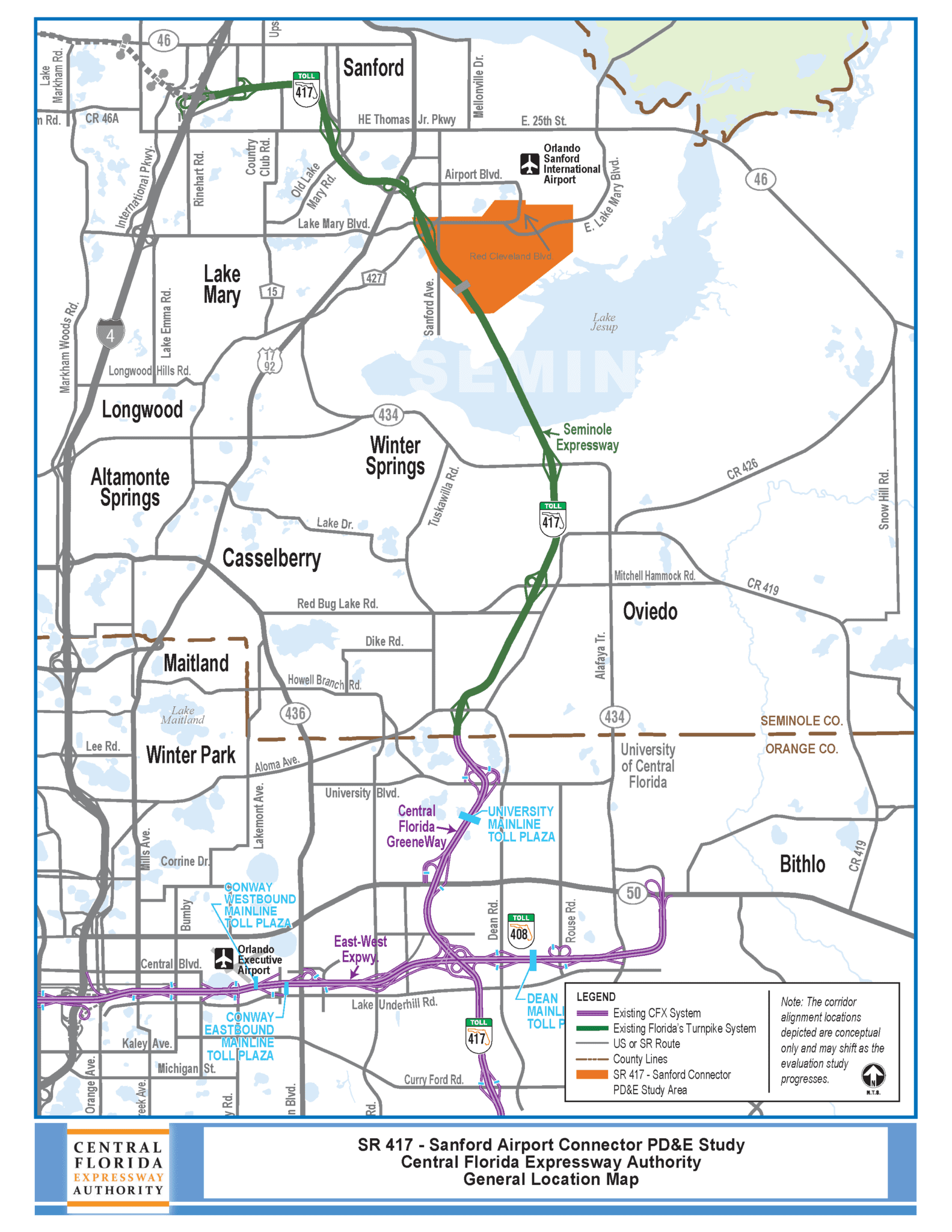
Sanford is located approximately 30 miles north of downtown Orlando and roughly 45 to 55 miles from the Walt Disney World Resort area.
- Rental Cars: Almost all major rental car agencies (Hertz, Enterprise, Budget) are located on-site, just across from the baggage claim.
- Ride-Share: Uber and Lyft operate freely at SFB. Expect to pay between $60 and $100 for a ride to the theme park area, depending on the time of day and surge pricing.
- SunRail: While the SunRail commuter train has a station in Sanford, it is not located at the airport. You would need a taxi or shuttle to reach the station, and the train does not run on weekends.
Check-in Deadlines
Because carriers like Allegiant and Flair are "no-frills," they strictly enforce check-in and bag-drop deadlines. Typically, check-in counters close exactly 45 minutes prior to departure. If you are not in line by then, you will likely be denied boarding. We recommend arriving at the airport at least 2 hours before your flight, even though the airport is small.
Baggage and Fee Policies
The airlines at SFB almost exclusively utilize a "bundled" pricing model. Your base fare covers only a small personal item that fits under the seat. Carry-on bags and checked bags incur additional fees, which are significantly higher if paid at the airport rather than during the online booking process.
The Future of SFB: New Airlines on the Horizon?
As we move through 2026, the Sanford Airport Authority continues to court new "Hybrid" and "Low-Cost" carriers. There is ongoing discussion regarding the potential entry of airlines like Avelo or Breeze Airways, which utilize a similar business model to Allegiant. While no official expansion has been finalized as of mid-2026, the ongoing terminal improvements and runway extensions are designed to accommodate larger aircraft and a more diverse range of airlines.
Furthermore, the growth of the Sanford area as a tech and aerospace hub (with nearby Embry-Riddle Aeronautical University and various defense contractors) has increased the demand for regional business travel. This could eventually lead to a "feeder" airline connecting SFB to a major hub like Charlotte or Atlanta, though the airport currently remains focused on the leisure market.
Frequently Asked Questions
Which airline has the most flights from Sanford Florida Airport?
Allegiant Air is the dominant carrier at SFB, providing over 90% of the airport's scheduled domestic service. They fly to over 70 destinations across the United States, primarily focusing on point-to-point service between Sanford and smaller regional airports.
Does Southwest or Delta fly into Sanford?
No, major legacy carriers like Delta, United, and American, along with large low-cost carriers like Southwest, operate exclusively out of Orlando International Airport (MCO). Sanford (SFB) is specialized for ultra-low-cost carriers (ULCCs) and charter operations.
How far is the Sanford airport from Disney World?
Sanford Airport is approximately 45 to 55 miles from the Walt Disney World Resort. Depending on traffic (which can be heavy on I-4), the drive typically takes between 50 and 75 minutes. Travelers should budget for tolls if using the 417 (Greeneway) expressway, which is often the fastest route.
Can I fly internationally from Sanford?
Yes, you can fly internationally from Sanford, primarily to Canada via Flair Airlines. There are also occasional charter flights to the Caribbean and Central/South America, though these are often seasonal or part of private tour packages.
Is there a shuttle between SFB and MCO?
There is no official airport-to-airport shuttle. Passengers needing to transfer between Sanford (SFB) and Orlando International (MCO) must use ride-share services, private car services, or a combination of local taxis. The trip takes about 45 minutes under normal traffic conditions.
Final Recommendation for Travelers
For the best experience when flying from Sanford, download the Allegiant or Flair mobile app before arriving at the airport. Because these airlines prioritize digital interaction, having your boarding pass on your phone and pre-paying for your luggage will save you significant time and money. If you are looking for a low-stress, "small-town" airport feel with the benefit of Florida's sunshine, SFB remains an excellent choice in 2026.