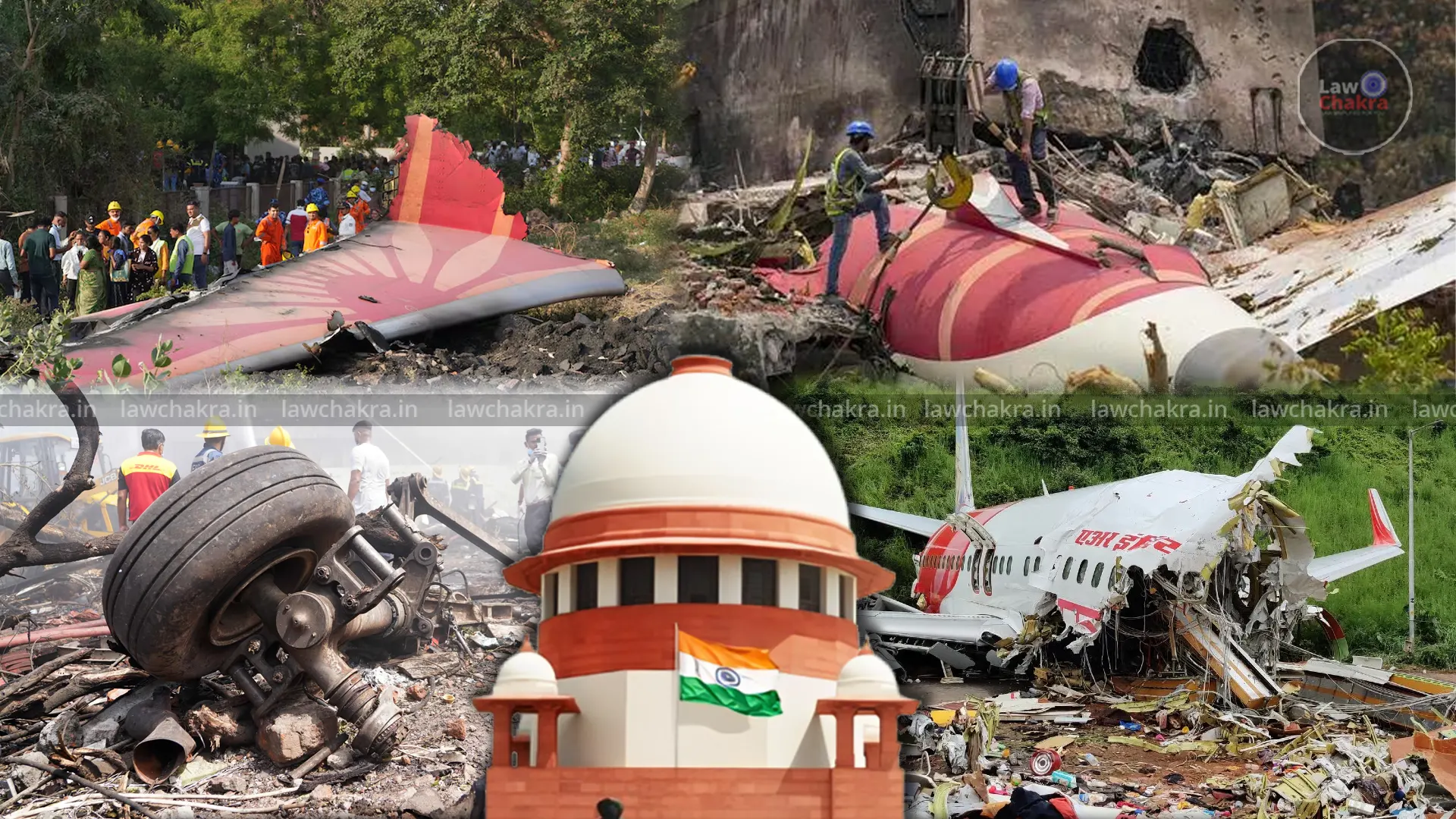
Air India has faced several significant aviation tragedies over its decades-long history, most notably the 1985 bombing of Flight 182 and the tabletop runway accidents in Mangalore (2010) and Kozhikode (2020). These events have fundamentally reshaped global aviation security, cockpit resource management (CRM), and safety protocols specifically designed for challenging geographic terrains and monsoon weather conditions.
Aviation safety is a discipline built upon the lessons of the past. For Air India, the national carrier of India—now under the private stewardship of the Tata Group as of 2026—the road to its current safety standards has been paved with tragic losses. Understanding these "Air India tragedies" requires looking beyond the immediate loss of life to the systemic failures, technical malfunctions, and human factors that investigators identified in the aftermath. By analyzing these events, the industry has developed more robust air traffic control (ATC) procedures, enhanced security screening, and stricter pilot training requirements.
The 1985 Air India Flight 182 "Kanishka" Bombing
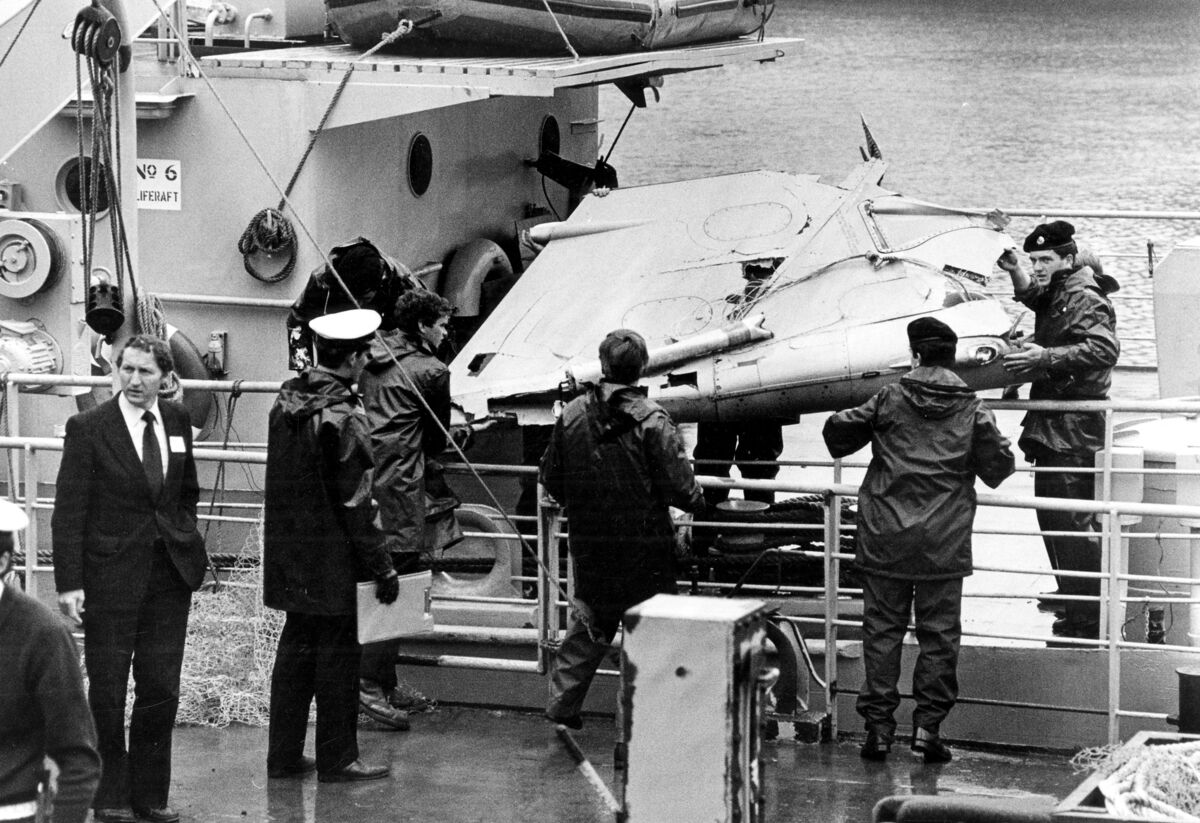
The most devastating tragedy in the airline’s history occurred on June 23, 1985. Air India Flight 182, a Boeing 747 named "Kanishka," was en route from Montreal to Delhi via London. While flying at 31,000 feet over the Atlantic Ocean, off the coast of Ireland, a bomb exploded in the forward cargo hold. All 329 people on board, including 268 Canadian citizens and 24 Indian citizens, were killed.
The Security Failure
The investigation, spearheaded by the Transportation Safety Board of Canada and Indian authorities, revealed a catastrophic failure in baggage security protocols. A passenger named "M. Singh" checked in a suitcase at Vancouver International Airport but did not board the flight. At the time, the practice of passenger-baggage reconciliation—ensuring every bag on a plane belongs to a passenger who has actually boarded—was not strictly enforced for connecting flights.
The explosion was linked to extremist groups seeking to retaliate against the Indian government following "Operation Blue Star." A second bomb, intended for another Air India flight, exploded prematurely at Tokyo’s Narita Airport, killing two baggage handlers. This dual-event highlighted a coordinated effort to target the airline on a global scale.
Legacy and Legal Aftermath
The Kanishka bombing remains the deadliest act of aviation terrorism prior to the September 11 attacks. It led to the Commission of Inquiry into the Investigation of the Bombing of Air India Flight 182, which criticized the Canadian Security Intelligence Service (CSIS) and the Royal Canadian Mounted Police (RCMP) for failing to act on intelligence that could have prevented the tragedy. Today, the tragedy is a cornerstone of aviation security training, emphasizing the absolute necessity of rigorous baggage screening and the "positive passenger-baggage reconciliation" (PPBM) rule now used worldwide.
The Mont Blanc Accidents: Flight 245 and Flight 101
In a chilling historical coincidence, Air India lost two major aircraft near the summit of Mont Blanc in the French Alps, 16 years apart. These tragedies are often cited in studies of controlled flight into terrain (CFIT).
Air India Flight 245 (1950)
On November 3, 1950, a Lockheed L-749 Constellation named "Kanchenjunga" crashed into the mountain while descending toward Geneva. All 48 people on board perished. The investigation suggested that the pilot likely miscalculated the aircraft's position relative to the mountain peaks due to heavy cloud cover and strong winds.
Air India Flight 101 (1966)
On January 24, 1966, a Boeing 707 named "Princess of India" crashed into nearly the same spot on Mont Blanc. This flight carried 117 people, all of whom died, including the renowned Indian nuclear physicist Homi J. Bhabha. The French Bureau of Enquiry and Analysis (BEA) concluded that the pilot erroneously believed he had passed the summit and began a premature descent. The crash remains a subject of significant historical interest, partially due to the high-profile nature of Bhabha's work and the occasional discovery of debris—and even mailbags—thawing out of the glaciers decades later.
The 2010 Air India Express Flight 812: Mangalore
On May 22, 2010, Air India Express Flight 812, a Boeing 737-800 arriving from Dubai, overran the runway at Mangalore International Airport. The aircraft plunged over a cliff at the end of the "tabletop" runway and burst into flames, killing 158 of the 166 people on board.
Human Factors and Pilot Fatigue
The Court of Inquiry, established by the Ministry of Civil Aviation, found that the primary cause of the accident was the captain’s failure to discontinue a "non-stabilized approach." Despite warnings from the first officer to "go-around," the captain persisted in landing the aircraft too far down the runway.
Analysis of the Cockpit Voice Recorder (CVR) revealed heavy snoring from the captain during the flight, indicating "sleep apnea" or significant fatigue. This tragedy brought the issue of "pilot fatigue" and "controlled rest" to the forefront of Indian aviation regulation. It also highlighted the inherent risks of tabletop runways, where there is little to no "safety area" at the end of the tarmac.
The 2020 Air India Express Flight 1344: Kozhikode
On August 7, 2020, another Air India Express Boeing 737-800 crashed under remarkably similar circumstances to the Mangalore tragedy. Flight 1344, a "Vande Bharat Mission" repatriation flight from Dubai, overshot the tabletop runway at Kozhikode (Calicut) during a heavy monsoon storm. The plane fell into a 35-foot gorge and split into two. Of the 190 people on board, 21 were killed, including both pilots.
The Role of Tabletop Runways and RESA
The Aircraft Accident Investigation Bureau (AAIB) report detailed several contributing factors:
- Non-adherence to SOPs: The pilot failed to follow Standard Operating Procedures for landing in tailwind conditions on a wet runway.
- The "Stabilized Approach" Rule: The pilot attempted a second landing after a failed first attempt, but the approach was not "stabilized," meaning the speed and altitude were not within safe limits at the threshold.
- Runway End Safety Area (RESA): While the airport met regulatory requirements, the tragedy sparked a debate on whether tabletop runways require significantly longer RESAs or "EMAS" (Engineered Materials Arrestor Systems) to stop aircraft that overshoot.
Comparison of Major Air India Accidents
The following table summarizes the technical data and outcomes of the most significant Air India tragedies.
| Date | Flight Number | Aircraft Type | Location | Primary Cause | Fatalities |
|---|---|---|---|---|---|
| Nov 3, 1950 | AI 245 | Lockheed Constellation | Mont Blanc, France | CFIT (Navigation error) | 48 |
| Jan 24, 1966 | AI 101 | Boeing 707 | Mont Blanc, France | CFIT (Descent error) | 117 |
| June 23, 1985 | AI 182 | Boeing 747-237B | Atlantic Ocean | Terrorism (Bombing) | 329 |
| May 22, 2010 | IX 812 | Boeing 737-800 | Mangalore, India | Pilot Error / Fatigue | 158 |
| Aug 7, 2020 | IX 1344 | Boeing 737-800 | Kozhikode, India | Unstabilized Approach | 21 |
Safety Transformations and Modern Improvements
In the years leading up to 2026, the landscape of Air India's safety management has undergone a radical shift. The transition from government ownership to the Tata Group initiated a "safety-first" culture overhaul.
Fleet Modernization and Technology
As of 2026, Air India has retired many of its older airframes, replacing them with state-of-the-art aircraft like the Airbus A350 and the Boeing 787 Dreamliner. These modern planes are equipped with advanced Terrain Awareness and Warning Systems (TAWS) and Ground Proximity Warning Systems (GPWS) that significantly reduce the risk of Controlled Flight Into Terrain (CFIT), which caused the Mont Blanc tragedies.
Enhanced Pilot Training
Following the Mangalore and Kozhikode incidents, the Directorate General of Civil Aviation (DGCA) implemented stricter norms for "fatigue risk management systems" (FRMS). Air India's current training modules utilize high-fidelity simulators that specifically recreate the challenging landing conditions of India's tabletop airports (Mangalore, Kozhikode, and Lengpui). Pilots now undergo rigorous "psychometric testing" and more frequent medical evaluations to identify potential sleep disorders.
Infrastructure Upgrades
The Indian government and airport authorities have invested in upgrading runway safety. This includes the installation of Instrument Landing Systems (ILS) of higher categories and expanding the Runway End Safety Areas (RESA) wherever geographically possible. These physical modifications aim to provide a "buffer" for aircraft in the event of an overshoot, addressing the primary physical cause of the 2010 and 2020 accidents.
Frequently Asked Questions
What is a "Tabletop Runway" and why is it dangerous?
A tabletop runway is a runway located on the top of a hill or plateau with deep gorges or cliffs at one or both ends. These runways are visually deceptive for pilots and leave zero margin for error during an overshoot. If a pilot fails to stop the aircraft within the paved surface, the plane does not merely run into grass; it falls off the edge, often leading to structural failure and fire, as seen in the Mangalore and Kozhikode tragedies.
Was anyone ever convicted for the Air India Flight 182 bombing?
The legal proceedings following the 1985 bombing were among the most expensive and lengthy in Canadian history. Only one person, Inderjit Singh Reyat, was convicted of manslaughter in connection with the construction of the bombs. The main suspects, Ripudaman Singh Malik and Ajaib Singh Bagri, were acquitted in 2005 due to a lack of sufficient evidence, a verdict that remains controversial and painful for the victims' families.
How has the Tata Group changed Air India’s safety since the takeover?
Since the 2022 takeover, the Tata Group has implemented a "Centralized Safety Management System" (SMS). This includes real-time flight data monitoring (FDM), where every flight's parameters are analyzed for deviations from standard procedures. They have also invested heavily in a new training academy to ensure that the "human factor" errors that contributed to previous tragedies are minimized through continuous education and a "non-punitive" reporting culture.
Are tabletop runways in India still in use in 2026?
Yes, tabletop runways in Mangalore and Kozhikode remain operational as they are vital for regional connectivity. However, they are now subject to much stricter operating conditions. During periods of heavy rain or excessive tailwinds, flights are frequently diverted to alternate airports with longer, standard runways. In 2026, new "arrestor bed" technologies are also being evaluated for these specific locations to further mitigate overshoot risks.
What should passengers know about Air India’s current safety rating?
As of 2026, Air India has worked to regain its standing in international safety audits, such as the IATA Operational Safety Audit (IOSA). While historical tragedies are a matter of record, the current airline operates under a completely different management structure and safety philosophy. Modern aviation safety is a result of learning from the very tragedies mentioned above, making today's flights statistically safer than at any point in the airline's history.
Practical Recommendations for Travelers
If you are traveling through regions with challenging terrain or during monsoon seasons, consider the following:
- Check Flight Status during Monsoons: Be prepared for diversions. Airlines are now more likely to divert to a safer airport rather than risk a difficult landing in poor visibility.
- Safety Briefings: Always pay attention to the safety briefing, regardless of your frequent-flyer status. Knowing the location of the nearest exit is critical in "survivable" accidents like the Kozhikode crash.
- Trust the Crew: Modern safety protocols prioritize the pilot's decision to "go-around" (abort a landing). If you experience a sudden increase in engine power and a climb during landing, it is a sign that the safety systems and pilot training are working as intended to prevent an accident.