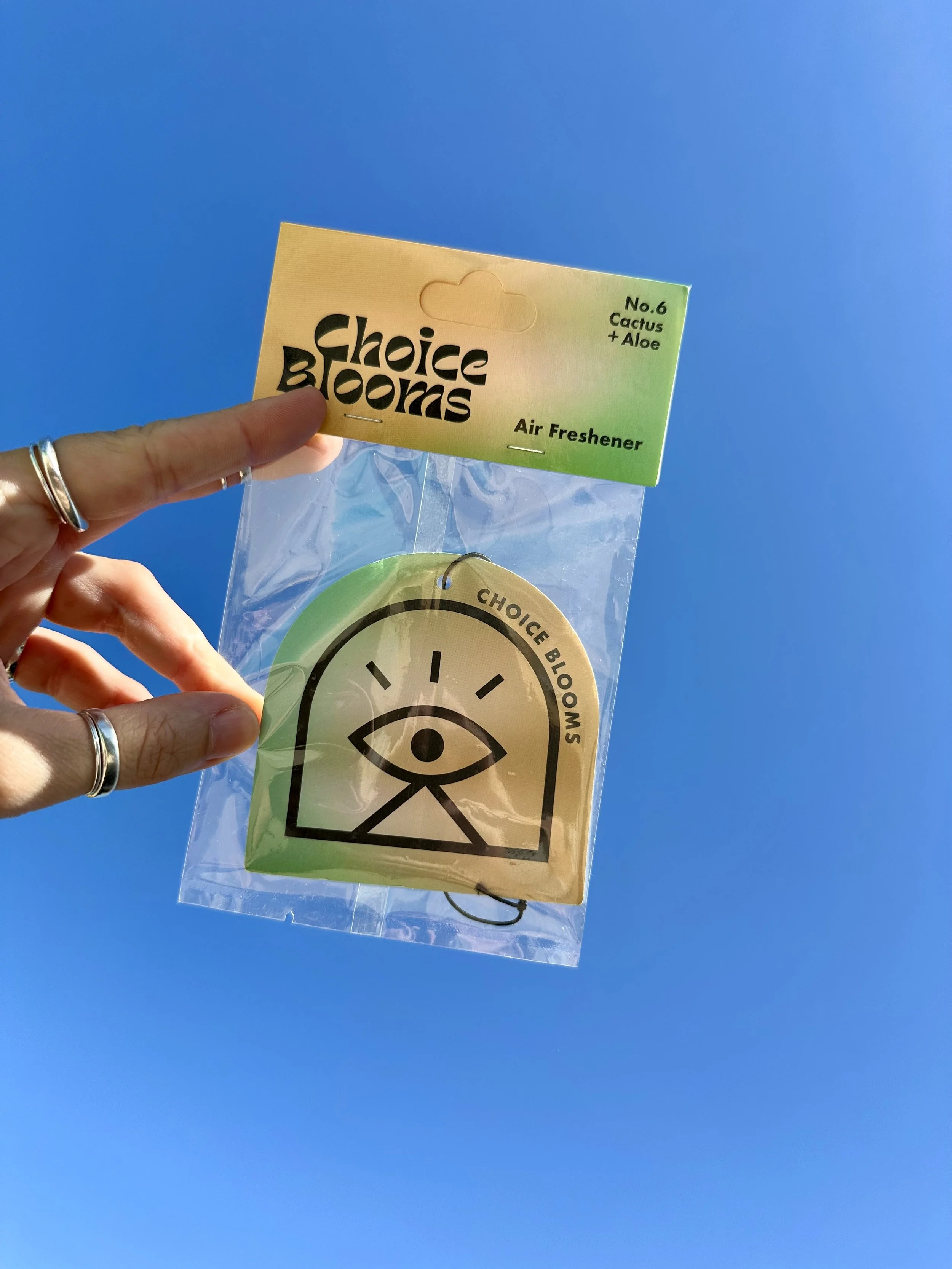
Air freshener ads shape consumer choice by leveraging sensory branding, emotional triggers, and psychological associations between scent and cleanliness. By shifting the narrative from functional odor elimination to lifestyle enhancement and "wellness," these campaigns manipulate the limbic system to establish brand loyalty, justify premium pricing, and redefine domestic hygiene standards.
The Evolution of Air Freshener Advertising: From Masking to Enhancing
The history of air freshener advertising is a journey from the pragmatic to the aspirational. In the mid-20th century, the primary goal of these products was functional: to hide unpleasant smells, particularly those associated with cooking, pets, or tobacco. Advertisements were often rooted in "shame marketing," suggesting that a home that smelled of life’s daily activities was a social failure.
By 2026, the landscape has shifted entirely. Modern advertising focuses on "ambiance creation" and "home fragrance curation." Brands no longer just sell a spray; they sell an environment. This transition is critical because it moves the product from a "grudge purchase" (something bought only when there is a problem) to a "lifestyle essential" (something bought to maintain a specific mood). This shift has significantly increased the frequency of purchase and the diversity of delivery systems, such as automated diffusers, smart-home integrated plug-ins, and luxury reeds.
The Neurological Connection: How Ads Bypass Logic
Scent is the only sense with a direct line to the limbic system, the part of the brain responsible for emotion and memory. Unlike visual or auditory advertisements that are processed through the thalamus, olfactory-related marketing taps into deep-seated subconscious triggers. While a television or digital ad cannot literally emit a scent (though haptic and scent-synced tech is emerging in niche 2024–2026 experimental markets), the visual and auditory cues used in ads are designed to trigger "mental olfaction."
When an advertisement shows a slow-motion shot of dew-covered lavender or the crisp, blue light of a mountain morning, it activates the same neural pathways as the actual scent. This phenomenon, known as synesthesia-based marketing, allows brands to "prime" the consumer. By the time the shopper reaches the retail aisle, the visual branding on the shelf triggers the emotional state promised by the ad—be it "tranquility," "energy," or "safety."
Strategic Narrative Techniques in Modern Campaigns
Advertising agencies utilize specific narrative frameworks to ensure their products stand out in a saturated market. In 2026, these strategies are more sophisticated, often utilizing data-driven insights to target specific consumer anxieties or desires.
The "Noseblindness" Phenomenon
One of the most successful psychological campaigns in the history of the industry is the concept of "noseblindness" (olfactory adaptation). Ads educate consumers on the fact that they cannot smell their own home's odors because they have become accustomed to them. This creates a sense of "hidden risk," prompting the consumer to buy air fresheners as a form of social insurance. It effectively converts a subjective experience into a quantifiable need for a solution.
Wellness and Functional Scents
In the current 2026 market, air freshener ads have pivoted toward health and productivity. We see a rise in "neuro-scents"—fragrances marketed as being scientifically formulated to reduce cortisol levels, improve sleep quality, or increase focus. Advertising for these products uses clinical imagery, minimalist design, and testimonials from wellness influencers to position air care as a component of mental health maintenance rather than mere housekeeping.
Visual and Color Psychology in Scent Marketing
Since the product itself is invisible, the visual language of the advertisement must do the heavy lifting. Color psychology plays a vital role in shaping consumer choice by signaling the "category" of the scent before the consumer even reads the label.
| Color Palette | Associated Scent Category | Psychological Impact | Consumer Intent |
|---|---|---|---|
| Cool Blues & Whites | Linen, Rain, Arctic Air | Freshness, Purity, Sterility | Sanitization and deep cleaning. |
| Warm Oranges & Browns | Cinnamon, Vanilla, Spices | Comfort, Nostalgia, Warmth | Seasonal nesting and hosting guests. |
| Vibrant Greens | Eucalyptus, Forest, Herbal | Natural, Eco-friendly, Vitality | Connection to nature and health. |
| Deep Purples & Gold | Sandalwood, Midnight Rose | Luxury, Sophistication, Mystery | Premium experience and status. |
By consistently using these color codes, ads train the consumer to make split-second decisions at the point of sale. A consumer seeking stress relief will instinctively gravitate toward the soft purples and greens they’ve been conditioned to associate with relaxation through repeated ad exposure.
Market Segmentation: Targeting the 2026 Consumer
The "one size fits all" approach to air freshener ads has been replaced by hyper-segmentation. Understanding these segments is key to seeing how ads shape specific choices:
- The Eco-Conscious Minimalist: Ads for this group emphasize "plant-based" ingredients, essential oils, and the absence of phthalates or aerosols. The visual style is organic and stripped-back.
- The Tech-Integrated User: These ads focus on the Internet of Things (IoT). They showcase the convenience of controlling home scent via a smartphone or voice assistant, appealing to consumers who value automation and modern efficiency.
- The Luxury Fragrance Enthusiast: This segment treats air fresheners like fine perfume. Ads utilize high-fashion aesthetics, emphasizing the "notes" of the fragrance (e.g., base notes of oud, heart notes of jasmine) to justify a higher price point.
The Role of "Clean" Labeling and Transparency
In 2026, consumer skepticism regarding synthetic chemicals is at an all-time high. Consequently, ads have shifted to focus on "ingredient integrity." This shaping of consumer choice is subtle: by highlighting what is not in the product (e.g., "Paraben-Free," "Non-GMO"), brands create a new standard of "cleanliness" that is both literal (the air is fresh) and ethical (the product is safe).
This trend has forced traditional legacy brands to reformulate and rebrand. Advertising that focuses on "transparency" helps consumers feel empowered, even if the underlying chemical complexity remains high. The perception of safety, fostered through soft lighting and "green" buzzwords in commercials, becomes a primary driver for parents and pet owners.
Common Consumer Misconceptions Shaped by Advertising
While advertising provides information, it also creates certain biases that influence purchasing behavior:
- The "Natural" Fallacy: Many consumers choose "natural" air fresheners because ads depict them as safer. However, many essential oils used in these products can be irritants or allergens. The ads prioritize the feeling of nature over chemical specifications.
- The Over-Use of "Fresh": Advertising has broadened the definition of "fresh" to include scents that don't exist in nature (like "Sun-Drenched Linen"). Consumers now choose these synthetic profiles over actual fresh air, a phenomenon where the simulation of the scent becomes more desirable than the reality.
- Aerosol vs. Non-Aerosol: Despite the environmental push, many consumers still equate the "hiss" of an aerosol can with efficacy. Ads for non-aerosol alternatives often struggle to convey the same "instant" power, shaping a choice based on tactile and auditory feedback rather than chemical performance.
FAQs about Air Freshener Advertising
How do air freshener ads make me think my house smells bad?
Ads often use the "social shame" or "noseblindness" angle. By showing guests reacting subtly to a hidden odor or explaining that you can't smell your own home, they create a psychological "itch" that only their product can scratch. This makes you second-guess your environment, leading to a proactive purchase.
Why do most air freshener ads look the same?
This is due to the established "semiotics of scent." Since you can't smell through a screen, brands use standardized visual metaphors—like flowing silk, exploding fruit, or sunlit meadows—to communicate specific scent profiles quickly. Breaking these conventions risks confusing the consumer at the point of purchase.
Do "smart" air freshener ads actually change how we use the products?
Yes. By advertising "scheduled scenting" and "intensity control" via apps, brands move the consumer away from occasional use (spraying when needed) to constant consumption. This ensures the device is always running, which increases the "burn rate" of refills and creates a recurring revenue model.
Are "scent-free" air freshener ads a real thing?
In 2026, there is a growing market for odor neutralizers that have no scent of their own. Their advertising focuses on "molecular science" and "air purification." These ads appeal to consumers with sensory sensitivities or those who want a truly clean slate rather than a perfumed environment.
How has the "sustainability" trend changed air freshener ads?
Ads now prioritize refillable glass containers, biodegradable sticks, and concentrated formulas. This shapes consumer choice by making the buyer feel like they are making an environmentally responsible decision, even though the primary function of the product remains a luxury or non-essential item.
Practical Recommendation for Consumers
When navigated by the heavy influence of air freshener advertising, the best approach is to separate the "vibe" from the "vessel." Before purchasing, ignore the evocative imagery of the lavender fields or the promised "wellness" benefits and look directly at the ingredient list and the delivery mechanism.
If your goal is odor elimination, look for products containing charcoal or cyclodextrin rather than just heavy perfumes. If your goal is ambiance, consider the cost-per-hour of the refill systems, as many "smart" or "luxury" ads disguise high long-term maintenance costs with a low entry price for the initial device. By understanding the psychological levers being pulled in the 2026 advertising landscape, you can make a choice based on functional need rather than manufactured anxiety or aspirational moods.