In the high-heat environment of Gilbert, Arizona, air conditioning repair involves diagnosing and fixing mechanical or electrical failures in cooling systems to restore indoor climate control. Resolving these issues typically requires checking refrigerant levels, replacing electrical components like capacitors, or cleaning obstructed evaporator coils to ensure efficiency during the extreme summer temperatures characteristic of the Sonoran Desert.
Understanding the Gilbert Climate Impact on HVAC Systems
Living in Gilbert during 2026 means navigating a climate where summer temperatures frequently exceed 110°F for weeks at a time. This environment places an extraordinary load on residential and commercial HVAC (Heating, Ventilation, and Air Conditioning) systems. Unlike more temperate regions, a Gilbert air conditioner often runs for 12 to 18 hours a day during the peak of July and August. This high duty cycle accelerates the wear and tear on every internal component, from the compressor to the smallest electrical contactor.
The local geography also introduces specific challenges, notably the annual North American Monsoon. From late June through September, Gilbert experiences increased humidity and significant dust storms (haboobs). This fine desert dust acts as an abrasive and an insulator. When it enters the outdoor condenser unit, it coats the fins, reducing the system's ability to shed heat. If not addressed through professional repair and cleaning, this leads to higher energy bills, decreased cooling capacity, and eventual system seizure.
For homeowners in the East Valley, "repair" is often a race against time. A system failure at 2:00 PM on a Tuesday in August is not merely an inconvenience; it can quickly become a safety concern as indoor temperatures rise to dangerous levels. Understanding the mechanics of your system and the specific environmental stressors in Gilbert is the first step in managing your home's cooling health.
Common Symptoms Requiring Professional AC Repair
Recognizing the early warning signs of air conditioning failure can prevent a minor part replacement from escalating into a full system overhaul. In the Gilbert area, certain symptoms are more prevalent due to the heat and dust.
Inconsistent Cooling and Warm Air
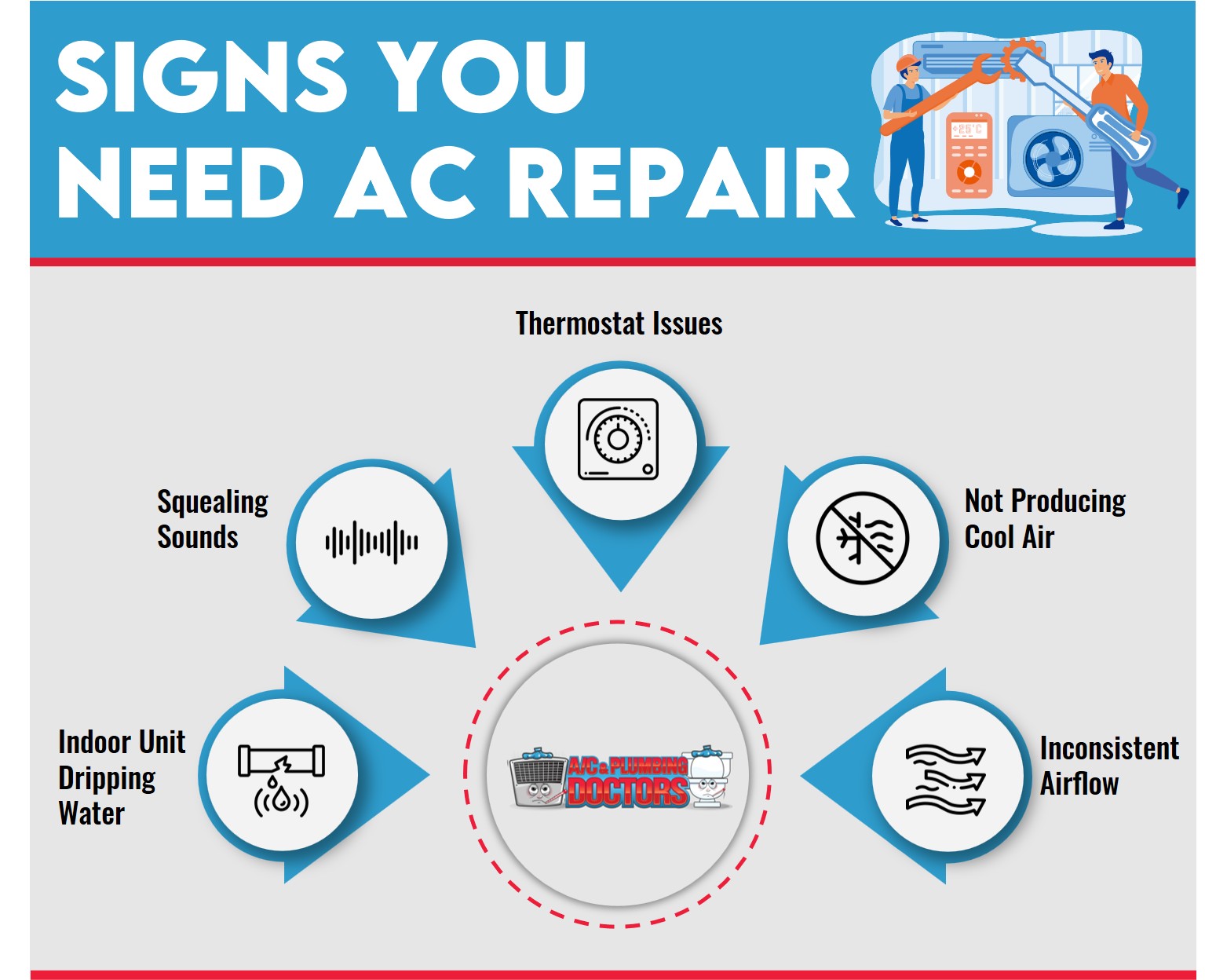
If your vents are blowing air that feels lukewarm or only slightly cool, the system is likely suffering from either a refrigerant leak or a failing compressor. In the 2026 landscape of HVAC technology, many systems utilize variable-speed compressors that may mask early signs of failure by running at higher speeds to compensate for low refrigerant. However, once the system can no longer maintain the set point on the thermostat, a repair technician must check for leaks using electronic sniffers or ultraviolet dye.
Frequent Cycles and Short-Cycling
Short-cycling occurs when the AC unit turns on and off rapidly without completing a full cooling cycle. This is exceptionally hard on the motor and the electrical grid. Common causes include an oversized unit, a failing thermostat, or an iced-over evaporator coil. In Gilbert’s dry heat, icing usually points to restricted airflow—often caused by a clogged filter or a thick layer of desert dust on the internal coils.
Unusual Noises and Odors
Modern AC units are designed to operate relatively quietly. If you hear grinding, squealing, or banging, it usually indicates a mechanical failure. A squealing sound often points to a worn-out fan belt or a failing motor bearing. A banging sound may suggest a loose part within the compressor. Additionally, the "dirty sock syndrome"—a musty smell—is common in Gilbert when moisture from the monsoon humidity mixes with dust on the coils, creating a breeding ground for bacteria that requires professional chemical cleaning.
The Evolution of Refrigerants in 2026: What Homeowners Need to Know
As of 2026, the HVAC industry has undergone a significant transition in refrigerant standards, driven by the Environmental Protection Agency's (EPA) AIM Act. The phase-down of R-410A is well underway, and many new systems installed in Gilbert over the last two years utilize A2L refrigerants like R-454B or R-32.
If you have an older system (pre-2023), repairs involving refrigerant can become increasingly expensive. R-410A supplies are tightening, leading to higher costs for recharging a system after a leak repair. It is critical to ensure that any technician performing a repair in Gilbert is EPA Section 608 certified and equipped to handle the specific requirements of these newer, mildly flammable refrigerants. Mixing different types of refrigerants is never an option and will lead to catastrophic system failure and the voiding of all warranties.
Furthermore, 2026 regulations emphasize leak detection and repair over simply "topping off" a system. Technicians are now more likely to recommend a permanent fix for a leak rather than a temporary recharge, both for environmental compliance and long-term system efficiency.
Average Costs for Air Conditioning Repair in Gilbert (2026)
Repair costs in the Phoenix metropolitan area vary based on the complexity of the component and the urgency of the service. Below is a breakdown of estimated costs for common AC repairs in the Gilbert area for the 2026 season.
| Repair Type | Estimated Cost (Parts & Labor) | Typical Duration |
|---|---|---|
| Service Call / Diagnostic Fee | $85 – $160 | 30 – 60 Minutes |
| Capacitor Replacement | $175 – $380 | 30 – 45 Minutes |
| Contactor Replacement | $150 – $300 | 30 – 45 Minutes |
| Refrigerant Recharge (R-410A) | $150 – $300 per lb | 1 – 2 Hours |
| Blower Motor Replacement | $500 – $1,100 | 2 – 3 Hours |
| Condenser Fan Motor | $400 – $850 | 1 – 2 Hours |
| Evaporator Coil Repair/Cleaning | $450 – $1,200 | 2 – 4 Hours |
| Thermostat Replacement (Smart) | $250 – $600 | 1 Hour |
Note: Prices are estimates and can be influenced by brand-specific parts, emergency "after-hours" surcharges, and the specific accessibility of the unit (e.g., rooftop vs. ground level).
DIY vs. Professional Repair: When to Call an Expert
In an era of online tutorials, many Gilbert residents attempt to troubleshoot their own AC units. While some basic maintenance is encouraged, most repairs require professional intervention for safety and warranty reasons.
What You Can Do Safely
- Filter Changes: This is the single most important task for a Gilbert homeowner. In 2026, high-efficiency MERV 11 or 13 filters are standard. These should be checked monthly during the summer.
- Thermostat Batteries: If your display is blank, start here.
- Circuit Breakers: If the unit won't turn on, check the electrical panel. However, if the breaker trips a second time after being reset, do not try again; this indicates a dangerous electrical short.
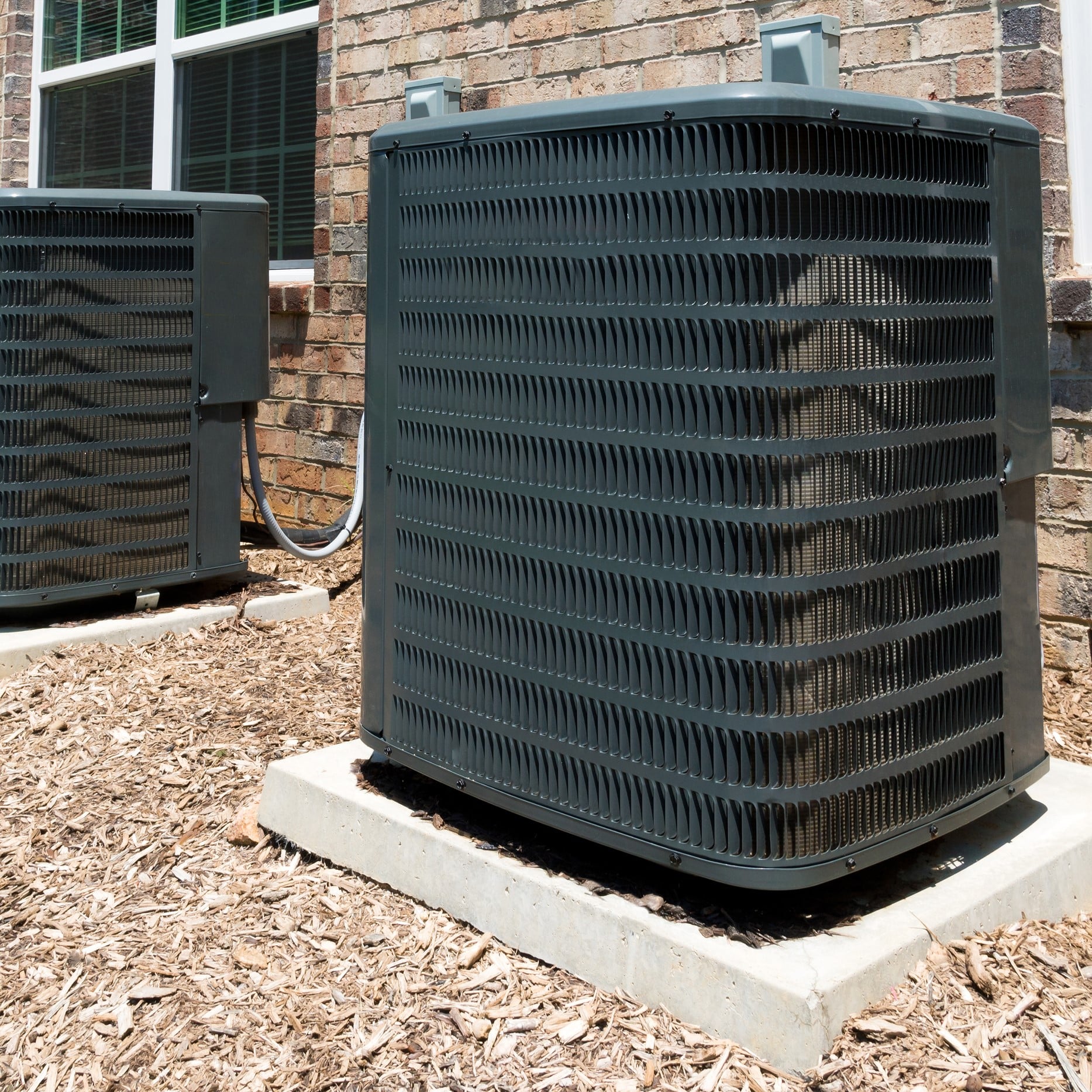
- Clear Debris: Ensure the outdoor condenser has at least two feet of clearance from desert landscaping, bushes, or stored items.
When to Call a Licensed Technician
Electrical components like capacitors store high-voltage electricity even when the power is off, posing a risk of electrocution. Handling refrigerants requires specialized vacuum pumps, manifolds, and recovery tanks, as well as federal certification. Attempting to "DIY" these repairs can lead to personal injury, further system damage, and the immediate voiding of any manufacturer warranties. In Arizona, major HVAC work should be performed by contractors licensed by the Arizona Registrar of Contractors (ROC).
Selecting a Qualified HVAC Contractor in Gilbert
The density of HVAC companies in the East Valley can make selection difficult. To ensure a high-quality repair, follow these verification steps:
- Check the ROC License: Always verify that the company holds an active "CR-39" (Air Conditioning and Refrigeration) license. This ensures they meet the state's bonding and insurance requirements.
- Inquire About NATE Certification: The North American Technician Excellence (NATE) certification is the industry gold standard. It indicates the technician has passed rigorous testing on actual field knowledge.
- Read Local Reviews: Look for specific mentions of "Gilbert" or "East Valley" in reviews. Companies that understand the local soil and dust conditions are better prepared for the specific failures common in our area.
- Request Upfront Pricing: Reputable companies in 2026 provide "flat-rate" pricing after the diagnostic is complete, rather than an hourly rate that can fluctuate.
Avoid "blow-and-go" companies that offer suspiciously low service call fees only to insist on a full system replacement once they arrive. A good repair technician will provide options: a short-term fix to get you through the week and a long-term solution for system reliability.
Preventive Maintenance: Avoiding Emergency Repairs
The best repair is the one you never have to make. In Gilbert, a bi-annual maintenance schedule is the standard for 2026. This typically involves a "Spring Tune-Up" before the first 100-degree day and a "Fall Check" before the heating season (which, while brief in Gilbert, is still necessary).
During a professional maintenance visit, the technician will:
- Tighten all electrical connections that may have loosened due to unit vibration.
- Check the "delta-T"—the temperature difference between the return air and the supply air—to ensure optimal heat exchange.
- Clean the condensate drain line. In the humid monsoon months, these lines often clog with algae or "sludge," leading to water damage inside the home.
- Measure the amperage draw of the motors to detect early signs of failure before a total breakdown occurs.
By investing in preventive care, Gilbert homeowners can extend the life of their system by 30% to 50%, a significant saving considering the rising costs of full system replacements in the current economy.
Troubleshooting Common AC Failures
Before placing a service call, use this checklist to rule out simple issues that might save you the cost of a diagnostic fee.
The System Won't Turn On
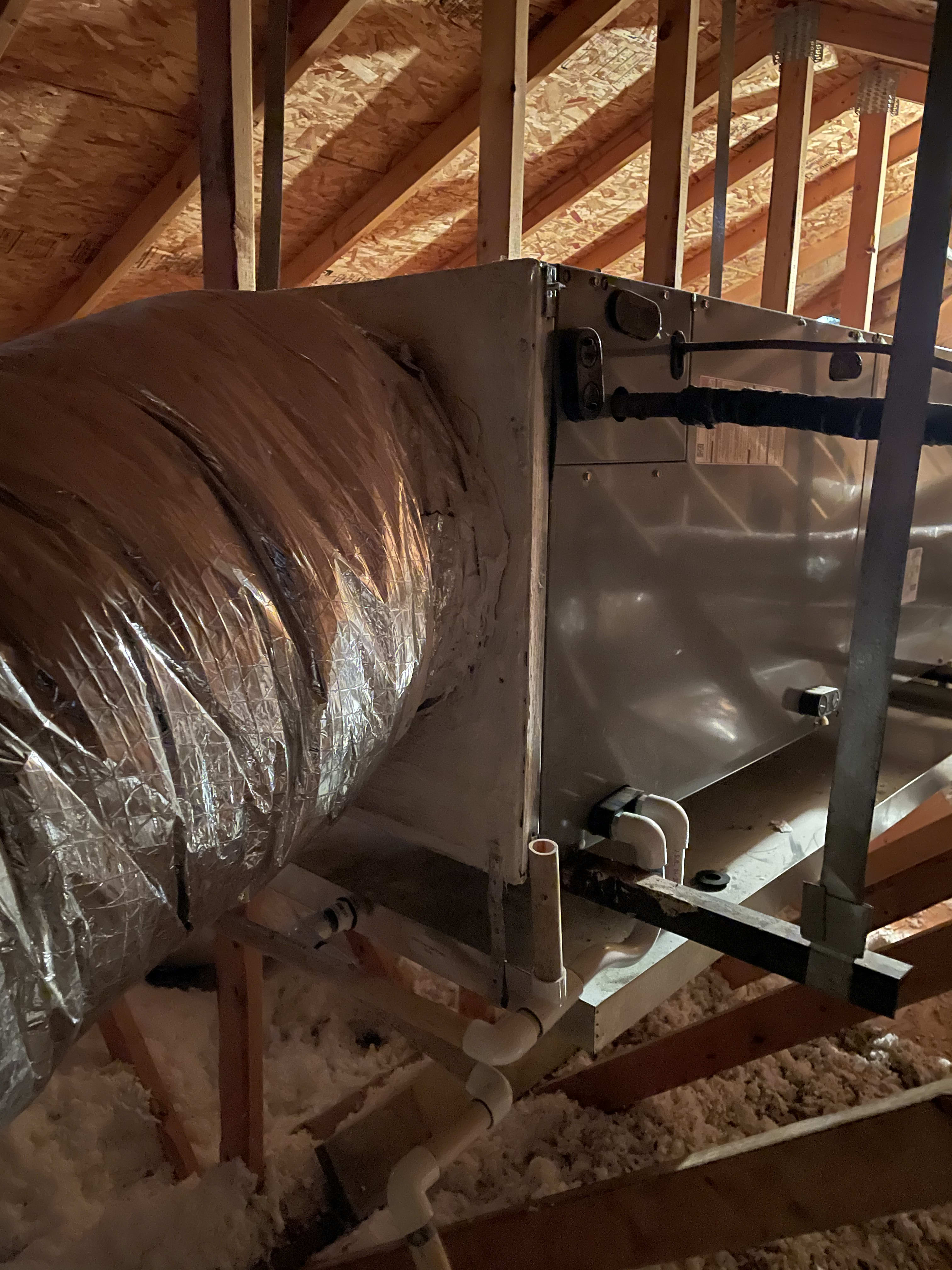
Check the thermostat settings. Ensure it is set to "Cool" and the "Auto" fan setting. Check your home’s electrical panel for a tripped breaker. Finally, check the "float switch" near your indoor air handler. If the drain line is clogged, this switch will automatically cut power to the system to prevent a flood.
The Air is Blowing, but It Isn't Cold
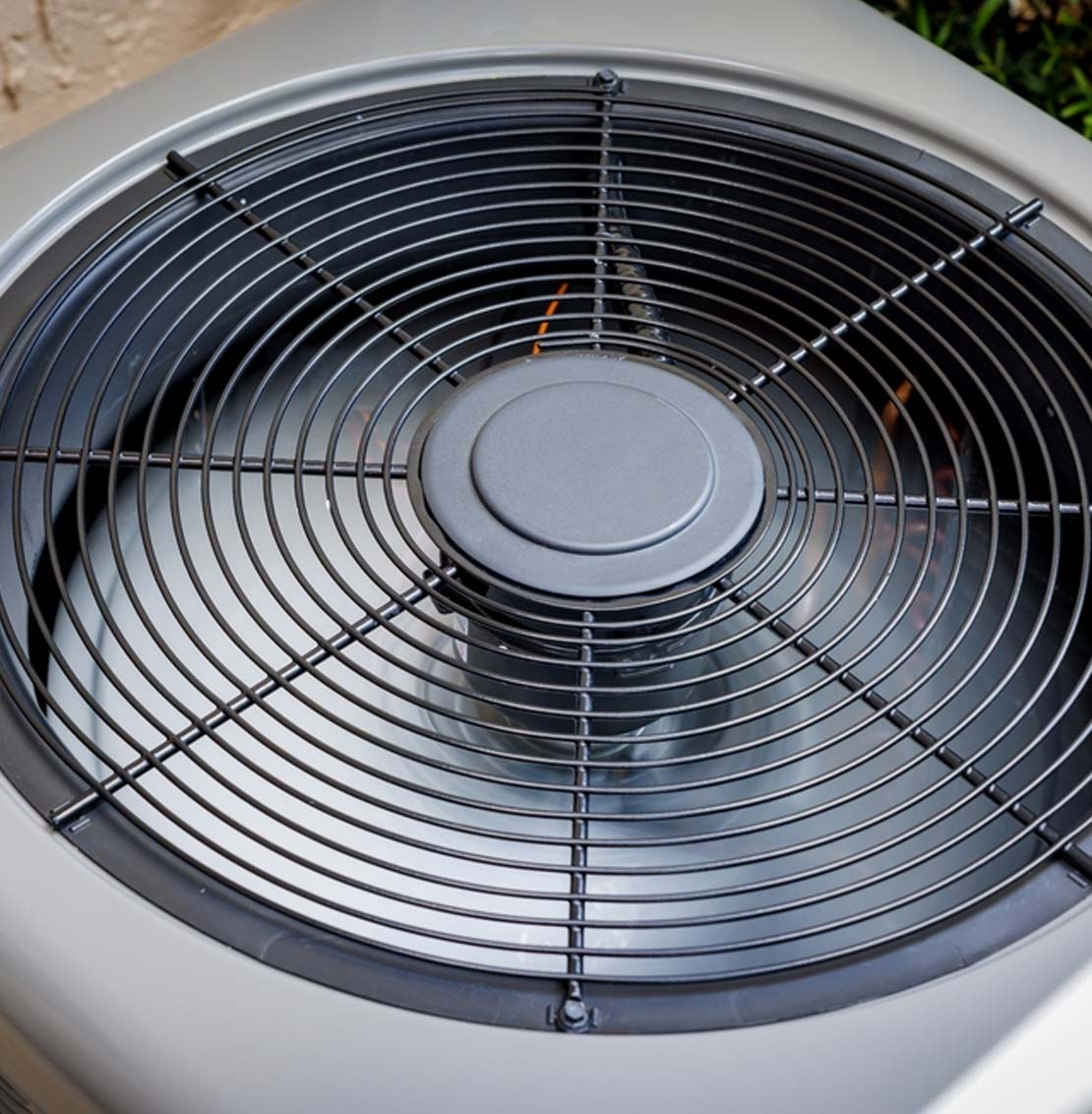
Go outside and listen to the condenser. If the fan is spinning but you don't hear the hum of the compressor, the capacitor has likely failed—a common occurrence in the Gilbert heat. If the outdoor unit is completely silent despite the indoor fan running, there may be an issue with the contactor or the 24-volt transformer.
Water is Leaking Near the Indoor Unit
This is almost always a drainage issue. In Gilbert's 2026 monsoon season, the humidity can cause your system to pull gallons of water from the air. If the drain line is blocked by dust or debris, the water will back up into the secondary drain pan. Clear the line with a shop-vac or call a professional to flush the system.
FAQs About Air Conditioning Repair in Gilbert
Why did my AC capacitor fail during the first Gilbert heatwave?
Capacitors are responsible for providing the initial "jolt" of energy to start your motors. They are extremely sensitive to heat. When Gilbert temperatures rise, the internal chemicals in a capacitor expand. Over time, this leads to a loss of capacitance or a physical "bulge" and eventual failure. High-quality, American-made capacitors are often recommended in 2026 as more durable replacements for standard parts.
How often should I change my AC filters in Gilbert?
During the peak cooling season (May through September), you should check your filters every 30 days. If you have pets or live near new construction—which is common in the expanding areas of South Gilbert—you may need to change them more frequently. A clogged filter restricts airflow, forcing the system to work harder and significantly increasing the risk of a frozen evaporator coil.
Is it worth repairing an AC unit that is 10 years old?
In Gilbert's climate, a 10-to-12-year-old unit is nearing the end of its functional life. While a $300 repair is usually worth it, if you are facing a major repair like a compressor replacement (upwards of $2,000), it is often more cost-effective to upgrade to a newer, high-SEER2 (Seasonal Energy Efficiency Ratio) system. Modern units are significantly more efficient and use newer refrigerants that are easier to service.
Why is my AC freezing up when it’s 110 degrees outside?
It seems counterintuitive, but AC units freeze when they cannot effectively transfer heat. This is usually caused by restricted airflow (dirty filters or blocked ducts) or a low refrigerant charge. When the refrigerant level is low, the pressure in the evaporator coil drops, causing the temperature of the coil to fall below freezing. This causes condensation to turn to ice, eventually blocking all airflow.
Does homeowners insurance cover AC repair in Gilbert?
Standard homeowners insurance typically covers AC damage only if it is caused by a "covered peril," such as a fire or a fallen tree. It does not cover wear and tear or mechanical failure. However, many Gilbert residents carry home warranties or specific HVAC equipment breakdown coverage, which may cover the cost of parts and labor for typical repairs.
Final Recommendations for Gilbert Residents
To ensure your home remains a sanctuary during the intense Arizona summer, prioritize a relationship with a local, licensed HVAC company before an emergency strikes. Maintenance is significantly cheaper than emergency repair, and in 2026, the complexity of modern systems makes professional oversight more valuable than ever. Always insist on a written estimate, verify the contractor’s ROC status, and keep a log of all services performed to maintain your equipment's warranty. If your system is over a decade old, start budgeting for a transition to newer, high-efficiency technology that can better handle the rigors of the Gilbert climate.