Air Canada offers a comprehensive dining experience on international flights, featuring multi-course meals in Signature Class and complimentary hot meals in Economy. With menus curated by award-winning Canadian chefs and options for diverse dietary requirements, passengers can expect regionally inspired cuisine designed to withstand the effects of high-altitude travel.
The Evolution of Air Canada’s International Dining Strategy
By 2026, Air Canada has solidified its reputation for "high-altitude haute cuisine" by integrating localized ingredients and sustainable practices across its global network. The airline’s culinary strategy is built on three pillars: culinary excellence through chef partnerships, nutritional balance for long-haul wellness, and environmental responsibility. Unlike domestic "Bistro" services where food is often for purchase, international long-haul flights (typically those crossing the Atlantic or Pacific, or traveling to South America) provide inclusive meal services that vary significantly by cabin class.
The physics of taste changes at 35,000 feet, where low humidity and cabin pressure can reduce the sensitivity of sweet and salty taste buds by up to 30%. Air Canada addresses this by working with culinary partners like Chef David Hawksworth and Chef Vikram Vij to create dishes with bold flavor profiles, vibrant spices, and moisture-rich sauces that maintain their integrity during the reheating process.
Air Canada Signature Class: A Premium Culinary Journey
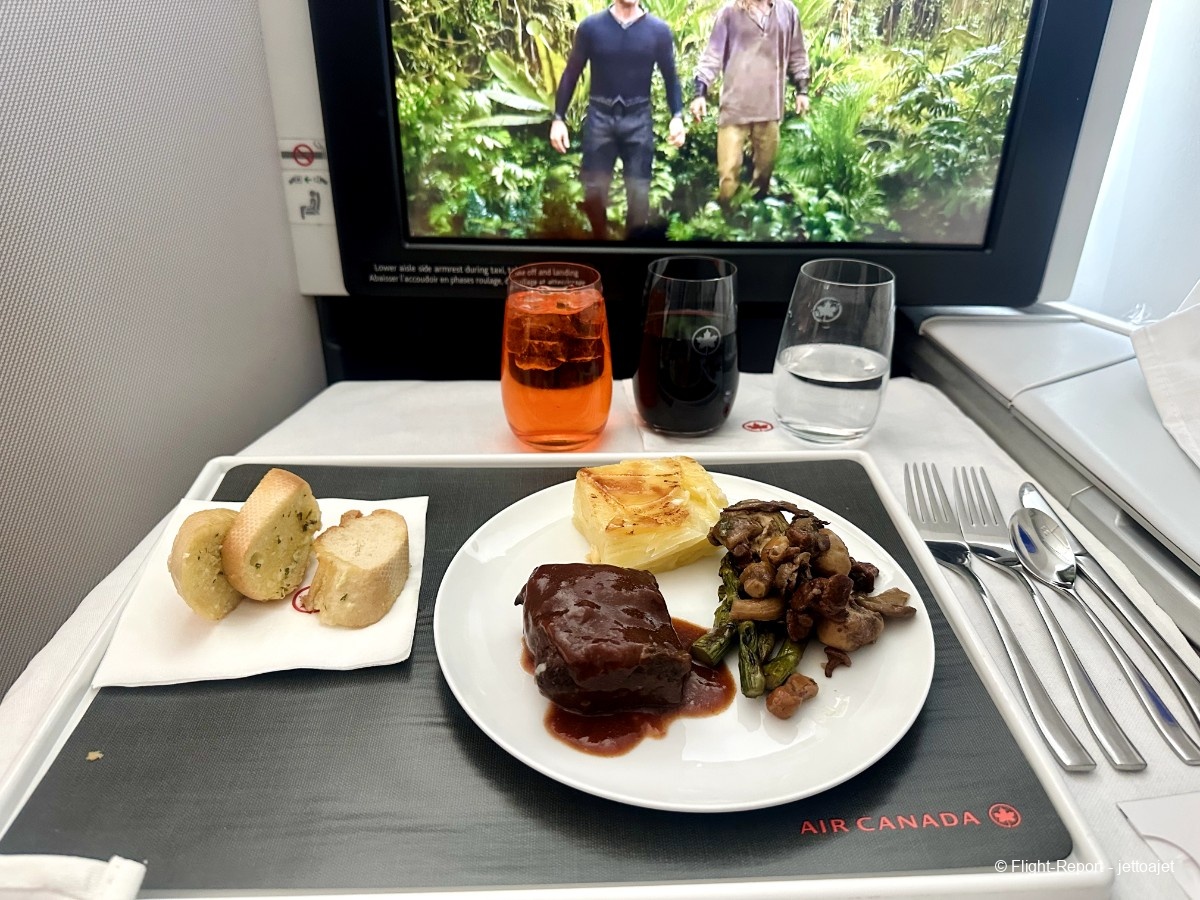
For travelers in the Signature Class (Air Canada’s premier international business product), the dining experience is designed to mirror a high-end restaurant. The service is structured to provide both luxury and flexibility, recognizing that business travelers often prioritize sleep or work over a long meal service.
Multi-Course Signature Dining
The standard international service begins shortly after takeoff with a warm nut mix and a choice of beverage. The main meal service typically includes:
- Appetizer Course: Often featuring seafood or cured meats, accompanied by a fresh seasonal salad.
- Main Course Options: Signature Class passengers usually choose from four different entrees. These typically include a beef option, a poultry or seafood selection, and a vegetarian dish.
- Cheese and Dessert: A selection of fine cheeses followed by a choice of a signature dessert (such as a chocolate ganache or fruit tart) and fresh fruit.
- Signature Bread: The airline has emphasized artisanal bread options, served warm with high-quality butter.
Chef Partnerships and Regional Influence
Air Canada leverages its "Culinary Panel" to define its menus. Chef David Hawksworth focuses on contemporary Canadian cuisine, often featuring ingredients like Alberta beef or Atlantic lobster. For flights to India, Chef Vikram Vij’s influence is evident in the authentic curries and spice blends. On flights to Asia, passengers often find regionally specific dishes such as ramen, congee, or bento-style presentations that cater to local palates.
The Signature Bar and Wine Program
The beverage program is a significant component of the Signature Class. Curated by sommelier Véronique Rivest, the wine list focuses on labels that perform well in pressurized environments. This includes a rotation of Canadian wines from the Okanagan Valley and Niagara Peninsula, alongside classic French champagnes and international vintages. The bar also features premium spirits, beers, and specialty coffees.
Premium Economy Dining: The Middle Ground
The Premium Economy cabin offers an elevated dining experience compared to standard Economy, bridging the gap with better presentation and enhanced ingredients. In 2026, the service continues to focus on "premium-ization" through the use of non-plastic dinnerware and glassware.
- Service Highlights: Meals are served on porcelain plates with stainless steel cutlery.
- Meal Structure: A hot breakfast or lunch/dinner service featuring a choice of two main courses. These are generally higher-quality proteins than those found in the back of the aircraft.
- Beverages: Passengers enjoy complimentary wine, spirits, and beer, often the same selection found in the Signature Class, though the overall variety may be slightly more curated.
Premium Economy is particularly popular on routes like Toronto to London or Vancouver to Tokyo, where the extra comfort is matched by a meal service that feels distinct from the standard coach experience.
International Economy Class: Standard Service and Quality
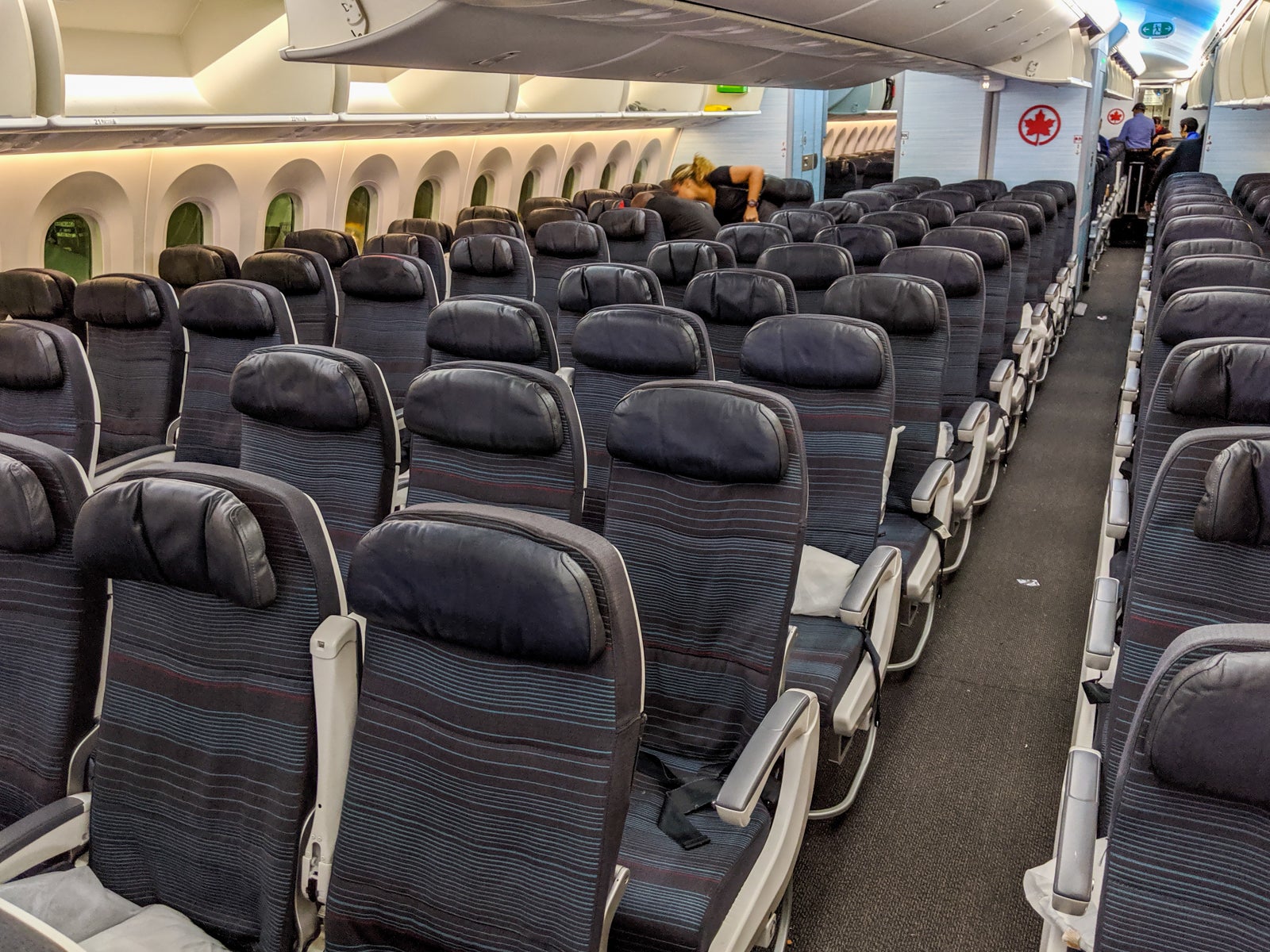
On international long-haul flights, Air Canada provides complimentary meal service to all Economy passengers. While simpler than the premium cabins, the airline has made strides in improving the nutritional value and portion sizes of these meals.
Main Meal Service
Shortly after reaching cruising altitude, Economy passengers receive a hot meal. This typically consists of:
- Main Dish: A choice between two hot entrees (often a chicken or pasta option).
- Side: A small salad or grain-based side dish.
- Dessert: A pre-packaged sweet treat or cake.
- Bread: A roll and butter.
Mid-Flight and Pre-Arrival Service
On ultra-long-haul flights (such as those exceeding 10 hours), a mid-flight snack is provided. This is usually a sandwich or a wrap, accompanied by a small treat like a chocolate bar. Approximately 90 minutes before landing, a second lighter meal—usually breakfast or a light snack—is served to ensure passengers are refreshed before arrival.
Complimentary Beverages
In International Economy, Air Canada provides complimentary spirits, wine, and beer, along with a full range of non-alcoholic beverages like juices, sodas, coffee, and tea. This remains a key differentiator from many domestic North American flights where alcohol is a paid amenity.
Special Meals: Dietary and Religious Requirements
Air Canada accommodates a wide range of dietary, medical, and religious needs through its special meal program. To ensure availability, these must be ordered at least 24 hours prior to departure through the "Manage My Booking" tool on the Air Canada website or mobile app.
| Meal Type | Code | Description |
|---|---|---|
| Asian Vegetarian | AVML | Meatless meal prepared with Indian spices and aromatics. |
| Hindu Meal | HNML | Non-vegetarian Indian style, containing meat (not beef) or fish. |
| Kosher Meal | KSML | Prepared under rabbinical supervision and sealed. |
| Muslim Meal | MOML | Halal-certified, containing no pork or alcohol. |
| Gluten-Intolerant | GFML | Prepared without wheat, rye, barley, or oats. |
| Vegan Meal | VGML | Contains no animal products, including eggs, dairy, or honey. |
| Low Fat | LFML | High fiber and low fat content; avoids fried foods. |
| Child Meal | CHML | Designed for children aged 2 to 12; familiar, mild flavors. |
It is important to note that if a passenger changes their flight within the 24-hour window, the special meal request may not transfer to the new flight. Passengers are encouraged to verify their meal status at the check-in counter.
Digital Integration and Pre-Ordering in 2026
By 2026, Air Canada has streamlined the dining experience through digital tools. Passengers can view the specific menu for their flight via the Air Canada app up to a week before departure. In many international markets, Signature Class and Premium Economy passengers can "pre-select" their main course choice. This not only ensures the passenger gets their first choice but also helps the airline reduce food waste by loading only what is necessary.
The digital menu also provides detailed ingredient lists and allergen information, a crucial development for travelers with severe food sensitivities. While the airline cannot guarantee a "nut-free" environment due to the presence of other passengers bringing their own snacks, the digital transparency allows for better self-management of dietary risks.
Sustainability in In-Flight Catering
As part of its commitment to net-zero emissions, Air Canada has implemented several changes to its food service. This includes the removal of most single-use plastics, replaced by bamboo cutlery, wooden stir sticks, and compostable packaging.
Furthermore, the airline prioritizes "shorter supply chains" by sourcing ingredients from local suppliers near its hubs in Toronto (YYZ), Montreal (YUL), and Vancouver (YVR). This not only supports Canadian agriculture but also ensures the freshness of the produce served on board. Excess food that is safe for consumption but cannot be served on subsequent flights is often diverted to local food recovery programs through partnerships with organizations like Second Harvest.
Navigating In-Flight Dining: Expert Advice
To maximize the dining experience on an Air Canada international flight, passengers should consider the following logistics:
- Hydration is Priority: The dry cabin air can dull taste and cause fatigue. Drink water before, during, and after your meal. Limit alcohol consumption, as its effects are magnified at high altitudes.
- Timing the Special Meal: If you order a special meal, you will typically be served before the rest of the cabin. This is helpful if you want to eat early and maximize sleep time.
- The "Dine on Demand" Option: In Signature Class, if the standard meal time doesn't suit your schedule, you can request an "Express Meal" (all courses served at once) or ask the flight attendant to hold your meal for a later time.
- Snack Baskets: On many long-haul routes, Air Canada maintains a snack basket in the galley area between meal services. If you get hungry between the main dinner and the pre-arrival breakfast, feel free to visit the galley for light snacks and water.
Frequently Asked Questions
Is food free on all Air Canada international flights?
On long-haul international flights (transatlantic, transpacific, and South American routes), food and beverages—including alcohol—are complimentary in all cabin classes. For international flights within North America (e.g., Canada to Mexico or the Caribbean), the "Air Canada Bistro" service usually applies in Economy, where food is available for purchase, though Signature Class still receives complimentary hot meals.
How do I see the menu for my specific flight?
You can view your menu through the Air Canada mobile app or the official website under the "My Bookings" section. Menus are generally available for viewing starting 7 days before departure.
Does Air Canada offer snacks between meals?
Yes. On long-haul international flights, Air Canada provides mid-flight snacks. In Signature Class and Premium Economy, this might include warm snacks or a fruit basket. In Economy, it usually consists of a packaged snack or a light sandwich, with additional snacks available in the galley upon request.
Can I request a nut-free meal on Air Canada?
While Air Canada can provide "Nut-Free" options as part of its special meal selections, the airline cannot guarantee a completely nut-free cabin. Other passengers may bring nuts on board, and traces may exist in the catering facility. It is recommended that passengers with severe allergies carry their own emergency medication (like an EpiPen).
Are alcoholic beverages free in Economy on international flights?
Yes, for most long-haul international routes, spirits, wine, and beer are complimentary in Economy Class. This is a standard feature of Air Canada's international service, unlike domestic or "Sun" destination flights where these items often carry a fee.
Final Recommendation
For the best experience with Air Canada international flights food, always confirm your meal preferences at least 48 hours in advance. If you have specific dietary needs, use the digital pre-order system to secure your choice. For those in Economy, consider bringing a few small, dry snacks as a backup, though the provided meal service is generally sufficient for the duration of the flight. If you value a high-end culinary experience, the Signature Class service, with its chef-led menus and sommelier-curated wines, remains one of the most competitive offerings in the North American market for 2026.