Air Canada’s flight schedule changes throughout 2024 were defined by a strategic pivot toward international expansion, fleet modernization, and significant contingency planning during high-stakes labor negotiations. These adjustments primarily served to centralize operations around major hubs like Toronto (YYZ), Montreal (YUL), and Vancouver (YVR) while navigating a complex regulatory environment under the Canadian Air Passenger Protection Regulations (APPR).
The Strategic Shift of 2024: Hub Centralization and International Growth
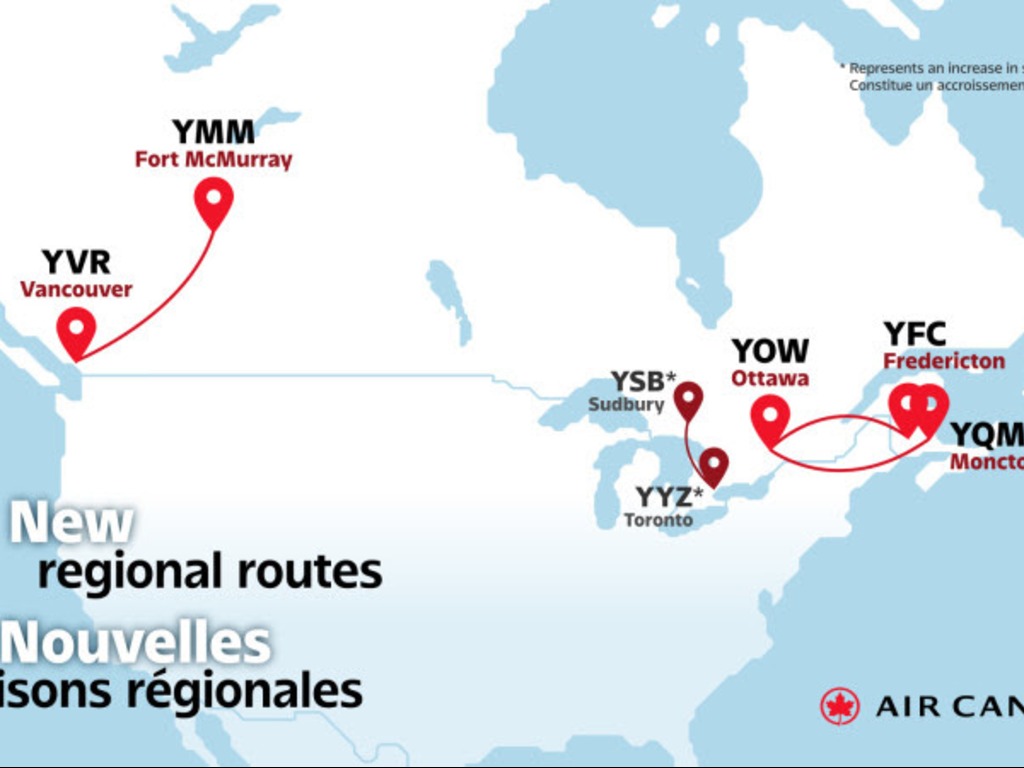
In 2024, Air Canada moved away from the "recovery phase" of the early 2020s and into a "optimization phase." This resulted in a significant restructuring of how domestic and international flights were synchronized. The airline’s strategy focused on maximizing the efficiency of its three primary hubs. By concentrating long-haul departures in these cities, Air Canada was able to offer more "beyond-point" connectivity for international travelers, though this often came at the expense of direct regional connections in Western and Atlantic Canada.
The schedule changes were not merely about timing; they represented a shift in the airline's identity. For passengers in 2024, this meant that while there were more opportunities to fly to Europe or Asia, those living in secondary markets like Calgary, Ottawa, or Halifax frequently saw their direct options narrowed in favor of a connection through Toronto or Montreal. This centralization allowed Air Canada to deploy its fleet more effectively, ensuring that high-capacity aircraft were utilized on routes with the highest demand.
Key Route Expansions and Reductions in 2024
The 2024 schedule saw a notable increase in trans-Pacific and trans-Atlantic capacity. Air Canada recognized the surging demand for leisure travel to Mediterranean destinations and business travel to South and East Asia.
Expansion in the Asia-Pacific Region
Throughout 2024, Air Canada increased its presence in the Asia-Pacific market. This included the launch of new year-round services and the restoration of seasonal routes that had been suspended in previous years. Vancouver (YVR) served as the primary gateway for these changes, with optimized scheduling to allow for shorter layovers for passengers arriving from across North America. Key highlights included:
- Singapore (SIN): The introduction of non-stop service from Vancouver, representing one of the longest flights in the network.
- Osaka (KIX): Increased seasonal frequency to meet tourism demand.
- Seoul (ICN): Expansion of capacity from both Montreal and Toronto.
Transborder and Sun Destination Adjustments
In the North American market, 2024 schedule changes were influenced by the delivery of new narrow-body aircraft. The airline introduced new routes to "sun" destinations and strengthened its transborder partnership with United Airlines. Notable additions included flights to Tulum, Mexico, and Charleston, South Carolina. These changes were designed to capture the growing "bleisure" market—travelers combining business trips with weekend leisure stays.
| Route Origin | Route Destination | Change Type | Impact Description |
|---|---|---|---|
| Vancouver (YVR) | Singapore (SIN) | New Route | Direct connectivity to Southeast Asia hub. |
| Toronto (YYZ) | Tulum (TQO) | New Route | Strategic expansion into the new Mexican airport. |
| Montreal (YUL) | Madrid (MAD) | Frequency Increase | Year-round service enhancement for European connectivity. |
| Calgary (YYC) | Various Regional | Reduction | Shift of regional resources to YYZ and YUL hubs. |
| Ottawa (YOW) | London (LHR) | Restoration | Return of high-demand transatlantic service for the capital. |
The Impact of Labor Negotiations on the 2024 Schedule
One of the most significant periods of schedule instability occurred in September 2024. During this time, Air Canada and the Air Line Pilots Association (ALPA), representing over 5,000 pilots, were engaged in intense contract negotiations. The threat of a strike led to a proactive and highly public schedule adjustment plan.
The "Orderly Shutdown" Contingency
In mid-September 2024, Air Canada announced a three-day wind-down plan to prepare for a potential work stoppage. This resulted in the proactive cancellation of hundreds of flights before a strike had even begun. The goal was to prevent passengers and crews from being stranded at outstations. While a deal was ultimately reached at the eleventh hour, the "goodwill policy" implemented during this period allowed travelers to change their flights for free, leading to a massive reshuffling of the September and October schedules.
This event highlighted the fragility of airline schedules when labor relations are strained. For passengers, the 2024 labor-related changes served as a reminder of the importance of monitoring airline communications and understanding the specific terms of "rebooking windows" provided during periods of industrial action.
Navigating Air Passenger Protection Regulations (APPR) in 2024
For any passenger affected by the 2024 schedule changes, the Canadian Air Passenger Protection Regulations (APPR) provided the legal framework for compensation and assistance. In 2024, these regulations were a point of significant discussion, as the Canadian Transportation Agency (CTA) continued to refine definitions of "controllability."
Compensation Categories
Under the APPR, the reason for a schedule change determines the airline's obligations. If a flight was changed or cancelled for reasons within the airline's control (such as commercial rescheduling or most staffing issues), passengers were entitled to:
- Rebooking or Refund: The airline must offer to rebook the passenger on the next available flight or provide a full refund if the new arrangements do not suit the passenger’s needs.
- Standards of Treatment: For delays over two hours, the airline must provide food, drink, and access to communication. If an overnight stay is required, hotel accommodation must be provided.
- Lump Sum Compensation: Depending on the length of the delay at the final destination, large carriers like Air Canada were required to pay up to $1,000 CAD per passenger.
Changes Outside of Carrier Control
Schedule changes caused by weather, airport throughput issues, or safety concerns (not including routine maintenance) generally do not trigger the same compensation requirements. However, in 2024, the airline was still required to ensure that passengers reached their destination, even if that meant booking them on a competitor's flight after a certain amount of time had passed.
Fleet Modernization: The Engine Behind the Schedule
The 2024 schedule was deeply tied to Air Canada’s fleet renewal program. The continued integration of the Airbus A220-300 and the Boeing 737 MAX 8 allowed the airline to fly "long and skinny" routes—paths that have sufficient demand for a smaller narrow-body jet but would not be profitable for a larger wide-body.
The Role of the A220
The A220 was instrumental in 2024 for maintaining frequencies on transcontinental routes between Canada and the United States. Its fuel efficiency allowed Air Canada to keep routes on the schedule that might otherwise have been cut during periods of high fuel prices.
Wide-body Utilization
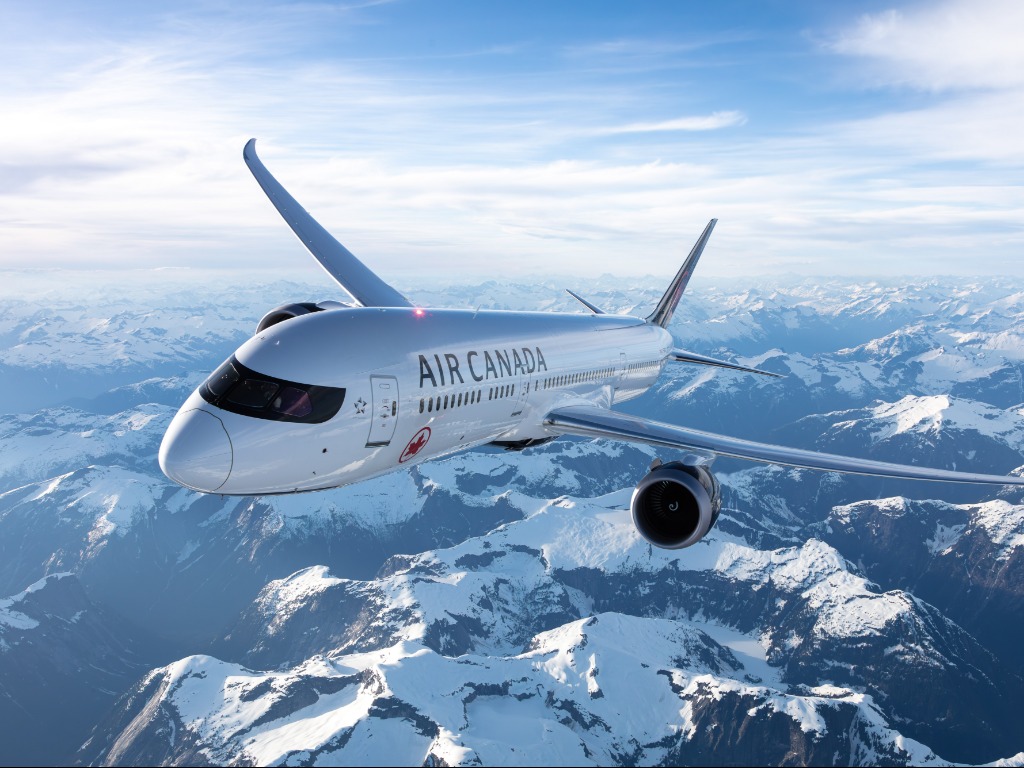
For international schedule changes, the Boeing 787 Dreamliner remained the workhorse. In 2024, the airline optimized the "turnaround" times for these aircraft, meaning they spent less time on the ground and more time in the air. This optimization allowed for the "added frequency" seen on routes to London, Paris, and Tokyo without requiring a massive increase in the total number of aircraft in the fleet.
Common Reasons for Schedule Changes
While travelers often view schedule changes as a nuisance, they are usually the result of complex logistical calculations. In 2024, these changes typically fell into three categories:
- Seasonal Transitions: Air Canada traditionally adjusts its entire network twice a year—once for the summer peak (May through October) and once for the winter season (November through April). These changes are planned months in advance but may be fine-tuned as the season approaches.
- Operational Constraints: This includes changes due to ongoing aircraft maintenance requirements or delays in new aircraft deliveries from manufacturers like Boeing or Airbus.
- Economic Optimization: If a particular flight time consistently shows low "load factors" (empty seats), the airline may consolidate two flights into one or move the departure time to a period where it can capture more connecting passengers from other cities.
Expert Tips for Managing Flight Changes
Based on the patterns observed in 2024, travelers should adopt a proactive stance toward their bookings. The following steps were essential for those navigating Air Canada's evolving schedule:
- Audit Your Booking Monthly: Schedule changes often happen in small increments (e.g., a 15-minute shift). However, these small changes can occasionally break a tight connection. Checking your itinerary once a month ensures you aren't surprised a week before your trip.
- Use the Air Canada App: In 2024, the app became the primary tool for rebooking. When a schedule change occurred, the app typically offered a "one-time free change" option, allowing passengers to pick a different flight that better suited their schedule without calling a service center.
- Understand the "Two-Hour Rule": Under most airline policies and regulatory frameworks, a schedule change of more than two or three hours is often enough to trigger a "significant change" clause, giving the passenger the right to a full refund to their original form of payment, even on non-refundable tickets.
FAQ: Air Canada 2024 Schedule Adjustments
What happens if Air Canada changed my flight by more than 3 hours in 2024?
If a schedule change exceeded three hours, you were generally entitled to a full refund or a rebooking on a different flight at no additional cost. Under APPR, if the change was within the carrier's control and you were notified less than 14 days before departure, you might also have been eligible for financial compensation depending on the delay at your final destination.
Why did Air Canada reduce so many flights from Calgary in 2024?
The reduction in Calgary (YYC) was part of a broader strategic shift to focus on "Global Hub" operations in Vancouver, Toronto, and Montreal. This allowed Air Canada to compete more effectively on international long-haul routes, while WestJet simultaneously increased its focus on the Calgary hub. This "de-hubbing" of Calgary by Air Canada led to more connections through YYZ or YVR for Alberta-based travelers.
Did the 2024 pilot negotiations cause permanent schedule changes?
While the labor negotiations caused temporary volatility in September 2024, they did not result in a permanent reduction of the network. Once the contract was ratified, the airline returned to its planned growth trajectory. However, the event did lead to a temporary increase in "buffer time" in schedules to ensure reliability during the post-negotiation period.
How can I tell if my schedule change was "within airline control"?
Most schedule changes made for commercial reasons (re-fleeting, consolidation of flights, or network optimization) are considered "within airline control." Changes caused by extreme weather, air traffic control mandates, or third-party strikes (like airport security) are considered "outside of carrier control." You can request a "Statement of Delay or Cancellation" from Air Canada for insurance or APPR claim purposes.
Can I choose a different departure city if my flight is significantly changed?
Generally, a schedule change allows you to change the time or date of your flight from the same origin to the same destination. Changing the origin or destination city is usually considered a "reroute" and may require paying a fare difference, unless the airline has specifically authorized it due to a major disruption (like a hub closure).
Looking Ahead: Lessons from the 2024 Network
The 2024 schedule changes for Air Canada illustrated an airline in transition—balancing the need for profitability with the complexities of labor relations and regulatory oversight. For the modern traveler, the primary lesson from this period is the necessity of "itinerary hygiene."
The move toward a more centralized hub-and-spoke model means that while there are more destinations available than ever before, the reliance on a few key "mega-hubs" makes the entire network more sensitive to disruptions in those specific cities. By understanding the underlying reasons for these changes—be it fleet modernization or strategic regional shifts—passengers can better position themselves to handle the inevitable adjustments that come with global air travel.
To ensure the best outcome for your future travel, always keep your contact information updated in your Aeroplan profile and familiarize yourself with the current APPR guidelines, as these remain the strongest tools for passenger protection in the Canadian market.